
All Categories
Array Seismic Life Detector

Home /  Products /  Urban Search and Rescue /  Array Seismic Life Detector

Array Seismic Life Detector CRMB-RAD

LSJ RESCUE SEARCH EQUIPMENT

Array Microseismic Life Detector

A wireless sensor array for detecting active tapping and vibration signals transmitted through rubble, concrete, steel and other solid rescue-site media.

01Compare vibration intensity from every connected sensor on one 8-inch control terminal.
02Adjust high- and low-frequency filtering to reduce non-target mechanical noise.
03Use relative sensor positioning and two-way voice communication to support rescue decisions.
Factory ConfigurationTechnical TrainingRugged Transport Case
Request Configuration and Quotation
  • Description
  • Parameter
  • Recommended Products

Description

Core Capabilities

Wireless Microseismic Search Under Rubble

A wireless vibration sensor array helps rescue teams compare active tapping signals, narrow the likely survivor area and establish two-way communication.

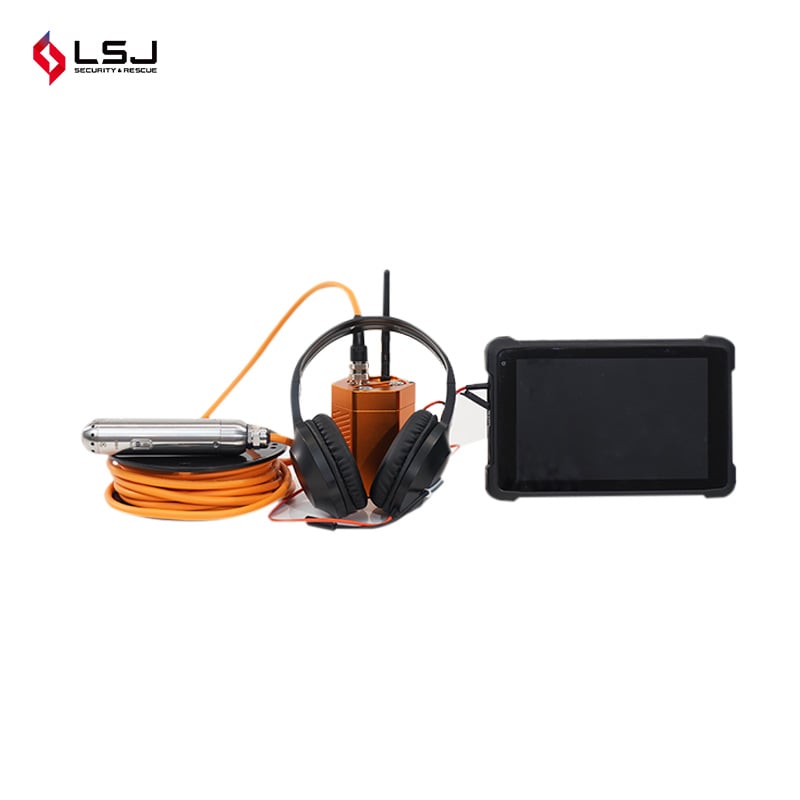
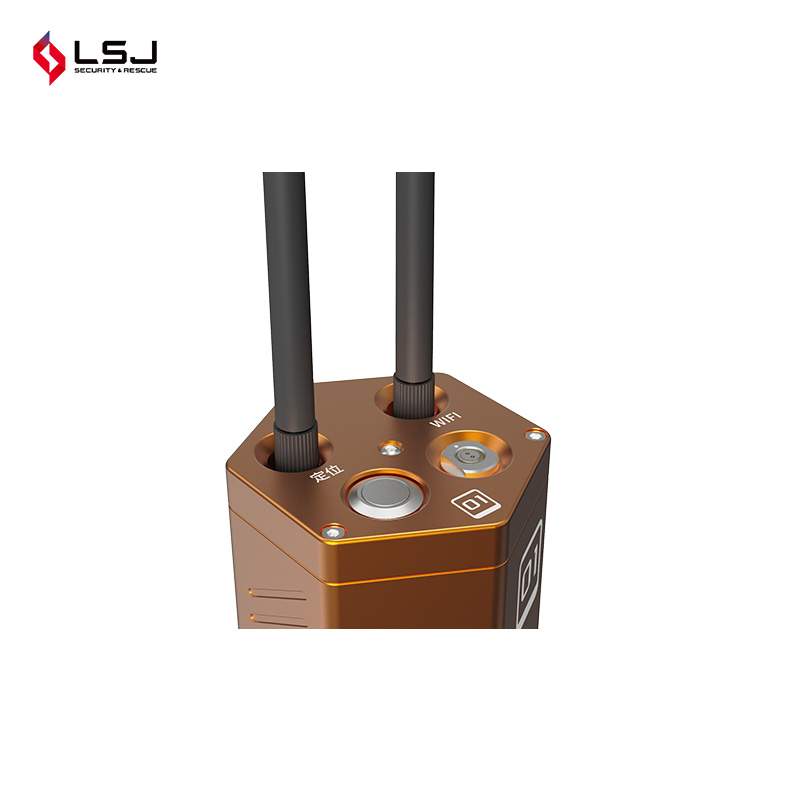
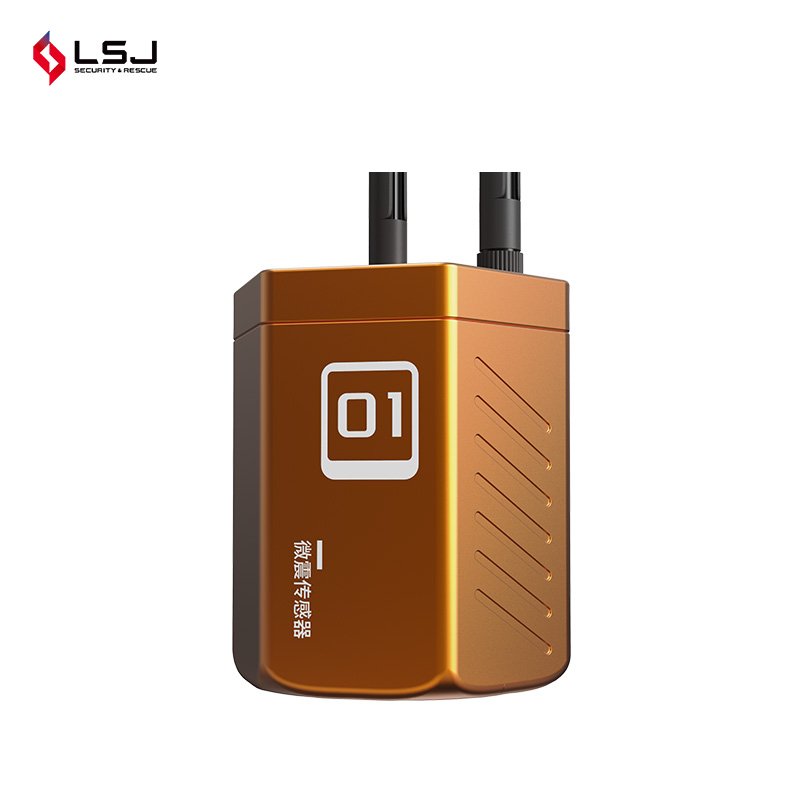
CRMB-RAD wireless microseismic life detector kit
CAPABILITY 01

Compare Vibration Across the Sensor Array

Multiple wireless sensors compare active tapping and vibration signals across a rescue search zone.

  • 2-10 sensors connected to one terminal
  • 8 m detection radius under suitable site conditions
  • Adjustable filtering reduces non-target mechanical noise
CAPABILITY 02

Filter Noise and Narrow the Search Zone

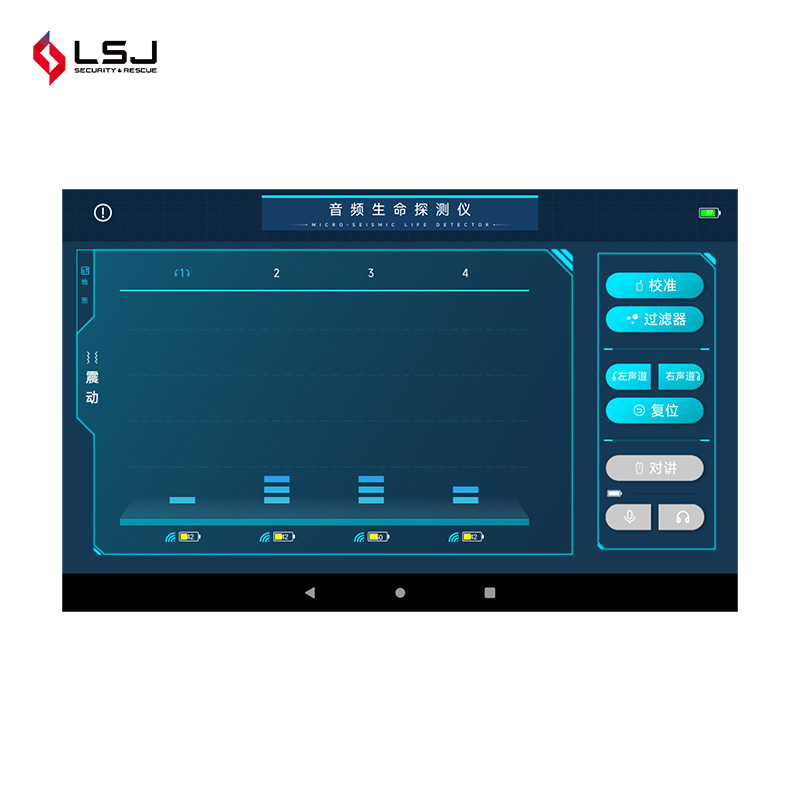
The Android terminal displays relative signal strength, battery status and filter settings for live search decisions.

  • 0.1–5000 Hz frequency response
  • High- and low-frequency filter adjustment
  • Compare live bars and listening channels to find the strongest zone
CRMB-RAD sensor signal monitor interface
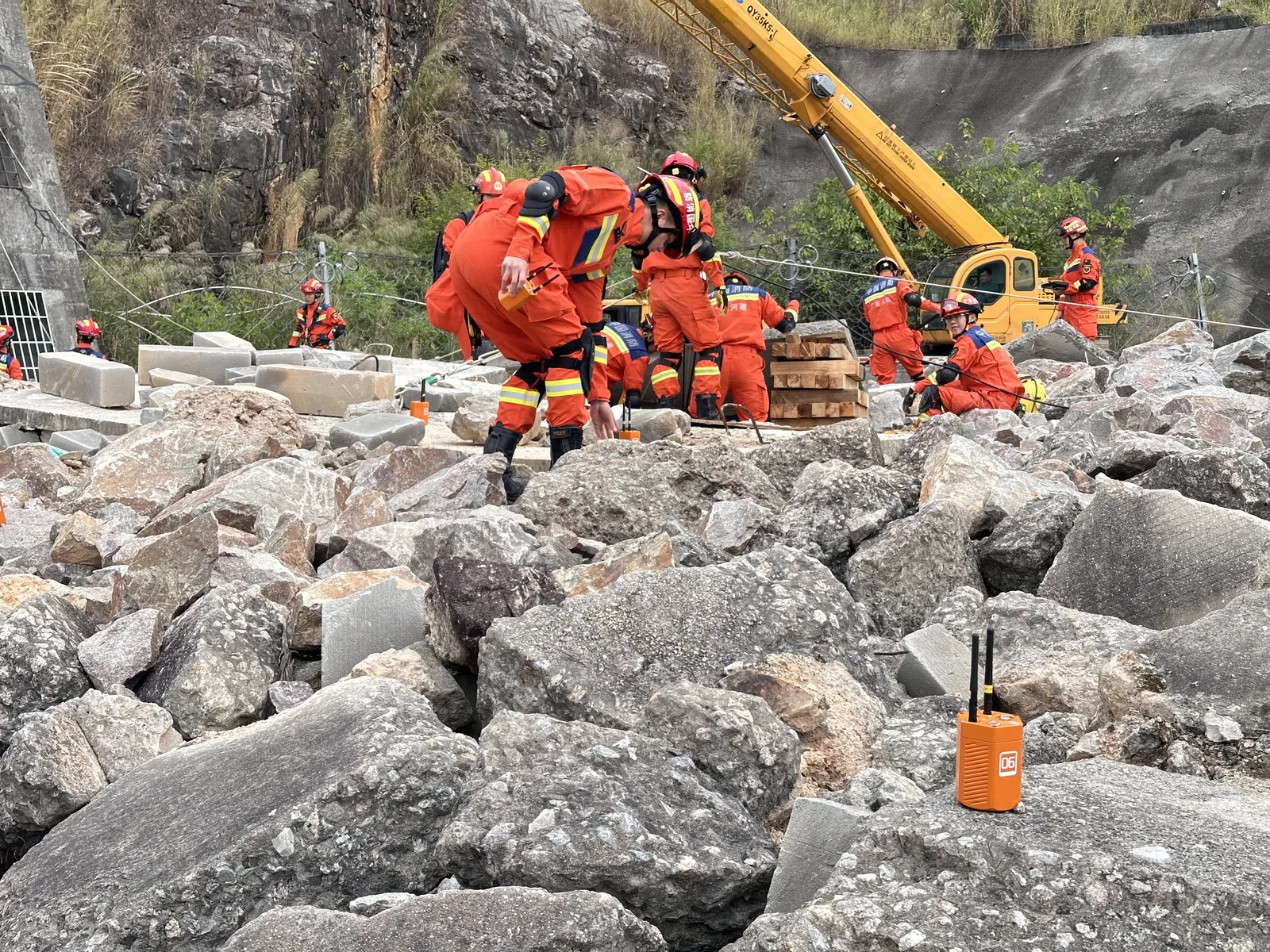
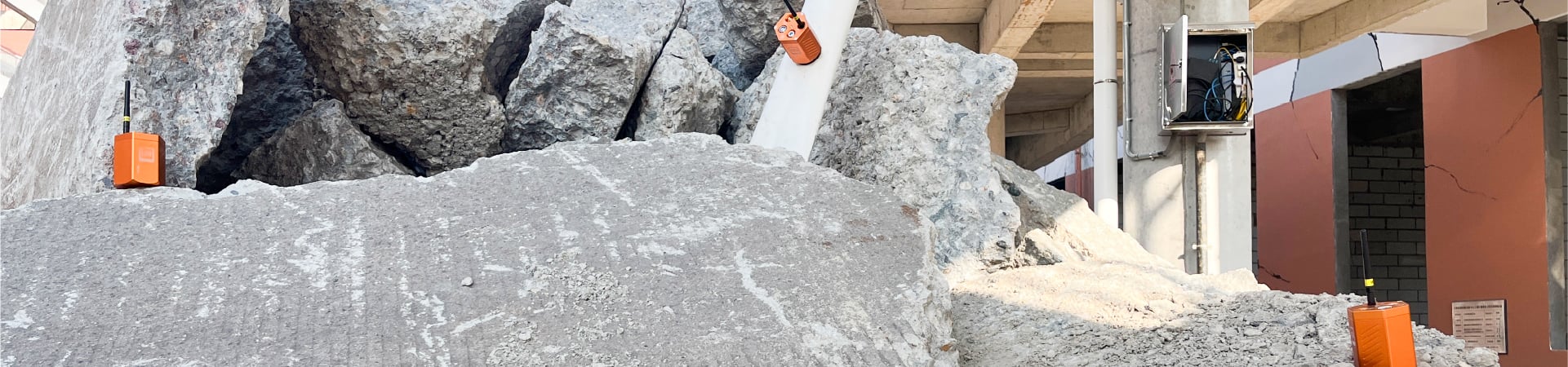
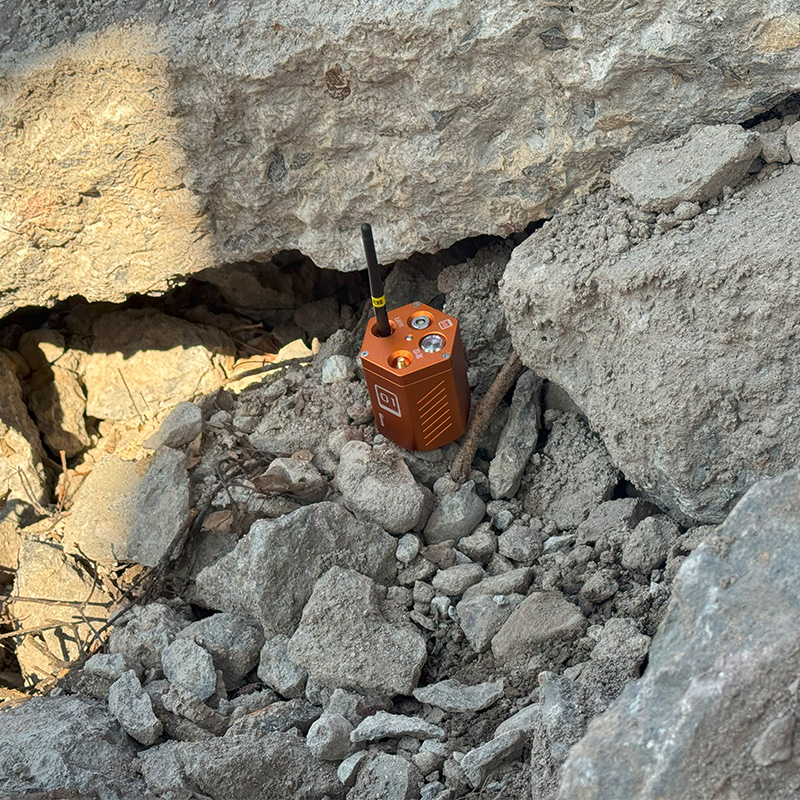
CRMB-RAD wireless sensors in collapsed-structure rescue training
CAPABILITY 03

One Terminal for Every Connected Sensor

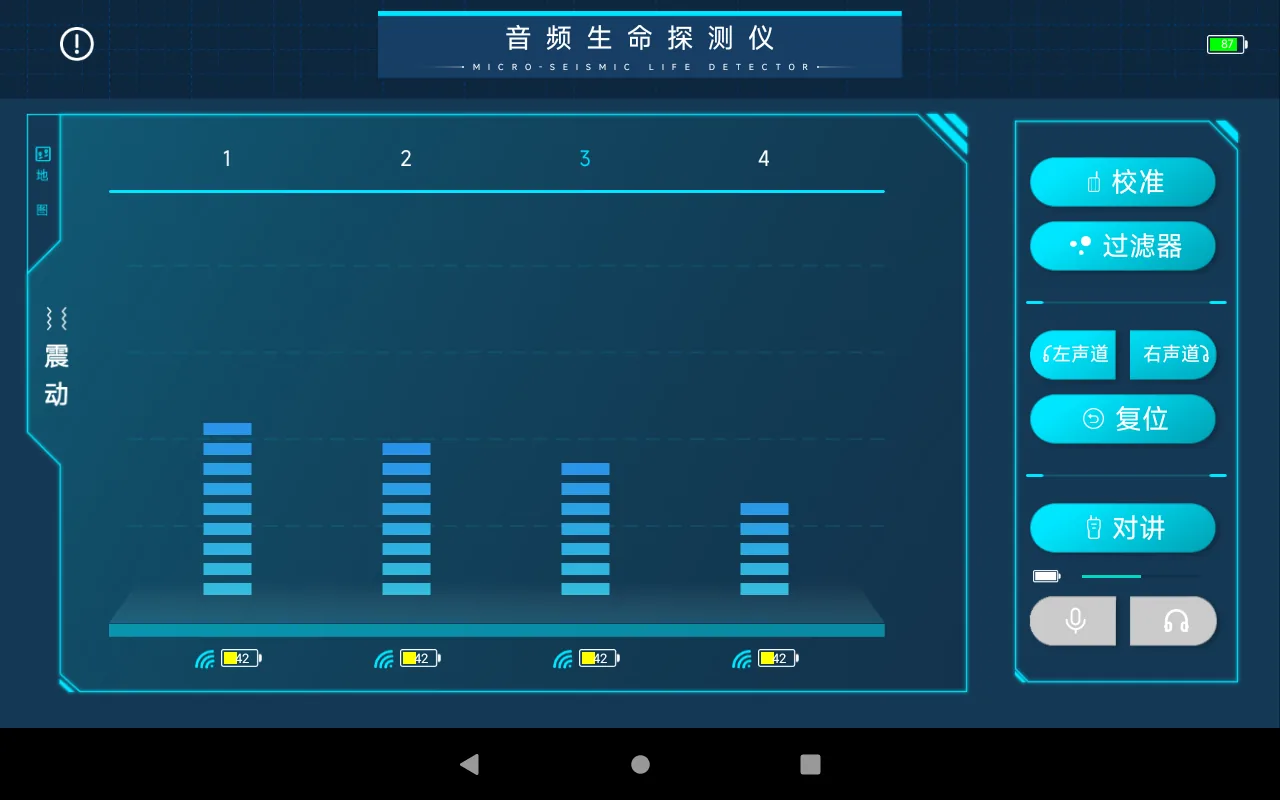
The 8-inch control terminal displays sensor vibration levels, battery status, calibration and stereo channels on one screen.

  • Relative sensor positioning supports search decisions
  • Switch left and right listening channels
  • Open two-way intercom when a signal zone is narrowed
CAPABILITY 04

IP67 Sensors for Collapsed-Structure Search

Compact sensors are designed for rescue-site deployment with sealed protection and a wide operating range.

  • IP67 sensor protection
  • −20°C to +60°C operating temperature
  • −40°C to +70°C storage temperature
CRMB-RAD rugged wireless sensor rescue kit
CRMB-RAD control terminal showing sensor signal levels
CAPABILITY 05

Two-Way Voice Communication

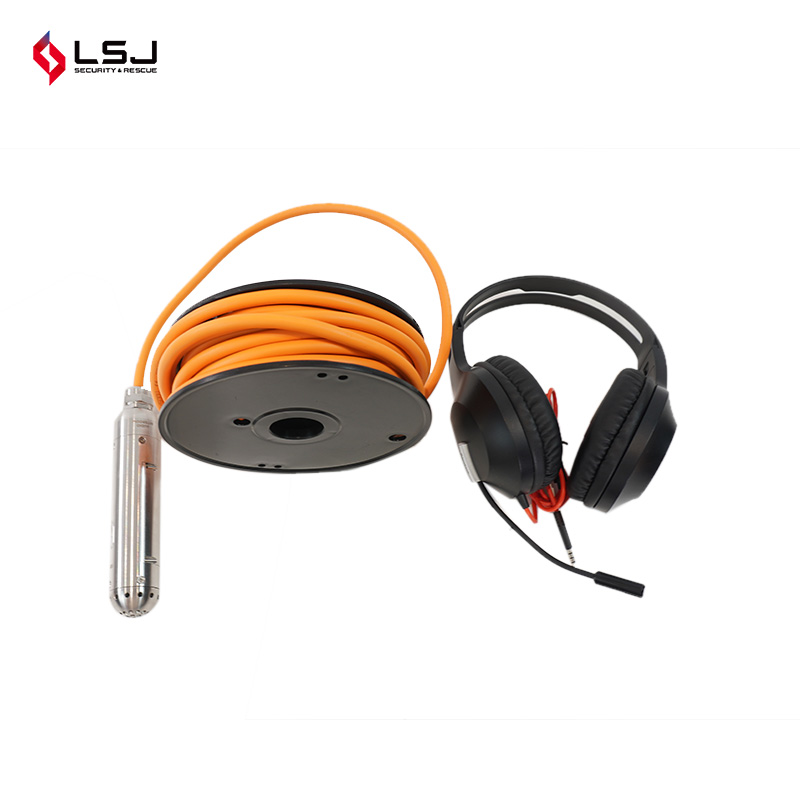
An intercom probe and pickup support communication after the team narrows the strongest signal zone.

  • 10 m intercom cable
  • Headset and stereo listening channels
  • Supports direct communication decisions during rescue
CAPABILITY 06

10+ Hours of Field Operation

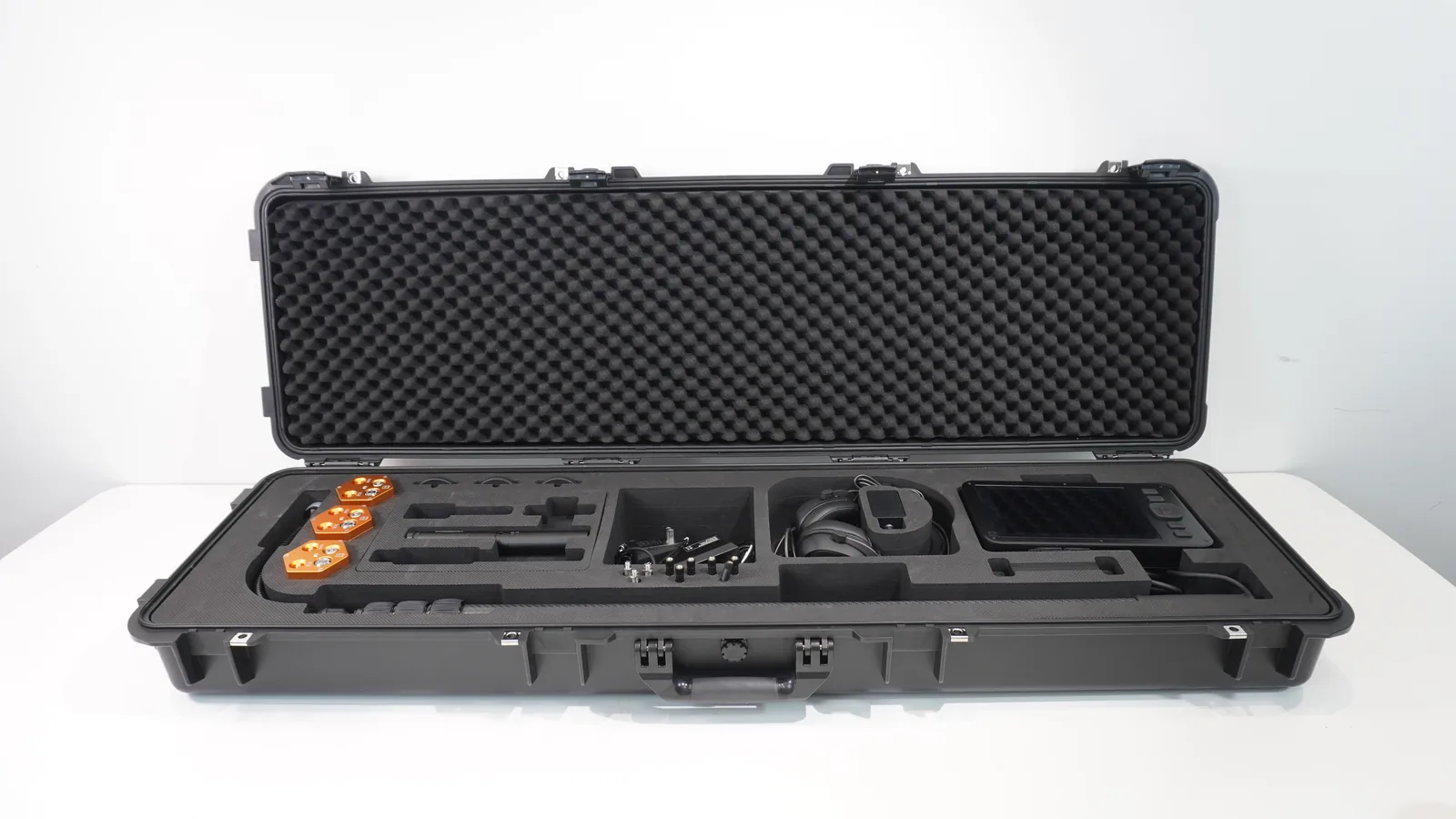
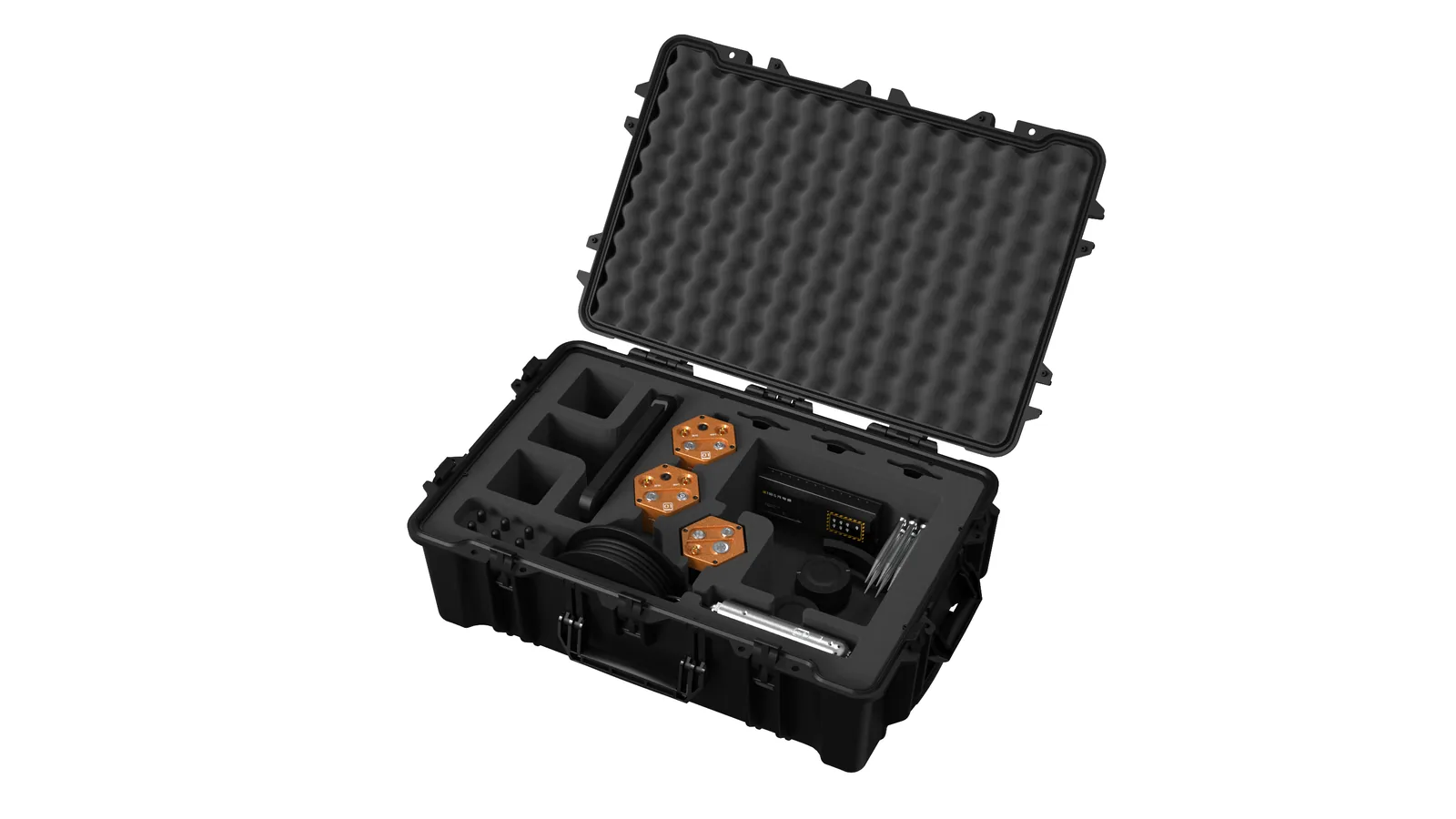
The field-ready kit combines sensors, terminal, intercom probe, antennas, chargers and protective case for deployment.

  • 10 h or more operating time
  • 150 m rated Wi-Fi connection in open area
  • Standard configuration supports 2-10 sensors
CRMB-RAD standard components arranged in transport case

Get the configuration matched to your rescue team.

Include your sensor quantity, destination country, training needs and delivery deadline.

Applications

Array Microseismic Life Detection for Rescue Operations

Applicable to municipal fire services, industrial emergency teams, hazardous-materials sites, and wildfire response units, subject to operational requirements.

CRMB-RAD sensor array deployed during rescue search

Earthquake Rescue

Use wireless sensors after earthquakes, building collapses, landslides and other rescue incidents where visibility is blocked.

Microseismic signal comparison in collapsed structures

Structural Collapse

Place sensors on rigid structural media and compare signal levels to prioritize the strongest search zone.

CRMB-RAD rescue deployment in rubble and tunnels

Tunnel and Mine Rescue

Use for tunnel, mine and flood rescue where vibration signals can be transmitted through suitable structural media.

Operational Scenario

Find the Strongest Signal Zone

The scenario below illustrates a microseismic sensor deployment. Actual results vary with medium, noise, contact and tapping strength.

Illustrative warehouse fire response scenario

Deploy, Compare and Communicate

Situation

A collapse leaves survivors beneath rubble where visibility is blocked and a controlled active signal can travel through rigid media.

Potential use

A team can place 2-10 sensors, calibrate the array, compare live signal levels and use the intercom channel after narrowing the search zone.

Decision support

Findings may inform search priorities and structural risk discussions under the incident commander's procedures. Outcomes depend on conditions, training, and additional equipment.

Why Work With LSJ

Manufacturing Capability
Built Around Procurement Needs

Explore the production facilities, compliance documents, and international exhibitions presented in the materials below. Confirm product-specific certifications and production capacity with the supplier before placing an order.

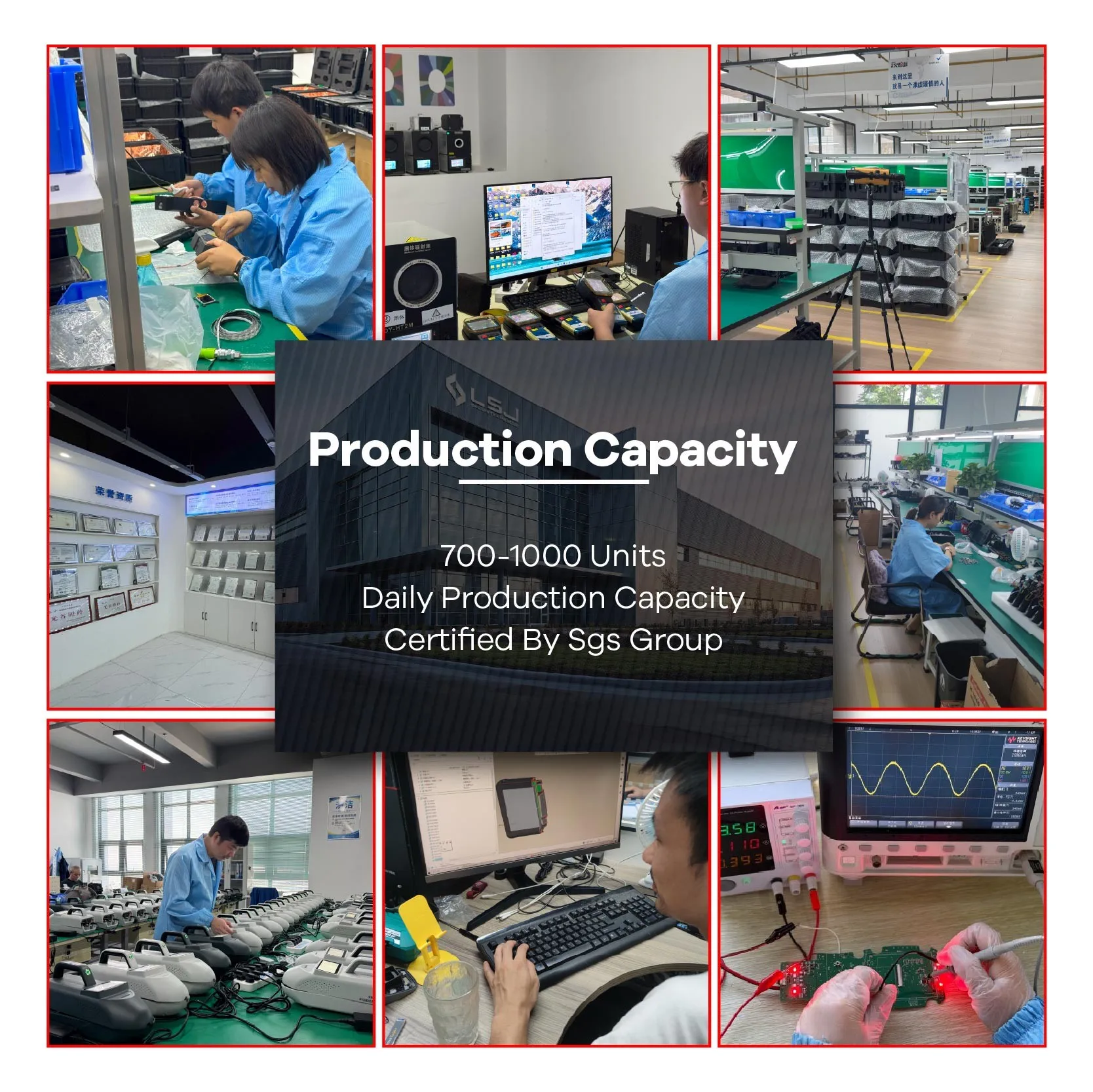
700-1,000units/day Capacity stated in
supplied factory image
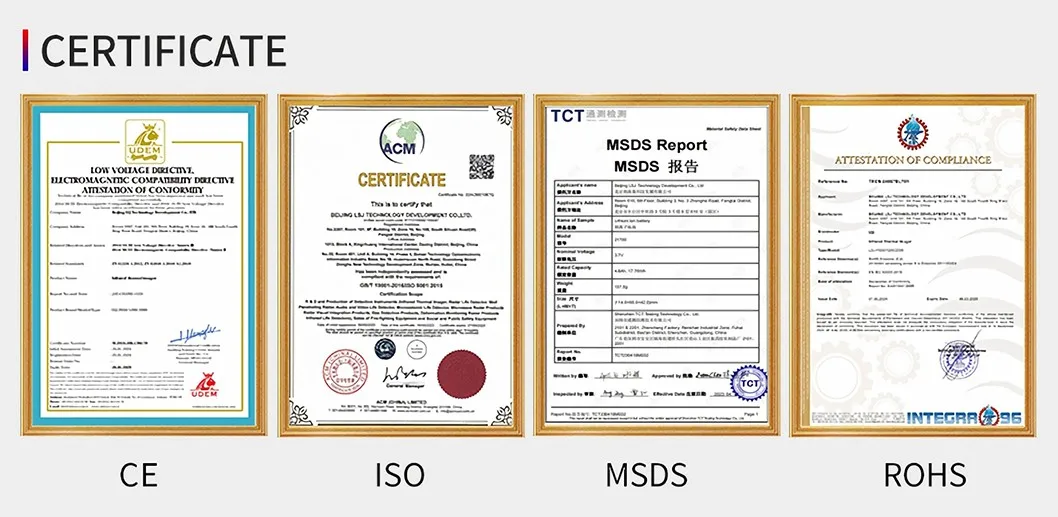
4document types CE · ISO · MSDS · RoHS
shown in supplied image
GLOBAL International trade-show
engagement
Supplied collage of LSJ manufacturing, assembly, and testing areas
01 · PRODUCTION

Assembly and Testing Capability

The supplied factory imagery shows assembly and testing activities and states a capacity of 700-1,000 units per day. Confirm the applicable product line, current capacity, and lead time when requesting a quote.

Supplied collage of CE, ISO, MSDS, and RoHS-related documents
02 · CERTIFIED

Documentation for Due Diligence

Request current, product-specific documents and verify their scope before use in a tender or import review.

CEISOMSDSRoHS
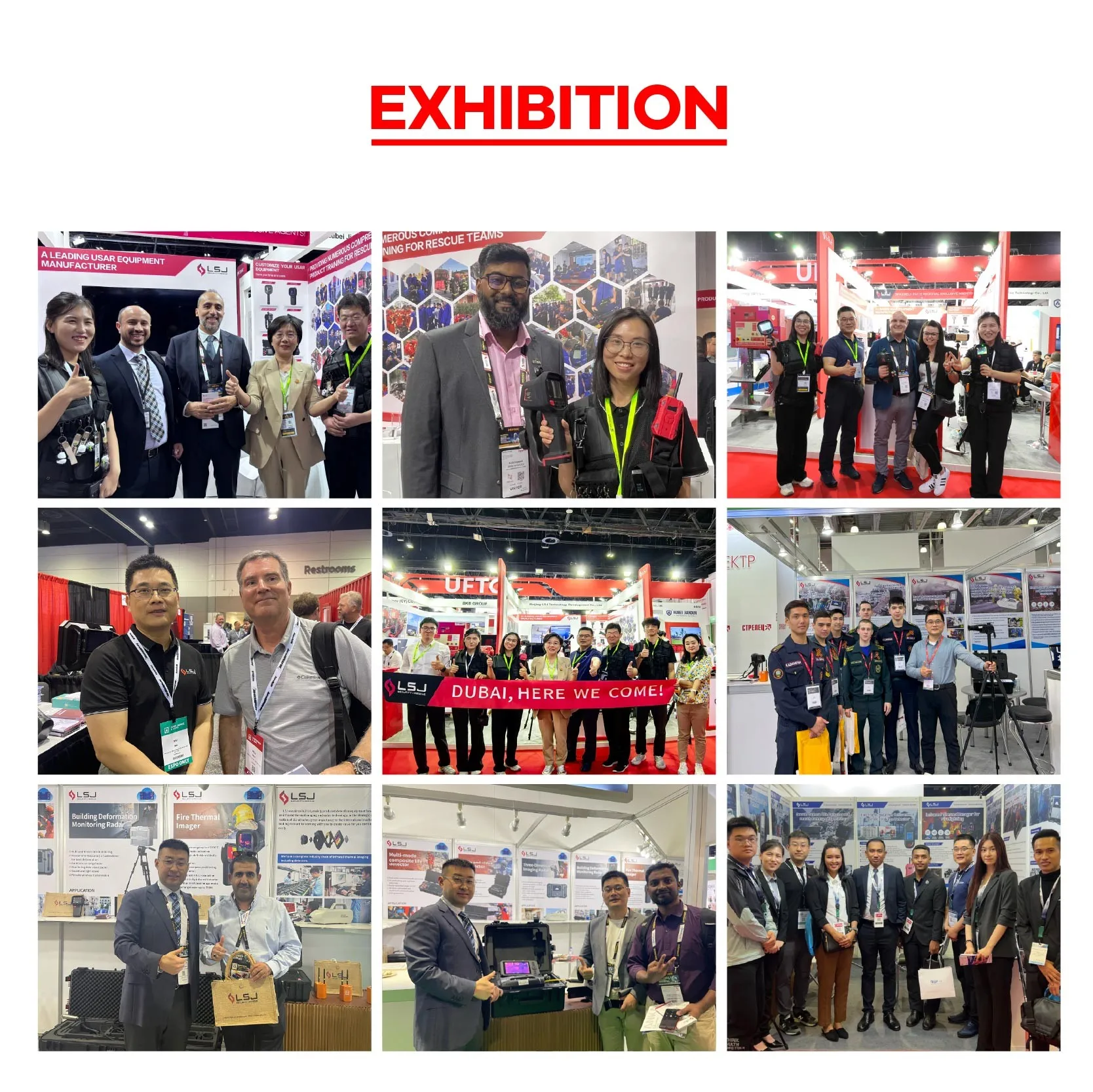
LSJ team and visitors at international trade exhibitions
03 · GLOBAL

Product Discussions at Global Events

Explore images of industry exhibitions and in-person discussions with international partners and emergency-response professionals.

Click an image for a larger view · Request a facility visit or document verification
Request an Operating Demonstration

Ask about sensor quantity, site medium, training and deployment conditions

Operation Video

See the CRMB-RAD in Operation

Watch the CRMB-RAD demonstration to understand sensor deployment, signal comparison, filter adjustment and intercom operation.

  • Designed for one-handed operation with protective gloves
  • Adjust filters, compare sensor channels and open intercom mode
  • Review signal strength, battery status and relative sensor position

Technical Specifications

CRMB-RAD Technical Specifications

Specifications below reflect the source material for this page and should be confirmed against the latest manufacturer datasheet and applicable test reports before procurement.

Parameter Stated Specification
Sensor frequency response 0.1–5000 Hz
Wireless connection Wi-Fi
Communication distance 150 m rated in open area
Sensor detection range 8 m radius under suitable site conditions
Sensor dimensions 90 × 78.5 × 70 mm
Sensor weight 500 g or less
Ingress protection IP67
Operating time 10 h or more
Operating temperature −20°C to 60°C
Storage temperature −40°C to 70°C
Intercom cable 10 m
Probe connection Wireless Wi-Fi
Probe body dimensions 100 × 78.5 × 70 mm
Pickup dimensions Diameter 32 mm × height 167 mm
Standard configuration 2-10 sensors, 8-inch terminal, intercom probe, 10 m cable, headset, antennas, magnetic bases, probes, chargers and protective case
Operating limitation Requires active tapping or scratching; results vary with medium, noise, obstructions, contact and signal strength

Frequently Asked Questions

Procurement and Deployment

Answers to common questions from fire-service procurement teams and end users. Confirm all commercial and technical terms with the supplier.

Can the system detect an unconscious survivor?

The system requires an active tapping or scratching signal; it cannot reliably identify an unconscious person who produces no active signal.

Can operators filter rescue-site noise?

The system provides 10 h or more of operation. Actual performance varies with sensor use, wireless conditions and deployment environment.

How many sensors can the system use?

The documented standard configuration supports 2-10 microseismic sensors. Confirm the ordered quantity and final accessory list with the supplier.

Can we arrange a demonstration or request tender documents?

Contact the supplier with your organization, intended use, quantities, and delivery market. Ask about demonstration availability, a compliance matrix, test reports, and manufacturer authorization where required; availability and terms must be confirmed in writing.

What warranty and calibration support is available?

Request written warranty coverage, service turnaround, spare-parts availability, and recommended calibration intervals in the quotation. Inspection and recalibration may be advisable after severe heat exposure or impact; service terms depend on the purchase agreement.

Supplier Support

Support from Selection to Service

Technical Selection

Discuss use cases, operating conditions, and specification requirements with the supplier's technical team.

Rescue Training and Configuration Support

Request product-specific reports, compliance information, and demonstration options for procurement review.

Technical Support and Field Documentation

Confirm warranty, replacement parts, calibration, and repair arrangements for your delivery market.

LSJ · Fire & Rescue Equipment CRMB-RAD Firefighting Thermal Imaging Camera · © 2026

Get a Free Quote

Our representative will contact you soon.
Email
Name
Mobile
Company Name
Message
0/1000

Get a Free Quote

Our representative will contact you soon.
Email
Name
Mobile
Company Name
Message
0/1000

Get a Free Quote

Our representative will contact you soon.
Email
Name
Mobile
Company Name
Message
0/1000
array microseismic life detector-0

Copyright © Beijing LSJ Technology Development Co., Ltd. All Rights Reserved  -  Privacy Policy