All Categories
Array Seismic Life Detector

Home /  Products /  Urban Search and Rescue /  Array Seismic Life Detector

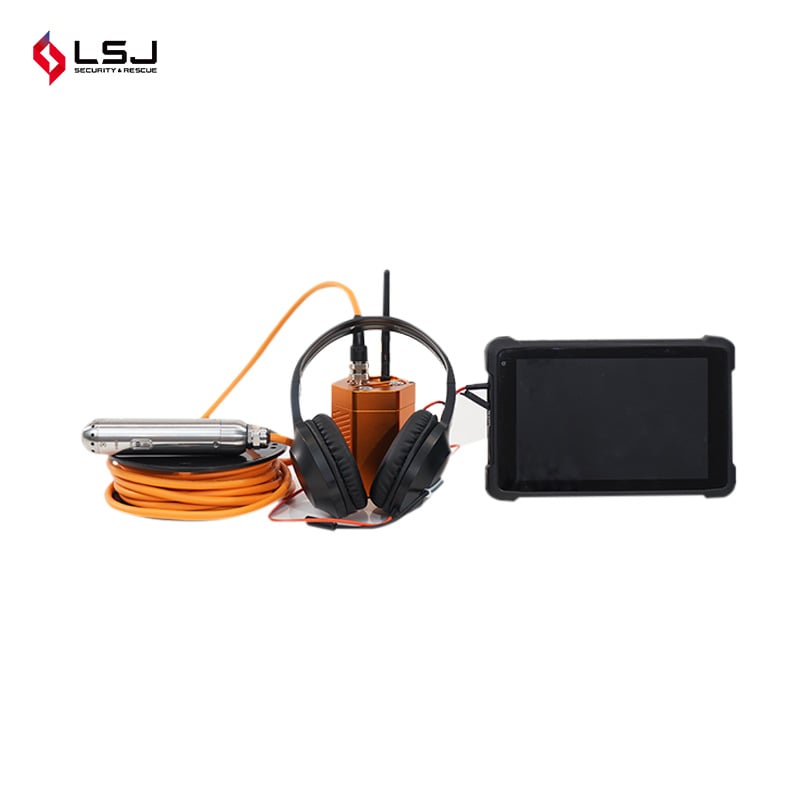
Array Seismic Life Detector CRMB-RAD

LSJ RESCUE SEARCH EQUIPMENT

Array Microseismic Life Detector

A wireless sensor array for detecting active tapping and vibration signals transmitted through rubble, concrete, steel and other solid rescue-site media.

2-10 Wireless Sensors8 m Sensor Radius150 m Wireless LinkIP67 Sensors10+ h Operation
01Compare vibration intensity from every connected sensor on one 8-inch control terminal.
02Adjust high- and low-frequency filtering to reduce non-target mechanical noise.
03Use relative sensor positioning and two-way voice communication to support rescue decisions.
Important: this passive acoustic system requires an active tapping or scratching signal. Quiet-site procedures and firm sensor contact improve detection.
Factory ConfigurationTechnical TrainingRugged Transport Case
Request Configuration and Quotation
  • Description
  • Parameter
  • Recommended Products

Description

LSJ RESCUE SEARCH EQUIPMENT

Array Microseismic Life Detector

A wireless vibration sensor array that helps rescue teams compare active tapping signals across a search zone, narrow the likely survivor area and establish two-way voice communication.

2-10 Sensors 8 m Radius 150 m Wireless IP67 10+ h
Request Technical Proposal
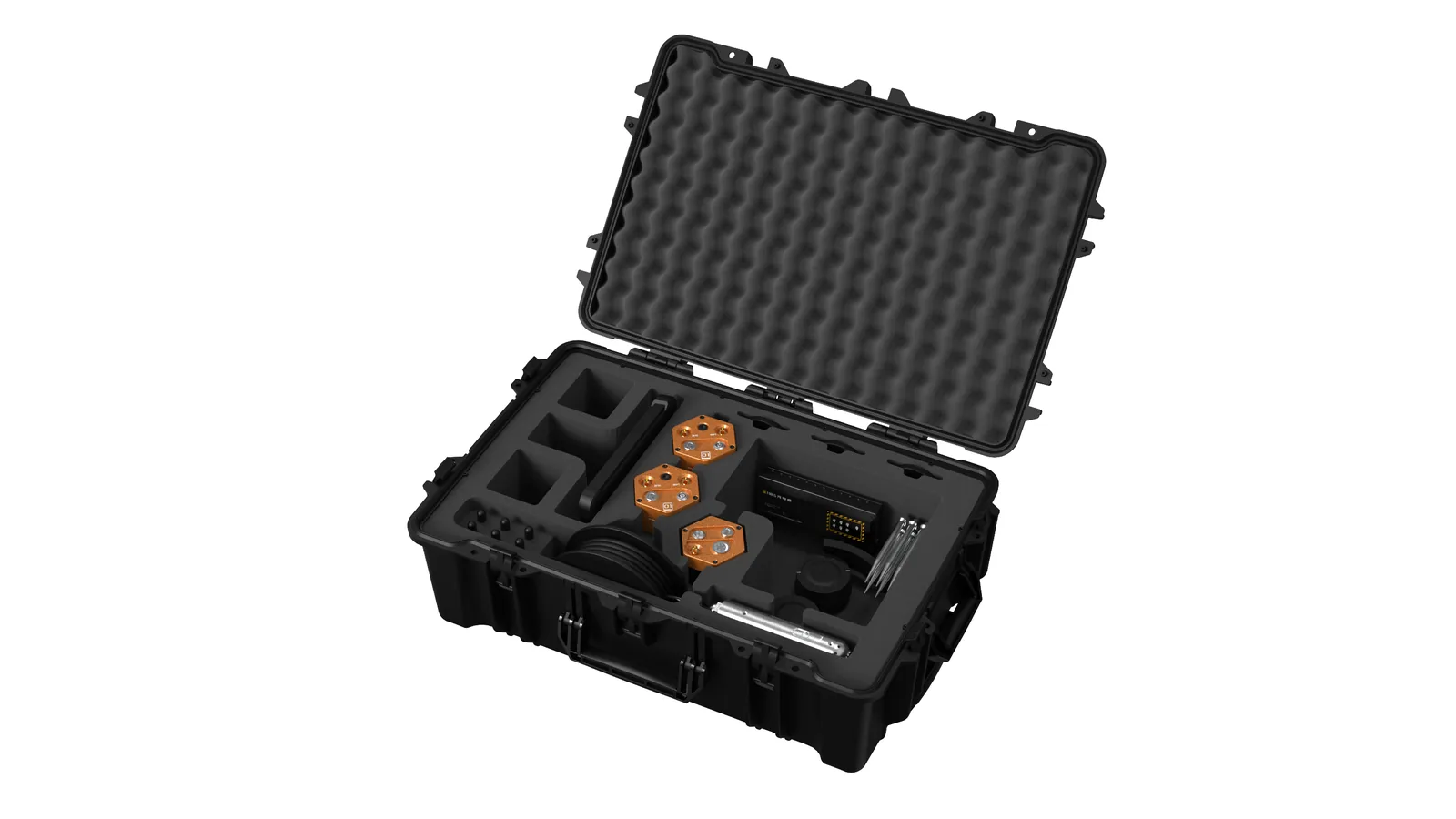
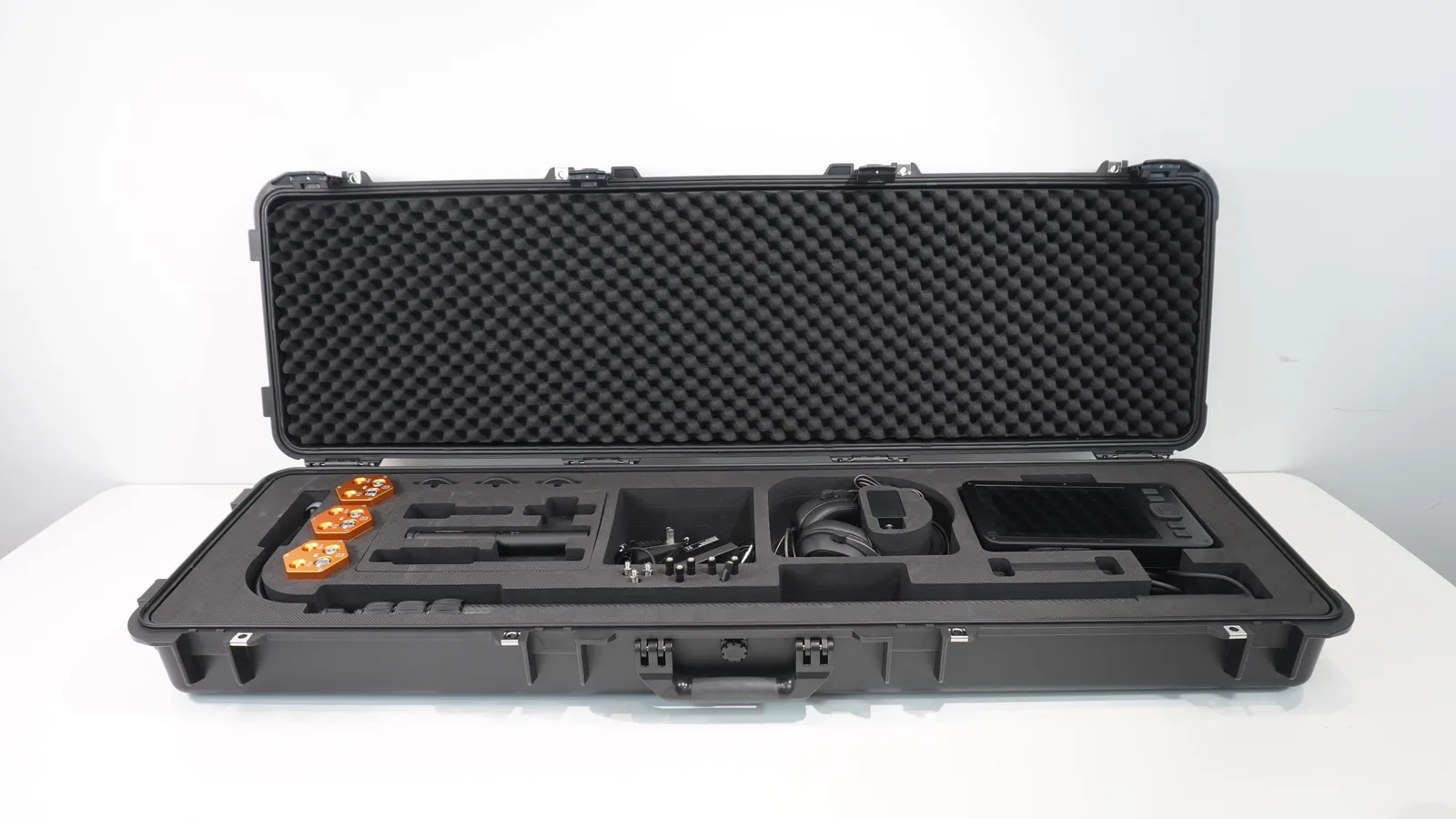
LSJ array microseismic life detector kit with wireless sensors and rugged transport case
PAIN POINT

Rubble blocks visibility and makes manual area-by-area listening slow.

TECHNICAL RESPONSE

Multiple wireless sensors show relative vibration strength on one terminal.

OPERATIONAL VALUE

Teams can prioritize the strongest signal zone and reduce repeated probe movement.

DIRECT ANSWER

How does a microseismic life detector work?

It receives small vibration signals created when a trapped person actively taps or scratches a rigid structure. The system filters background interference, compares signal intensity across the sensor array and helps rescuers narrow the likely source area. An intercom probe can then support voice communication.

1. DEPLOY

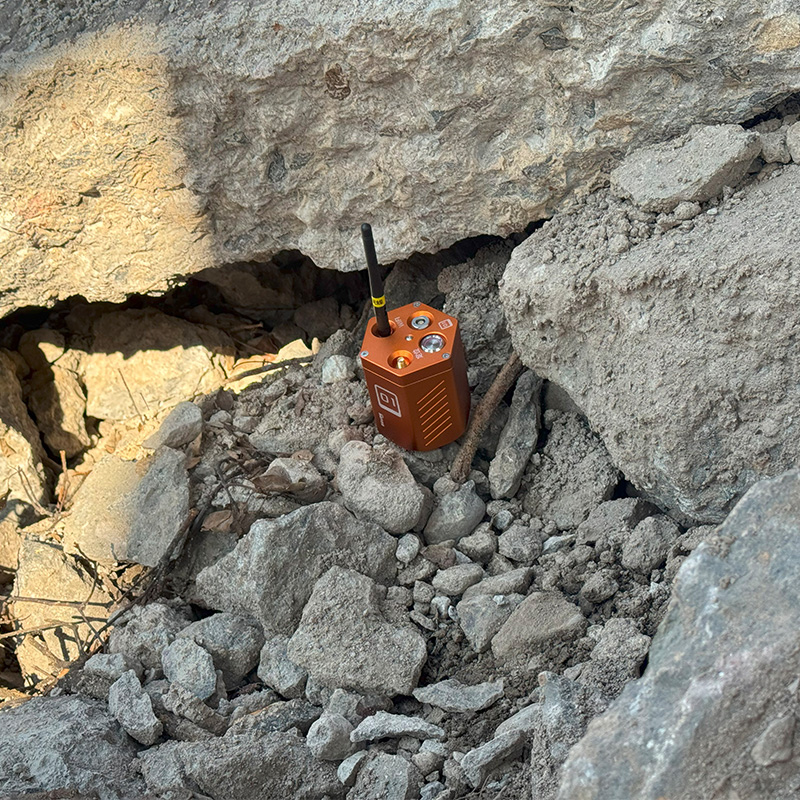
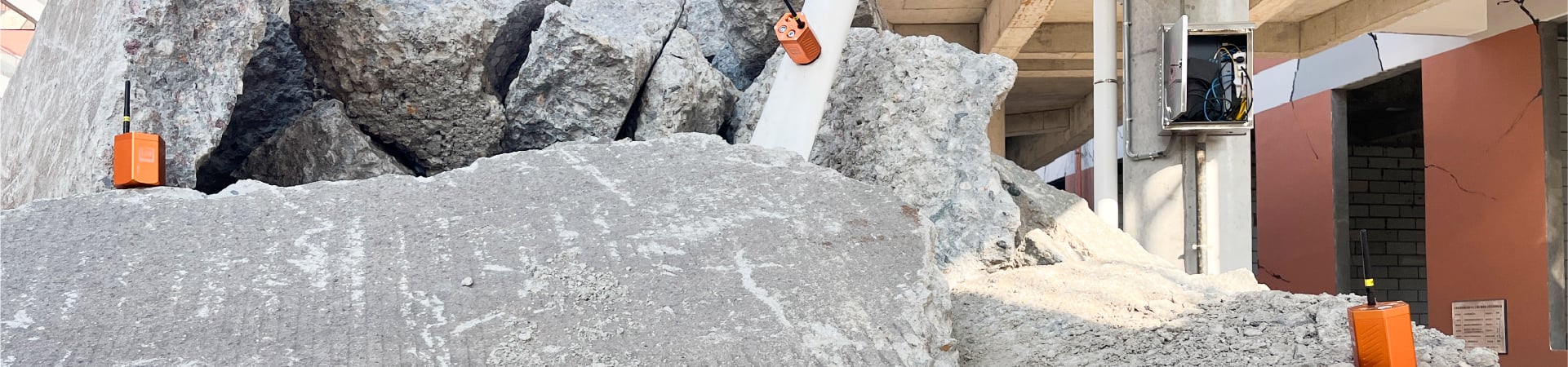
Place sensors on rigid load-bearing media or use probes for firm contact.

2. CALIBRATE

Calibrate in a stable environment and set the required filter range.

3. COMPARE

Compare live bars and headphone channels to find the stronger signal zone.

4. COMMUNICATE

Insert the pickup near the target zone and open the intercom channel.

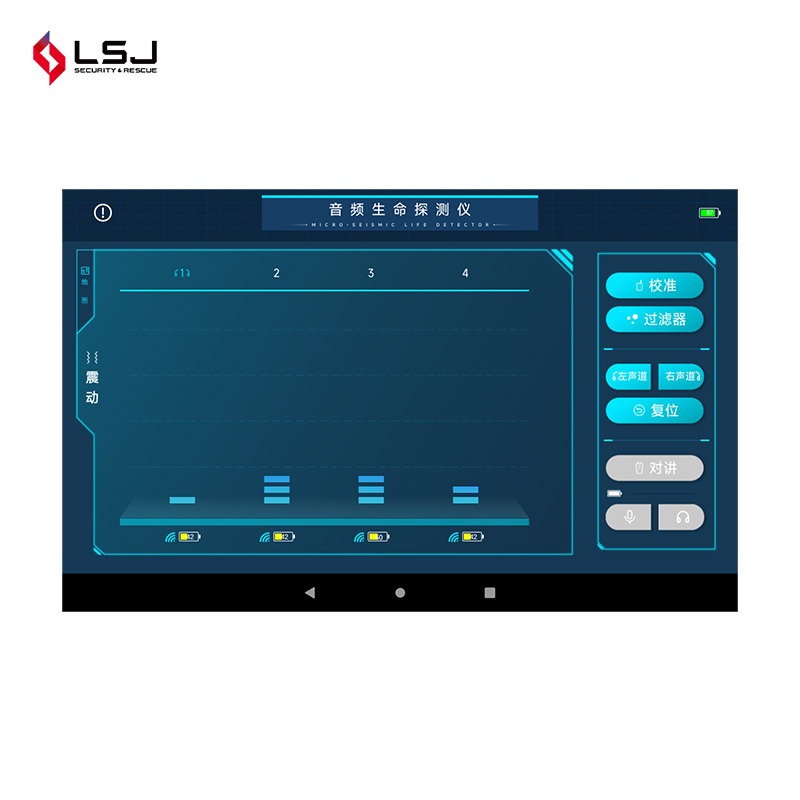
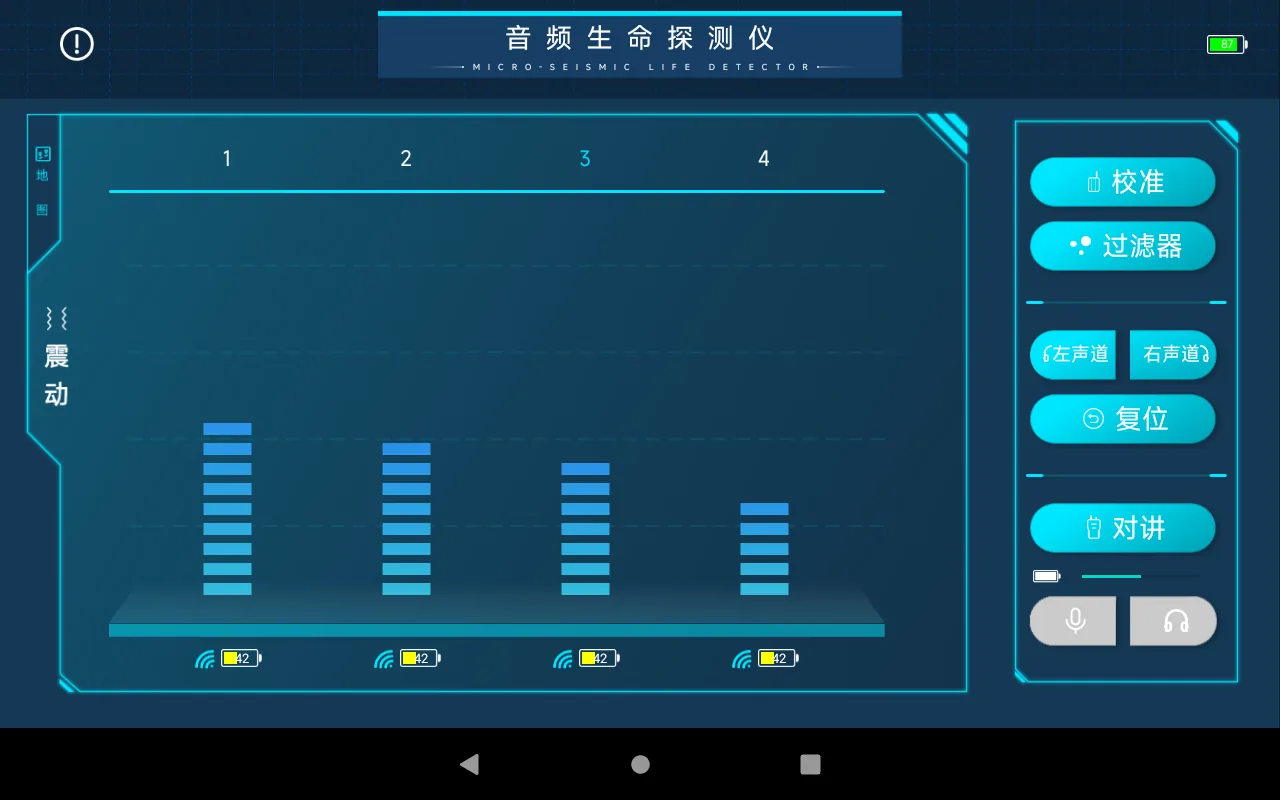
Microseismic life detector control terminal showing four connected sensor signal levels

LIVE DECISION SUPPORT

One screen for every connected sensor

The Android control terminal displays the vibration level and battery status of connected sensors. Operators can calibrate the array, adjust filters, switch left and right listening channels, reset channels and open the intercom mode.

CalibrationFrequency FilterStereo ChannelsRelative Map

FIELD APPLICATION

Built for collapsed-structure search

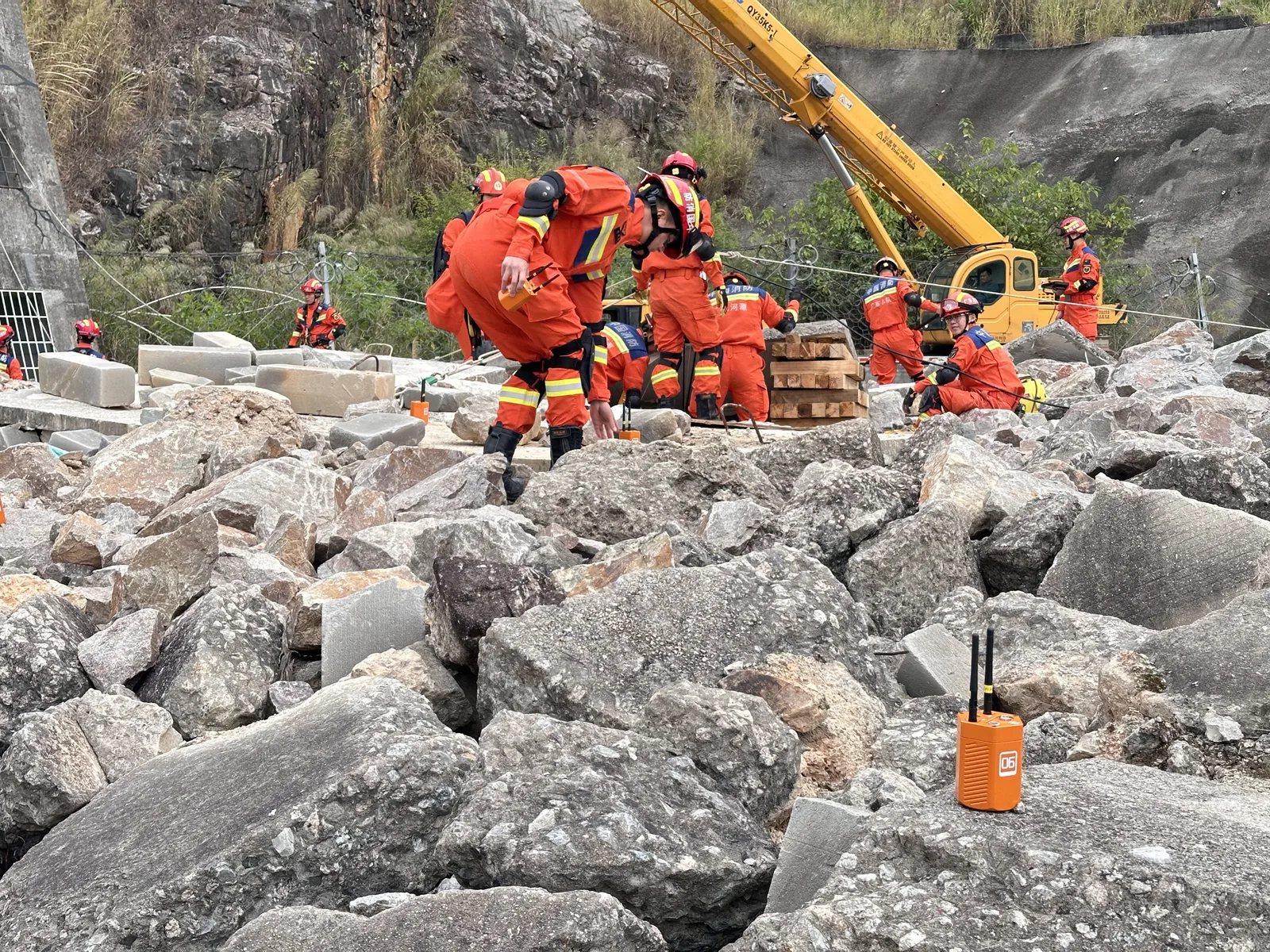
Suitable applications include earthquake response, building collapse, tunnel collapse, landslide and mine rescue. Sensor spacing and the number of sensors determine the area a team can cover in one deployment.

Earthquake RescueStructural CollapseTunnel and Mine Rescue
Fire rescue team deploying LSJ wireless microseismic sensors during collapsed structure training

CORE SPECIFICATIONS

Technical parameters for procurement review

0.1-5000 HzFrequency response
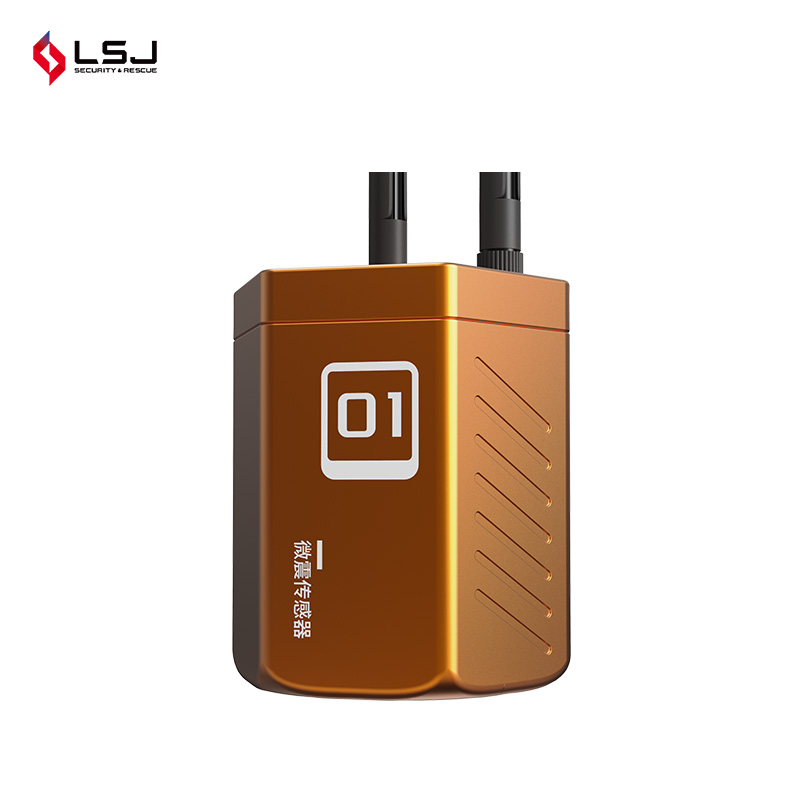
90 x 78.5 x 70 mmSensor dimensions
500 g or lessSensor weight
-40°C to 70°CStorage temperature
Wireless connection Wi-Fi, 150 m rated in open area
Sensor detection range 8 m radius under suitable site conditions
Operating time 10 h or more
Operating temperature -20°C to 60°C
Intercom cable 10 m

Actual results vary with medium, noise, obstructions, sensor contact and tapping strength. Confirm the factory model code and final configuration before purchase.

SYSTEM CONFIGURATION

Delivered as a field-ready rescue kit

Array microseismic life detector standard components arranged inside the rugged transport case

Typical configuration

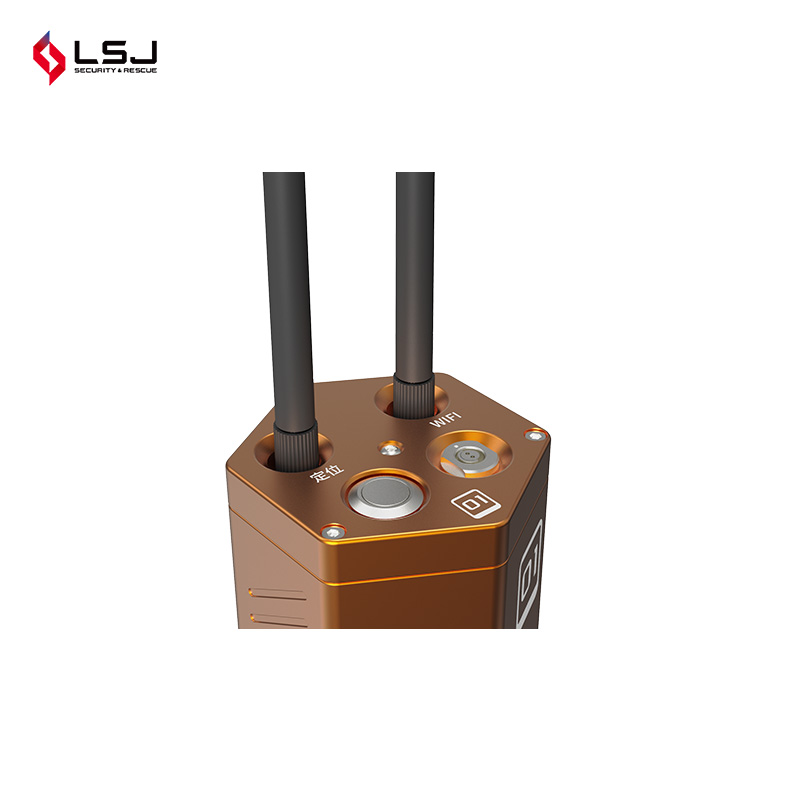
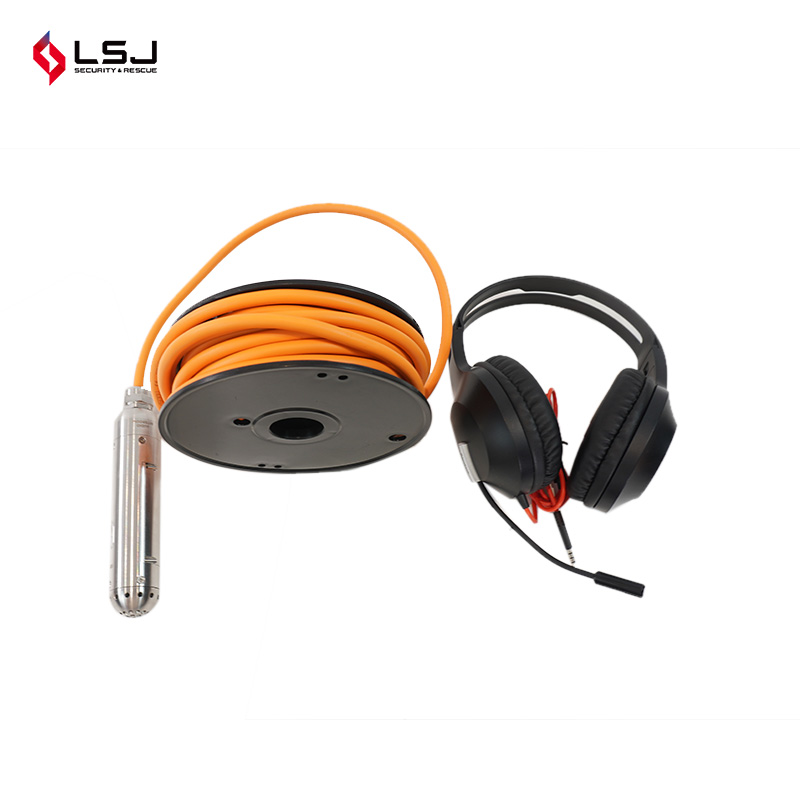
2-10 microseismic sensors, one 8-inch control terminal, one intercom probe, one 10 m cable with pickup, noise-reducing headset, antennas, magnetic bases, metal probes, chargers and protective case.

8-inch TerminalIntercom ProbeNoise-Reducing HeadsetProtective Case

Operating conditions and limitations

The detector cannot reliably identify an unconscious person who produces no active signal. Site noise, soft materials, loose soil and weak tapping can reduce performance.

For best results, establish a quiet search period, place sensors on rigid structural media, use metal probes when needed and combine the detector with other search methods such as canine, radar, thermal or visual inspection.

BUYER QUESTIONS

Frequently asked questions

Can the system detect an unconscious survivor?

Generally no. It relies on active tapping, scratching or another vibration signal from the trapped person.

Can operators filter rescue-site noise?

Yes. The terminal provides adjustable high- and low-frequency filtering. A quiet search period remains important.

Which materials transmit the clearest signal?

Large metal components usually transmit tapping effectively. Reinforced concrete, tile and timber can also carry signals. Soft materials tend to absorb vibration.

How many sensors can the system use?

The documented standard configuration supports 2-10 microseismic sensors. Confirm the ordered quantity and final accessory list with the supplier.

PROCUREMENT SUPPORT

Get the configuration matched to your rescue team

Include your required sensor quantity, destination country, application, training needs and delivery deadline. LSJ can then confirm the model code, accessory list, commercial terms and lead time.

Send an Inquiry

TECHNICAL DATA

Array Microseismic Life Detector Specifications

Component Parameter Specification
Microseismic Sensor Frequency response 0.1-5000 Hz
Connection Wireless Wi-Fi
Communication distance 150 m rated, open area
Detection range 8 m radius under suitable site conditions
Dimensions 90 x 78.5 x 70 mm
Weight 500 g or less
Ingress protection IP67
Operating time 10 h or more
Operating temperature -20°C to 60°C
Storage temperature -40°C to 70°C
Intercom Probe Connection Wireless Wi-Fi
Cable length 10 m
Probe body dimensions 100 x 78.5 x 70 mm
Pickup dimensions Diameter 32 mm x height 167 mm
Operating time 10 h or more

Detection and wireless performance vary with transmitting medium, signal strength, obstructions, site noise and sensor contact. Confirm the final configuration and factory model code before publication or procurement.

Get a Free Quote

Our representative will contact you soon.
Email
Name
Mobile
Company Name
Message
0/1000

Get a Free Quote

Our representative will contact you soon.
Email
Name
Mobile
Company Name
Message
0/1000

Get a Free Quote

Our representative will contact you soon.
Email
Name
Mobile
Company Name
Message
0/1000
Beijing LSJ Technology Development Co., Ltd.

Copyright © Beijing LSJ Technology Development Co., Ltd. All Rights Reserved  -  Privacy Policy