 EN

- Description

Is there a problem?
Please contact us to serve you!


Multi Thermal Imaging Camera MF500
- Description
- Parameter
- Recommended Products
Description
LSJ MF-500 Compound Firefighting Thermal Imaging Camera
The LSJ MF-500 (factory model HRYXBSZ-384-MF500) is a handheld, compound fire-service thermal imaging camera. In a single intrinsically safe body it combines a 384×288, 60 Hz thermal engine, a 5 MP visible-light camera, a four-gas detector, a nuclear (X/γ) radiation detector, AC voltage-leak detection, a weather meter, an 800 m laser rangefinder, Wi-Fi/4G transmission and two-way voice communication. It lets one firefighter locate the fire seat, search for survivors, check for gas, radiation and live electricity, and stream the scene to the command post — without carrying several separate instruments.
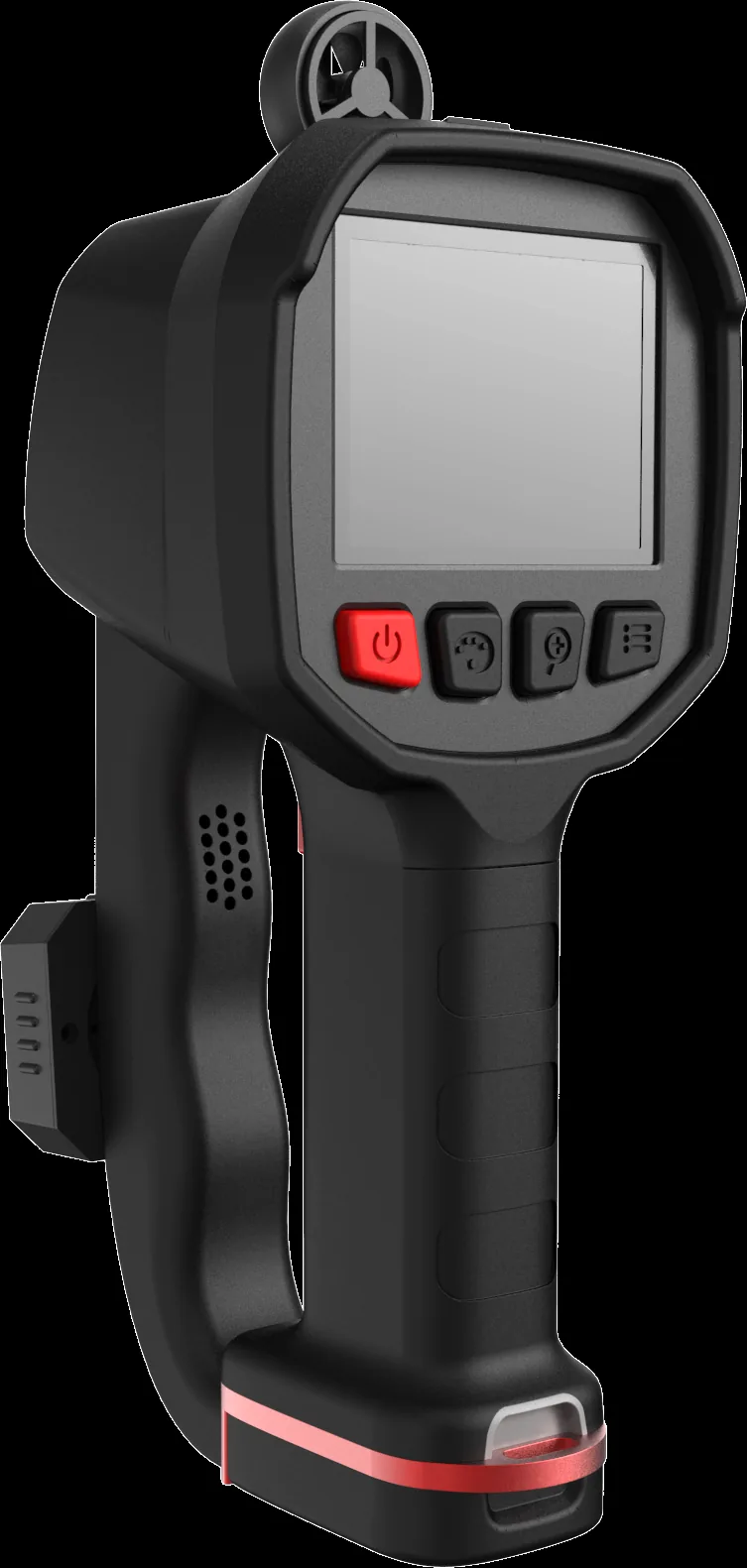
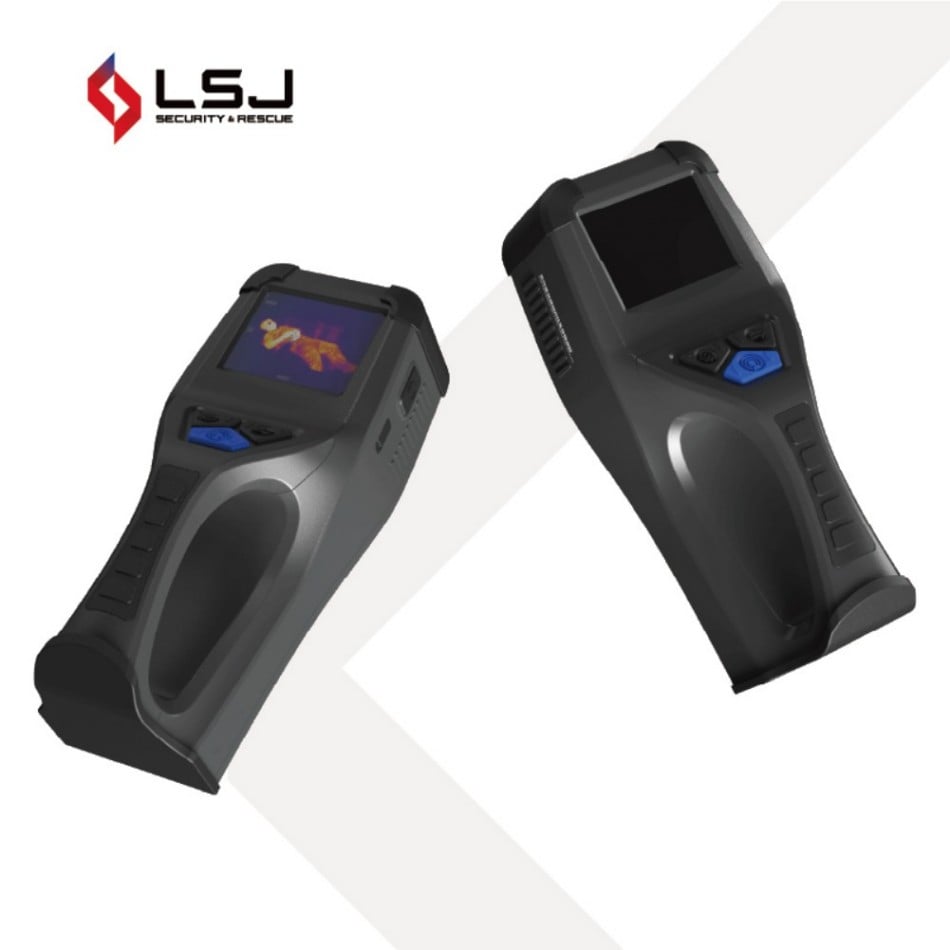
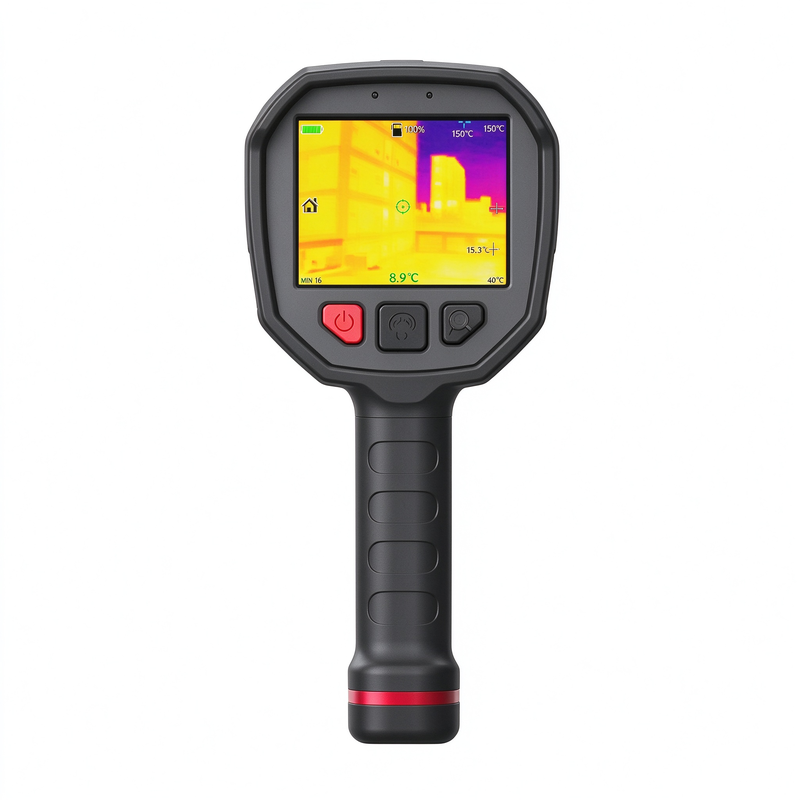
Figure: The LSJ MF-500 handheld compound fire-fighting thermal imager with 3.5-inch display, oversized keypad and top-mounted weather wind wheel.
It is built for municipal fire brigades, HazMat/CBRN teams, chemical and petrochemical plants, industrial fire teams, tunnel and underground operators, and urban search-and-rescue (USAR) units that need one rugged, multi-sensor camera for fire attack, life rescue, overhaul and post-incident investigation.
One Detachable Modular Platform for Every Mission
Fireground teams should not have to carry — and maintain — a separate thermal camera, four-gas meter, rangefinder and weather station. The MF-500 solves this with a detachable modular architecture: the main unit, an auxiliary secondary handle, a gas detector and a weather meter slide and lock together in seconds, so each crew configures only the sensors the incident requires. Detection modes switch with one key, and multiple sensors can run at the same time on a split screen.
- MF-500 main unit — thermal + visible imaging, laser, voltage-leak and radiation sensing, display and controls.
- Detachable secondary handle — locks under the body for a secure two-handed, gloved grip.
- Gas detector module — mounts on the rear of the handle for CO, CH₄, O₂ and H₂S.
- Weather meter — top wind wheel plus an optional wind-direction vane for on-scene meteorology.
Because modules are field-replaceable, routine service and repairs are faster and cheaper — there is no need to replace the whole instrument if one accessory is damaged, which lowers the total cost of ownership across a fleet.
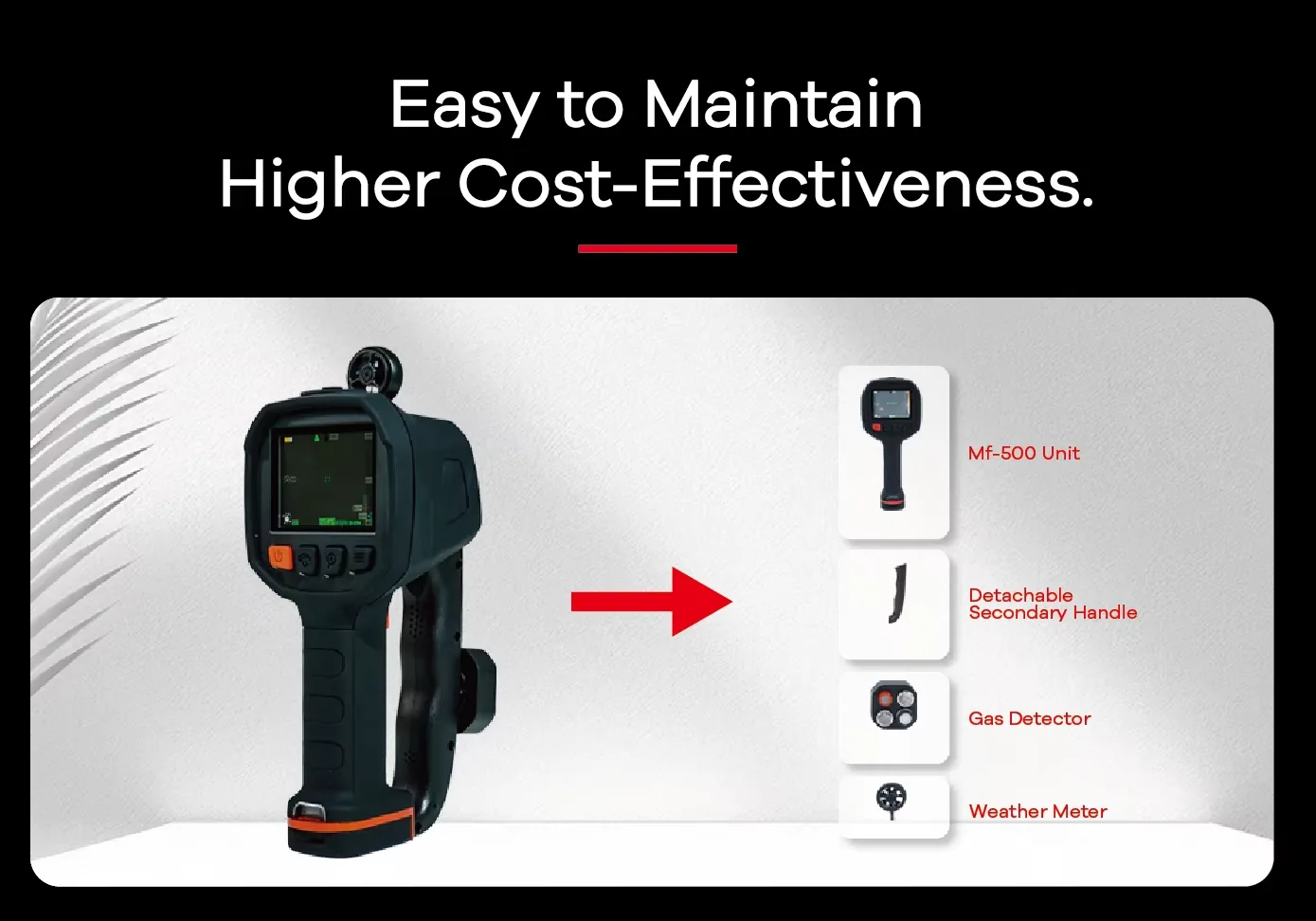
Figure: The MF-500 breaks down into the main unit, a detachable secondary handle, a gas detector and a weather meter — easy to carry, configure and maintain.
Clear Thermal Vision Through Smoke, Darkness and Heat
At the centre of the MF-500 is a 384×288 long-wave infrared detector (7.5–14 µm) with a 60 Hz frame rate and 30 mK (0.03 °C) thermal sensitivity. The fast refresh and high sensitivity preserve edges, silhouettes and detail in thick smoke and total darkness, while the −40 °C to 1200 °C measurement range covers both cold victims and fully involved fire. The camera displays the centre, maximum and minimum temperatures at once, and an automatic hottest-/coldest-spot tracker helps crews follow heat spread and find the seat of the fire. A 2×/4× digital zoom and an auto-brightness 3.5-inch, 640×480 TFT display keep the picture readable in any light.
Operation is deliberately simple under stress: oversized, widely spaced keys give a low mis-touch rate and are operated with structural firefighting gloves, and a short press cycles the imaging mode.
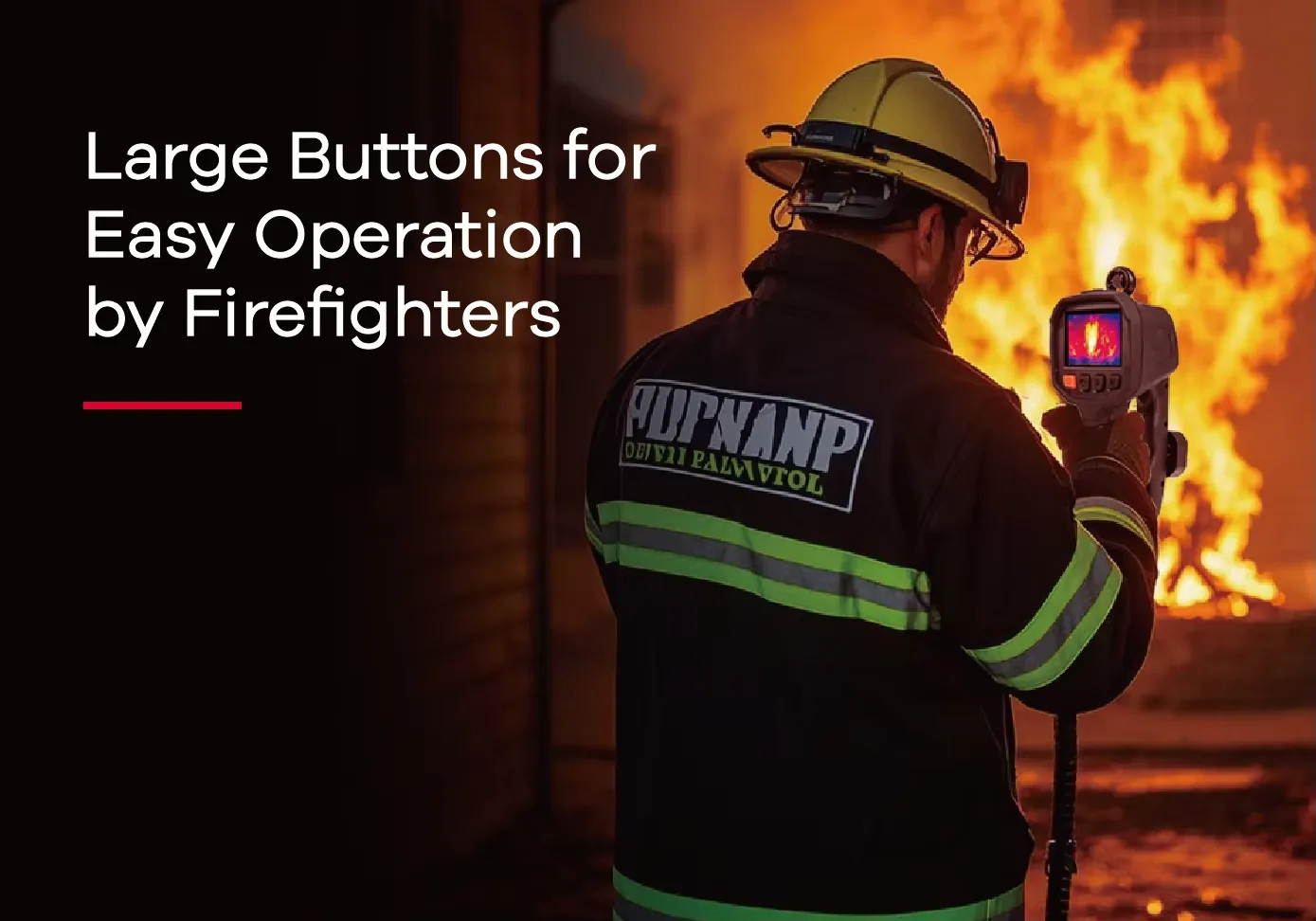
Figure: A firefighter reads the live thermal picture through smoke; the large raised keys are designed for gloved, one-handed operation.
Ten one-touch imaging modes match each phase of an incident, with Fusion and Picture-in-Picture composite views on top:
Detect Gas, Nuclear Radiation and Live Electrical Hazards
Four-gas detection for toxic and combustible atmospheres
The detachable gas module continuously measures carbon monoxide (CO), methane (CH₄), oxygen (O₂) and hydrogen sulfide (H₂S). Thresholds are user-configurable; when a reading exceeds the limit the gas label turns red and the camera raises a voice alarm, so a crew can confirm a flammable or oxygen-deficient atmosphere before entry.
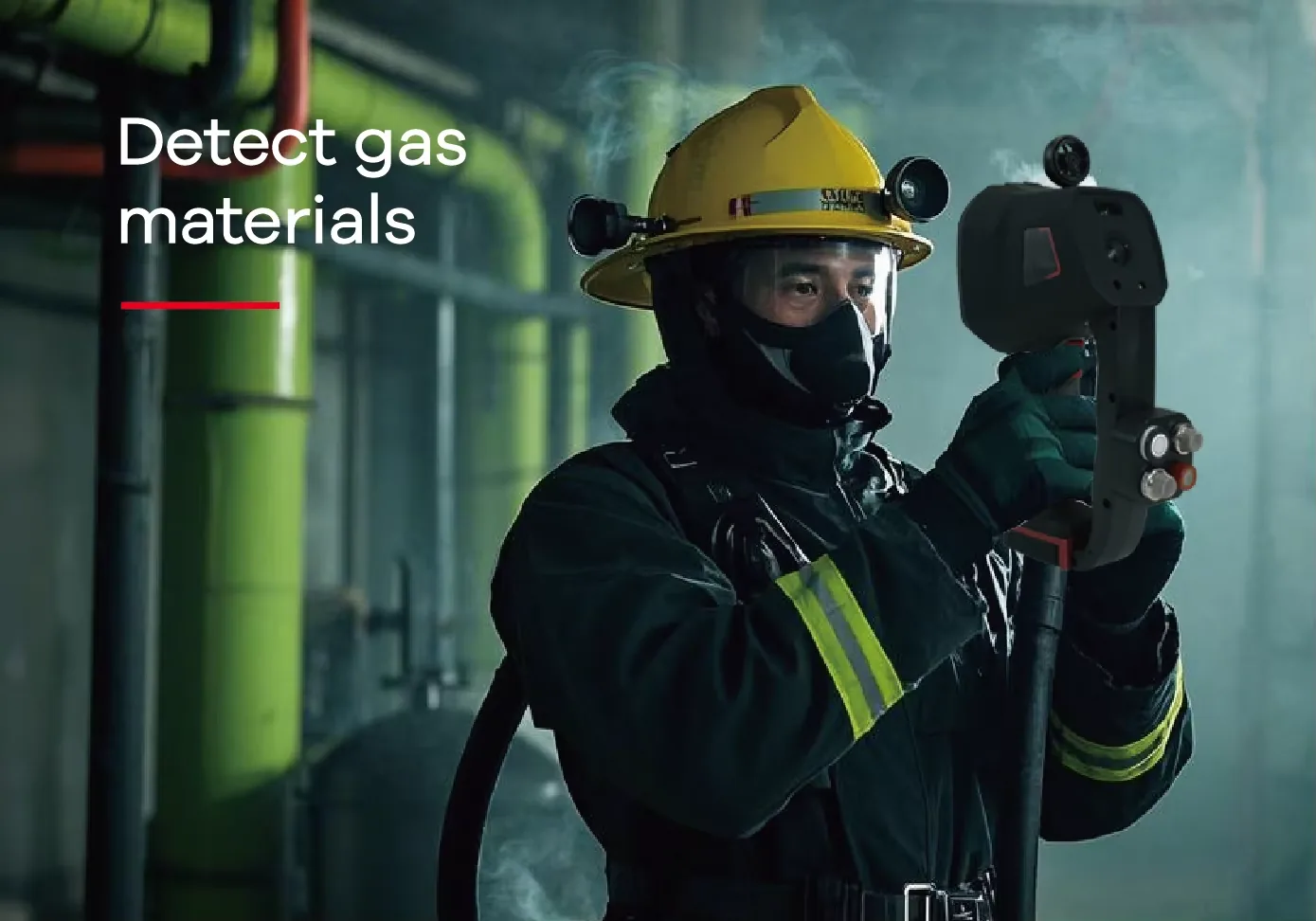
Figure: The gas module mounted on the handle lets a firefighter check CO, methane, oxygen and hydrogen sulfide during an industrial/HazMat entry.
Built-in nuclear radiation detection
For CBRN and radiological incidents the MF-500 integrates an X-ray and γ-ray detector covering a dose rate of 0.01–100 µSv/h, with a live on-screen readout and two-level over-limit alarms. Teams get early radiological warning from the same camera they already use for navigation — no separate dosimeter search is needed.
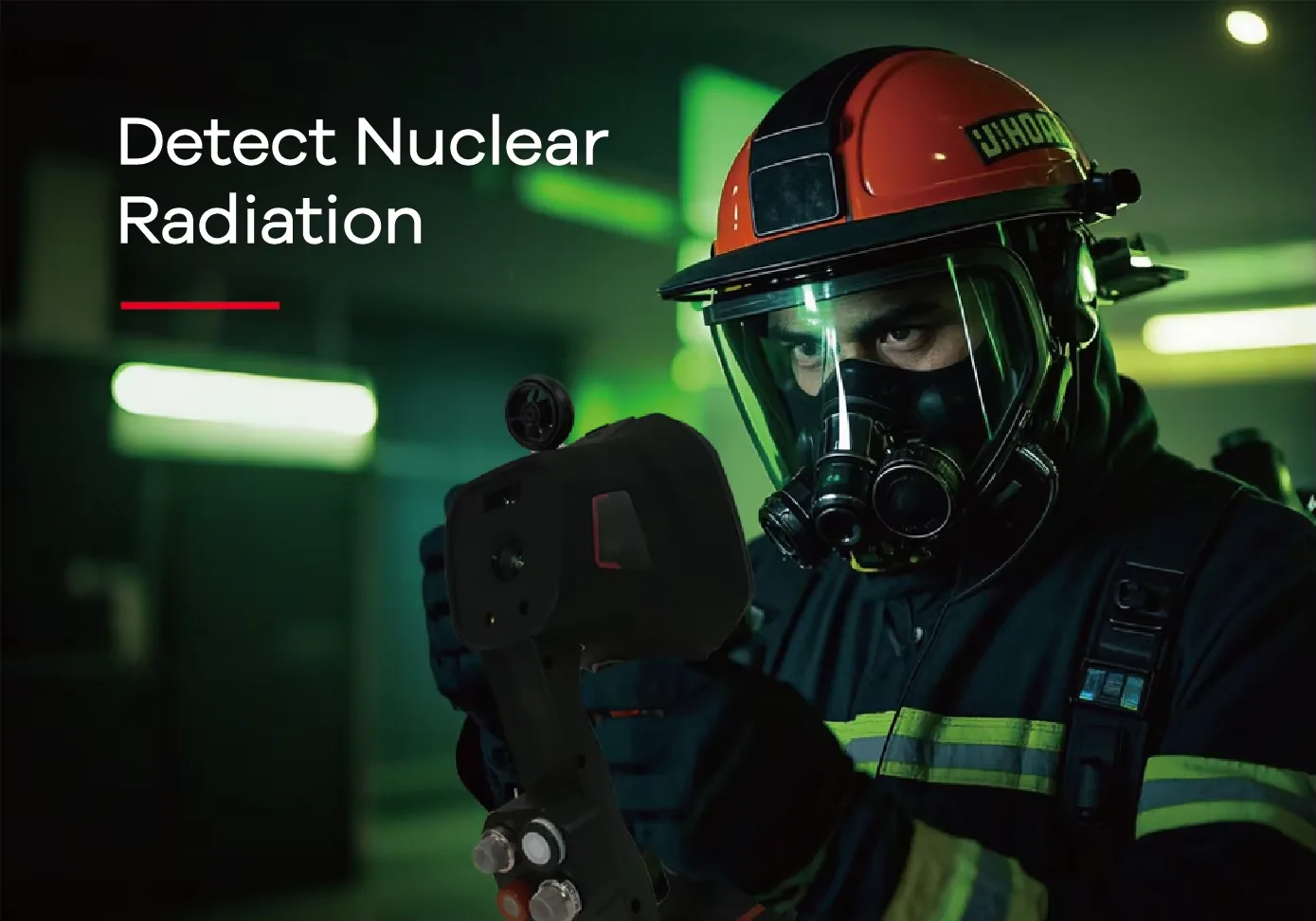
Figure: During a HazMat/CBRN response the MF-500 reads X/γ radiation dose rate and alarms above two configurable thresholds.
Non-contact voltage-leak and electrical hot-spot detection
Before touching flood-damaged or burned-out equipment, the camera senses AC voltage leakage at 110 V and above (50/60 Hz) with adaptive high/low sensitivity and an on-screen and voice alarm. The thermal image simultaneously pinpoints overheating busbars, terminals and cabinets, supporting electrical inspection and fire-cause investigation.
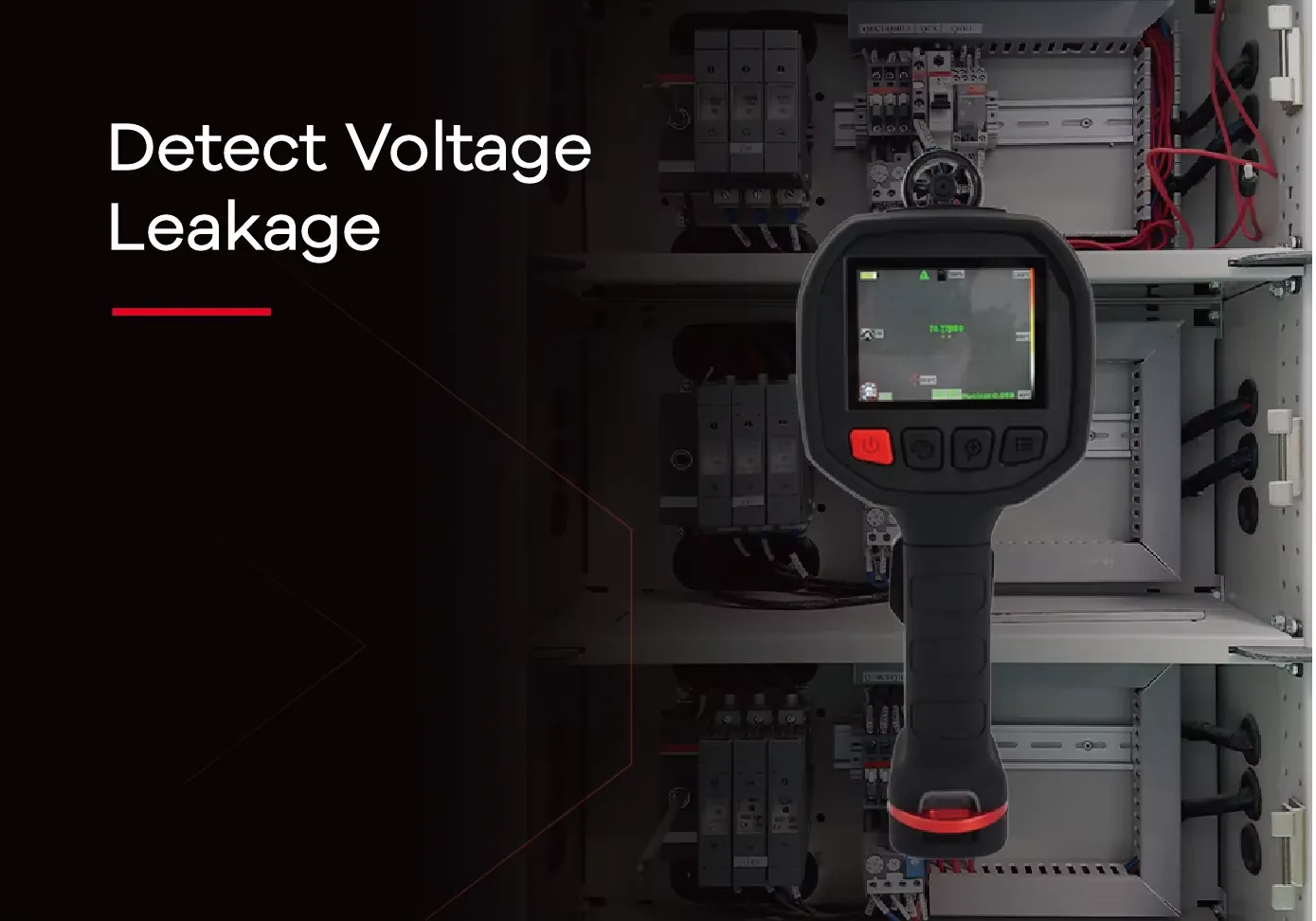
Figure: The MF-500 checks an energized distribution cabinet for live voltage leakage and abnormal thermal hot spots.
On-Scene Weather Readings and 800 m Laser Ranging
Integrated weather meter
A top-mounted wind wheel (with an optional wind-direction vane) turns the camera into a pocket weather station, displaying wind speed, wind direction, ambient temperature, humidity and barometric pressure with switchable units. The data drives safer tactics for wildland and chemical incidents, where wind shift can suddenly spread fire or vapour.
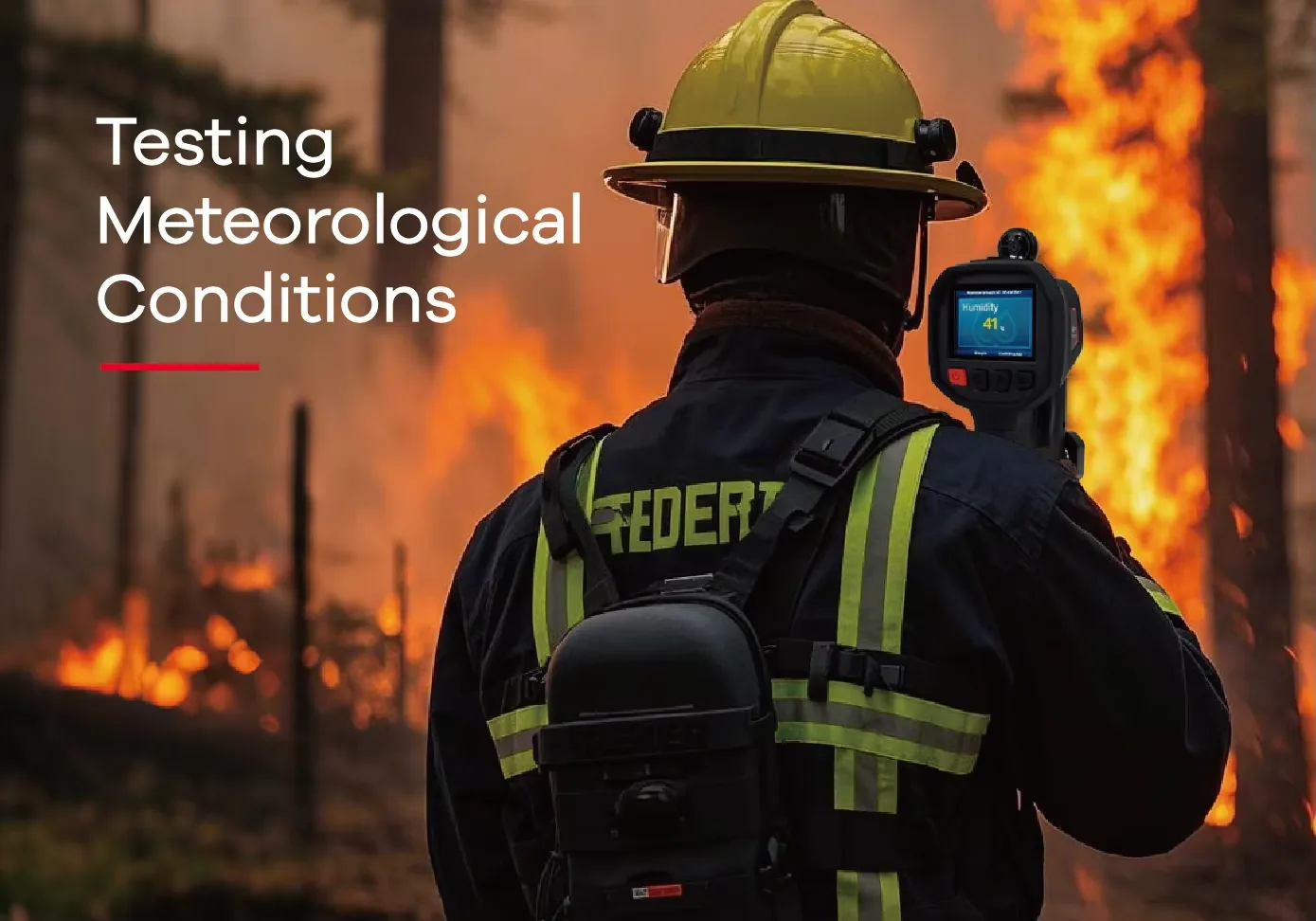
Figure: At a wildfire the MF-500 displays live humidity and other meteorological readings for situational awareness.
Laser pointer and 800 m rangefinder
A visible laser pointer marks hazards and directs attention to hard-to-reach areas, while the integrated laser rangefinder measures distance out to 800 m and shows the value on screen — useful for sizing up a scene, positioning apparatus and keeping a safe stand-off distance.
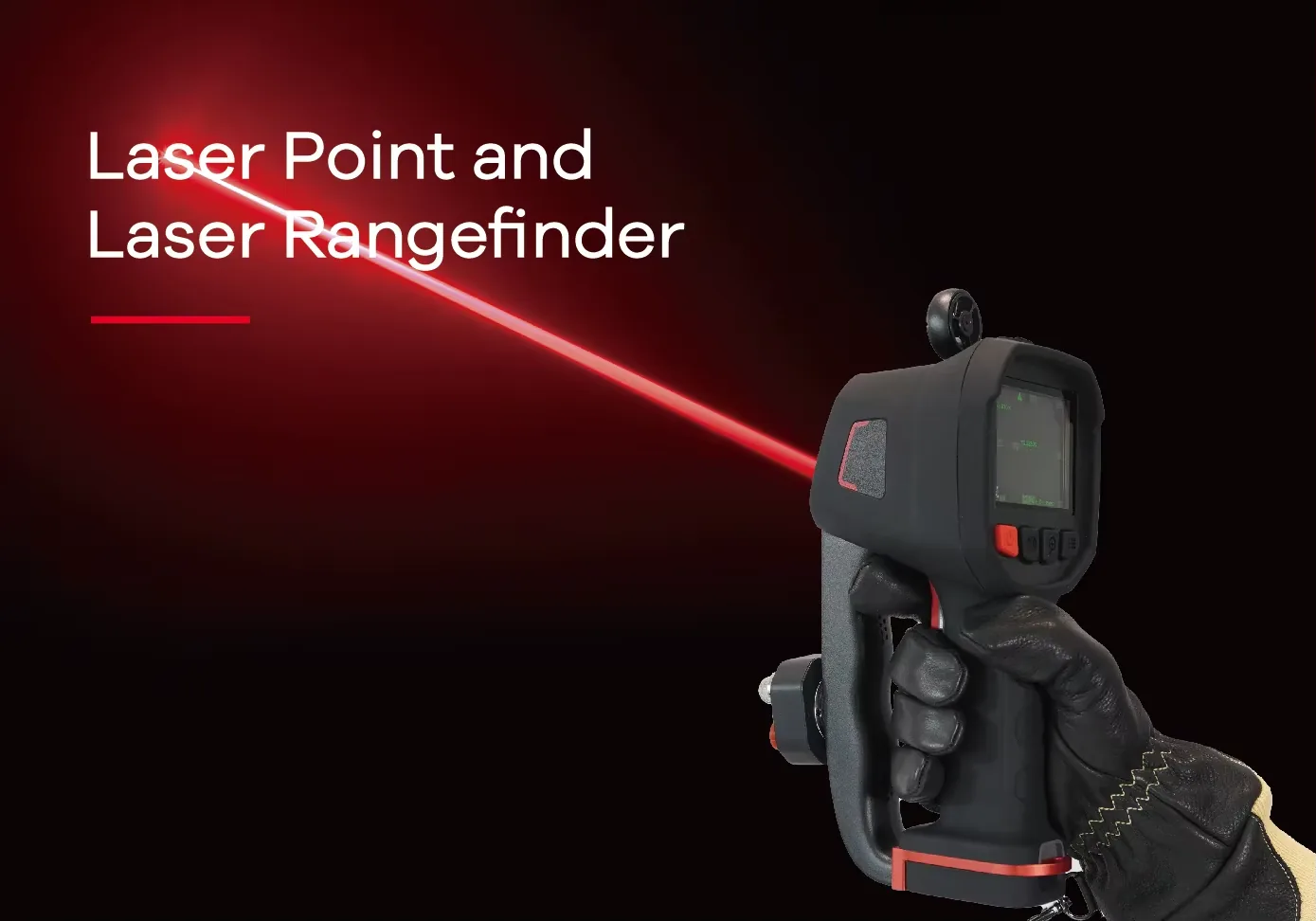
Figure: The gloved MF-500 projects a laser marker and ranges targets up to 800 m.
Real-Time Data and Voice to the Command Post
Wi-Fi, 4G and satellite positioning
The MF-500 transmits live readings and imagery over Wi-Fi or 4G all-network (SIM), while a built-in satellite receiver and electronic compass report its exact location and heading. A remote command-management system on PC and mobile shows device position, online status, detection data, working state and battery, supports multi-device grouping on one map for shared situational awareness, and pushes maintenance reminders and service records across the equipment lifecycle. Photos and video are also recorded locally to SD card and can be reviewed or deleted on the device without a computer.
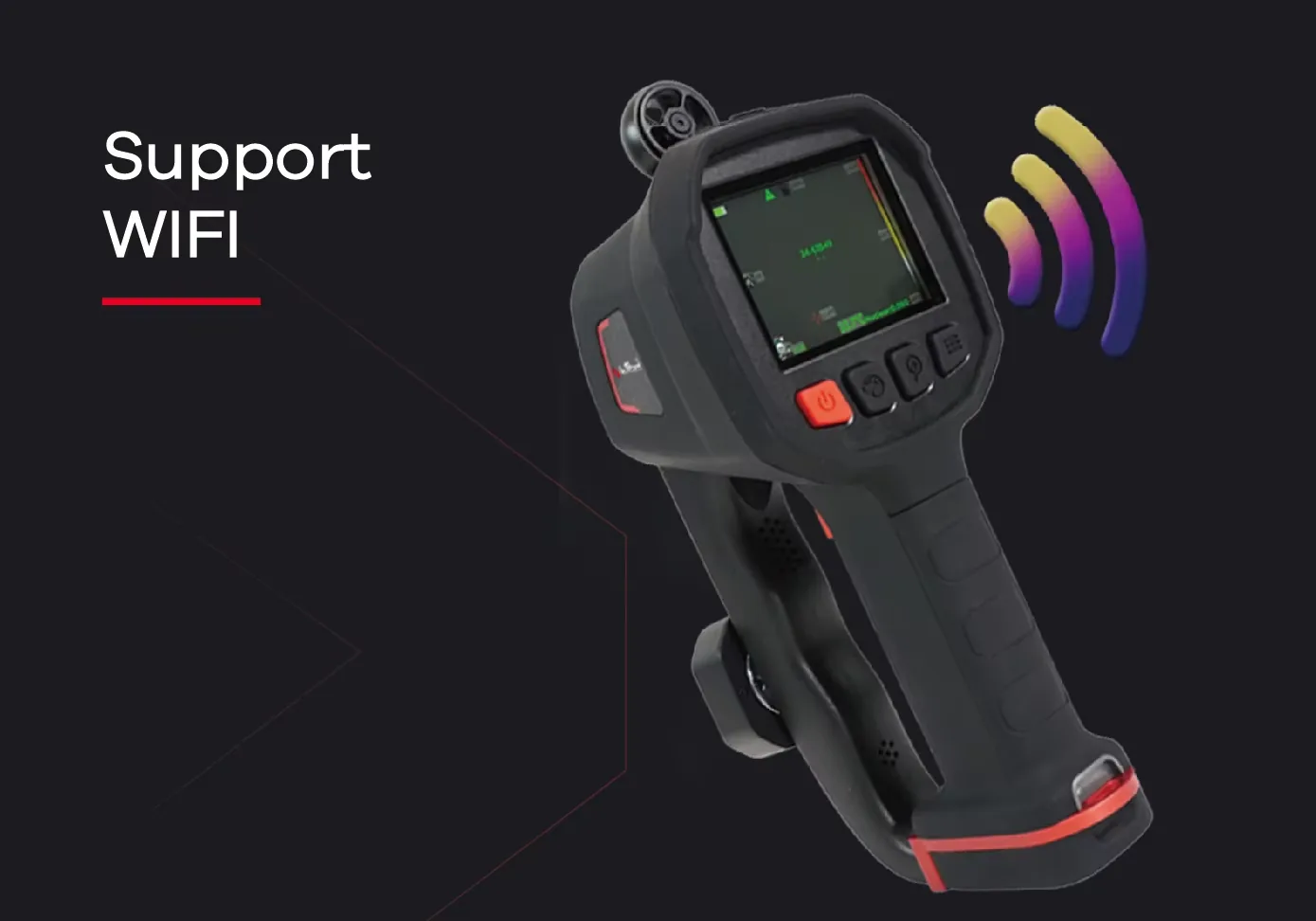
Figure: Wi-Fi and 4G link the MF-500 to the rear command center for live thermal data, gas/radiation readings and GPS position.
Two-way remote voice communication
A built-in speaker and microphone support two-way voice intercom with the command terminal, plus voice broadcast of alarms and on-board recording. Inside a noisy, smoke-filled structure, crews can talk directly to command without switching to a separate radio workflow.
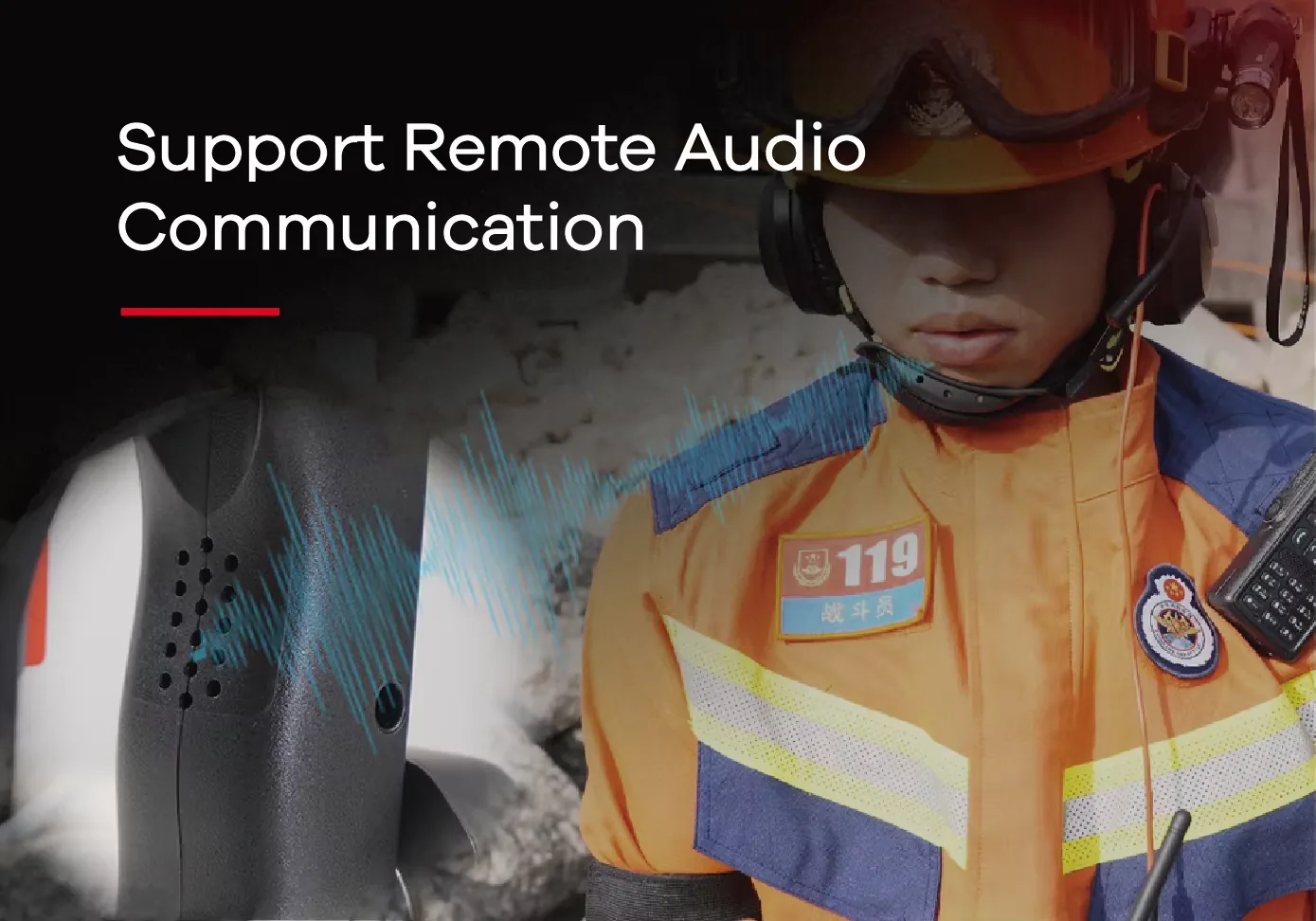
Figure: The integrated speaker and microphone enable two-way intercom and voice alarms between the crew and command.
Built for Fireground Heat, Water and Impact
The housing is engineered to survive the conditions it is sent into: the main unit is rated IP67 against water and dust, withstands a 1 m drop, and carries intrinsic-safety marking Ex ib IIC T4 Gb. It keeps operating through short high-heat exposure of 80 °C/30 min, 120 °C/10 min and 260 °C/5 min, works from −20 °C to 60 °C, and is powered by two swappable Li-ion packs at about 5 hours each for up to 10 hours of continuous readiness. The camera is designed to the Chinese fire-service standard XF/T 635-2023 Thermal Imager for Fire Services, and its operating software holds a registered computer software copyright, with a built-in training and examination module and on-device manual.
LSJ fire-service thermal imagers have supported real emergency rescue operations, including the deployments listed in the manufacturer’s official case records.
Where the LSJ MF-500 Is Used
One compound camera covers the full range of fire and rescue environments:
- Fire & firefighting — locate the fire seat, track spread and check for re-ignition and residual hot spots.
- Search & rescue / USAR — find people in smoke, darkness, rubble and water.
- Chemical plants & HazMat — gas, oxygen and radiation monitoring around tanks, pipes and leaks.
- Landslip & mudslide, tunnel & underground, and collapsed structures — navigation and victim location where visibility and GPS sky-view are limited.
- Electrical & industrial inspection — voltage-leak safety and overheating equipment checks, plus fire-cause investigation.
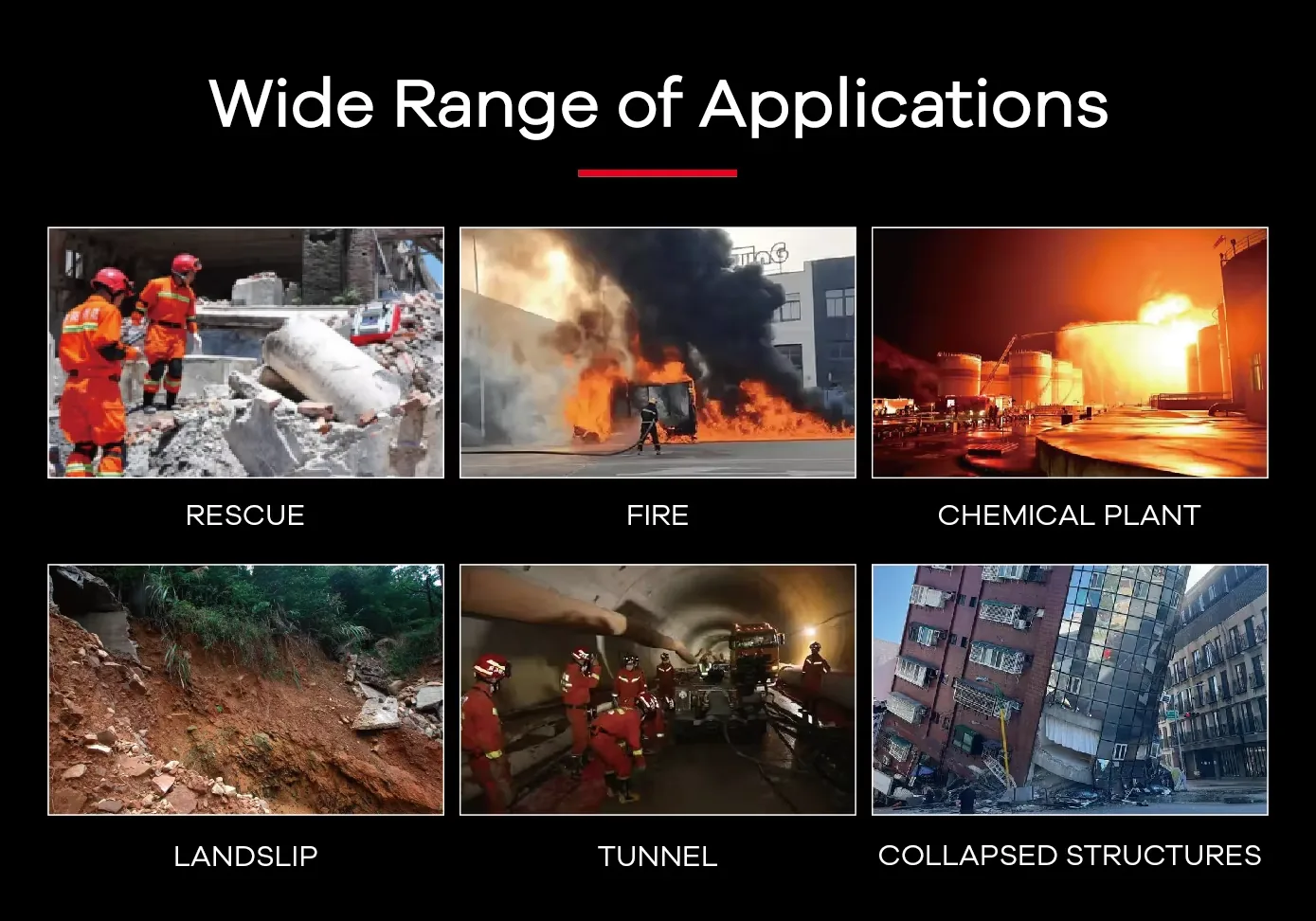
Figure: MF-500 application scenarios — rescue, structural fire, chemical plant, landslip, tunnel and collapsed-structure incidents.
Frequently Asked Questions About the LSJ MF-500
Q: What is a compound firefighting thermal imaging camera?
A: It is a fire-service thermal imager that integrates several rescue instruments in one handheld device. The LSJ MF-500 combines thermal and visible imaging, four-gas detection, nuclear radiation detection, voltage-leak detection, a weather meter, laser pointing/rangefinding, wireless transmission and two-way voice, so one unit replaces several separate meters.
Q: What thermal resolution, frame rate and temperature range does the MF-500 provide?
A: It uses a 384×288 long-wave infrared detector (7.5–14 µm) at 60 Hz with 30 mK thermal sensitivity, and measures surface temperatures from −40 °C to 1200 °C (±5 °C or ±5% of reading). The 3.5-inch display is 640×480 with automatic brightness.
Q: Which gases and radiation can it detect?
A: The detachable gas module measures carbon monoxide (CO), methane (CH₄), oxygen (O₂) and hydrogen sulfide (H₂S) with configurable threshold and voice alarms. The built-in radiation module detects X-rays and γ-rays across 0.01–100 µSv/h with two-level alarms, and a separate function warns of AC voltage leakage at 110 V and above.
Q: How does it connect to the command center?
A: Over Wi-Fi or 4G (with a SIM card), the MF-500 streams live imagery and gas, radiation, voltage, weather and location data to a PC- and mobile-based command platform. Satellite positioning and an electronic compass report position and heading, and the integrated speaker and microphone provide two-way voice intercom with command.
Q: Is it waterproof, explosion-proof and heat resistant?
A: Yes. The main unit is IP67 waterproof and dustproof, carries intrinsic-safety marking Ex ib IIC T4 Gb, survives a 1 m drop, and is rated for short exposure of 80 °C/30 min, 120 °C/10 min and 260 °C/5 min. It operates from −20 °C to 60 °C and is designed to standard XF/T 635-2023.
Q: Can the gas and weather modules be added later?
A: Yes. The gas detector, secondary handle and weather meter are detachable, slide-and-lock accessories, so a base MF-500 can be configured now and expanded as mission needs change. The wind-direction vane is an optional accessory; the gas sensor initialises within about 15 seconds after it is switched on.
Q: How long does the battery last, and can it be swapped on scene?
A: The MF-500 ships with two removable Li-ion battery packs, each providing about 5 hours of use for up to 10 hours total. Packs are changed in the field without tools and recharge in about 4 hours on the dock charger, with the remaining charge shown on screen.
Q: Can it be operated with heavy firefighting gloves?
A: Yes. It uses a small set of oversized, widely spaced buttons with a low mis-touch rate, a one-key mode cycle and 2×/4× zoom, all designed for gloved, one-handed operation in smoke and darkness.
LSJ MF-500 Technical Specifications
Model HRYXBSZ-384-MF500 · Compound Fire-Fighting Thermal Imaging Camera. All values are taken from the factory specification sheet and user manual.
Need a configuration that fits your fire service, HazMat team or industrial brigade? Send an inquiry for the datasheet, MOQ, lead time and optional weather-vane / gas-module accessories.