
All Categories
Array Seismic Life Detector

Home /  Products /  Urban Search and Rescue /  Array Seismic Life Detector

Array Seismic Life Detector CRMB-RAD

LSJ RESCUE SEARCH EQUIPMENT

Array Microseismic Life Detector

A wireless sensor array for detecting active tapping and vibration signals transmitted through rubble, concrete, steel and other solid rescue-site media.

01Compare vibration intensity from every connected sensor on one 8-inch control terminal.
02Adjust high- and low-frequency filtering to reduce non-target mechanical noise.
03Use relative sensor positioning and two-way voice communication to support rescue decisions.
Factory ConfigurationTechnical TrainingRugged Transport Case
Request Configuration and Quotation
  • Description
  • Parameter
  • Recommended Products

Description

Core Capabilities

Wireless Microseismic Search Under Rubble

The CRMB-RAD is a multi-sensor wireless acoustic and seismic life detection array engineered for urban search and rescue (USAR). It captures micro-vibrations and active tapping signals propagating through collapsed concrete, steel beams, and structural debris, accelerating victim localization while digitally filtering environmental noise.

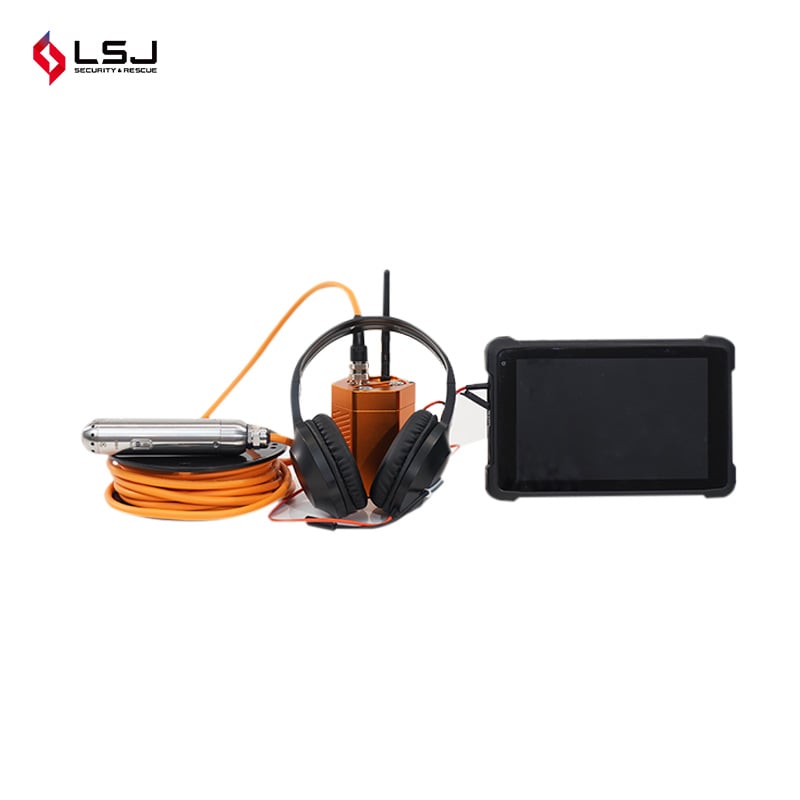
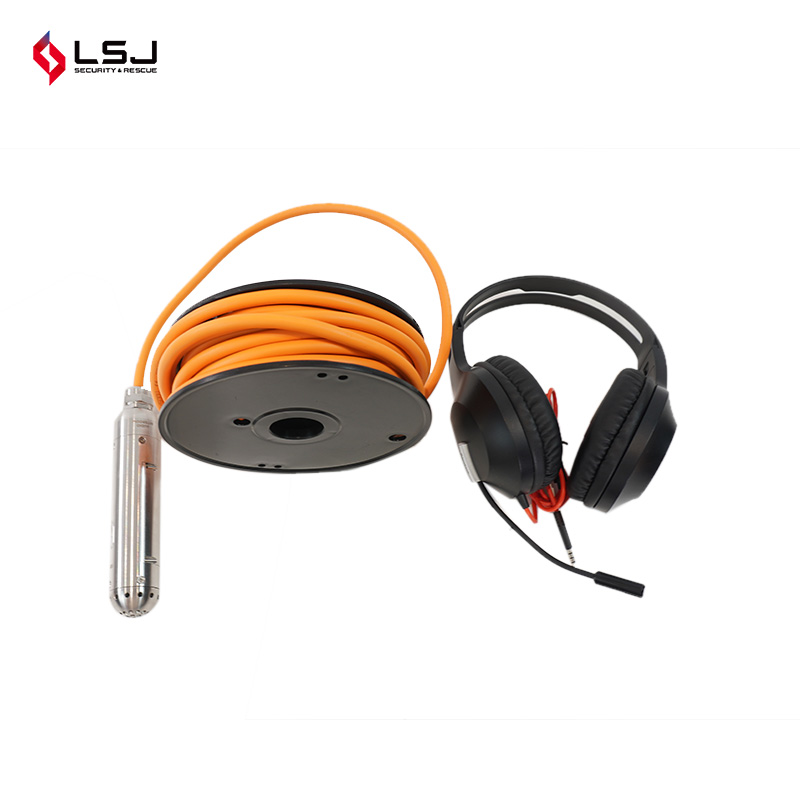
CRMB-RAD wireless sensor array kit with 10 probes, control terminal, acoustic listening probe, and headphones
CAPABILITY 01

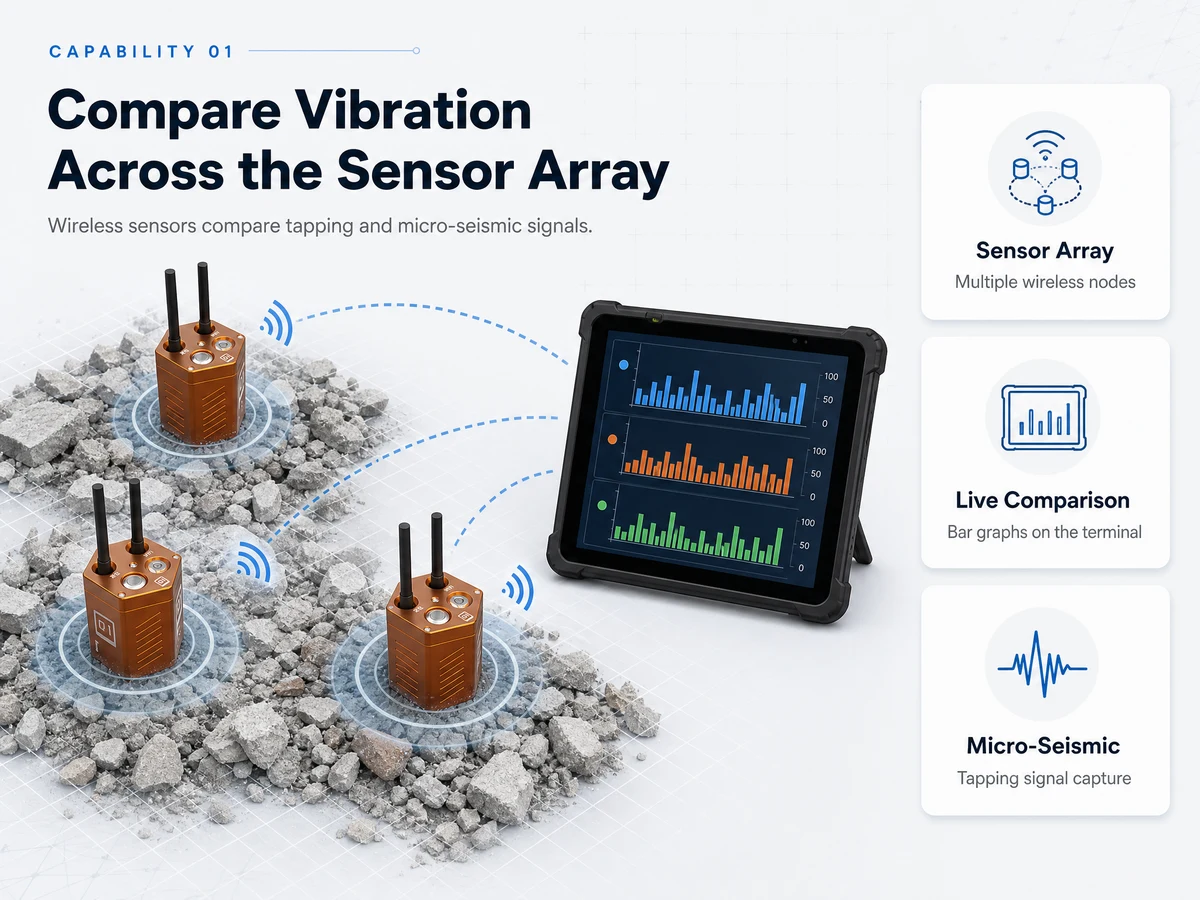
Compare Vibration Across the Sensor Array

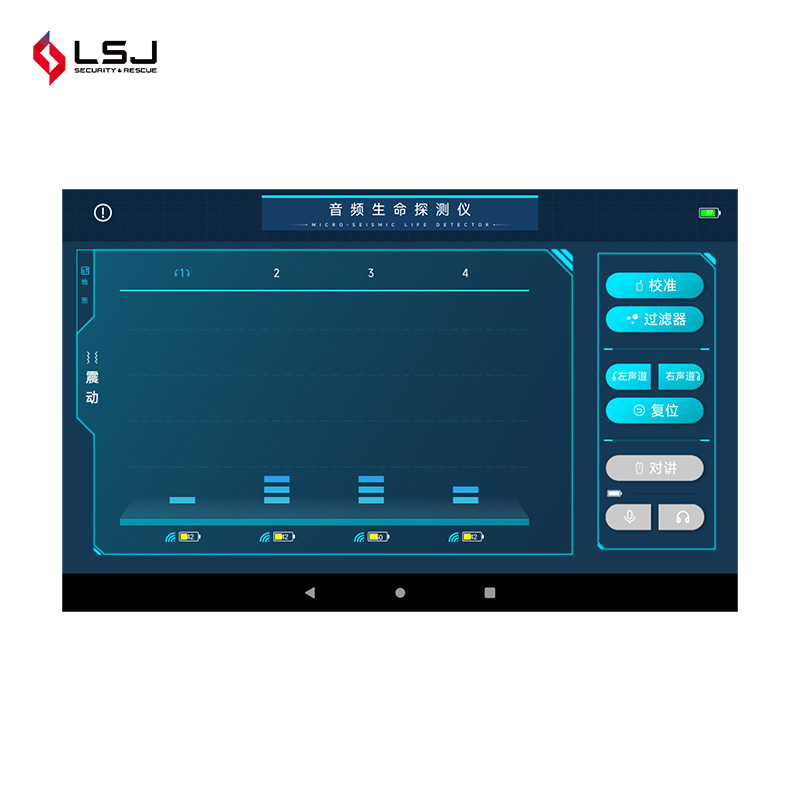
Multiple wireless sensors continuously capture and compare active vibration and micro-seismic tapping signals across a search zone. Live signal bar graphs on the central terminal allow operators to identify the sensor closest to the victim instantly.

  • Supports 2 to 10 wireless sensors connected simultaneously to one central terminal
  • Up to 8 m detection radius per sensor under suitable structural media conditions
  • Multi-channel comparative analysis narrows the survivor location efficiently
CAPABILITY 02

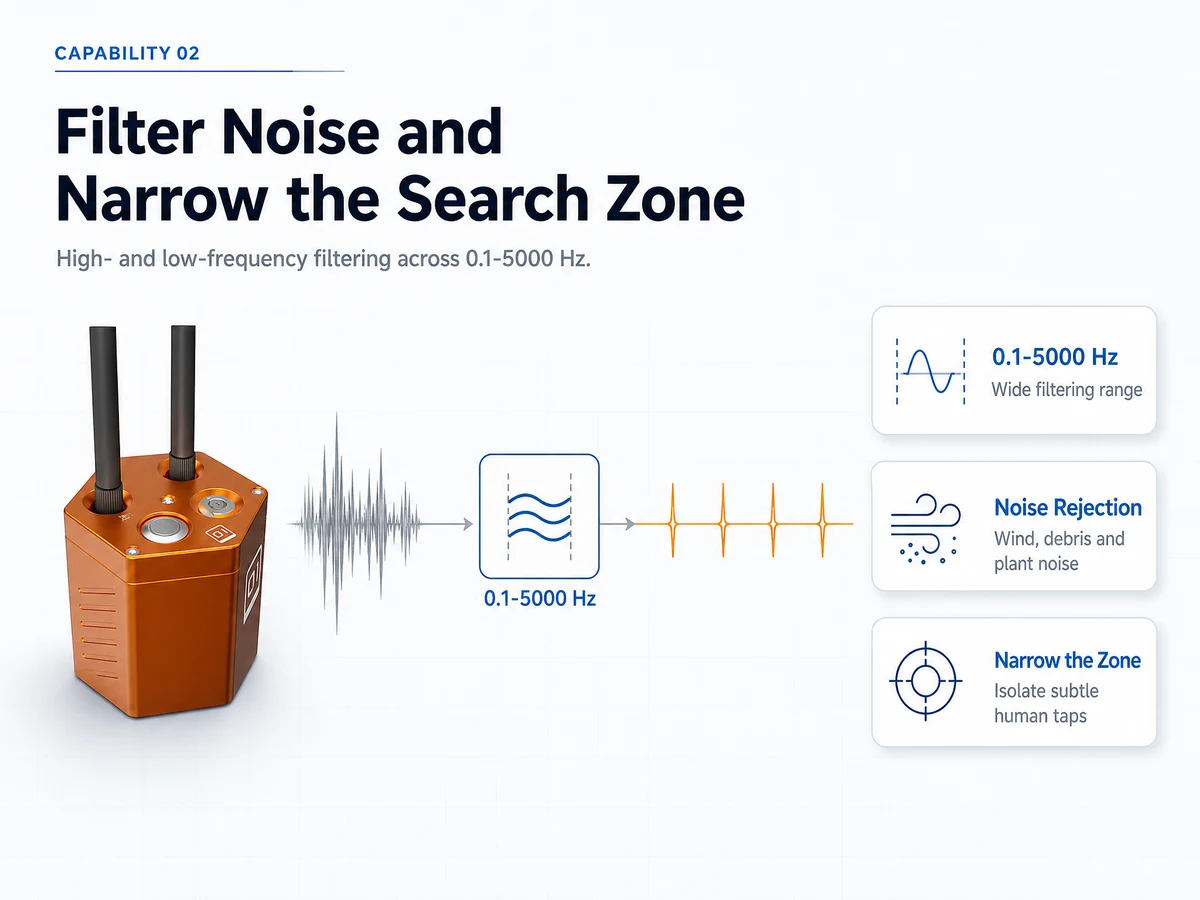
Filter Noise and Narrow the Search Zone

Disaster sites present extreme acoustic interference from wind, settling debris, and emergency plant. The CRMB-RAD terminal provides precise high- and low-frequency filtering across 0.1–5000 Hz to isolate subtle human tapping, scratching, and vocal vibrations from ambient background noise.

  • Broad 0.1–5000 Hz sensor frequency response range
  • Adjustable high-pass and low-pass digital filters eliminate machinery and traffic noise
  • Independent channel level calibration and sensitivity adjustments
CRMB-RAD rugged Android control terminal displaying multi-channel vibration levels and filter parameters
CRMB-RAD wireless sensor probes, cable reel listening probe, and 8-inch terminal in operation
CAPABILITY 03

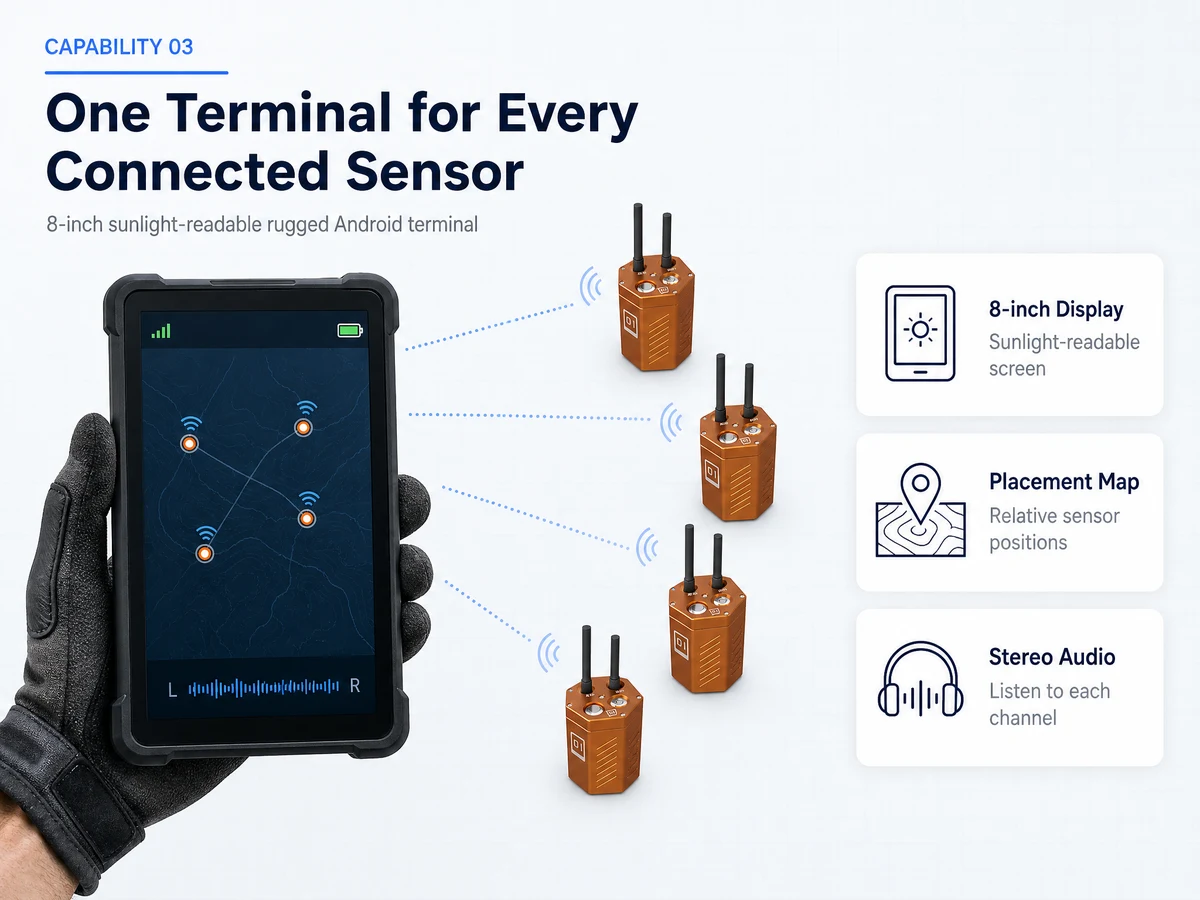
One Terminal for Every Connected Sensor

The dedicated 8-inch rugged Android terminal provides real-time signal strength, battery status, relative sensor placement maps, and stereo audio channels on a sunlight-readable display, keeping the entire search operation intuitive and unified.

  • 8-inch high-brightness rugged terminal for one-handed operation in heavy gloves
  • Real-time relative sensor positioning and signal intensity visualization
  • Left/right channel stereo audio switching for binaural acoustic verification
CAPABILITY 04

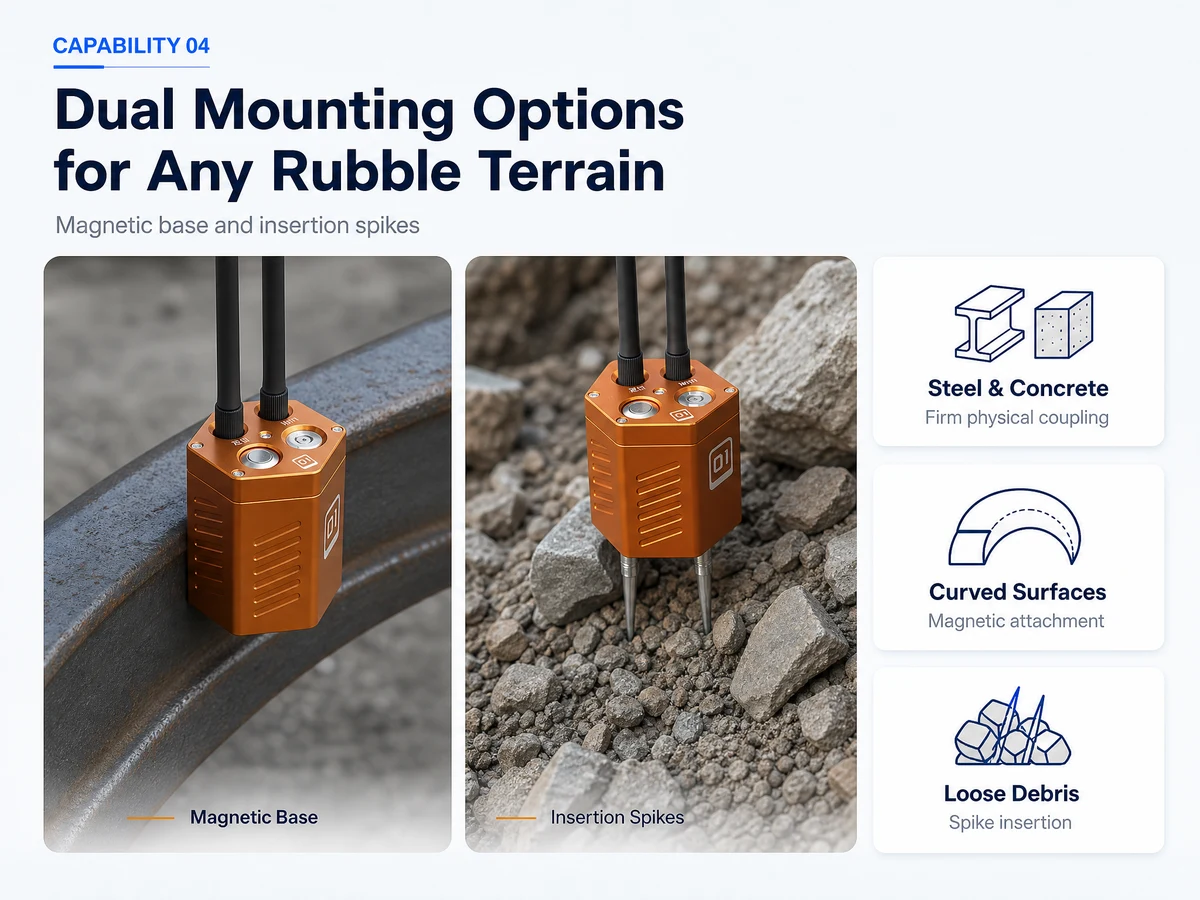
Dual Mounting Options for Any Rubble Terrain

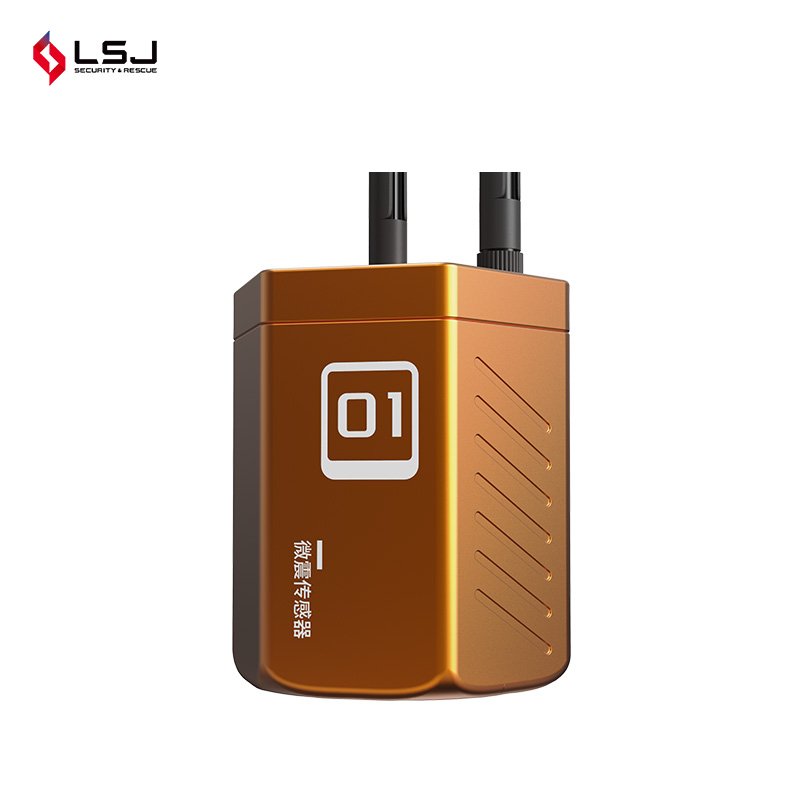
Each hexagonal sensor probe is built for extreme disaster sites. Equipped with both high-strength magnetic bases and sharp metal insertion spikes, sensors achieve firm physical coupling on curved steel beams, smooth concrete slabs, or loose soil and rubble.

  • Magnetic base securely mounts to steel pipes, beams, and metal structures
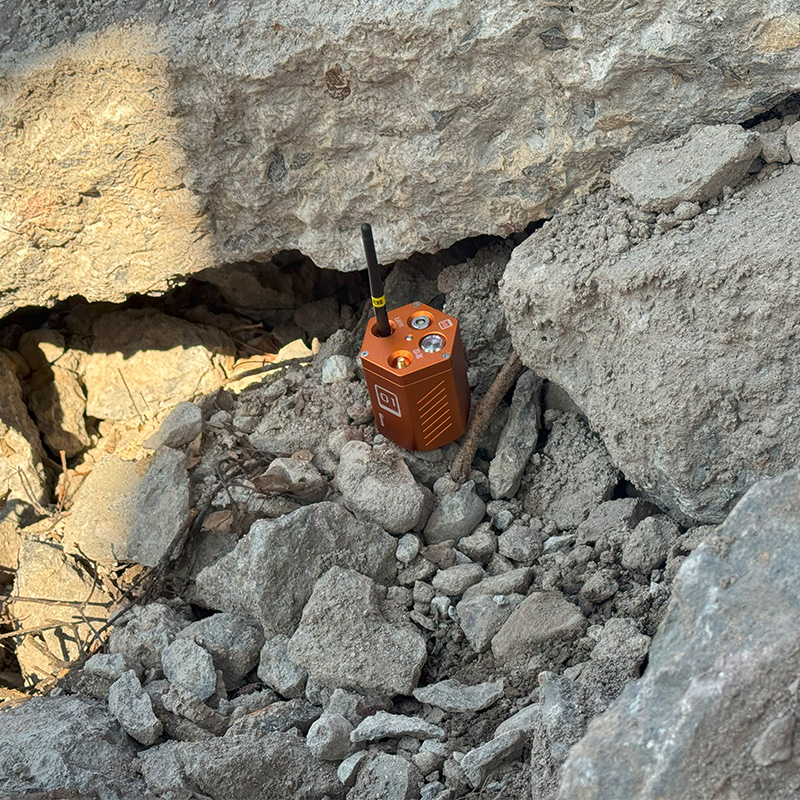
  • Hardened metal spike pushes directly into soil, gravel, and rubble fissures
  • IP67 dust and waterproof enclosure with −20°C to +60°C operating range
CRMB-RAD sensor probe mounted via magnetic base to pipe and metal spike into rubble
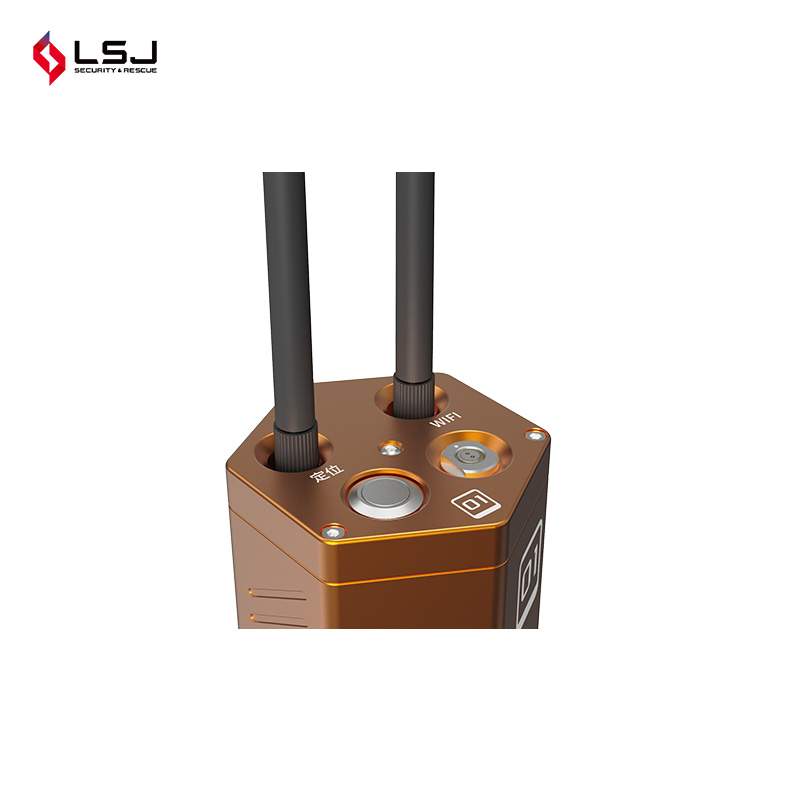
Hexagonal prism sensor probe with antenna connection and compact handheld ergonomics
CAPABILITY 05

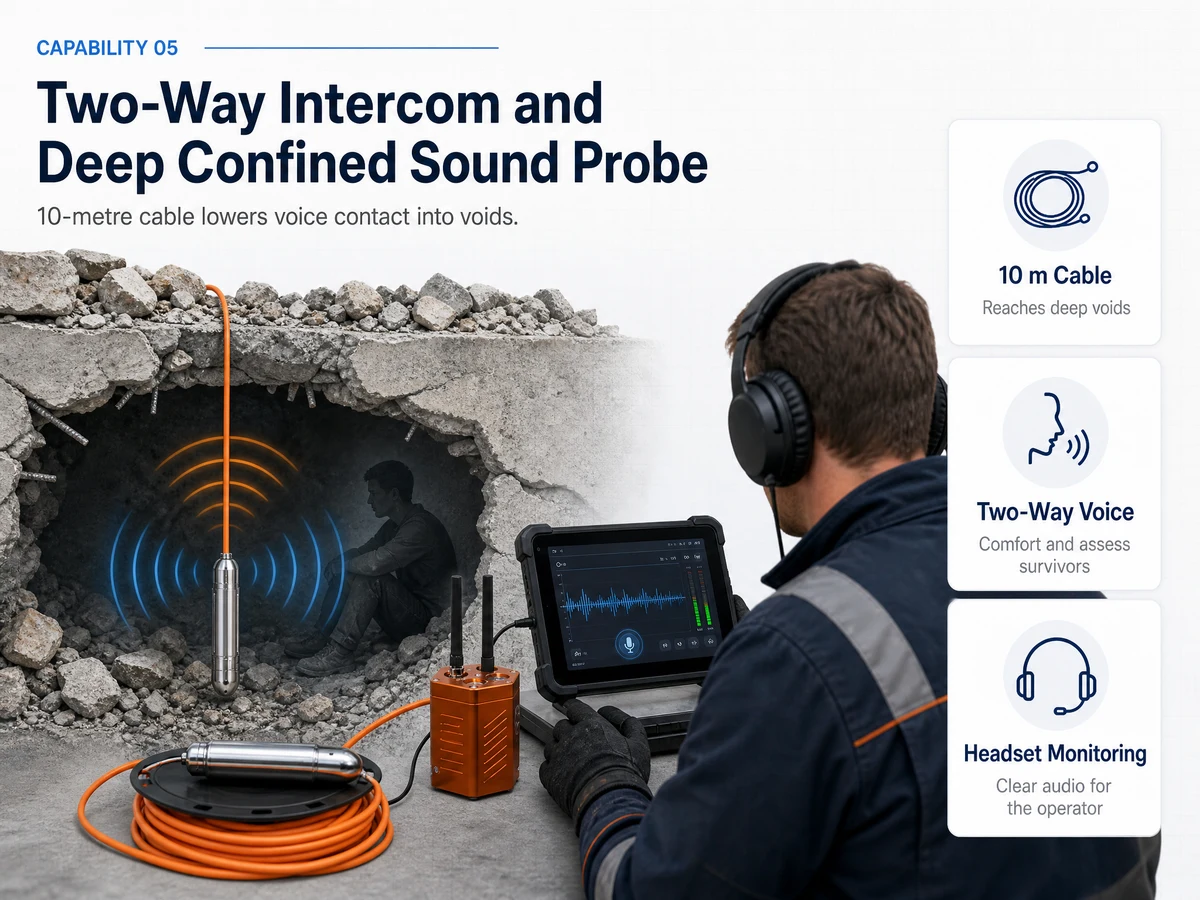
Two-Way Intercom and Deep Confined Sound Probe

Once tapping signals confirm survivor presence, an intercom probe on a 10-metre cable can be lowered into voids to establish two-way voice communication, comforting survivors and gathering critical medical status before breaching.

  • 10 m reinforced intercom cable reaches deep into collapsed voids and shafts
  • Integrated high-sensitivity microphone and speaker for two-way voice dialog
  • High-fidelity noise-cancelling headphones ensure clear audio in noisy field conditions
CAPABILITY 06

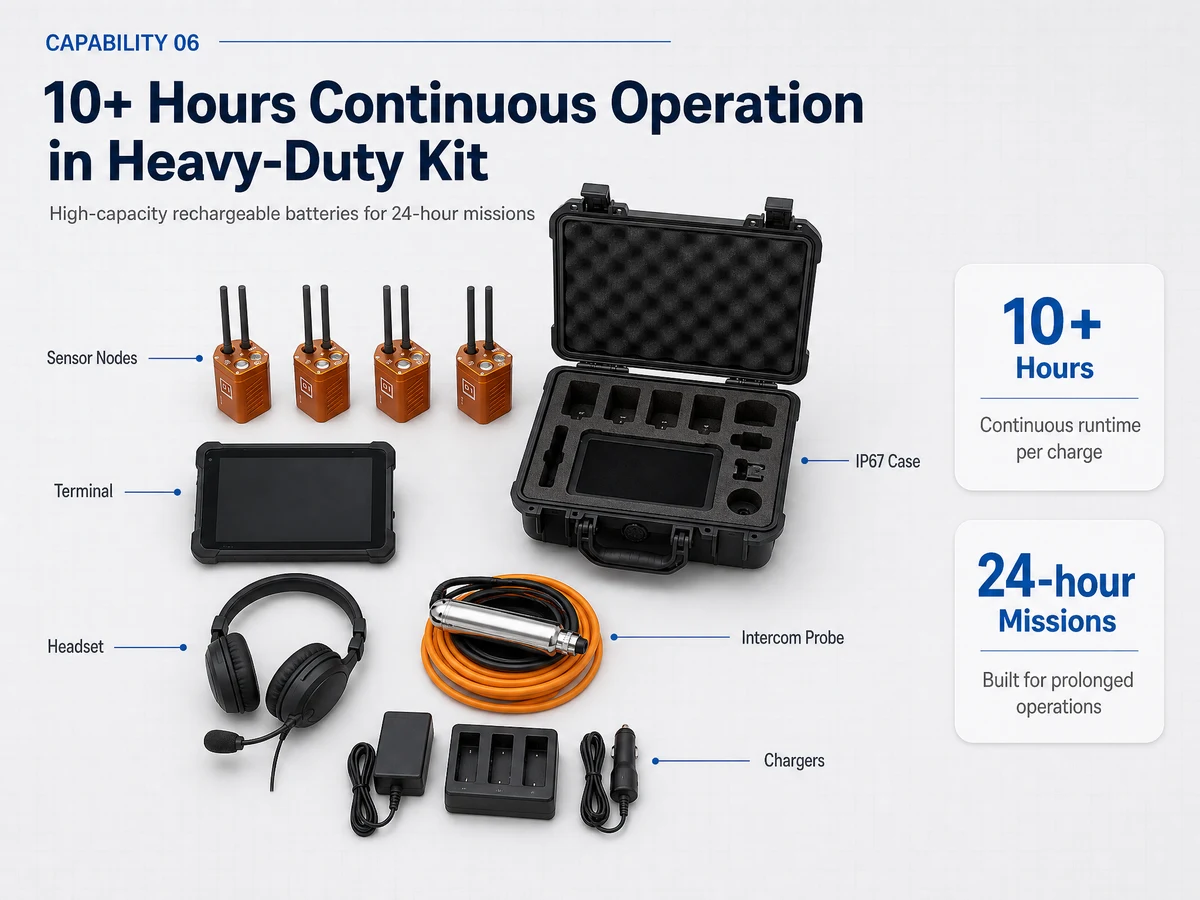
10+ Hours Continuous Operation in Heavy-Duty Kit

Built for prolonged 24-hour disaster missions, the sensor nodes and terminal feature high-capacity rechargeable batteries delivering 10+ hours of continuous runtime. The entire system packs into an IP67 military-grade wheeled transit case.

  • 10 hours or more continuous field operation per charge
  • 150 m rated Wi-Fi transmission range in open line-of-sight environments
  • Custom CNC foam cutouts protect all 10 probes, chargers, antennas, and accessories
CRMB-RAD standard field kit packed neatly into heavy-duty wheeled transport case

Get the configuration matched to your rescue team.

Specify required probe count (6, 8, or 10 probes), destination country, training needs, and delivery deadline.

Applications

Array Microseismic Life Detection for Rescue Operations

Engineered for municipal fire rescue detachments, national USAR task forces, military engineering corps, and industrial mine rescue teams worldwide.

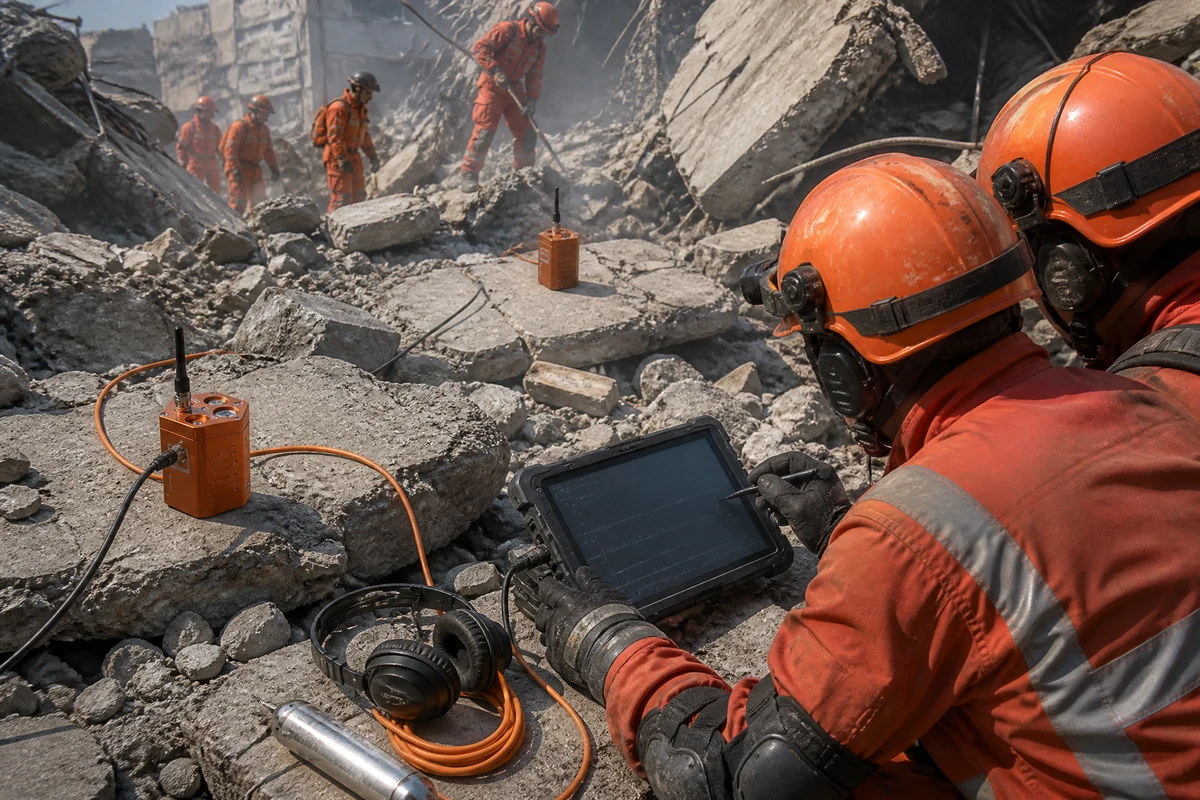
Rescue team deployed at an earthquake rubble disaster site with seismic detector

Earthquake Disaster Rescue

Rapid grid deployment across wide earthquake rubble fields. Sensors detect faint rhythmic tapping and vocal vibrations through collapsed concrete slabs and brick masonry when optical tools cannot penetrate.

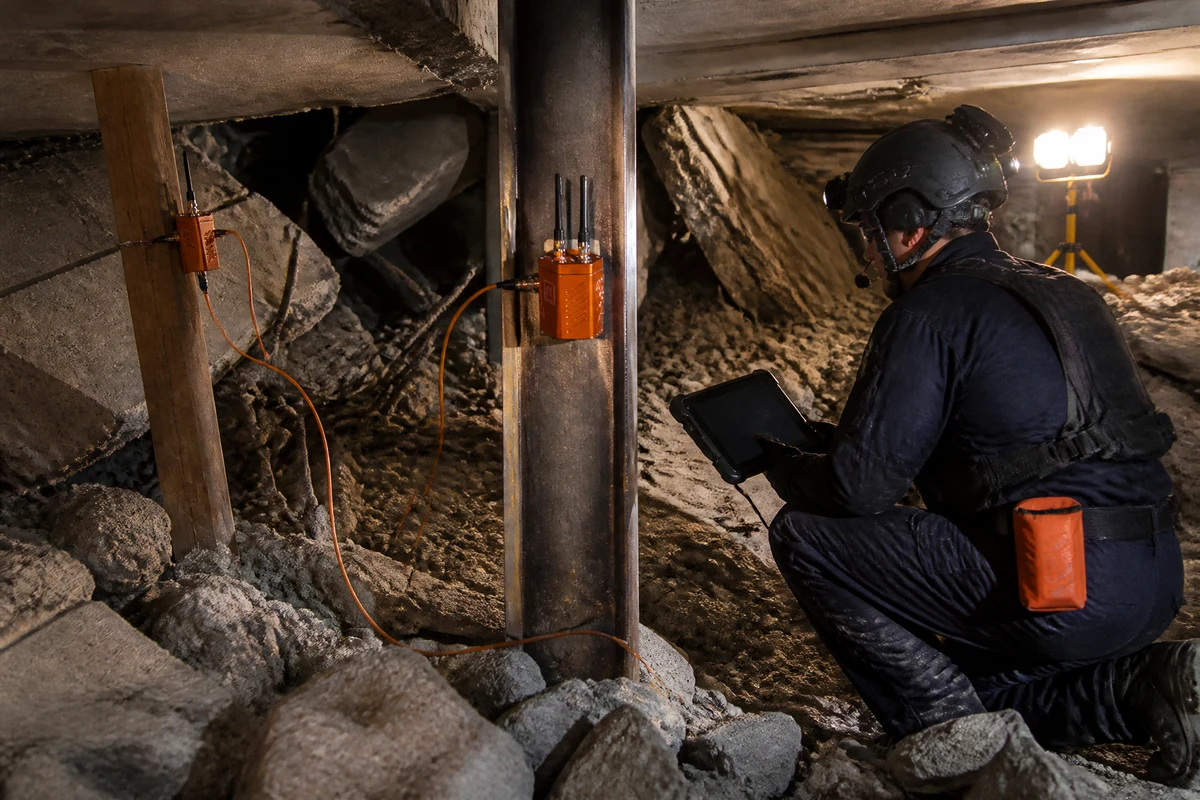
Rescuer placing sensor probe inside confined collapse void

Structural Collapse & Confined Spaces

Magnetic attachment to steel columns, shoring props, and reinforced concrete surfaces. Allows safety officers and search teams to monitor structural movement while searching tight subterranean voids.

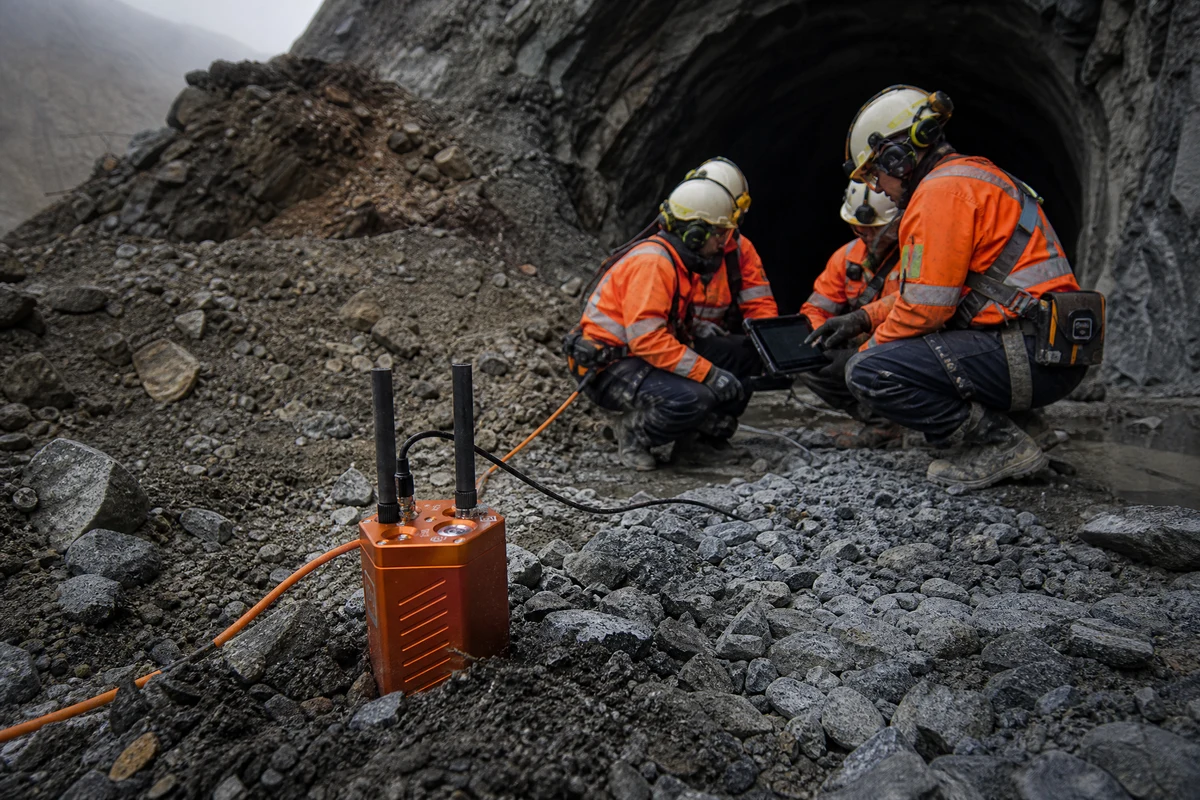
Field deployment and search exercise on rock and rubble slope

Landslides, Mines & Tunnels

Insertion spikes drive into loose debris, tailings, and geological fissures during landslides or tunnel collapses, comparing acoustic wave arrival times to calculate survivor distance and bearing.

Operational Scenario

Triangulating Survivor Signals: An Illustrative Search Deployment

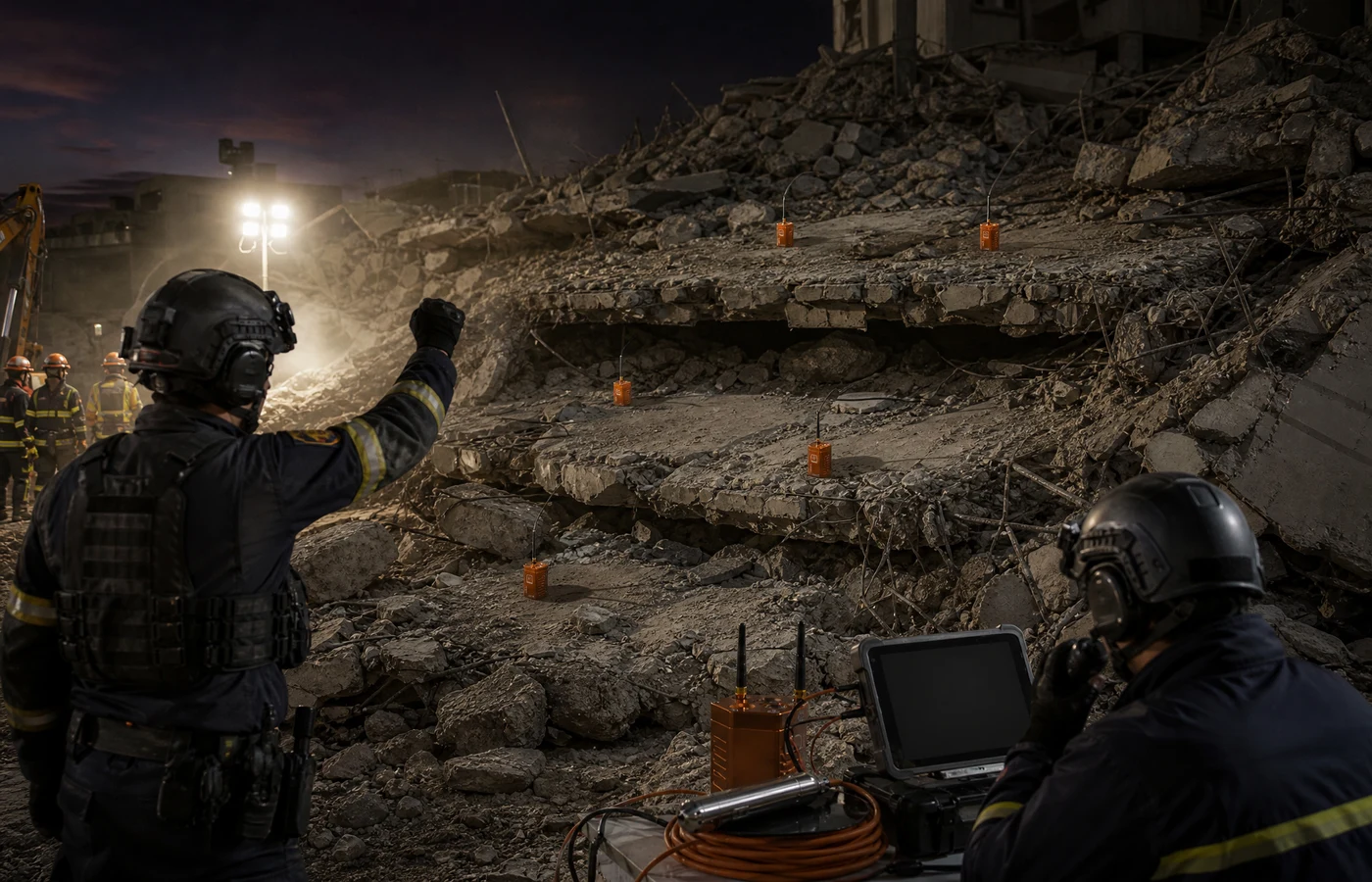
The scenario below illustrates how a search team deploys the CRMB-RAD array on collapsed structural media. It is illustrative and actual results vary with structural medium, ambient acoustic interference, probe coupling, and survivor tapping force.

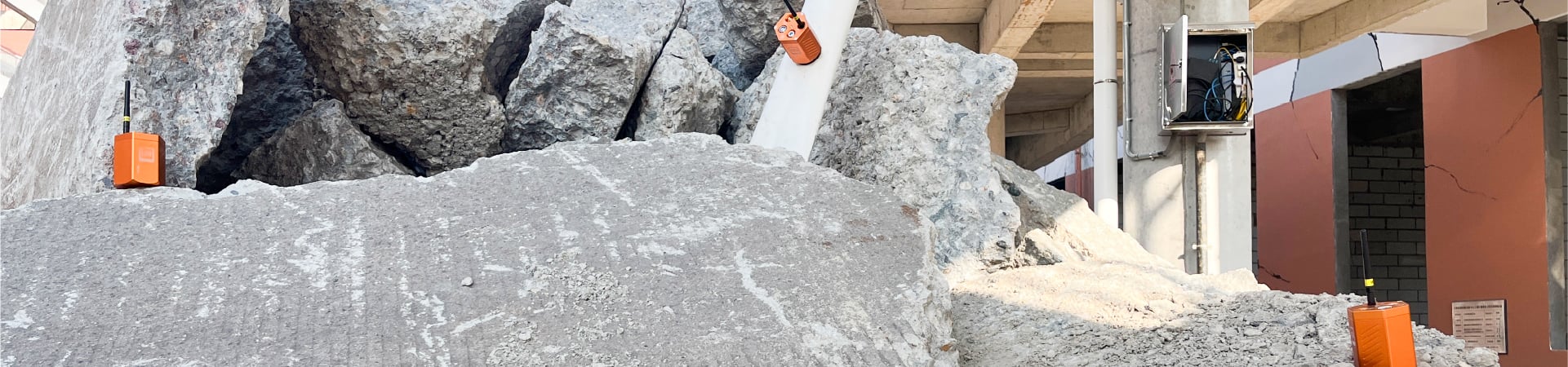
CRMB-RAD wireless sensor probe deployed in concrete rubble with antenna extended

Deploy, Compare and Communicate: Step-by-Step Procedure

Situation

A multi-storey commercial building suffers pancake collapse following a seismic event. Rescuers establish a silence period on site, but ambient street noise and ongoing shoring operations generate complex background acoustic interference.

Potential use

The search detachment deploys six hexagonal sensors in a 15-metre perimeter around the suspected collapse void. The operator activates low-pass filtering on the 8-inch terminal to suppress heavy machinery rumble, calls for three rhythmic taps from trapped occupants, and watches real-time bar graphs jump on channels 02 and 03. Moving two auxiliary probes inward pinpoints the highest amplitude point to within 1.5 metres.

Decision support

With the search sector narrowed, the team feeds the 10-metre intercom probe through an adjacent bore hole. Two-way voice confirmation confirms two conscious survivors before heavy hydraulic breaching equipment is committed, avoiding accidental collapse of the surviving void.

Why Work With LSJ

Manufacturing Capability
Built Around Procurement Needs

Explore the production facilities, compliance documents, and international exhibitions presented in the materials below. Confirm product-specific certifications and current manufacturing capabilities with the supplier before placing an order.

16years Manufacturing
experience
4document types CE · ISO · MSDS · RoHS
shown in supplied image
GLOBAL International trade-show
engagement
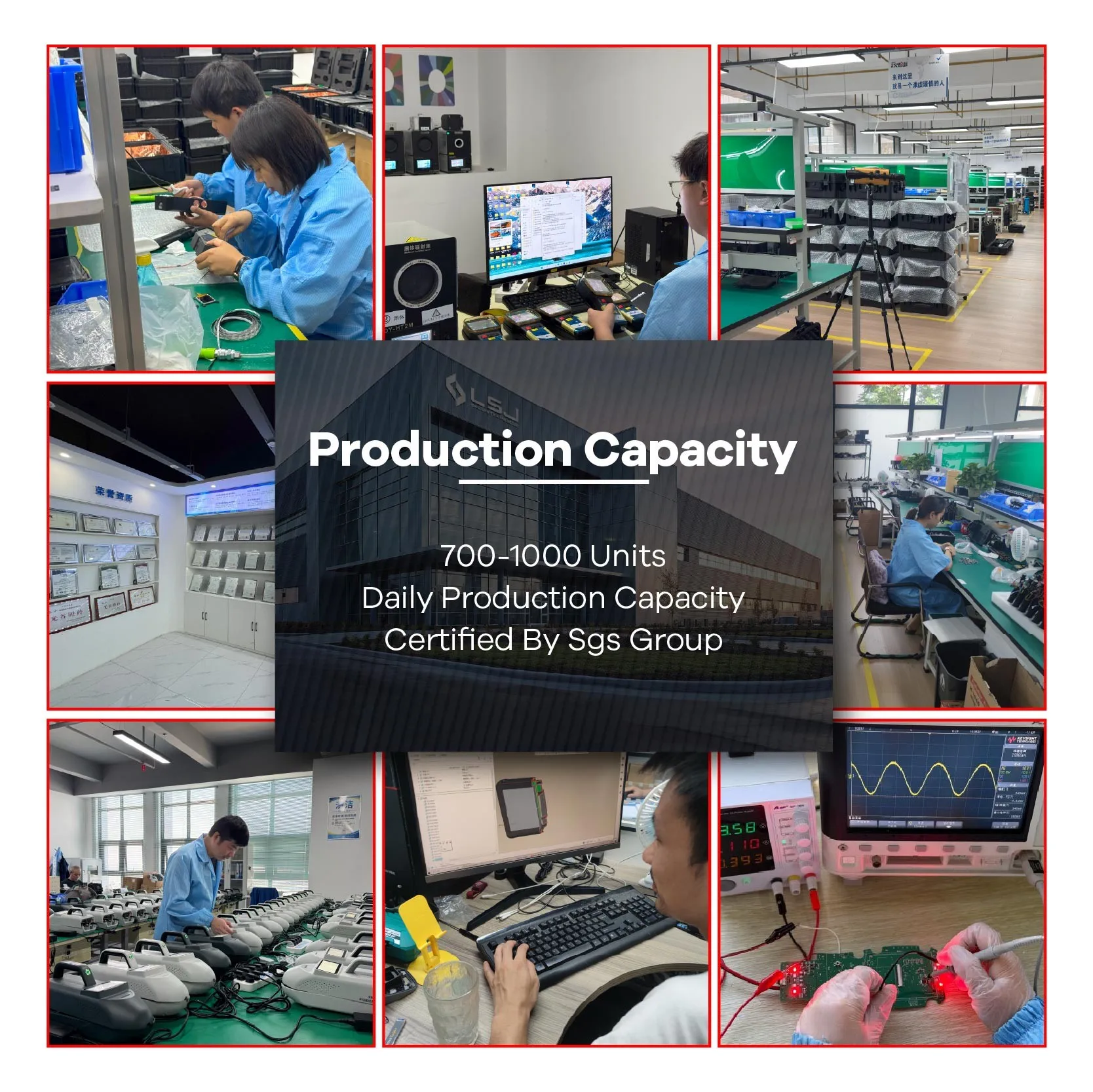
Supplied collage of LSJ manufacturing, assembly, and testing areas
01 · PRODUCTION

Assembly and Testing Capability

The supplied company materials describe 16 years of manufacturing experience alongside assembly and testing activities. Confirm the applicable product line, current capabilities, and lead time when requesting a quote.

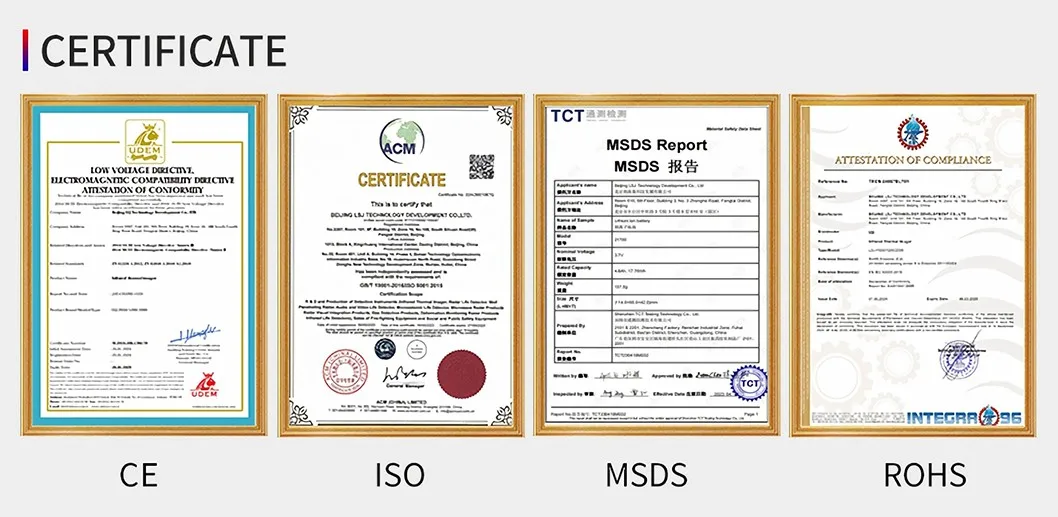
Supplied collage of CE, ISO, MSDS, and RoHS-related documents
02 · CERTIFIED

Documentation for Due Diligence

Request current, product-specific documents and verify their scope before use in a tender or import review.

CEISOMSDSRoHS
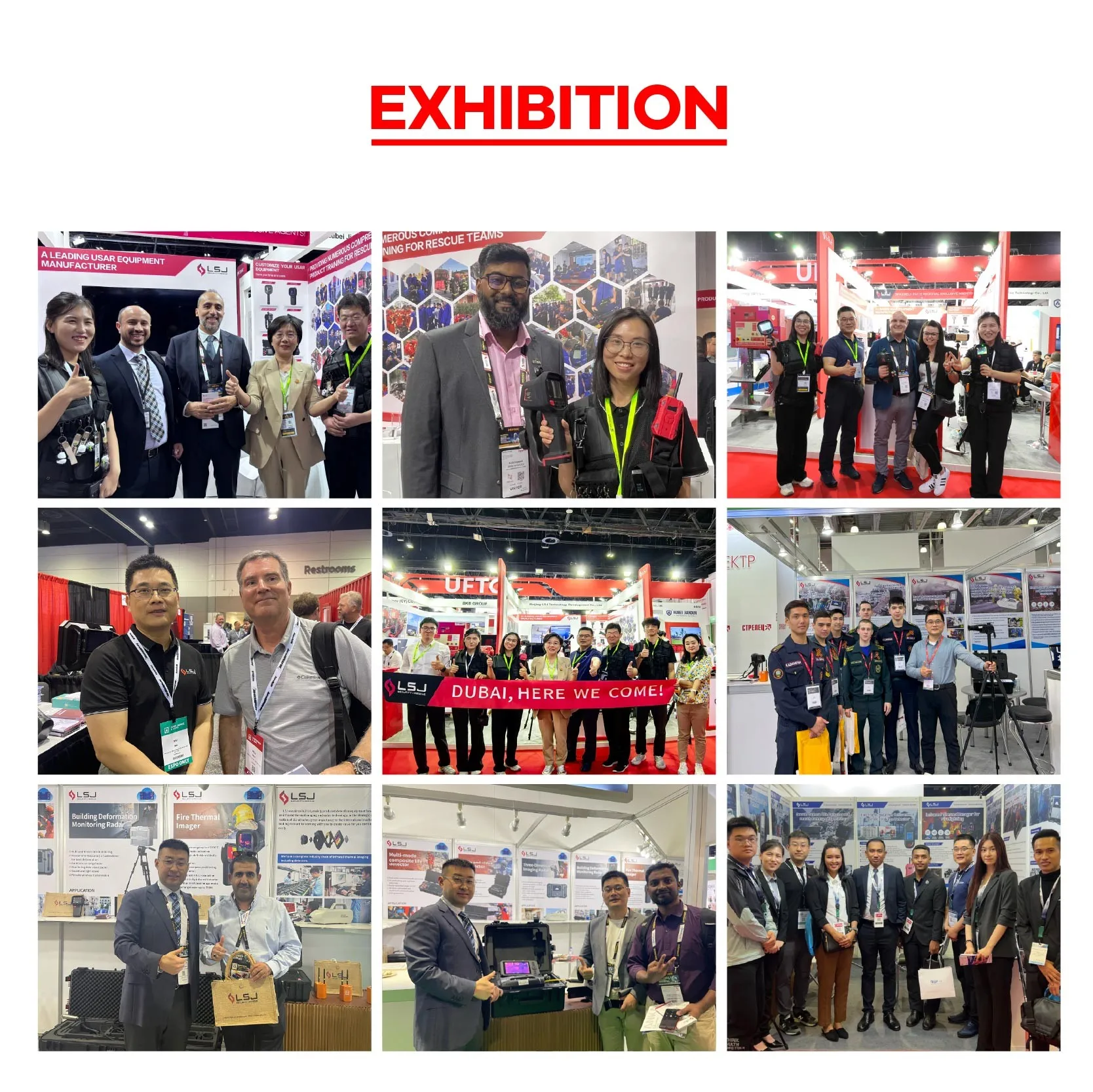
LSJ team and visitors at international trade exhibitions
03 · GLOBAL

Product Discussions at Global Events

Explore images of industry exhibitions and in-person discussions with international partners and emergency-response professionals.

Click an image for a larger view · Request a facility visit or document verification
Request an Operating Demonstration

Demonstration of probe deployment, filtering setup, signal comparison, and intercom operation

Operation Video

See the CRMB-RAD in Operation

Watch the CRMB-RAD demonstration video to review sensor array placement, real-time signal graph reading, bandpass filter adjustments, and two-way voice communication through rubble voids.

  • One-touch sensor pairing and live multi-channel signal visualization
  • High-pass and low-pass filter adjustments to silence environmental interference
  • Two-way audio communication and stereo channel listening through the intercom probe

Technical Specifications

CRMB-RAD Technical Specifications

Values below reflect published specifications from manufacturer documentation and test benchmarks. Rows marked To be confirmed are subject to configuration options — confirm exact probe counts and certification packages prior to tender or purchase.

Parameter Stated Specification
Sensor frequency response 0.1–5000 Hz
Wireless connection Wi-Fi (2.4 GHz)
Communication distance 150 m rated in open line of sight
Sensor detection range 8 m radius under suitable structural media
Sensor dimensions 90 × 78.5 × 70 mm
Sensor weight ≤ 500 g per probe
Ingress protection IP67 (sensor probes)
Operating time ≥ 10 h continuous field runtime
Operating temperature −20°C to +60°C
Storage temperature −40°C to +70°C
Intercom cable length 10 m reinforced cable
Probe connection Wireless Wi-Fi / wired interface
Probe body dimensions 100 × 78.5 × 70 mm
Pickup dimensions Φ 32 mm × 167 mm (acoustic pickup probe)
Standard configuration 2–10 sensors, 8-inch Android terminal, intercom probe, 10 m cable, headset, antennas, magnetic bases, ground spikes, chargers, rugged transport case
Operating limitation Requires active tapping, scratching or acoustic signal; results vary with structural medium, ambient acoustic interference, probe coupling, and vibration strength

Frequently Asked Questions

Procurement & Deployment

Answers to common operational and technical questions from USAR commanders and emergency procurement teams. Confirm project-specific requirements with the technical team.

Can the system detect an unconscious survivor?

The CRMB-RAD requires an active acoustic tapping, scratching, or vocal vibration signal to calculate bearing and location. For unconscious, motionless survivors who cannot produce active signals, deployment alongside ultra-wideband radar life detectors (such as the LSJ-M or HXDMR-300) or thermal cameras is recommended to detect breathing and body heat.

How does the system filter out rescue site machinery noise?

The system incorporates digital signal processors with customizable bandpass filters across 0.1–5000 Hz. Operators can set low-pass and high-pass cutoffs to silence low-frequency rumble from excavators and generators or high-frequency wind noise, isolating the specific acoustic signature of human tapping.

How many sensors can be connected simultaneously?

The standard system configuration supports 2 to 10 wireless micro-seismic sensors connected concurrently to a single 8-inch control terminal. Teams can deploy fewer probes for rapid reconnaissance or the full 10-probe array for wide multi-point structural perimeter triangulation.

What mounting methods are available for different collapse media?

Each sensor node features dual mounting interfaces: an integrated high-flux magnetic base for instant attachment to steel structures, pipes, and shoring beams, plus interchangeable hardened steel ground spikes that push directly into loose soil, mud, and gravel debris.

What warranty and calibration support is available?

All CRMB-RAD systems come with a standard 12-month manufacturer warranty. Complete documentation including CE, ISO, and RoHS compliance certificates, factory calibration reports, operational manuals, and spare parts availability are provided with every order.

Supplier Support

Support from Selection to Service

Technical Selection

Discuss specific operational scenarios, media coupling conditions, and sensor channel requirements with our rescue systems engineers.

Rescue Training & Configuration

Comprehensive operator manuals, video tutorials, factory acceptance testing, and on-site training support for fire and rescue detachments.

Global Field Support

Direct access to genuine spare probes, replacement cables, recalibration services, and expedited delivery for mission-critical deployments.

LSJ · Security & Rescue Equipment CRMB-RAD Array Seismic Life Detector · © 2026

Get a Free Quote

Our representative will contact you soon.
Email
Name
Mobile
Company Name
Message
0/1000

Get a Free Quote

Our representative will contact you soon.
Email
Name
Mobile
Company Name
Message
0/1000

Get a Free Quote

Our representative will contact you soon.
Email
Name
Mobile
Company Name
Message
0/1000
array microseismic life detector-0

Copyright © Beijing LSJ Technology Development Co., Ltd. All Rights Reserved  -  Privacy Policy