 EN
- Description

Is there a problem?
Please contact us to serve you!


Radar Life Detector LSJ-M
- Description
- Parameter
- Recommended Products
Description
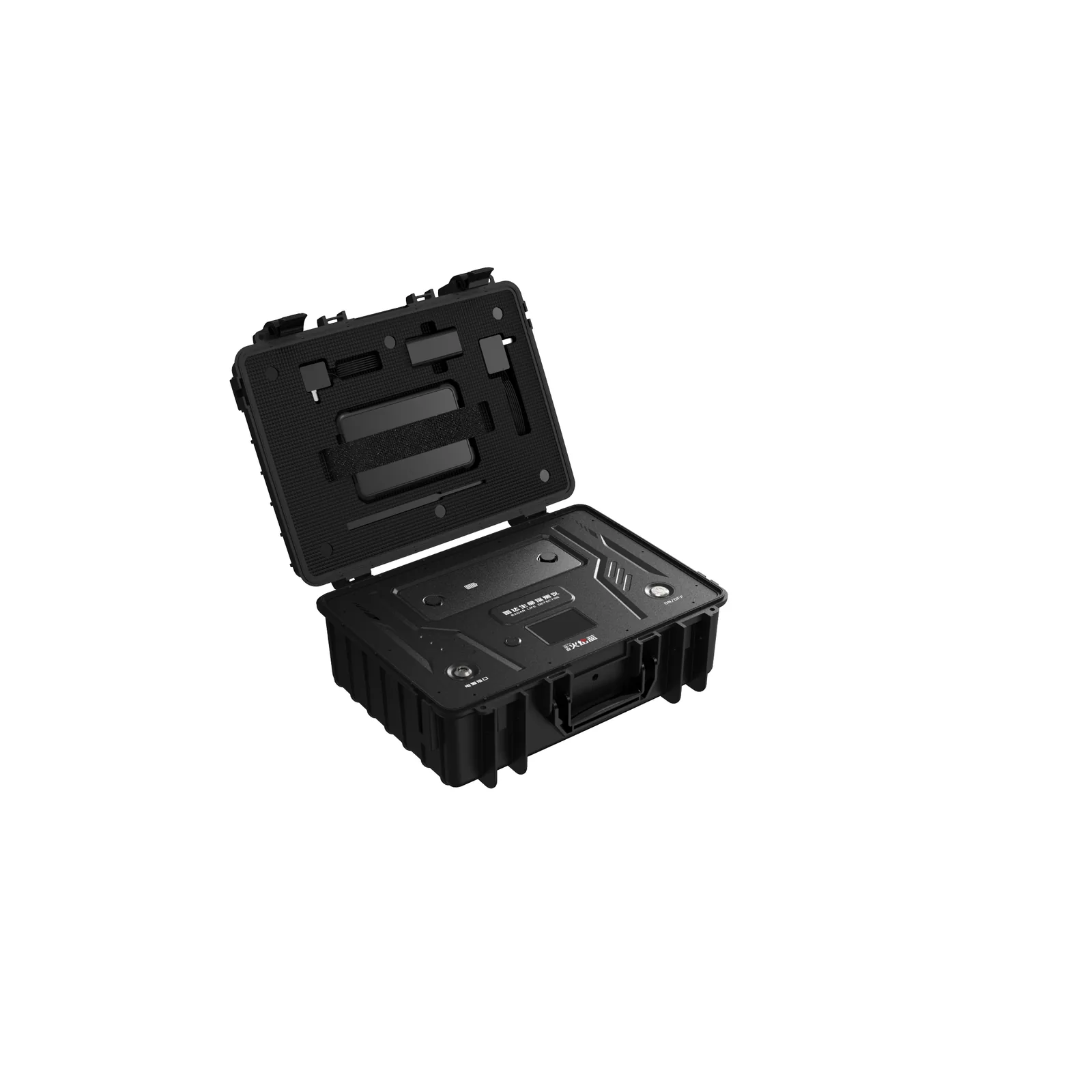
Figure 1. The complete LSJ-M UWB radar life detector in its toolbox-style IP67 case — radar host in the base, handheld terminal secured in the molded lid.
UWB Radar Life Detector for Search-and-Rescue Operations
The LSJ-M radar life detector is a professional, non-contact life-detection instrument manufactured by LSJ Security & Rescue (Beijing Langsenji Technology Co., Ltd.) for the first minutes after an earthquake, landslide, avalanche or building collapse. It uses micro-power ultra-wideband (UWB) pulse radar to detect the weakest signs of life — breathing, heartbeat and body movement — through concrete, brick, soil, rock and rubble, and reports every survivor as a precise 2D coordinate (X/Y or distance + azimuth) on a rugged Android handheld terminal. Rescuers learn exactly where to dig without entering unstable structures.
| Technology | Micro-power UWB pulse radar, media-coupling enhanced antenna |
| Rated through-wall range | ≥15 m static / ≥20 m moving through 50 cm concrete; 10–50 m presets |
| Coverage / accuracy | ≥120° conical 2D scan; ≤30 cm longitudinal, ≤50 cm lateral; ≥98% detection rate |
| Ruggedness | IP67, intrinsically safe, −20°C to +60°C, 1 m drop, 7.9 kg toolbox kit |
| Operation | >100 m Wi-Fi control, dual-screen sync, two ~10 h hot-swap batteries |
| Standard | XF 3010-2020 fire-fighting radar life detector standard |
The Problem: Every Second Counts Under Rubble
After an earthquake or building collapse, survivors are trapped under layers of broken concrete where sight, sound, cameras and search dogs cannot reach. Manual search is slow, physically dangerous for crews, and prone to false alarms. Teams need a detector that sees through debris, returns an exact location, survives dust, rain and freezing temperatures, and can be deployed by a single operator in minutes.
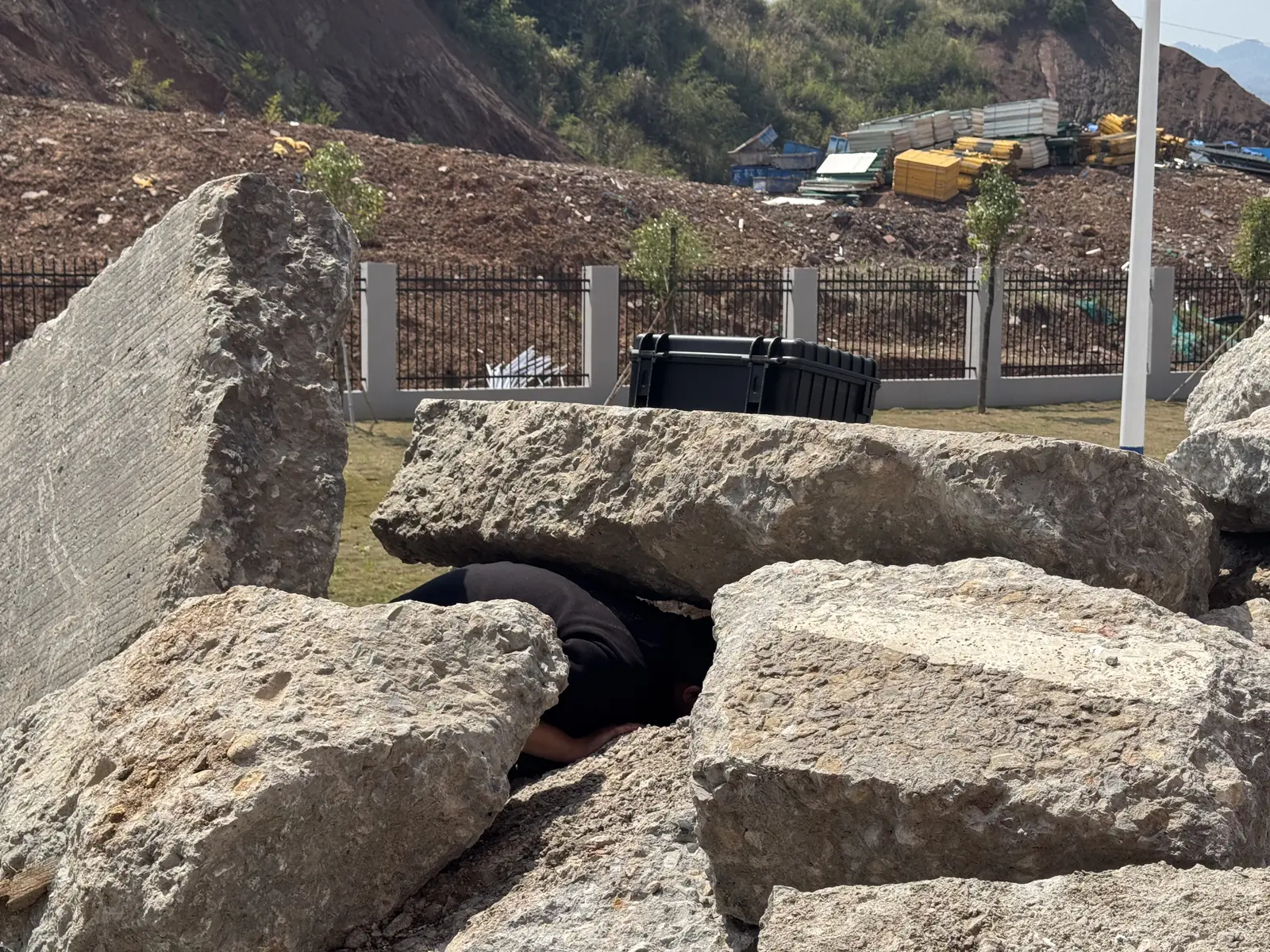
Figure 2. A simulated survivor buried in a concrete drainage pipe under rubble — the non-line-of-sight condition the LSJ-M searches through.
How the LSJ-M Works
The radar host continuously transmits low-power UWB electromagnetic pulses across the search area. Static debris returns an unchanged signal; a survivor’s breathing, heartbeat and body movement create tiny Doppler frequency shifts. Dedicated radar signal-processing algorithms accumulate, amplify and classify those echoes, automatically reject non-human targets, and plot each person as a 2D coordinate — even when the victim is unconscious and unable to call out.
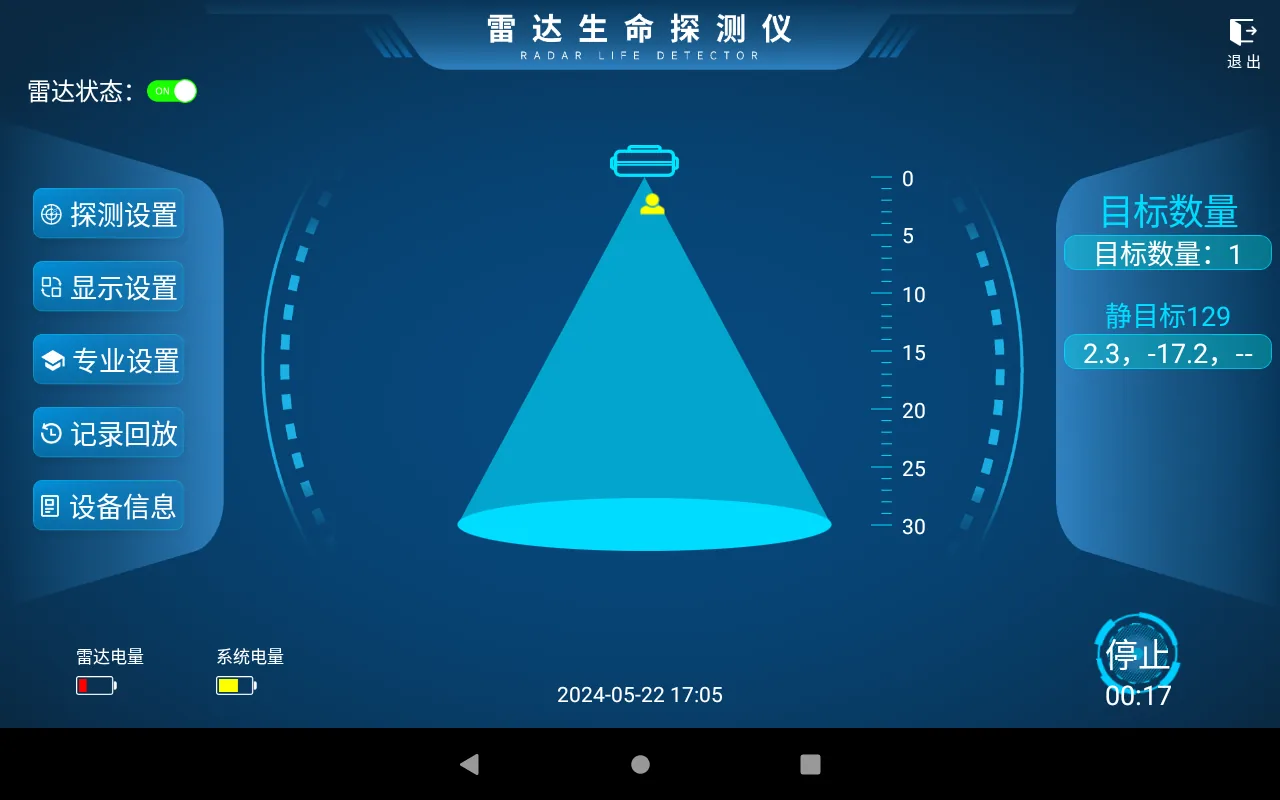
Figure 3. The monitoring software maps a detected survivor as a 2D coordinate inside the 120° conical scan, with live distance and angle.
The radar host is a complete unit in its own right. Its top panel carries a built-in display, status keys, power switch and antenna connector, so a crew can read results directly on the host or on the wireless handheld terminal — whichever the scene demands.
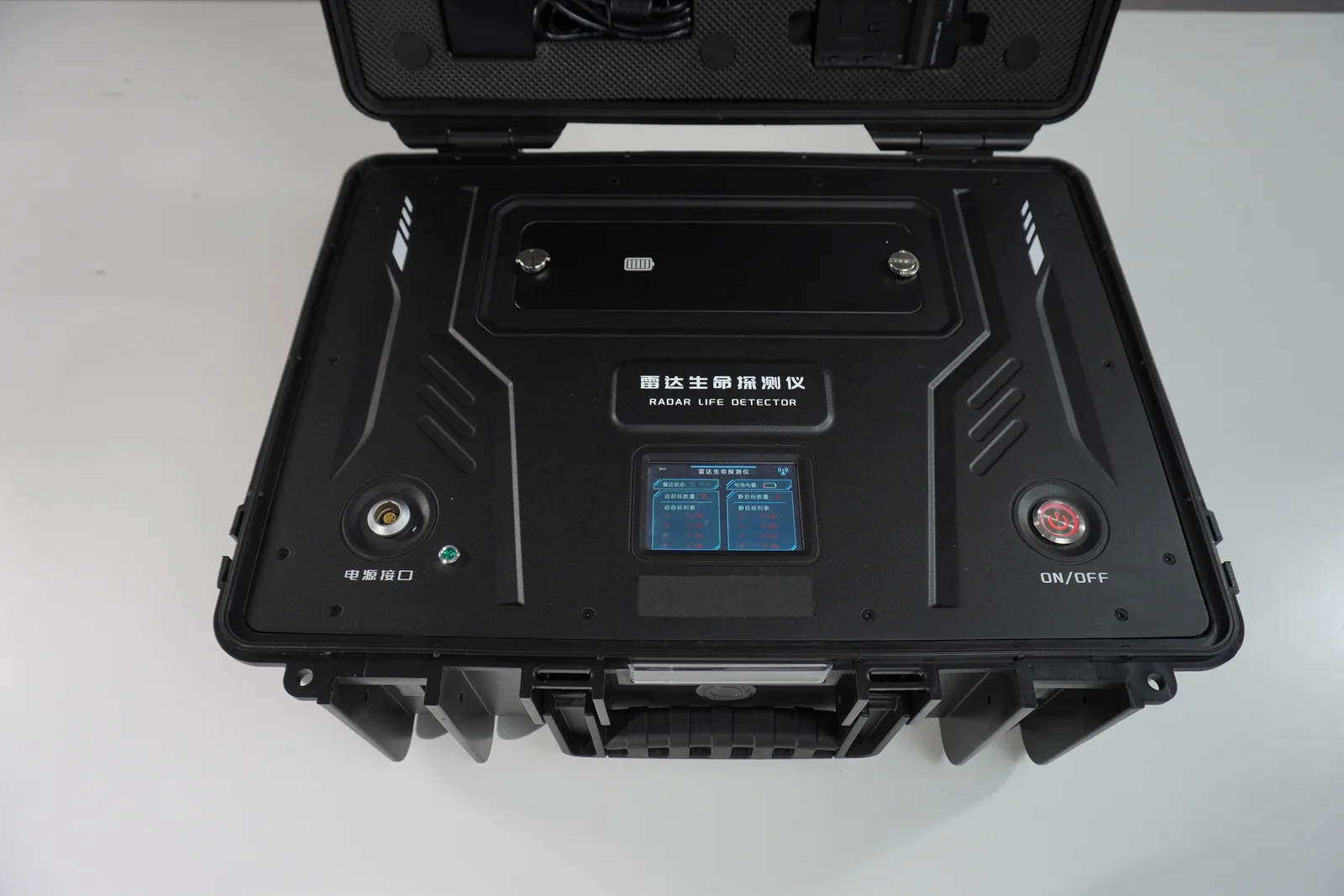
Figure 4. The radar host control panel with built-in display, status keys, power switch and antenna connector.
Why the LSJ-M Outperforms Manual Search
In the field the host is pushed close to the rubble while the operator stays under cover. The host display and the Android terminal render the identical detection screen in real time, so every team member sees the same target picture.
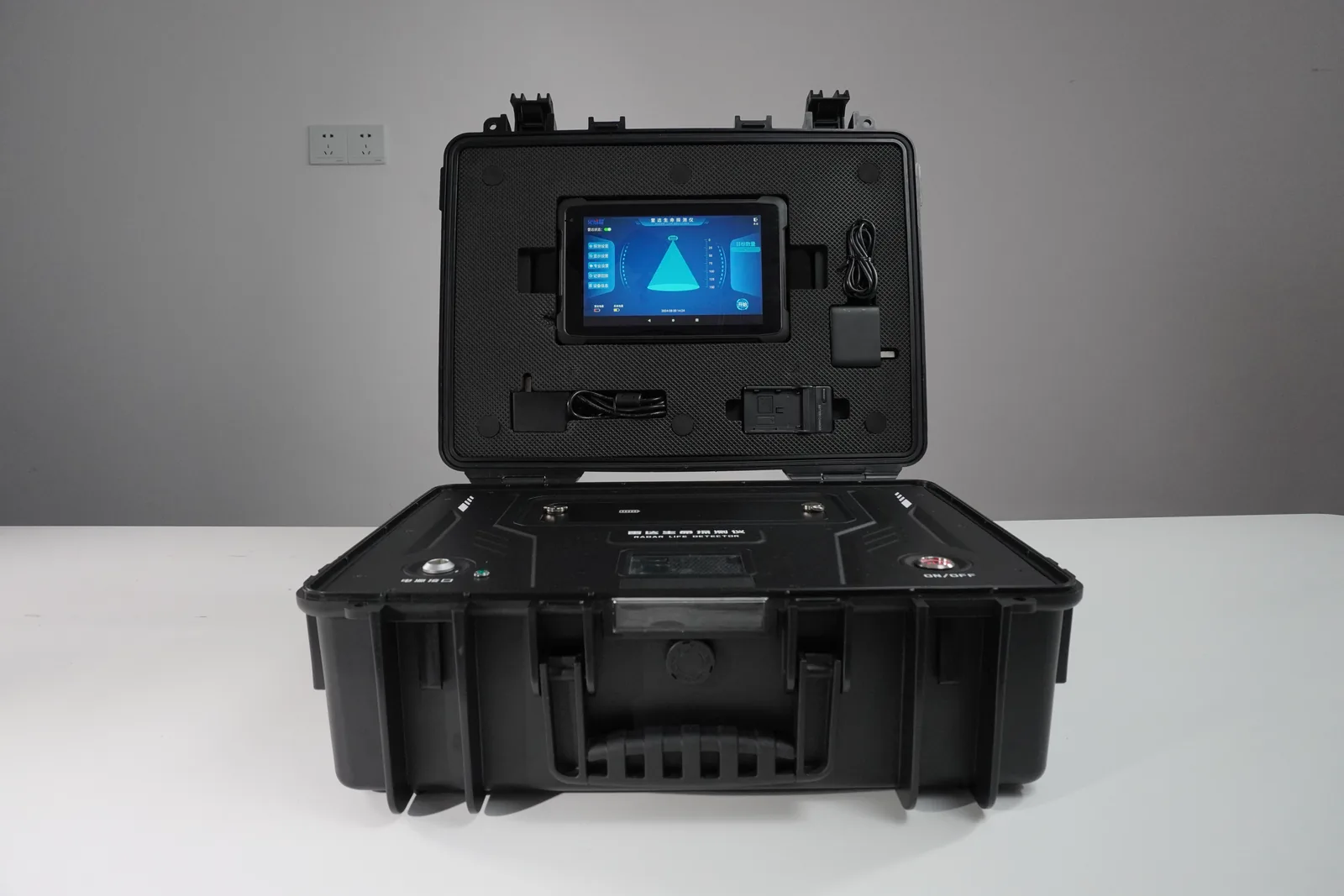
Figure 5. The host display and the Android handheld terminal show the same scan in real time for wireless monitoring from cover.
On the monitoring screen, moving and static victims are split into two live lists with distances in metres and distinct symbols. Human-target recognition suppresses non-human echoes — the main cause of wasted digs in acoustic and camera searches.
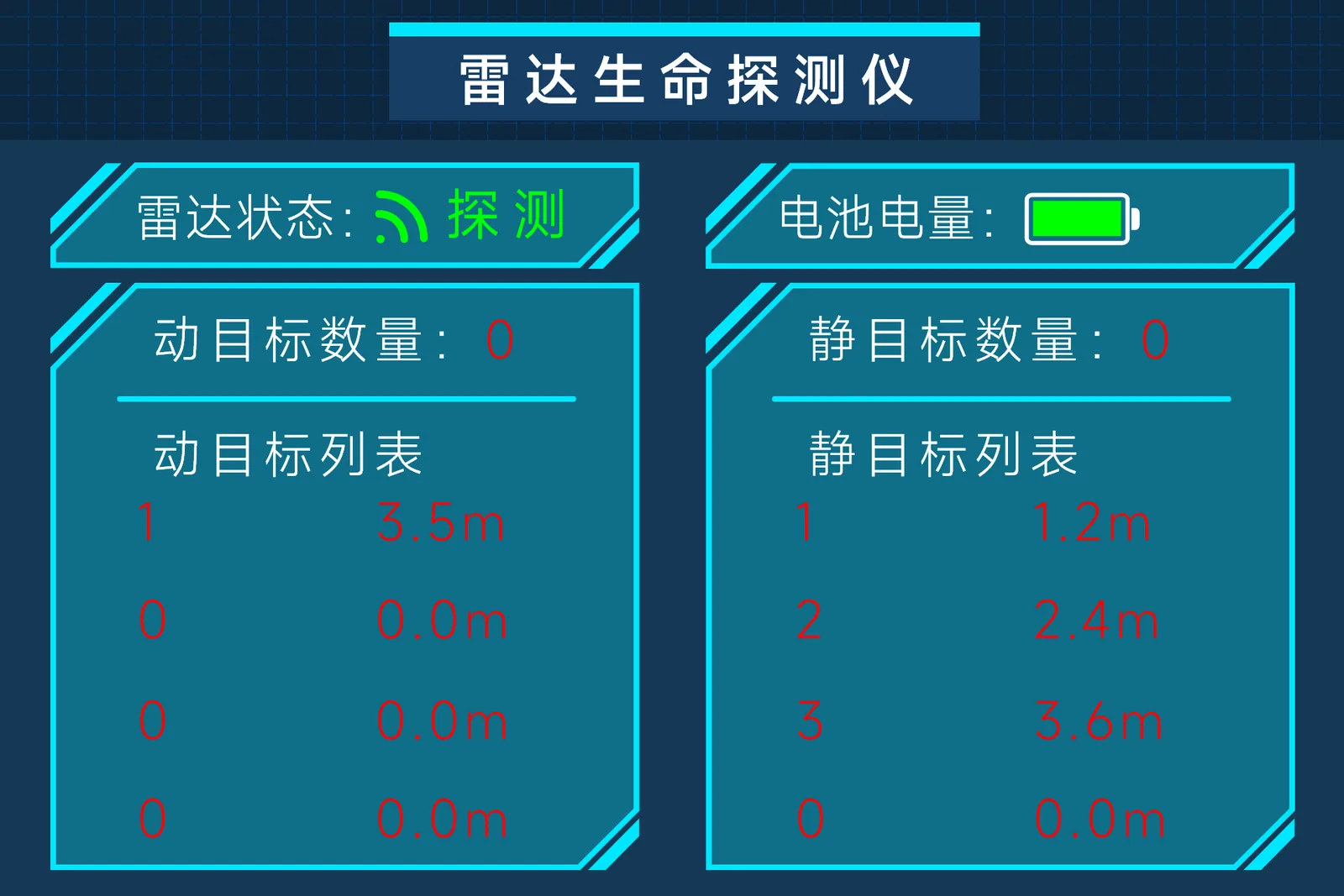
Figure 6. Moving and static victims are listed separately with live distances and distinct symbols to reduce false alarms.
One-Person, Toolbox-Style Kit
The complete LSJ-M system travels as a single carry-handle protective case: radar host, rugged Android handheld terminal, two lithium batteries and three chargers (host, terminal and battery dock). The case measures 473 × 372 × 191 mm and the complete kit weighs about 7.9 kg with one battery. An external antenna and a plug-in LoRa range-extension module are available as options.
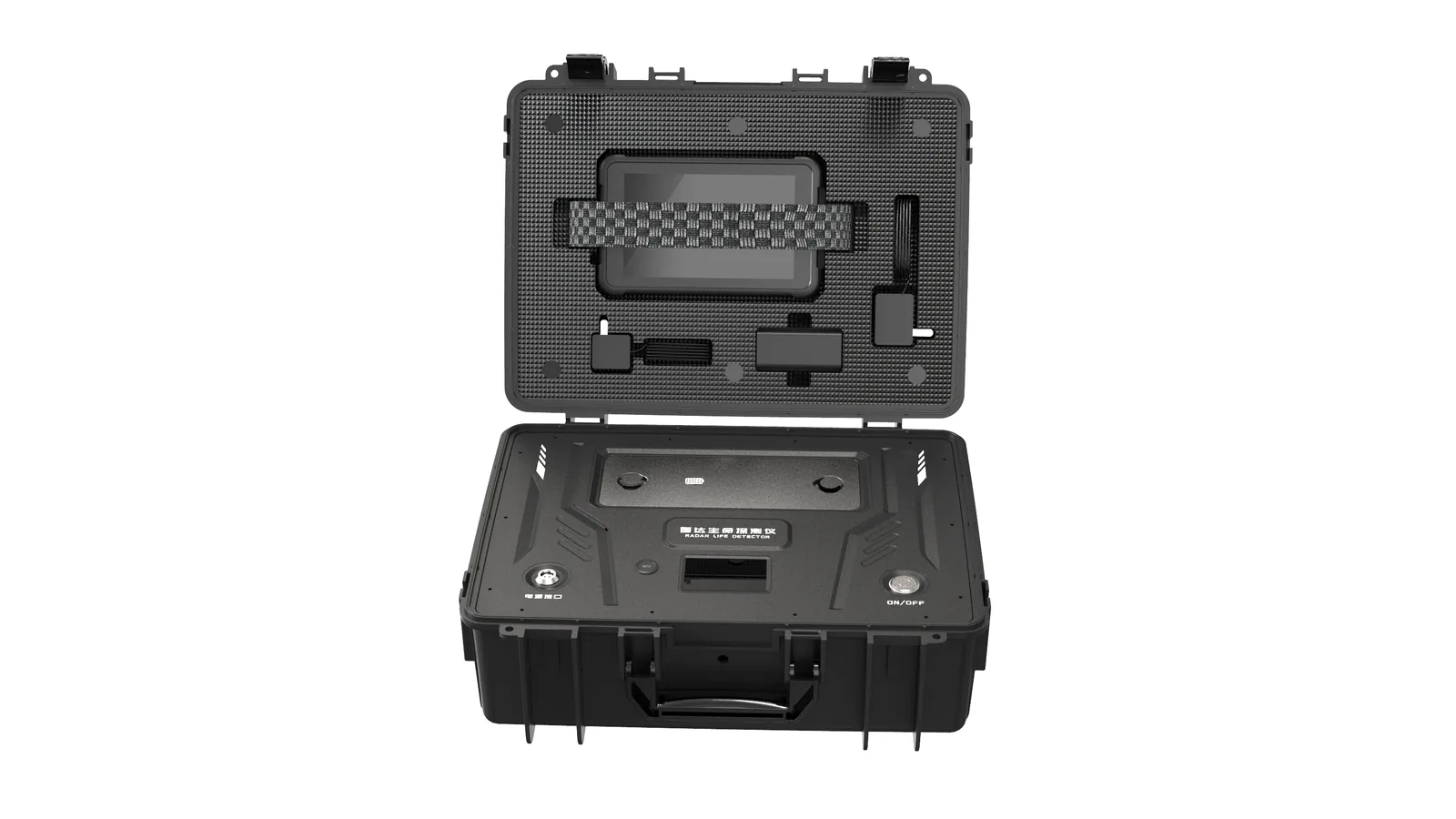
Figure 7. The one-person toolbox opens to a molded workstation; the complete case weighs 7.9 kg and carries by a single handle.
Everything needed for a full shift ships inside the same case — the Android handheld terminal, two removable 7.4 V lithium batteries and the host, terminal and battery-dock chargers — so nothing is lost between the truck and the rubble pile.
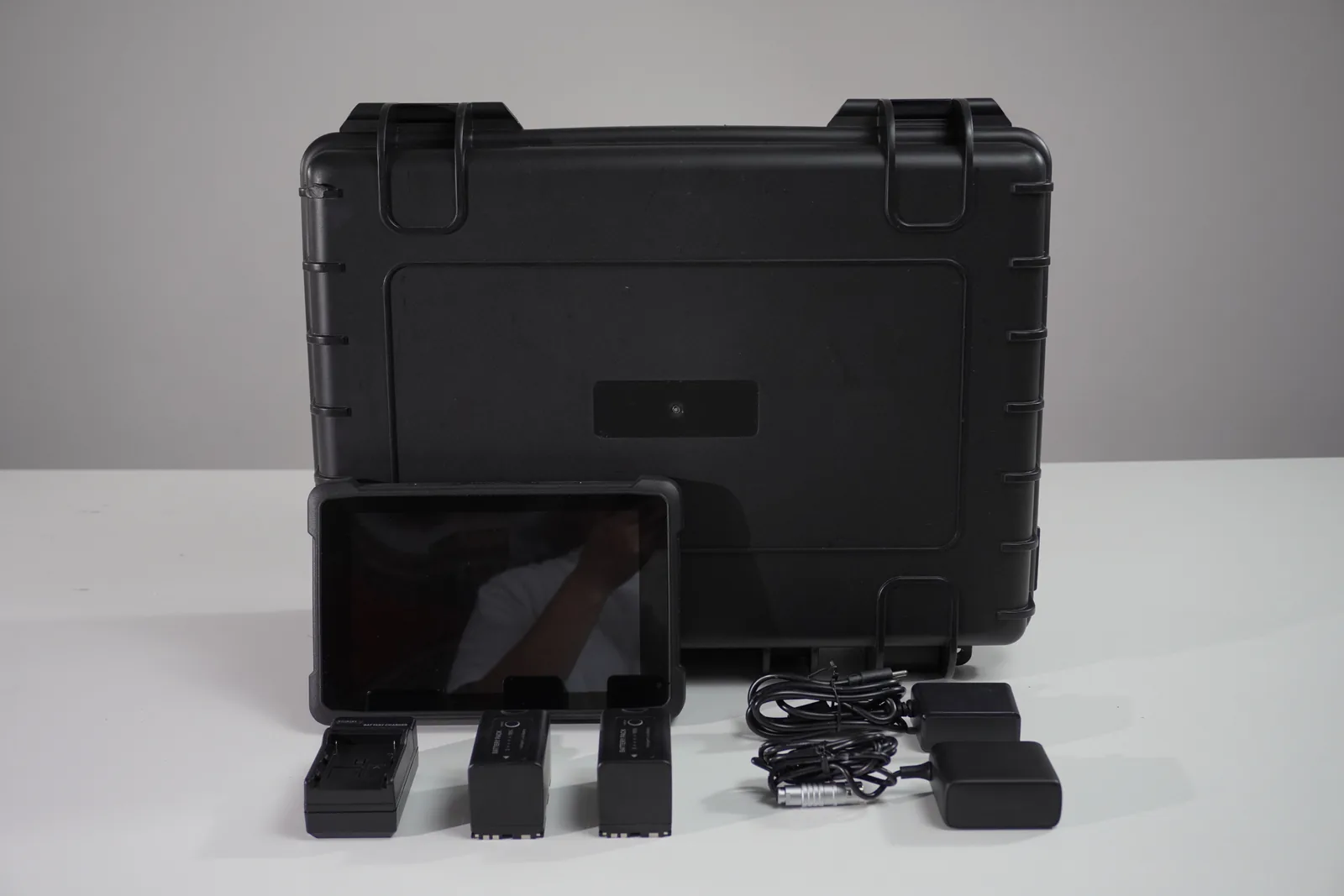
Figure 8. Standard delivery: protective case, Android terminal, two hot-swap 7.4 V batteries and three chargers.
The closed case is sized for a vehicle boot, a helicopter cargo bay or one-person carry over uneven ground, and the toolbox shell itself is the IP67-rated protective enclosure used on site.
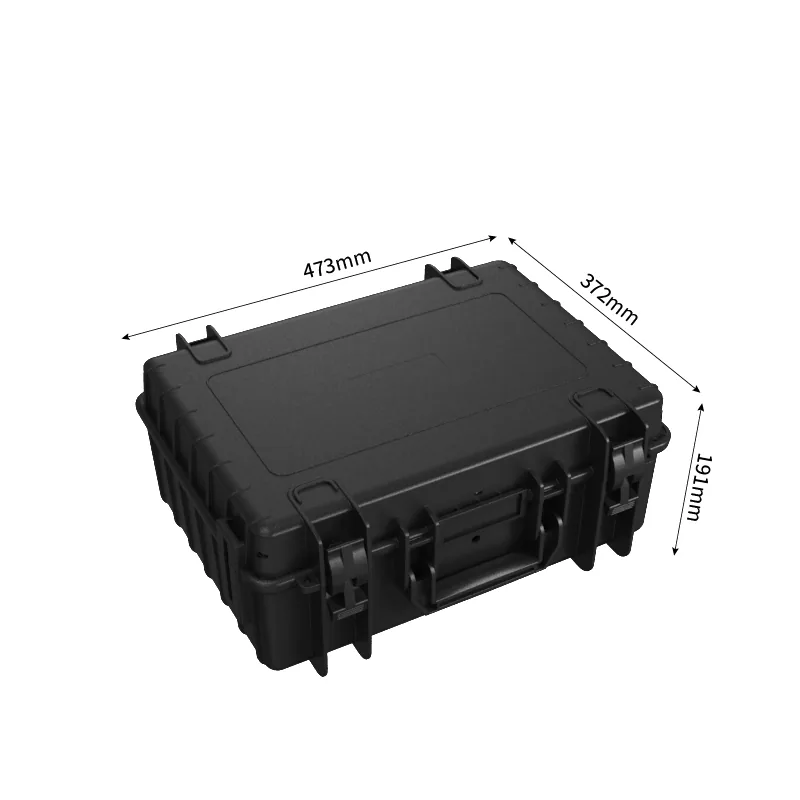
Figure 9. Case dimensions 473 × 372 × 191 mm (±10%) for transport and one-person carry planning.
Applications
- Urban search & rescue (USAR) after earthquakes and building collapses
- Landslide, mudflow and avalanche victim localization
- Fire-department search after post-fire structural collapse
- Mine and tunnel collapse rescue through rock and soil
- Military, civil-defence and HazMat units requiring remote through-wall sensing
- Disaster-response training centres and simulation exercises
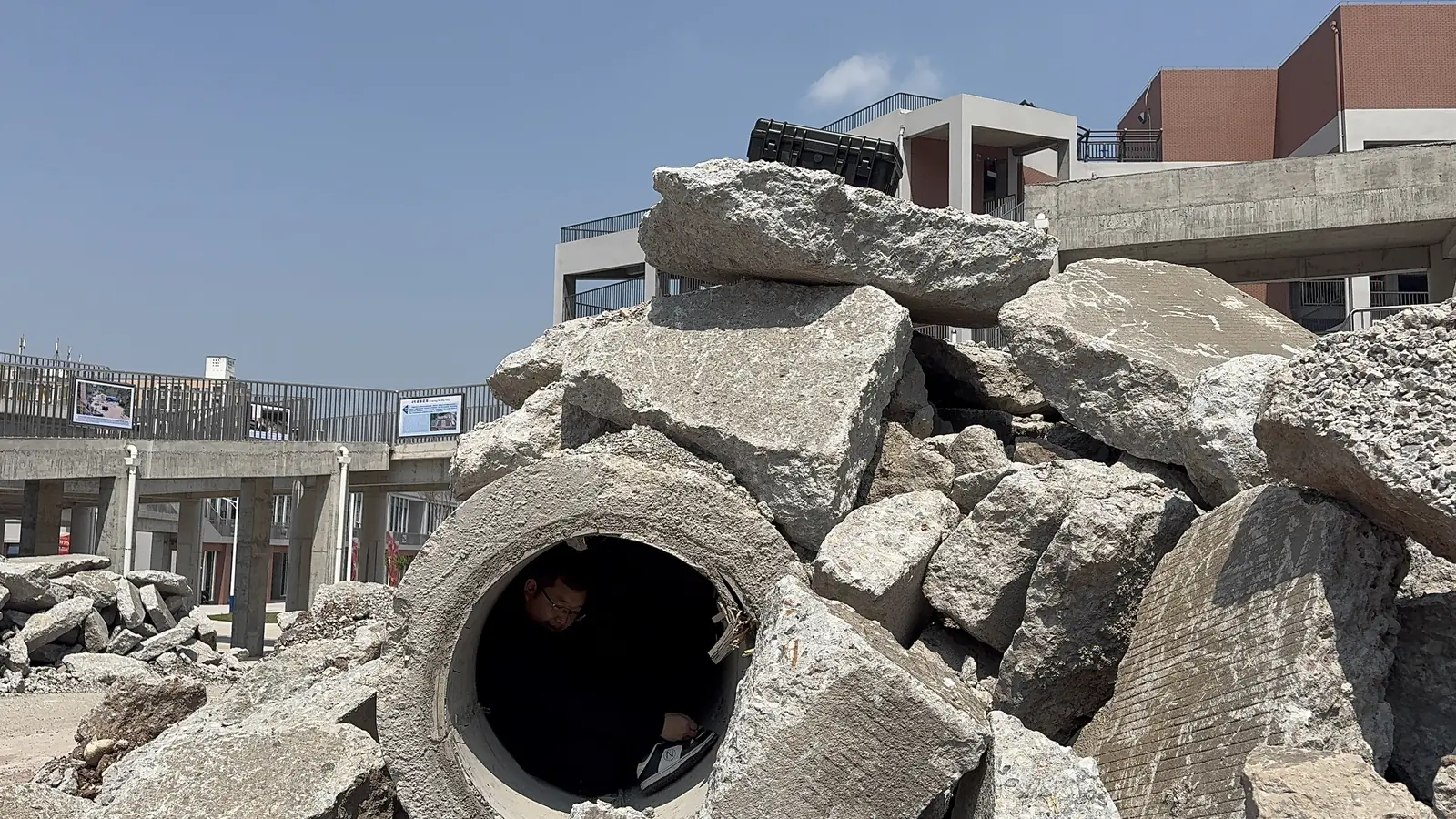
Figure 10. The radar host placed directly on collapse rubble above a simulated victim during a USAR exercise.
Deployment is a one-person job: rest the host against the wall or rubble surface, select the environment mode on the terminal and tap start. There are no cables to run, and results appear within seconds of an echo lock (see FAQ Q1).
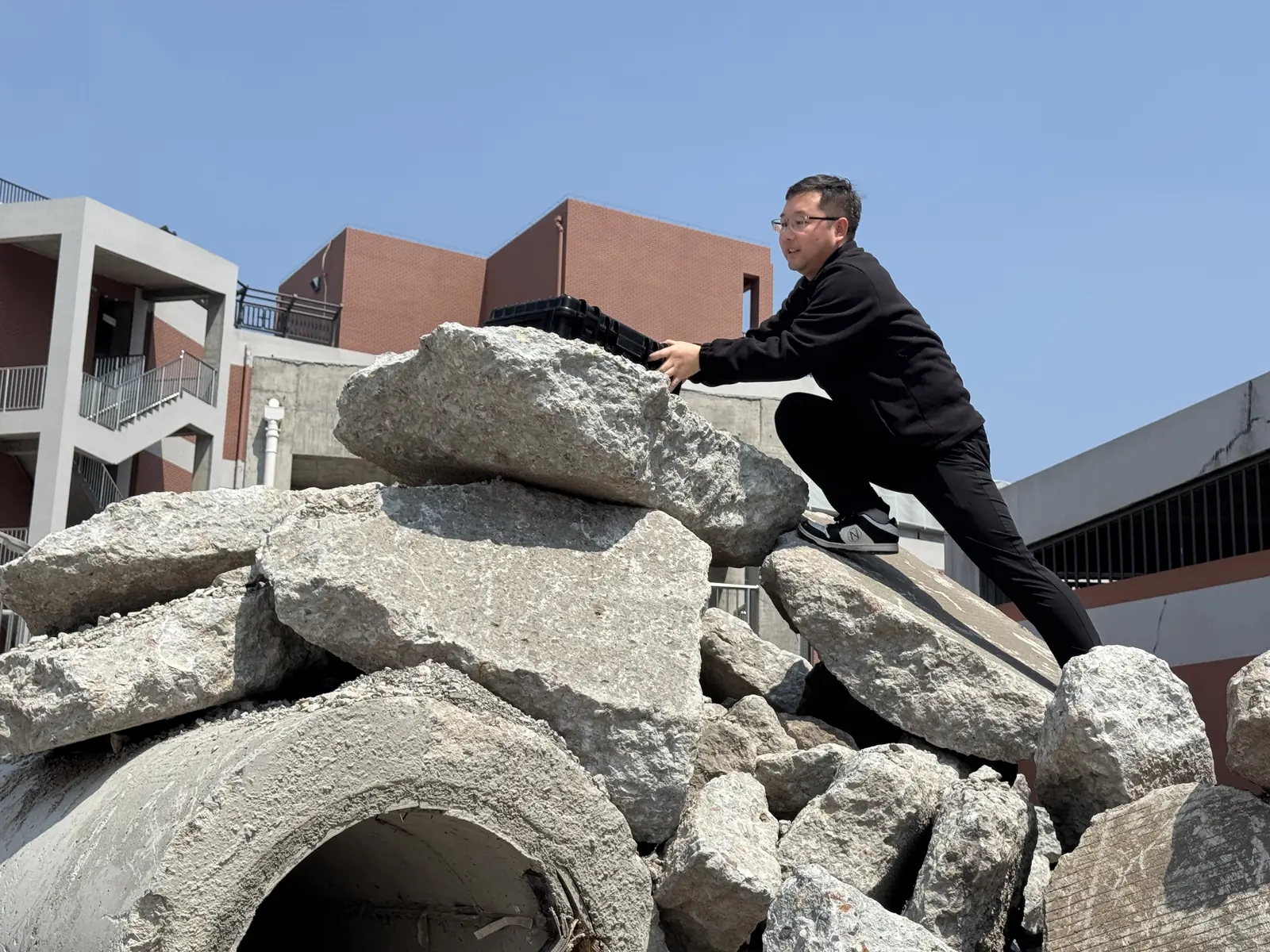
Figure 11. A single operator positions the host against the rubble surface; setup takes minutes with no cabling.
The operator can then read each survivor’s coordinates on the rugged Android terminal from over 100 m away in open ground — well clear of secondary collapse — with an optional plug-in LoRa module extending that range further.
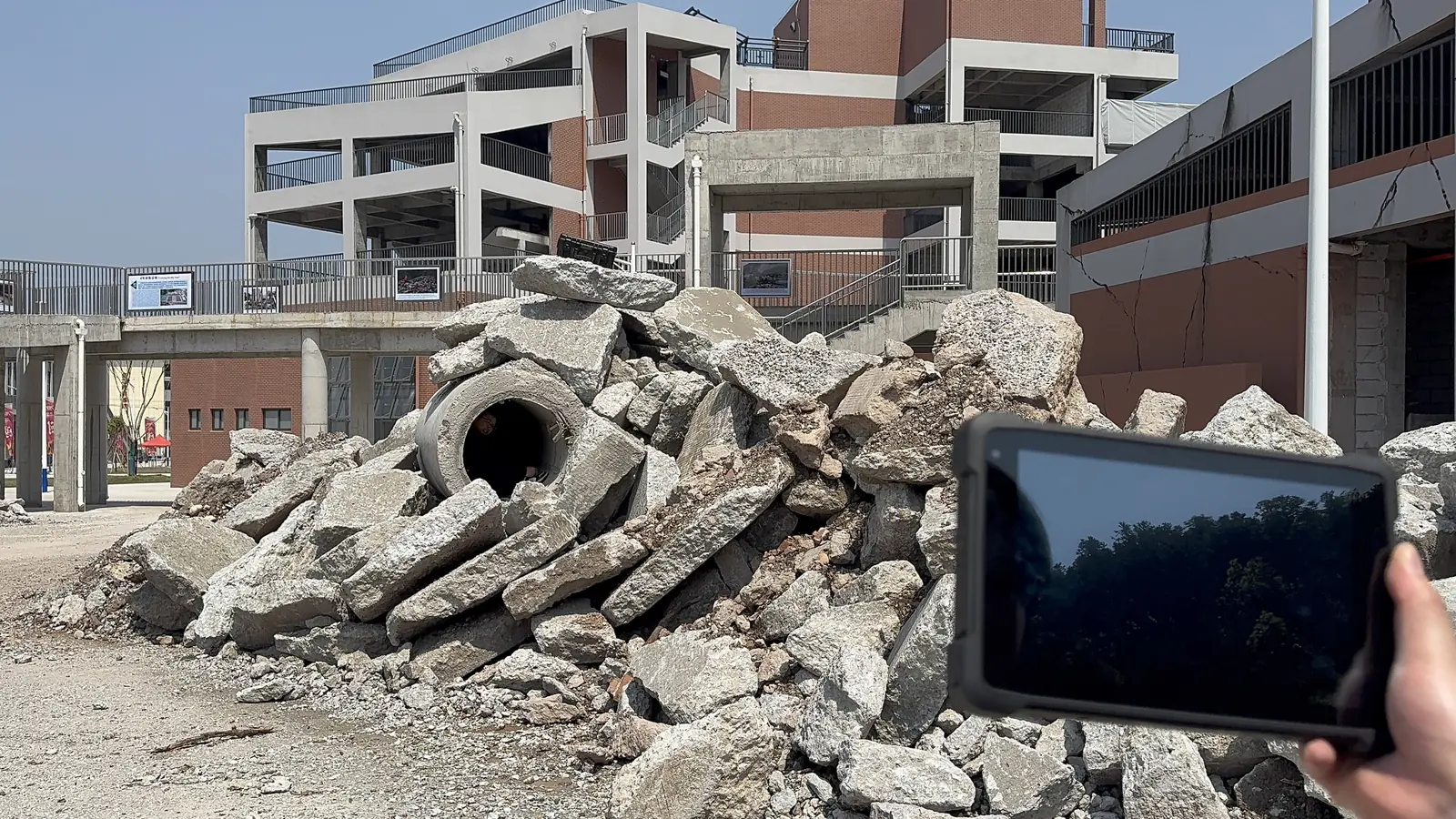
Figure 12. The operator reads survivor coordinates on the rugged terminal at a safe distance from the rubble.
Proven in Real Disasters, Built by a Specialist Manufacturer
LSJ radar life detectors have supported real rescue operations including the 2013 Ya’an earthquake, the 2015 Shenzhen Guangming landslide, the 2020 Quanzhou hotel collapse, the 2022 Changsha building collapse, the 2022 Luding earthquake and the 2023 Türkiye earthquakes. The manufacturer, Beijing Langsenji Technology Co., Ltd., is a national high-tech enterprise whose portfolio includes invention, utility-model and design patents and registered software copyrights; the LSJ-M monitoring software itself holds a computer software copyright registration, and the unit is produced to the XF 3010-2020 fire-fighting radar life detector standard.
Frequently Asked Questions
Q1. How long does it take to deploy the LSJ-M on site?
It is a one-person, toolbox-style kit. Set the radar host against the wall or rubble surface (away from large metal objects), power on the Android handheld terminal, select the environment mode — rubble, air, through-wall, snow or wood — and tap start. The host and terminal connect automatically over Wi-Fi, and target results appear within seconds of a vital-sign echo being locked. Other personnel should stay at least 10 m behind and to the side of the host and remain still during scanning.
Q2. How deep and how far can the LSJ-M detect through concrete?
Rated performance through a 50 cm concrete wall is ≥15 m for static, breathing victims and ≥20 m for moving victims; through a 30 cm aerated-concrete block wall it reaches 30 m static and 35 m moving, and the search depth can be preset to 10, 20, 30 or 50 m. Real earthquake rubble is a stack of many discontinuous, uneven layers, where field experience puts the effective range at roughly 10 m — operators typically scan from multiple points to confirm and triangulate a target.
Q3. How accurate is the location, and can it find several victims?
Rated positioning accuracy is ≤30 cm longitudinally and ≤50 cm laterally, with a ≥98% detection rate. The LSJ-M supports single- and multi-target modes (two or more victims), displays moving and static victims with different symbols, and outputs 2D X/Y coordinates or distance-plus-azimuth, with optional target trajectory tracking.
Q4. Is it safe for survivors and rescue crews?
Yes. The LSJ-M uses micro-power UWB pulses at very low transmit power — far below harmful radiation levels — and adopts an intrinsically safe design in an IP67 enclosure. The victim does not need to respond, make noise or wear any device.
Q5. Can it work in rain, snow, dust and extreme temperatures?
Yes. The IP67 case is dust-tight and tested against water spray with the case closed, and the system operates from −20°C to +60°C (storage −40°C to +70°C). A day/night interface mode, adjustable screen brightness and sound alerts support round-the-clock operations; unlike acoustic search, radar is not affected by on-site noise or weather.
Q6. What materials block the signal?
UWB radar passes concrete, brick, soil, rock, wood and snow, but it cannot penetrate large metal plates, dense rebar or wire mesh, and water absorbs the signal — saturated walls or standing water reduce performance. Operators should avoid aiming at metal-reinforced surfaces and scan from several positions; outdoor placement generally gives cleaner results than enclosed rooms with multipath reflections.
Q7. How is the unit powered, and can the wireless range be extended?
Two removable 7.4 V lithium batteries are supplied; each lasts about 10 hours and they hot-swap in seconds for ~20 h of continuous mission time, and the host also accepts external power. The standard Wi-Fi host-to-terminal link exceeds 100 m in open field; an optional plug-in LoRa module extends that range, and an optional 4G module feeds live data to a cloud monitoring platform.
Q8. Is bulk procurement, OEM, training and documentation available?
Yes — LSJ Security & Rescue supplies fire departments, emergency-management bureaus, rescue teams, distributors and government tenders worldwide, with operator training, periodic inspection visits and full technical documentation including the XF 3010-2020 compliance standard and 7×24 technical support. Use the inquiry form for lead time, quotation, Incoterms, OEM options and on-site or remote training.
| Specification | LSJ-M Radar Life Detector |
|---|---|
| Product type | 2D UWB radar life detector (non-contact through-obstacle survivor locator) |
| Radar technology | Micro-power ultra-wideband (UWB) pulse radar; media-coupling enhanced antenna; automatic media compensation and anti-interference filtering |
| Life signs detected | Breathing, heartbeat and body movement; single & multi-target (2+); static and moving targets shown with different symbols |
| Positioning output | Real-time 2D coordinates (X/Y or distance + azimuth L+θ); target distance, angle and height readout |
| Scan coverage | ≥120° conical coverage (±60°); full-area row-by-row precision scan at 1 m steps |
| Detection range (rated) | Through a 50 cm concrete wall: ≥15 m static / ≥20 m moving; through a 30 cm aerated-concrete block wall: up to 30 m static / 35 m moving |
| Search-depth presets | 10 / 20 / 30 / 50 m, operator-selectable |
| Positioning accuracy | Longitudinal ≤30 cm; lateral ≤50 cm (rated through-wall) |
| Detection rate | ≥98%; built-in human-target recognition automatically filters non-human echoes |
| Environment modes | Rubble, air, through-wall, snow and wood; sensitivity high / medium / low (default high) |
| Penetration media | Concrete, brick, soil, rock, wood, snow and other non-metallic, low-moisture materials (cannot penetrate metal or water) |
| Display & control | Built-in radar-host display plus rugged Android handheld terminal (PDA); dual-screen real-time sync; bilingual Chinese/English UI; day/night mode; detection-data recording & playback |
| Wireless link | Wi-Fi host-to-terminal link, >100 m in open field; optional plug-in LoRa module for extended range; optional 4G cloud monitoring platform |
| Power | Two removable 7.4 V rechargeable lithium batteries, ~10 h per battery (hot-swap, ~20 h total); battery or external-power supply; host charger, terminal charger and battery dock charger included |
| Case dimensions | 473 × 372 × 191 mm (±10%), toolbox-style integrated protective case |
| Weight | 7.9 kg including one battery (±10%) |
| Protection & safety | IP67 dust-tight / water-spray tested with case closed; intrinsically safe design; 1 m drop rated; three-axis vibration resistant |
| Operating temperature | −20°C to +60°C |
| Storage temperature | −40°C to +70°C |
| Vibration | 10–150 Hz, 2 g acceleration, 1 octave/min sweep, one cycle per axis |
| Standard configuration | Radar host ×1, Android handheld terminal ×1, lithium batteries ×2, terminal charger, host charger, battery dock charger, protective case ×1; external antenna optional |
| Compliance standard | XF 3010-2020 Fire-fighting radar life detector |
| Manufacturer | LSJ Security & Rescue — Beijing Langsenji Technology Co., Ltd. (national high-tech enterprise) |