
All Categories
Radar Life Detector

Home /  Products /  Urban Search and Rescue /  Radar Life Detector

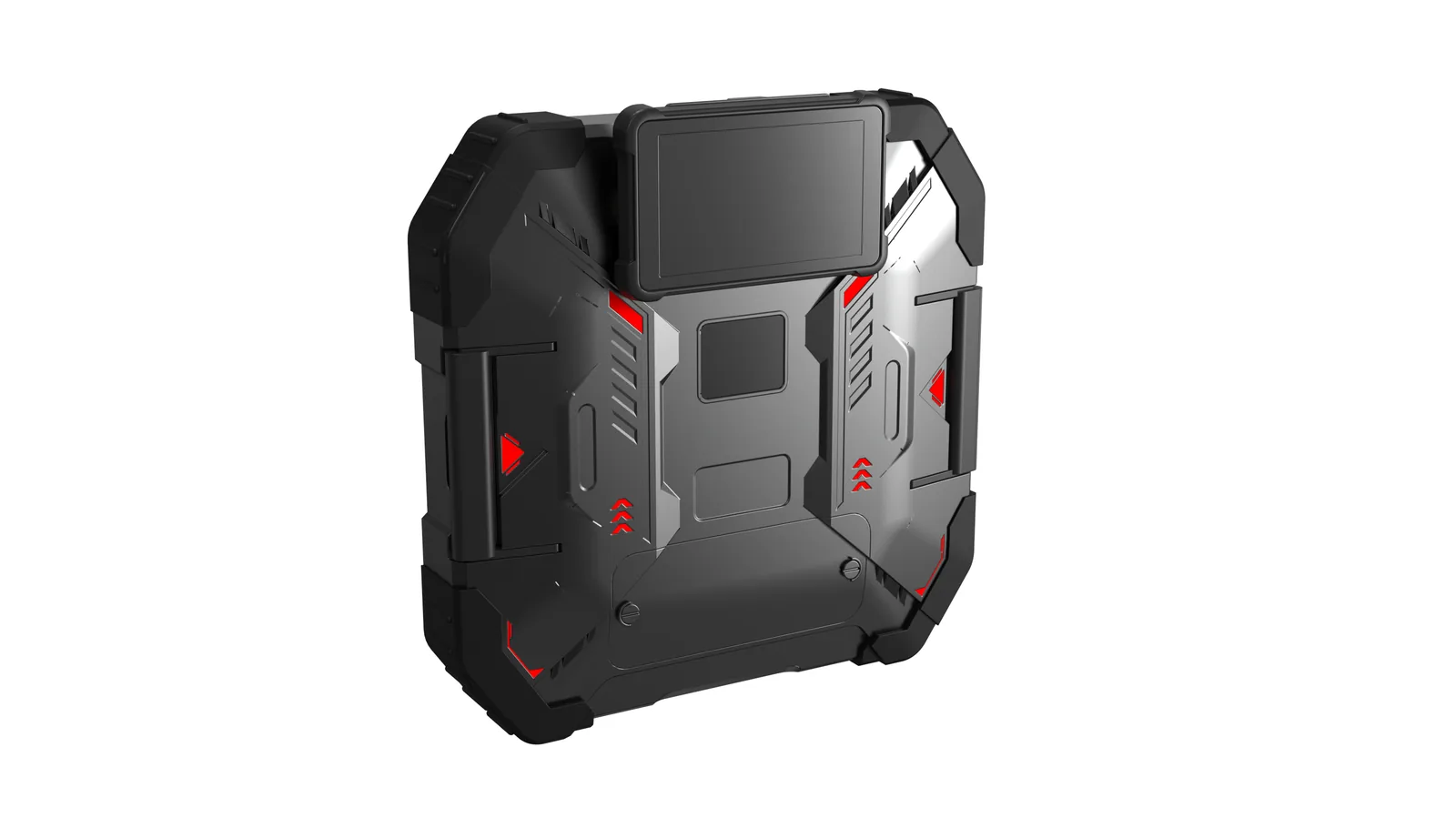
Radar Life Detector LSJ-M

Why rescue teams choose the LSJ-M
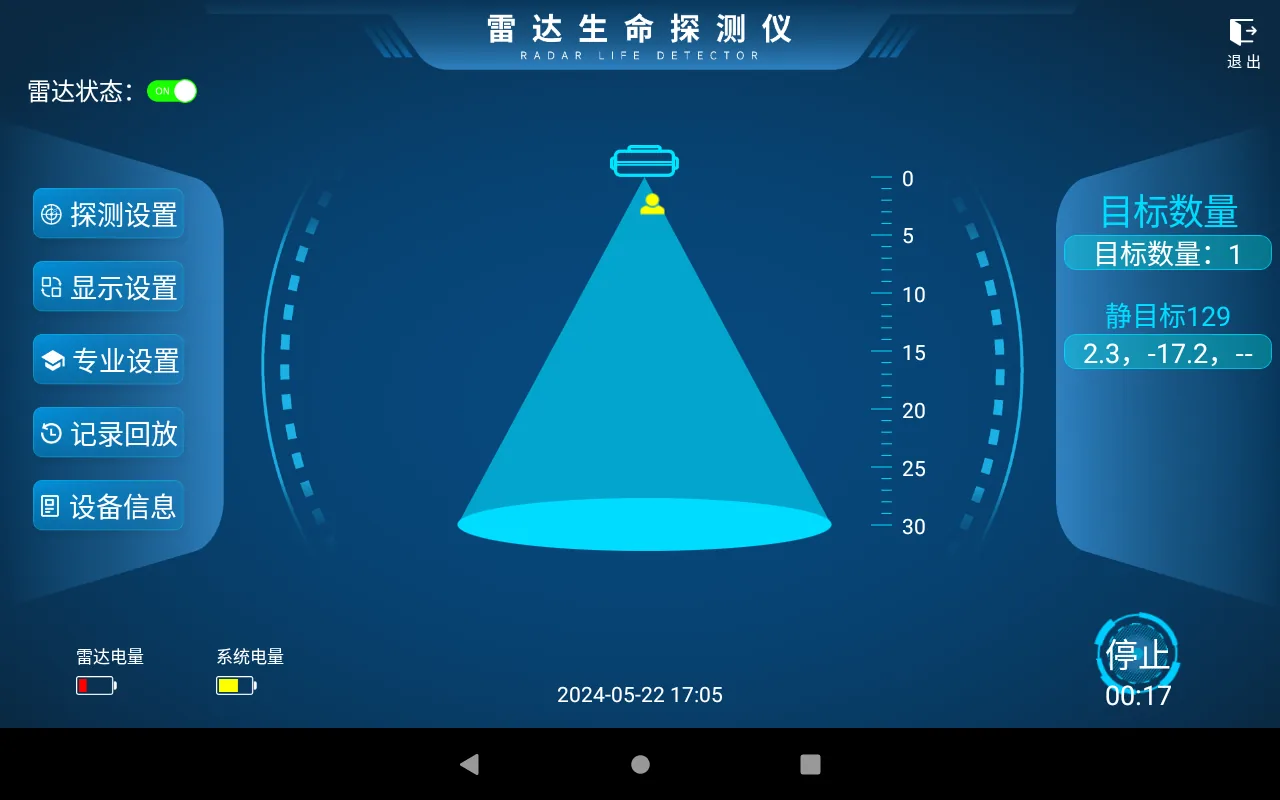
✓  120° conical 2D scan (±60°), full-area row-by-row sweep with X/Y coordinates
✓  Penetrates a 50 cm concrete wall — 15 m static / 20 m moving, 10–50 m presets
✓  Accuracy ≤30 cm / ≤50 cm, detection rate ≥98%
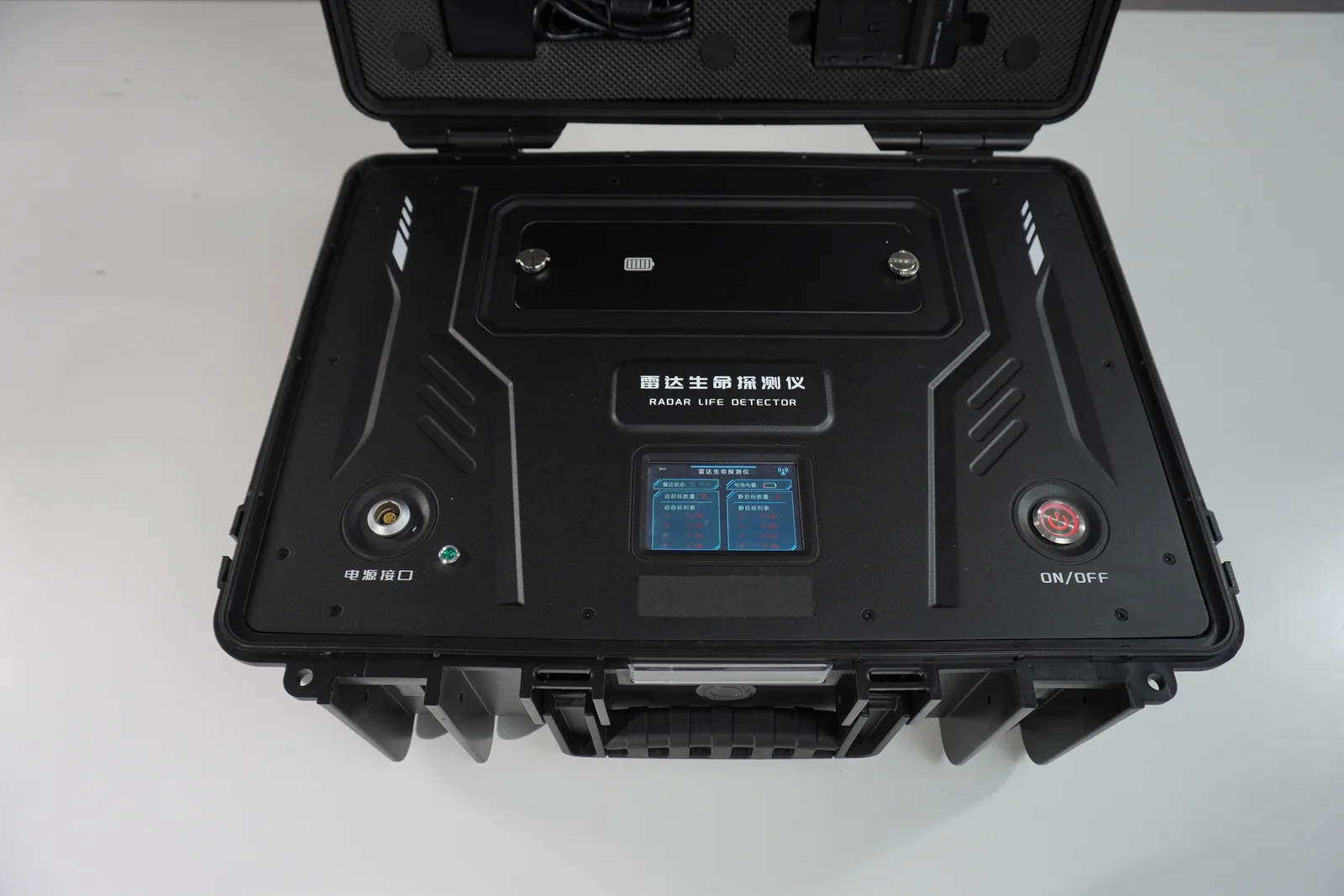
✓  IP67 & intrinsically safe, −20°C to +60°C, 1 m drop, only 7.9 kg
✓  100 m+ Wi-Fi control, dual-screen sync, 2× hot-swap batteries for ~20 h
  • Description
  • Parameter
  • Recommended Products

Description

Core Capabilities

Every Second Counts Under Rubble

Thermal imaging tools designed to help incident teams assess visibility-limited environments and support search, inspection, and command decisions.

Thermal imaging in a smoke-filled environment
CAPABILITY 01

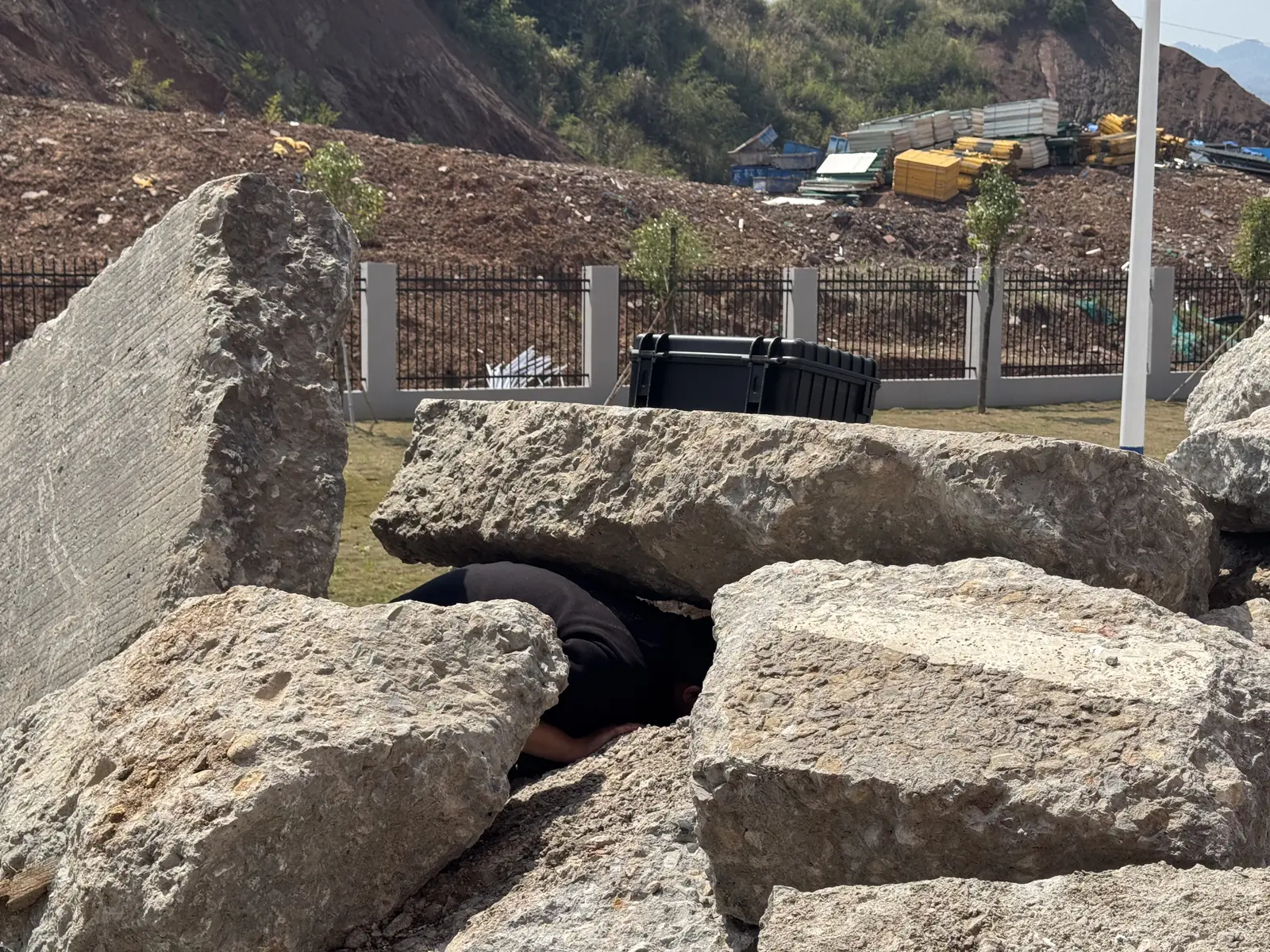
See Through Debris

The stated Micro-power UWB pulse radar, 12 μm pixel pitch, and NETD below 30 mK support recognition of subtle temperature differences.

  • Helps identify heat signatures and structural features where visible-light cameras are limited by smoke
  • 120° conical scan frame rate supports smoother scanning while moving
  • Selectable palettes help crews distinguish temperature differences
CAPABILITY 02

Know Exactly Where to Dig

The stated -20°C to 1,200°C measurement range uses automatic range switching to support both lower-temperature search tasks and assessment of high-heat areas.

  • Lower range (-20°C to 150°C) for personnel search and residual hot-spot checks
  • Upper range (0°C to 1,200°C) for high-temperature scene assessment
  • Center-point and maximum-temperature tracking with configurable alerts
Handheld thermal camera with wide measurement range
Display and gloved operation in field conditions
CAPABILITY 03

Dual-Screen Remote Operation

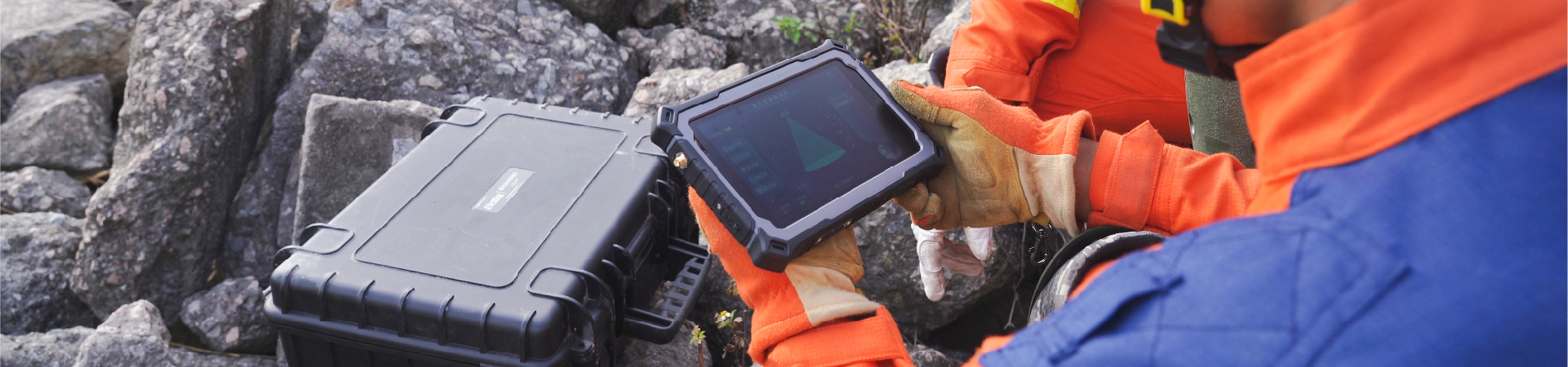
A Rugged Android handheld terminal with dual-screen sync provides a larger viewing area than an eyepiece-based design. Physical controls support operation with protective gloves.

  • Large display for scanning and sharing observations on scene
  • Tactile buttons for switching modes while wearing gloves
  • Ergonomic grip; stated weight approximately 890 g including battery
CAPABILITY 04

IP67 and Intrinsically Safe Protection

The stated IP67 enclosure rating and 2 m drop design address the handling demands of fire and rescue operations. Request test documentation for procurement review.

  • Sealed housing rated IP67 for dust and water ingress protection
  • Shock-absorbing construction designed for a 2 m drop
  • Stated operating temperature: -20°C to +60°C; confirm exposure limits for specific applications
Water-resistance test and rugged housing
Camera assembly and product testing
CAPABILITY 05

2D Coordinates and Target Tracking

The stated 2D coordinates eMMC storage supports thermal-image capture and video recording for incident documentation and post-operation review.

  • Capture still images and video directly from the camera
  • USB Type-C connection for transferring recorded material
  • Ask the supplier about metadata formats and compatible external display options
CAPABILITY 06

Up to 20 Hours with Hot-Swap Batteries

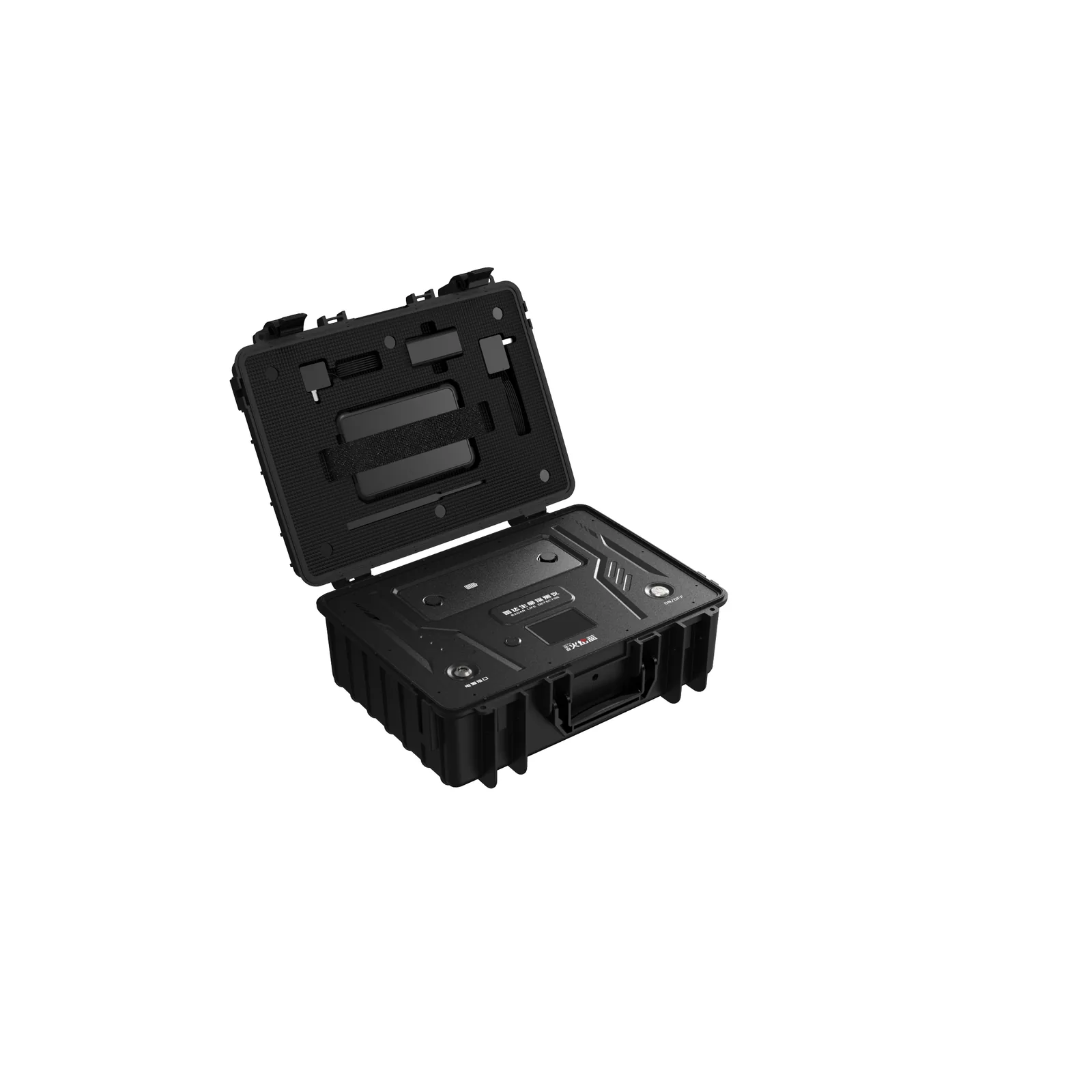
The proposed kit includes two rechargeable batteries and a carrying case to support deployment, charging, and equipment handling across shifts.

  • Stated run time of at least 6 hours per fully charged battery
  • Dual-slot charging dock; confirm vehicle-power accessories when ordering
  • Protective carrying case for storage and transport
Battery accessories and carrying case

Request the LSJ-M radar life detector specification and quotation.

Share your rescue scenario, required range and delivery country for a technical review.

Applications

UWB Radar Life Detection for Search and Rescue

Applicable to municipal fire services, industrial emergency teams, hazardous-materials sites, and wildfire response units, subject to operational requirements.

Structural firefighting and search operations

Urban Search & Rescue

Use thermal contrast to assist with locating people, assessing access routes, and identifying heat patterns in smoke-filled structures. Always apply established entry and rescue procedures.

Overhaul and residual hot-spot inspection

Collapse and Landslide Response

After suppression, scan ceilings, partitions, voids, and stored materials for thermal anomalies that may warrant closer inspection and follow-up.

Industrial site inspection and emergency response

Mine, Tunnel and Civil Defence

Assess surface temperature patterns on tanks, process equipment, and electrical enclosures. Thermal imaging is an inspection aid, not a stand-alone gas-leak detector.

Operational Scenario

Locate Survivors Through Debris

The scenario below illustrates how a thermal camera may support an incident team. It is not a documented customer case study.

Illustrative warehouse fire response scenario

Map the Survivor, Not Just the Echo

Situation

A warehouse fire creates dense smoke and limits visual assessment of storage aisles and overhead structures.

Potential use

A team could use the LSJ-M to compare thermal patterns along access routes, check for potential occupants, and identify elevated temperatures for further assessment. Thermal images cannot see through solid walls and must be interpreted alongside other scene information.

Decision support

Findings may inform search priorities and structural risk discussions under the incident commander's procedures. Outcomes depend on conditions, training, and additional equipment.

Why Work With LSJ

Manufacturing Capability
Built Around Procurement Needs

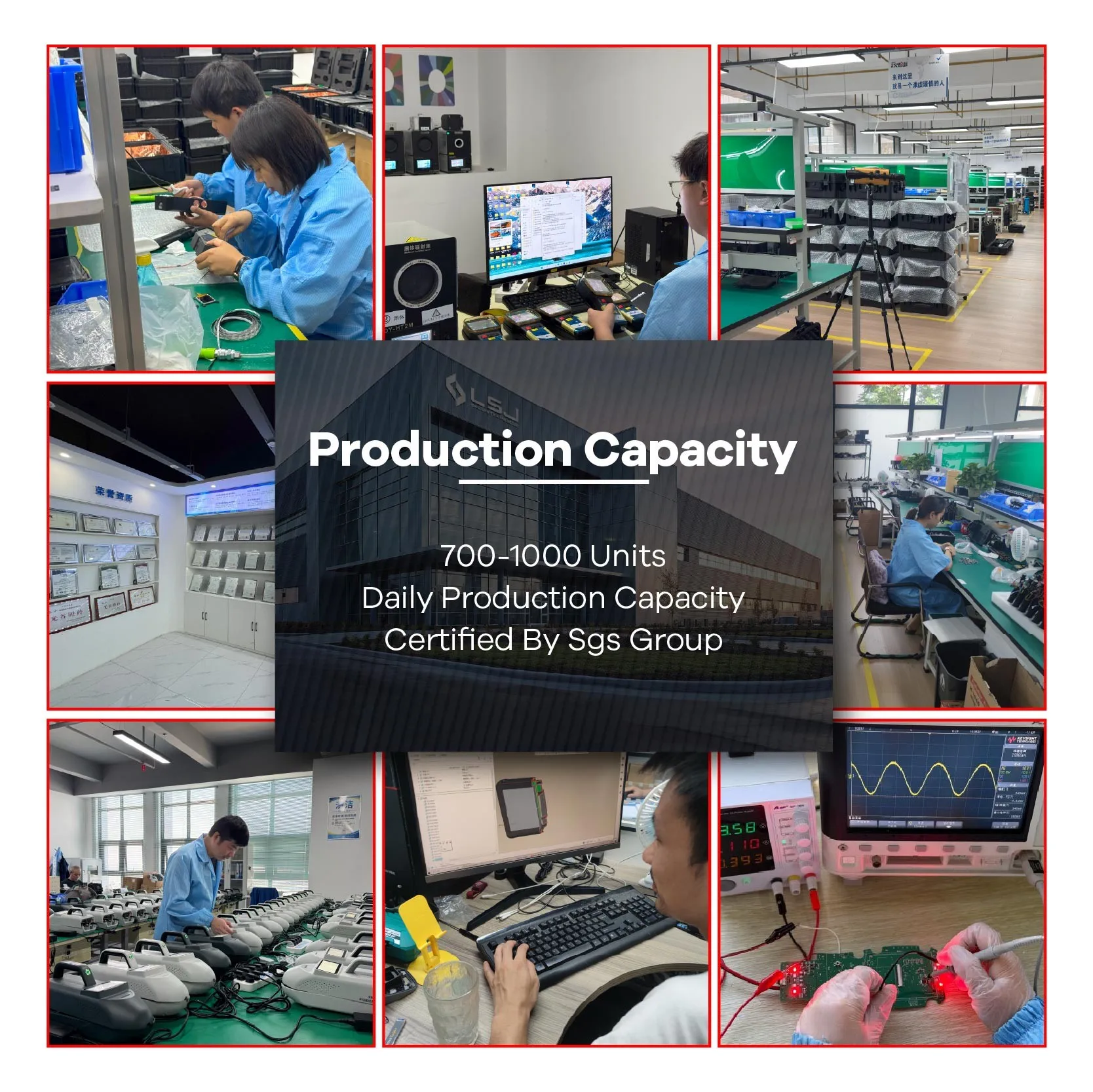
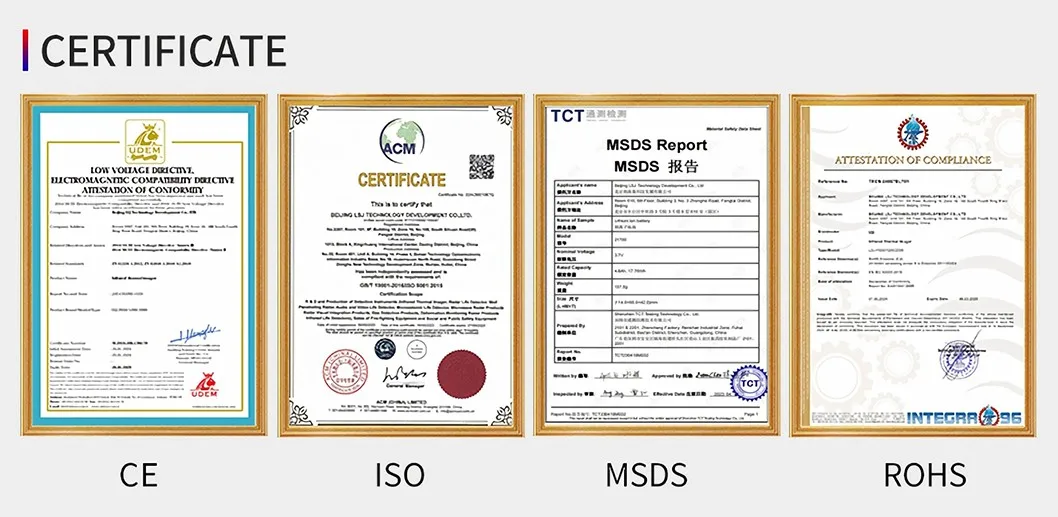
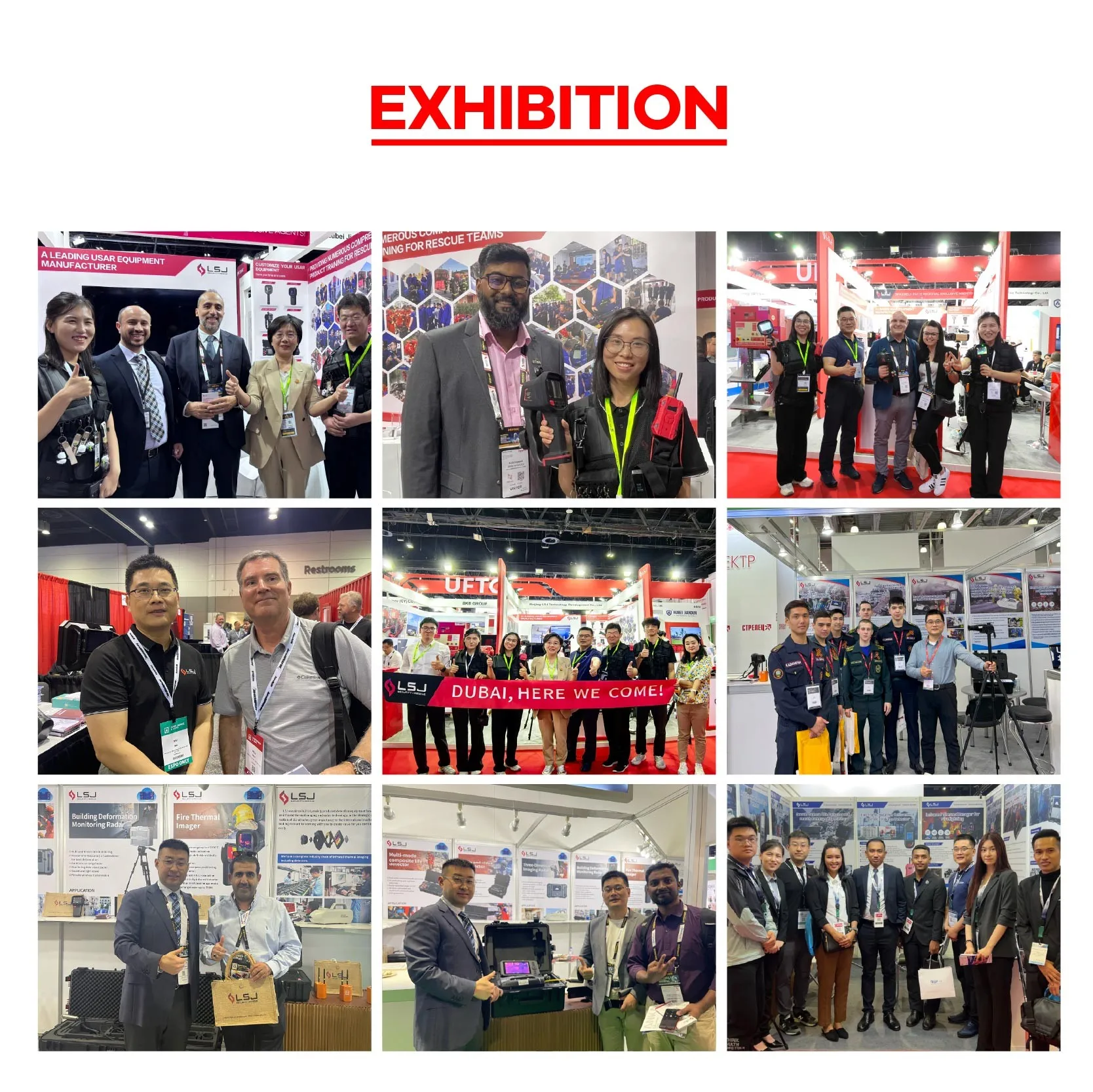
Explore the production facilities, compliance documents, and international exhibitions presented in the materials below. Confirm product-specific certifications and production capacity with the supplier before placing an order.

700-1,000units/day Capacity stated in
supplied factory image
4document types CE · ISO · MSDS · RoHS
shown in supplied image
GLOBAL International trade-show
engagement
Supplied collage of LSJ manufacturing, assembly, and testing areas
01 · PRODUCTION

Assembly and Testing Capability

The supplied factory imagery shows assembly and testing activities and states a capacity of 700-1,000 units per day. Confirm the applicable product line, current capacity, and lead time when requesting a quote.

Supplied collage of CE, ISO, MSDS, and RoHS-related documents
02 · CERTIFIED

Documentation for Due Diligence

Request current, product-specific documents and verify their scope before use in a tender or import review.

CEISOMSDSRoHS
LSJ team and visitors at international trade exhibitions
03 · GLOBAL

Product Discussions at Global Events

Explore images of industry exhibitions and in-person discussions with international partners and emergency-response professionals.

Click an image for a larger view · Request a facility visit or document verification
Request an Operating Demonstration

Ask about gloved operation, imaging modes, and temperature measurement

Operation Video

See the LSJ-M in Operation

Watch the LSJ-M demonstration to understand radar deployment, dual-screen monitoring, target coordinates and safe-distance operation.

  • Designed for one-handed operation with protective gloves
  • Switch between firefighting, search and rescue, and temperature modes
  • Review temperature readings and thermal contrast in the field

Technical Specifications

LSJ-M Technical Specifications

Specifications below reflect the source material for this page and should be confirmed against the latest manufacturer datasheet and applicable test reports before procurement.

Parameter Stated Specification
Product type 2D UWB radar life detector; non-contact through-obstacle survivor locator
Radar technology Micro-power ultra-wideband pulse radar; media-coupling enhanced antenna; automatic compensation and anti-interference filtering
Life signs detected Breathing, heartbeat and body movement; single and multi-target modes
Positioning output Real-time 2D coordinates (X/Y or distance plus azimuth); target distance, angle and height
Scan coverage ≥120° conical coverage (±60°); row-by-row precision scan at 1 m steps
Detection range Through 50 cm concrete: ≥15 m static / ≥20 m moving; through 30 cm aerated concrete: up to 30 m static / 35 m moving
Search-depth presets 10 / 20 / 30 / 50 m
Positioning accuracy Longitudinal ≤30 cm; lateral ≤50 cm
Detection rate ≥98%; human-target recognition filters non-human echoes
Environment modes Rubble, air, through-wall, snow and wood; high / medium / low sensitivity
Penetration media Concrete, brick, soil, rock, wood and snow; cannot penetrate metal or water
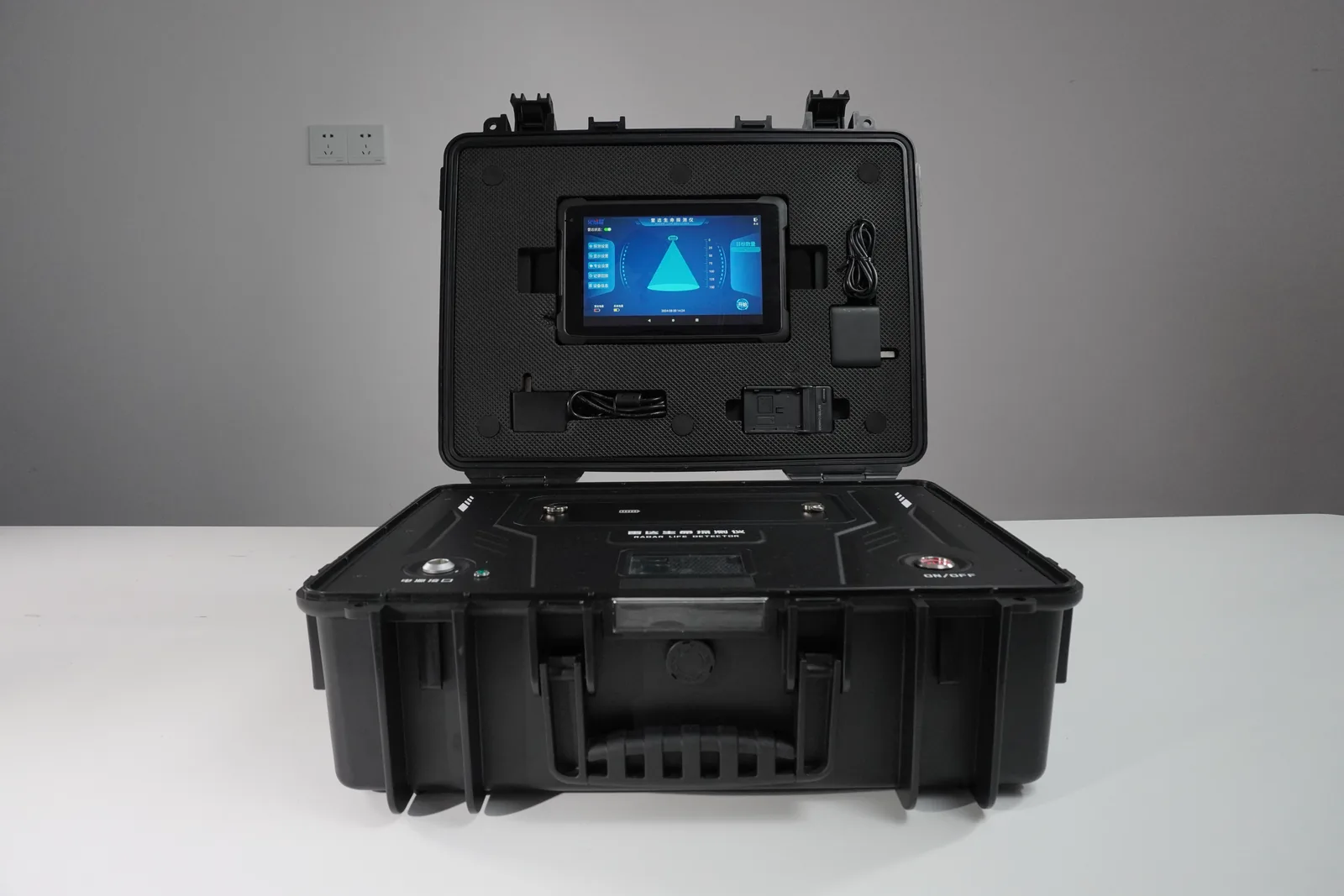
Display & control Built-in radar-host display plus rugged Android terminal; dual-screen sync; bilingual UI; day/night mode
Wireless link Wi-Fi host-to-terminal link >100 m in open field; optional LoRa and 4G cloud monitoring
Power Two removable 7.4 V batteries, about 10 hours each; hot-swap, about 20 hours total
Case / weight 473 × 372 × 191 mm case; 7.9 kg including one battery
Protection IP67, intrinsically safe, 1 m drop rated, three-axis vibration resistant
Operating / storage temperature −20°C to +60°C operating; −40°C to +70°C storage
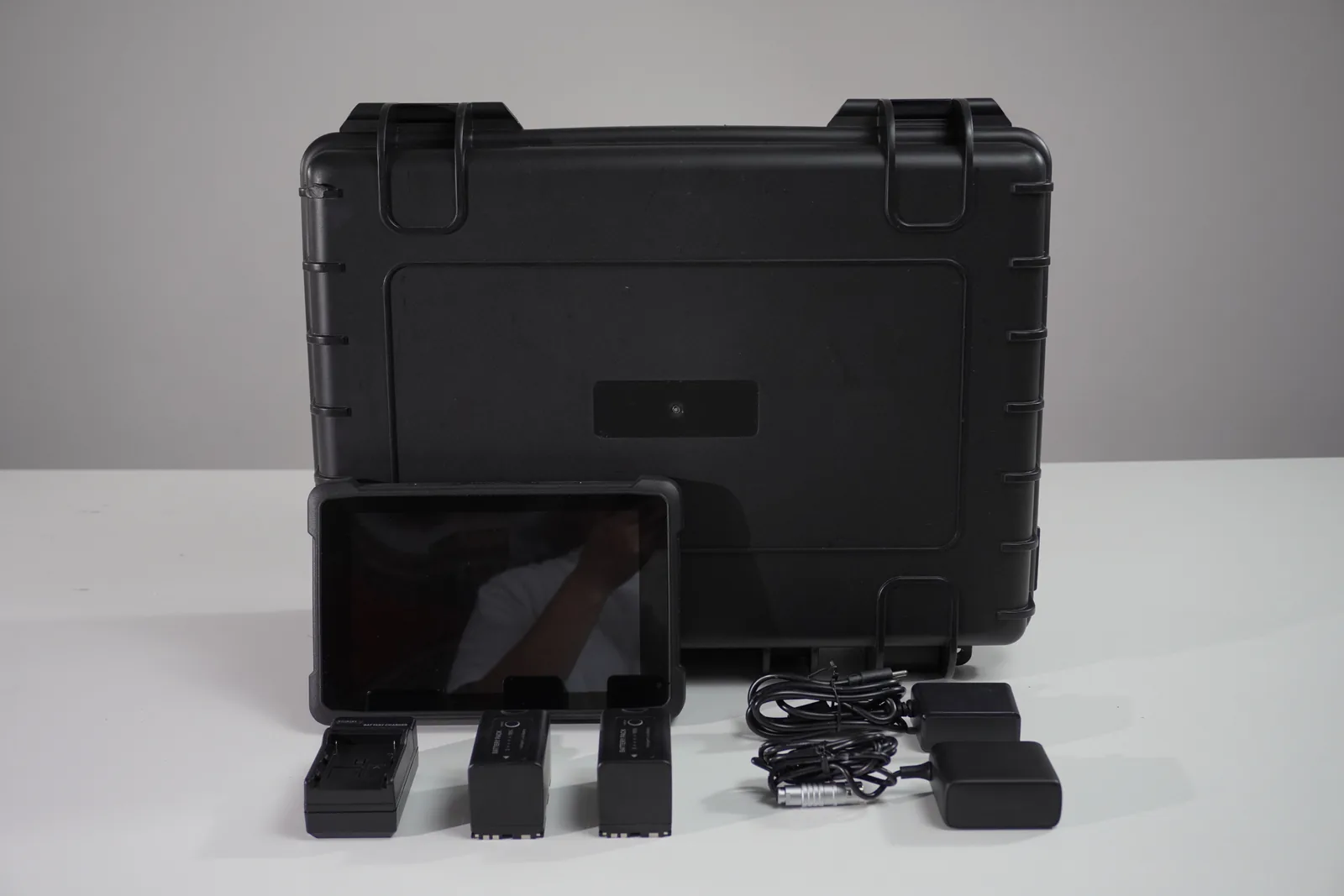
Standard configuration Radar host, Android terminal, two batteries, three chargers, protective case
Compliance standard XF 3010-2020 fire-fighting radar life detector

Frequently Asked Questions

Procurement and Deployment

Answers to common questions from fire-service procurement teams and end users. Confirm all commercial and technical terms with the supplier.

How does the LSJ-M differ from a general-purpose industrial thermal camera?

The proposed firefighting configuration emphasizes gloved controls, IP67-rated enclosure protection, a stated 2 m drop design, and temperature measurement up to 1,200°C. Review the applicable test reports and compare each specification with your tender requirements before selection.

How accurate is the location, and can it find several victims?

Battery performance varies with temperature, operating mode, and battery condition. The stated nominal runtime is at least 10 hours per battery; request a cold-temperature runtime test for deployment at -20°C rather than applying the nominal figure to all conditions.

What is included in the standard LSJ-M kit?

The source page lists one LSJ-M camera, two rechargeable batteries, a dual-slot charging dock, power adapter and data cable, wrist strap, and a carrying case. Request a written packing list and any inspection documents before ordering; contents can vary by contract.

Can we arrange a demonstration or request tender documents?

Contact the supplier with your organization, intended use, quantities, and delivery market. Ask about demonstration availability, a compliance matrix, test reports, and manufacturer authorization where required; availability and terms must be confirmed in writing.

What warranty and calibration support is available?

Request written warranty coverage, service turnaround, spare-parts availability, and recommended calibration intervals in the quotation. Inspection and recalibration may be advisable after severe heat exposure or impact; service terms depend on the purchase agreement.

Supplier Support

Support from Selection to Service

Technical Selection

Discuss use cases, operating conditions, and specification requirements with the supplier's technical team.

Rescue Training and Deployment Support

Request product-specific reports, compliance information, and demonstration options for procurement review.

Technical Support and Documentation

Confirm warranty, replacement parts, calibration, and repair arrangements for your delivery market.

LSJ · Fire & Rescue Equipment LSJ-M Firefighting Thermal Imaging Camera · © 2026

Get a Free Quote

Our representative will contact you soon.
Email
Name
Mobile
Company Name
Message
0/1000

Get a Free Quote

Our representative will contact you soon.
Email
Name
Mobile
Company Name
Message
0/1000

Get a Free Quote

Our representative will contact you soon.
Email
Name
Mobile
Company Name
Message
0/1000
radar life detector985-0

Copyright © Beijing LSJ Technology Development Co., Ltd. All Rights Reserved  -  Privacy Policy