All Categories
Radar Life Detector

Home /  Products /  Urban Search and Rescue /  Radar Life Detector

Handheld Mini Through Wall Imaging System

Through-Wall L-Band Radar + 384x288 Uncooled Thermal Imager + 1080P Low-Light Camera in One <=3 kg Handheld Unit

Brand:
LSJ
Why Rescue Teams Choose LSJ
Radar + Thermal, One-Key Switch — L-band through-wall radar, 384×288 thermal imager and 1080P low-light camera fused in 1 handheld unit
12 m Through-Wall Detection — ≥12 m moving / ≥10 m static through a 24 cm solid brick wall, within ±30 cm
120° Scan, Multi-Target — moving & breathing victims together, ≤5 s response, ≥90% recognition
Sees Through Smoke & Fire — NETD ≤50 mK thermal with -20 °C to 1200 °C measurement and hot-spot tracking
IP66 & Under 3 kg — glove-friendly keys, ≥4 h runtime, 1 m drop tested, Type-C charging
  • Description
  • Parameter
  • Recommended Products

Description

Core Capabilities

Three Sensor Bands, One Handheld Detector

L-band through-wall radar, a 384 × 288 thermal imager and a low-light visible camera share one housing, one screen and one battery — so a search team can sweep, penetrate and confirm without changing instruments on site.

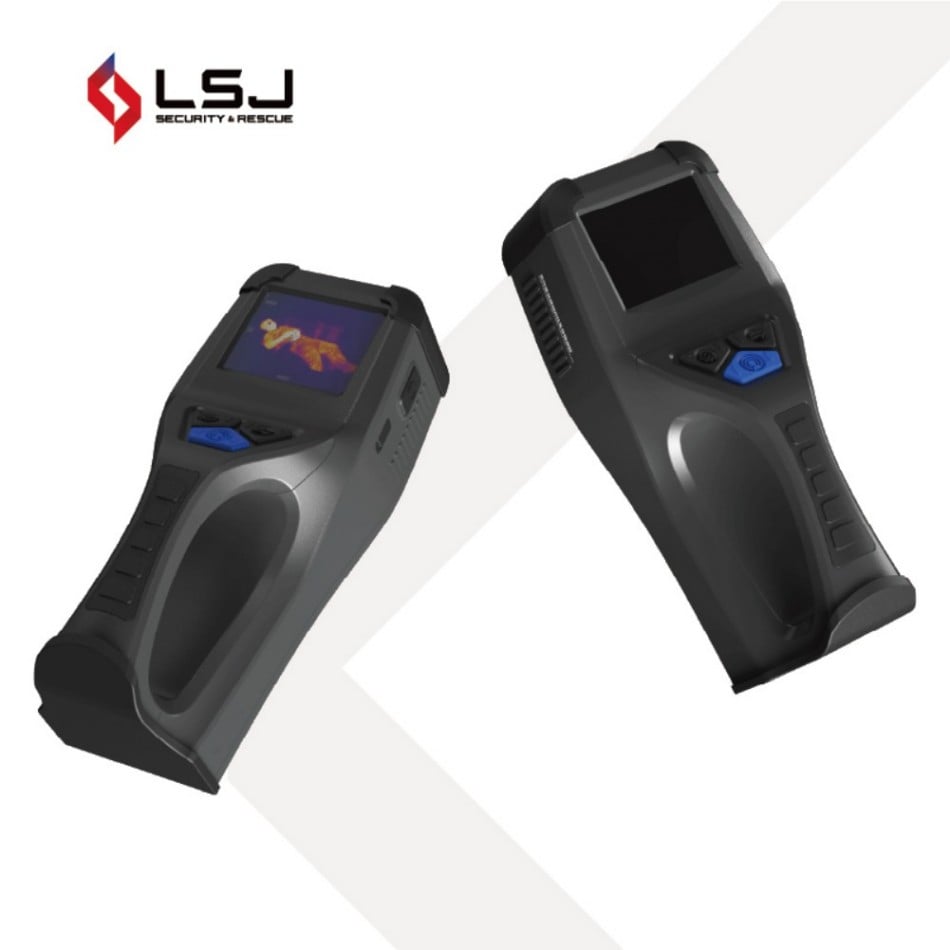
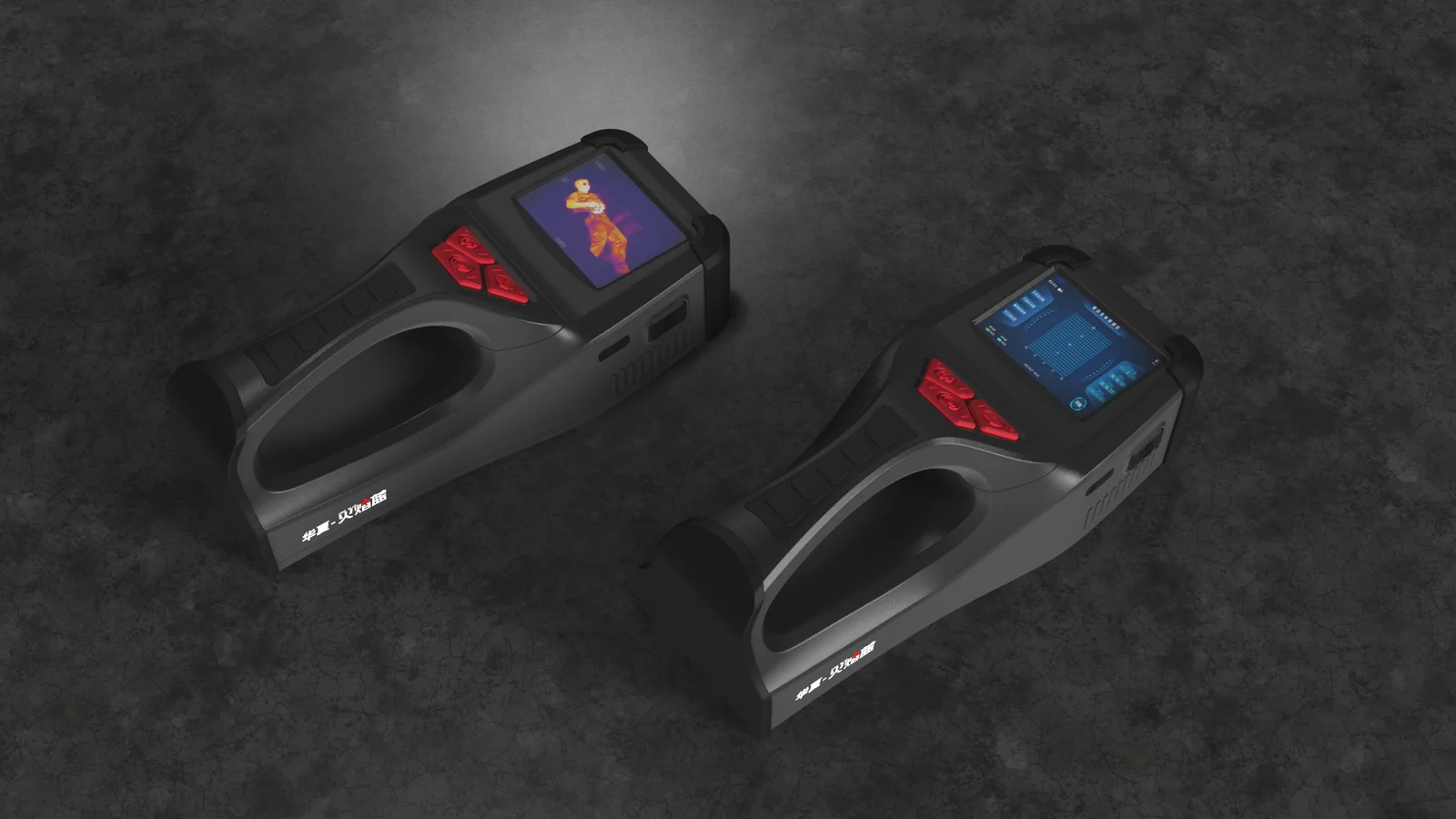
Two multi-band life detectors side by side, one showing a thermal image and one showing the radar target display
CAPABILITY 01

Radar, Thermal and Visible in One Housing

The three channels are integrated into a single unit of 3 kg or less rather than carried as separate instruments. Radar reports where a target is behind cover, thermal confirms the heat signature in smoke or darkness, and the visible camera records the approach path.

  • L-band continuous-wave radar, 384 × 288 uncooled thermal imager and low-light CMOS above 1920 × 1080 in one body
  • One screen shows target coordinates, target count, live video, battery level and working status
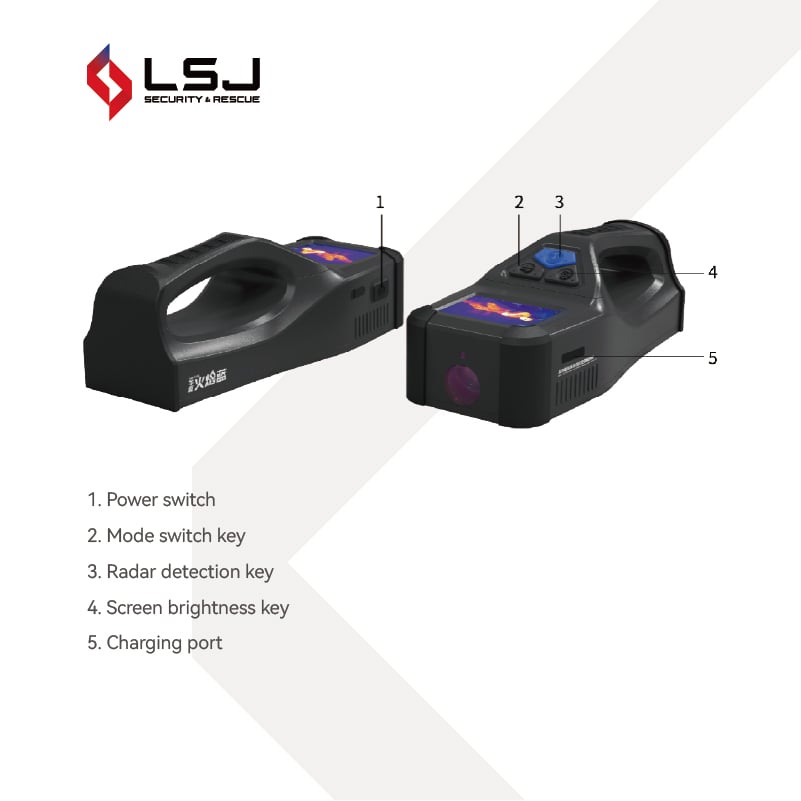
  • One-key mode switching between radar, thermal and visible — no module swap at the rescue site
CAPABILITY 02

L-Band Radar: 12 m on the Move, 10 m Standing Still

Through a solid brick wall at least 24 cm thick, the radar reports moving targets at 12 m or more and motionless but breathing victims at 10 m or more, with location accuracy within ±30 cm.

  • Detection beam of 120° (±60°) covers a room from a single stance
  • Moving targets reported within 5 s; stationary victims found by respiratory micro-motion within 20 s
  • Target recognition probability of 90% or more, with a low false-alarm design and multi-target symbols
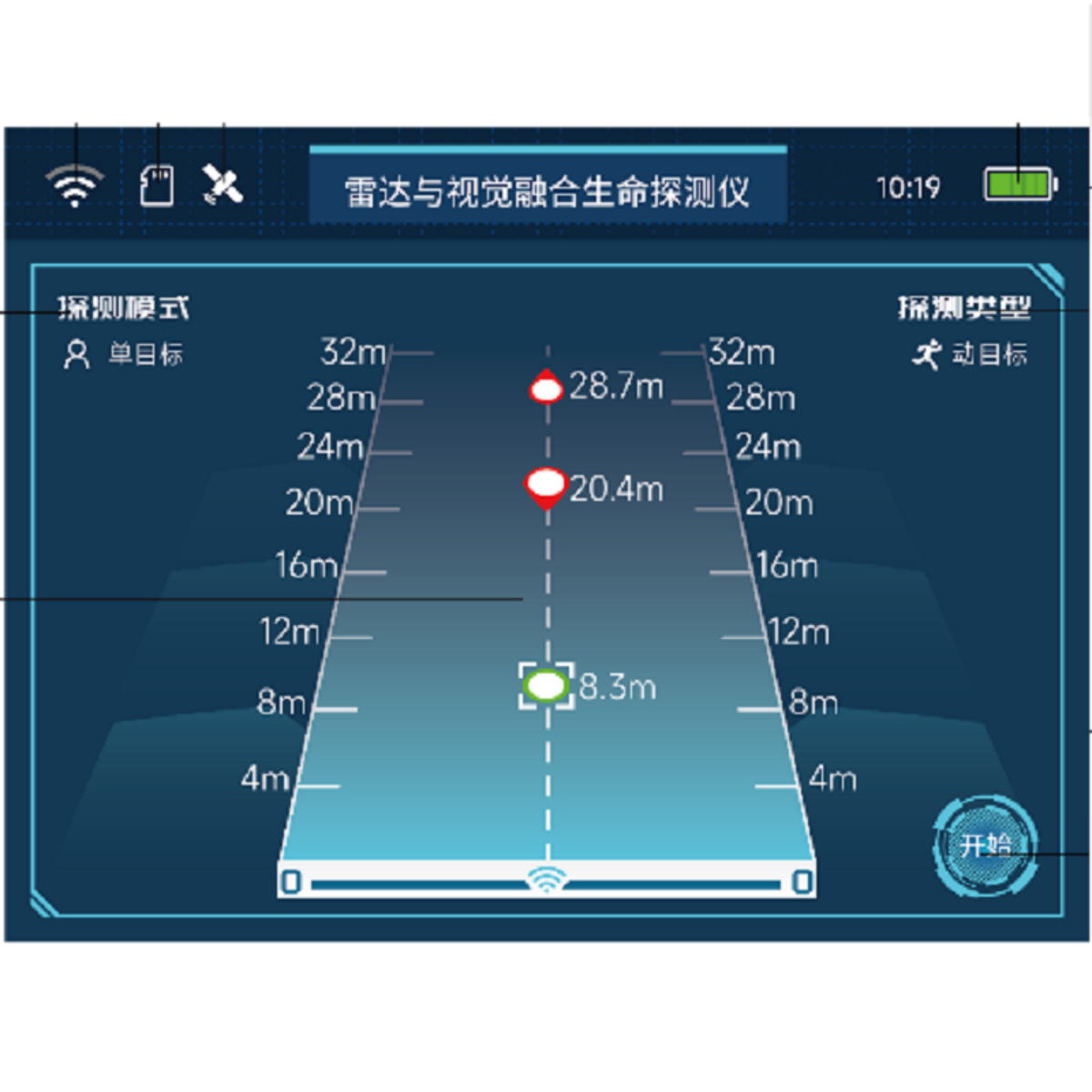
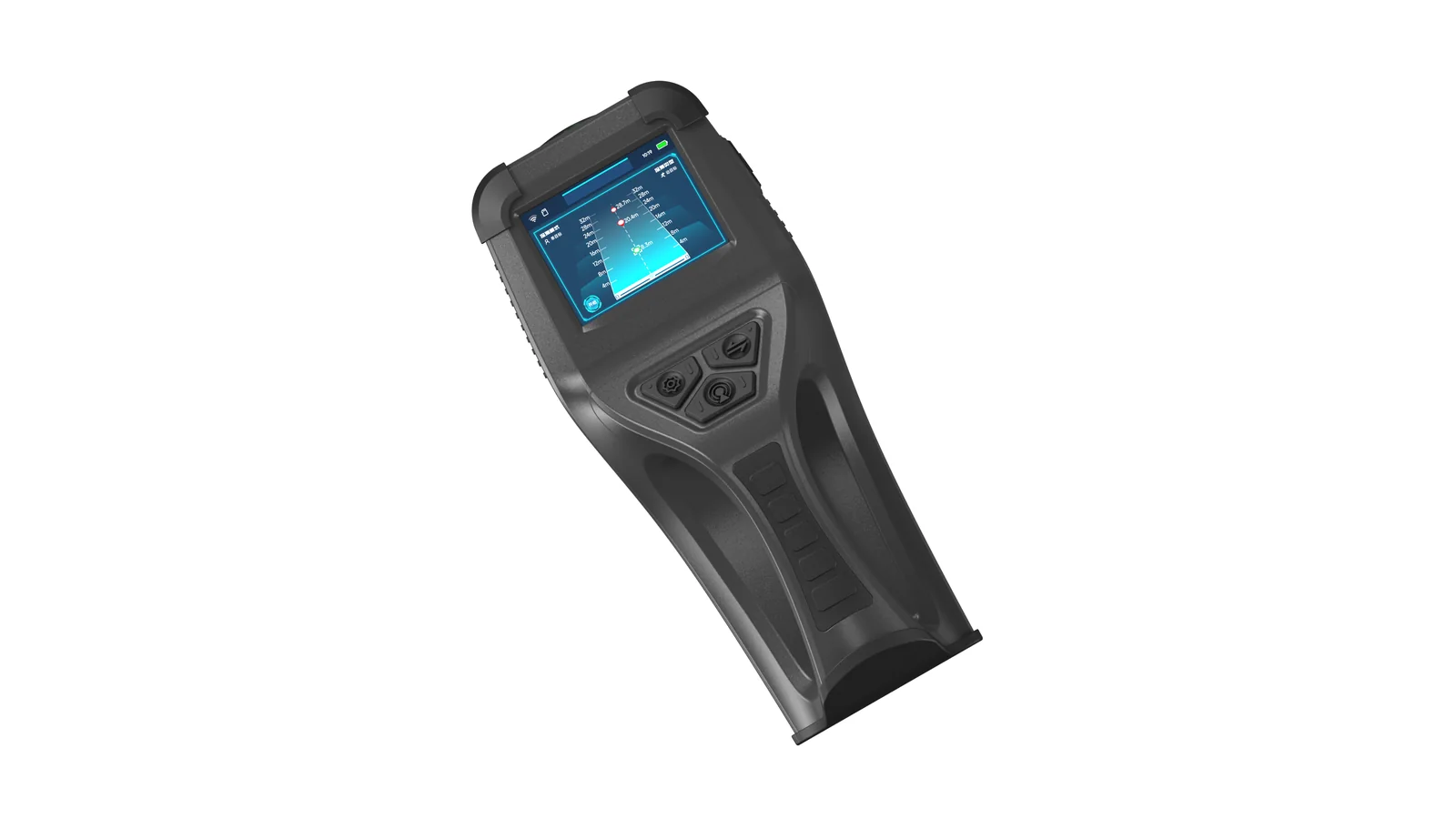
Radar interface with distance rings to 32 m, live target markers and the scanning cone
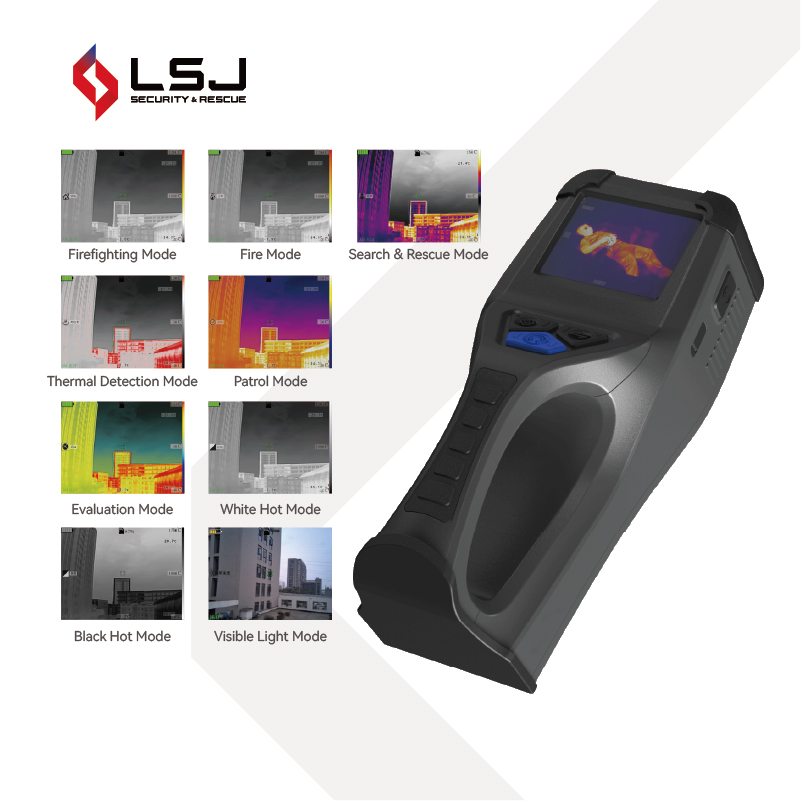
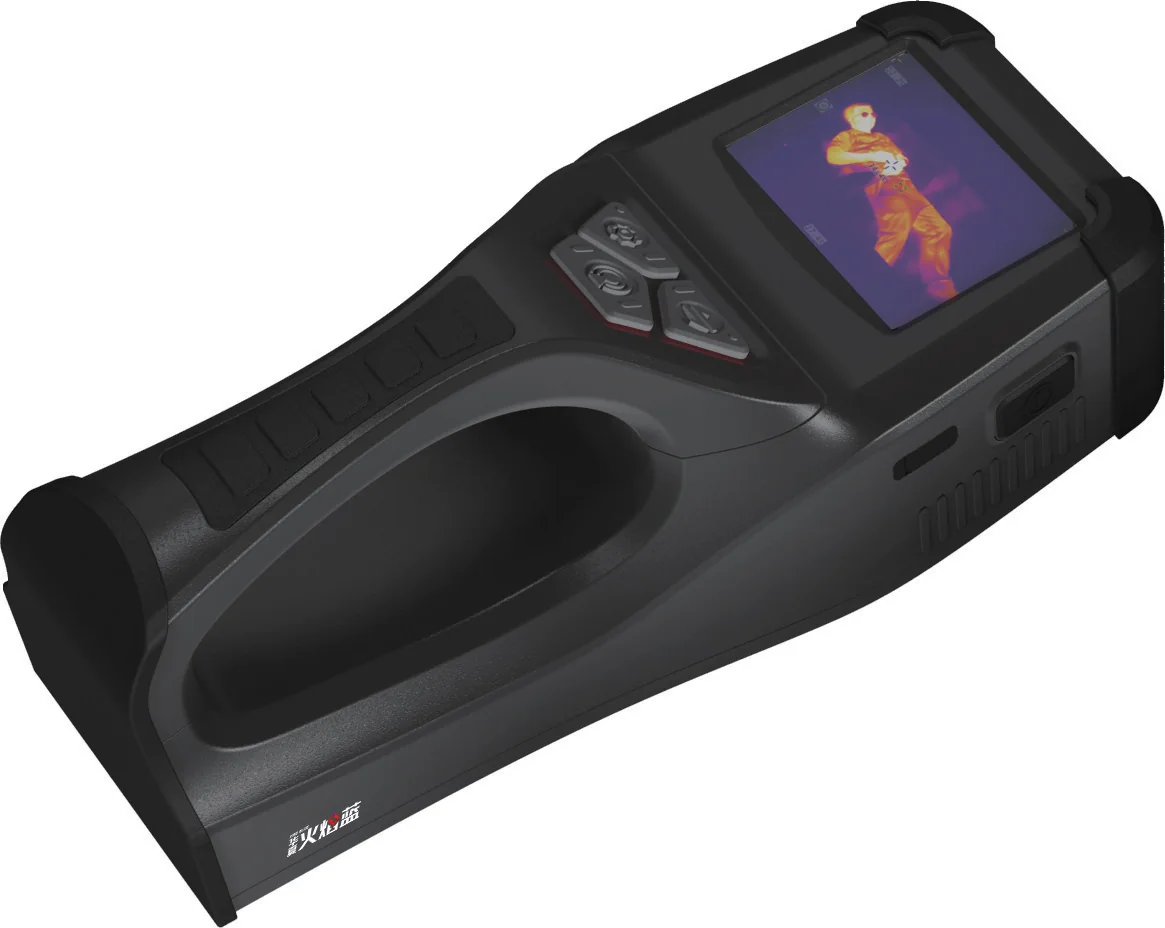
Thermal mode rendering of a trapped person on the 3.5-inch display
CAPABILITY 03

384 × 288 Thermal from −20 °C to 1200 °C

An uncooled 384 × 288 focal-plane array with thermal sensitivity of 50 mK or better resolves human heat signatures in total darkness, smoke or dust, while the wide measurement range lets crews read fire-ground temperatures.

  • Five imaging profiles: firefighting, fire, search-and-rescue, heat detection and fused multi-band
  • Centre-spot, maximum and minimum readings with automatic hot- and cold-spot pointer tracking
  • 2× / 4× digital zoom plus one-key photo and video capture for command records
CAPABILITY 04

A Fused Sensor Head Built for Smoke and Dust

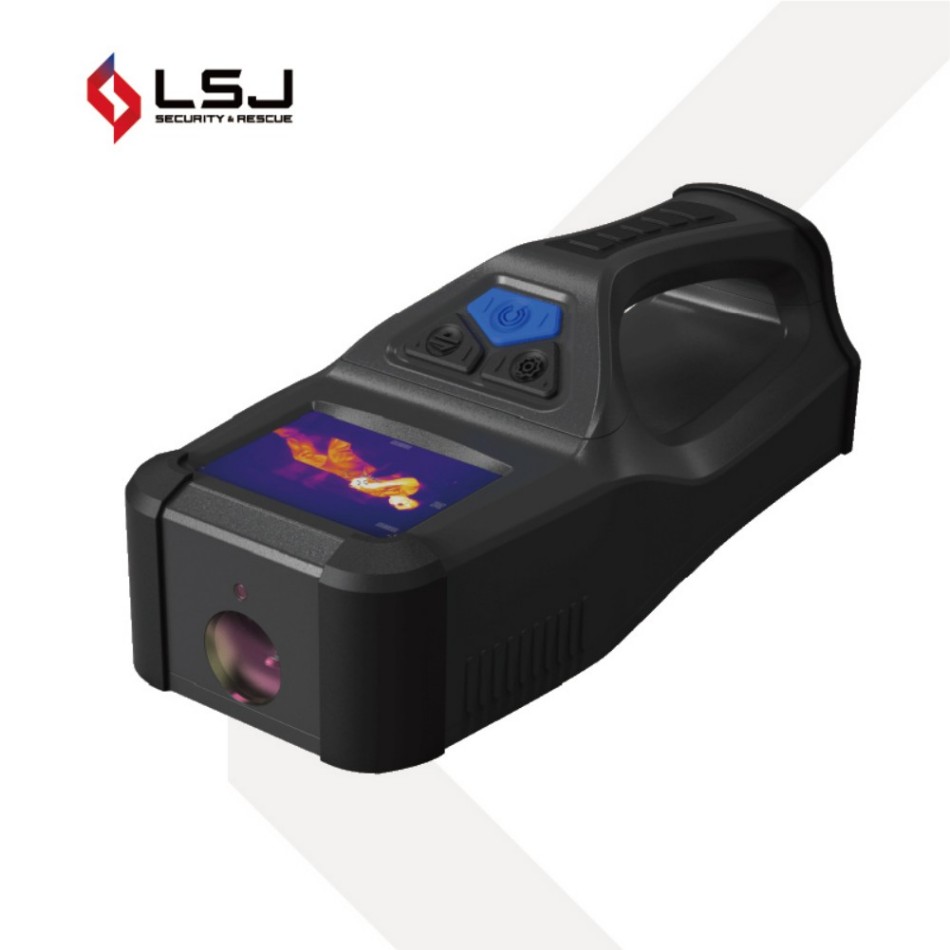
The sensor head pairs the infrared lens with a low-noise low-light CMOS window behind rubberised corner protection, so one display can show pure infrared, pure visible or fused imagery depending on visibility.

  • Infrared, visible and fusion display modes from the same screen
  • Display rotates automatically for overhead, prone or cramped-void search postures
  • Brightness adjustable automatically or manually for glare and night work
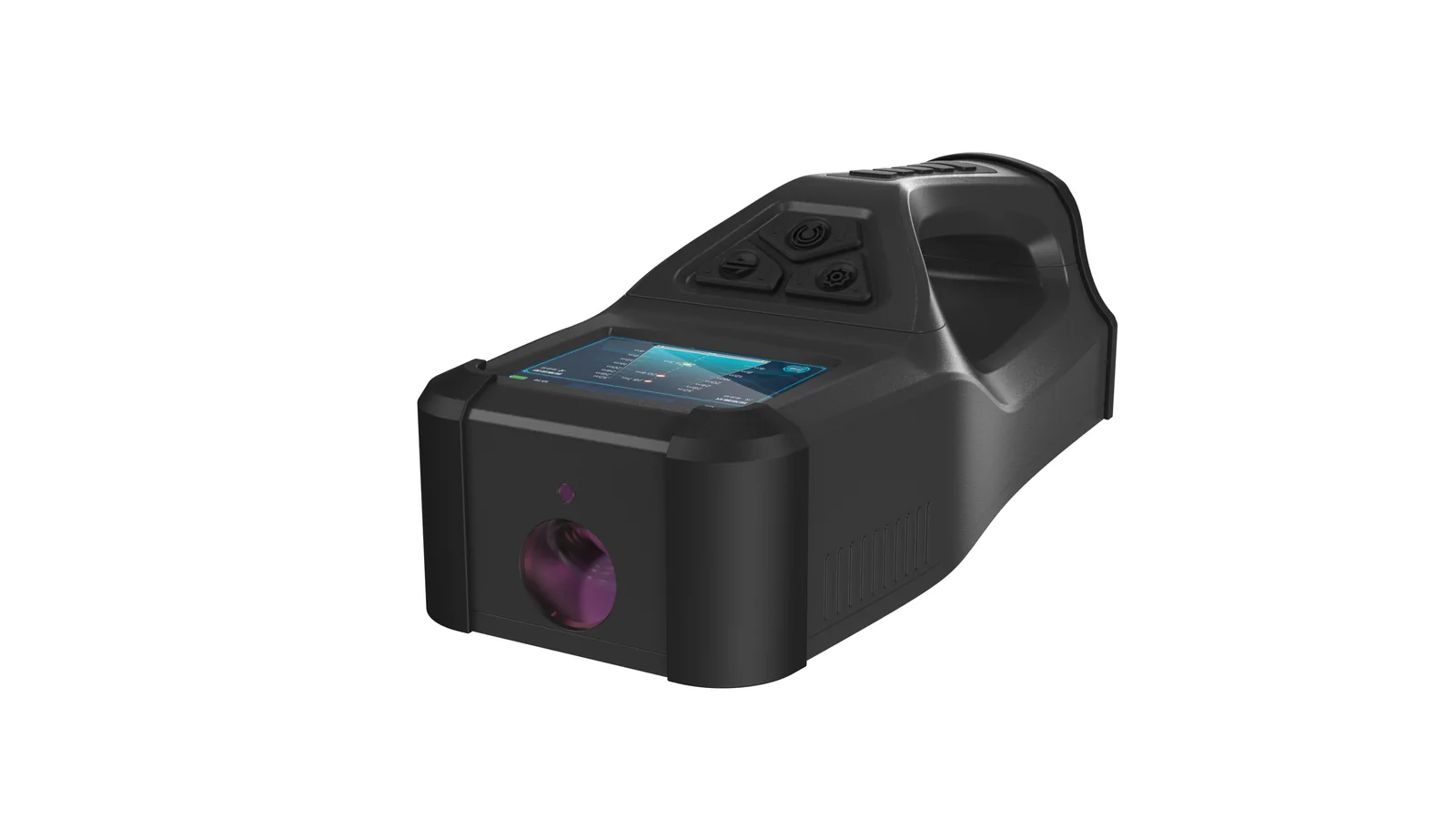
Integrated sensor head with thermal lens, low-light camera window and rubberised corner protection
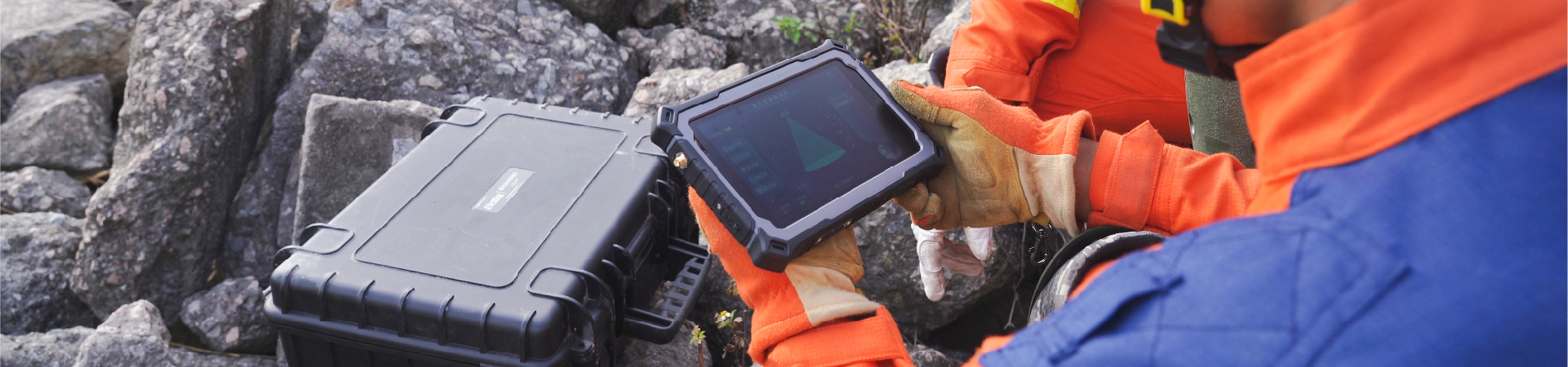
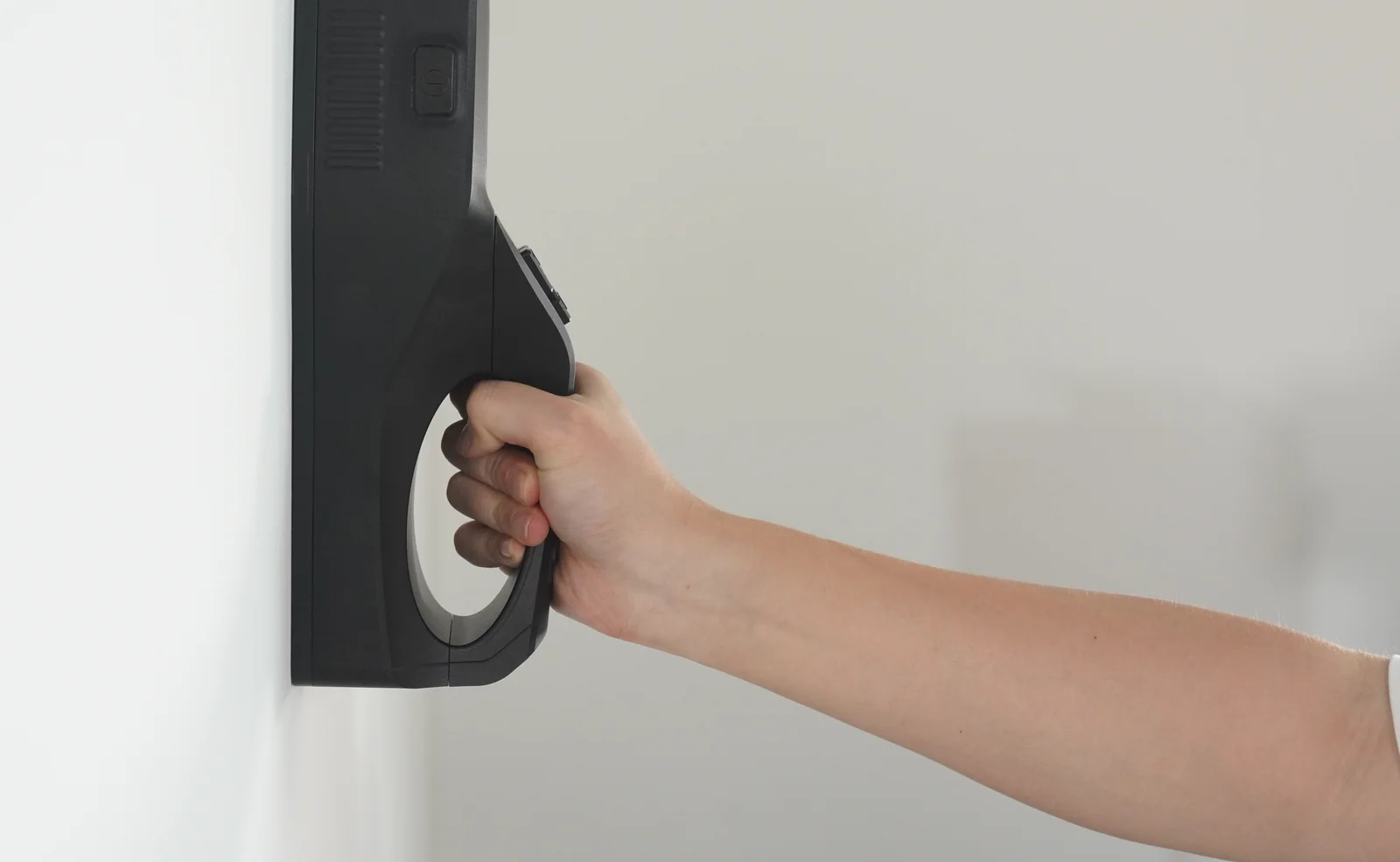
One-handed operator pressing the antenna face flat against a wall for a through-wall scan
CAPABILITY 05

Press, Scan, Locate — No Tripod Required

Power on, choose the medium preset — air, through-wall or rubble — lay the antenna face flat against the wall or rubble surface and sweep. At 3 kg or less and within a 310 × 140 × 120 mm envelope, the detector goes where a rescuer can crawl.

  • Presets matched to building walls, rock and soil, or open-air surface screening
  • Built-in vibration safeguard pauses detection and raises an on-screen warning if the unit is shaken
  • One-key photo, video and playback to 32 GB removable storage for post-rescue review
CAPABILITY 06

IP66, 1 m Drop, −20 °C to +60 °C

The sealed housing is rated IP66 against water jets and dust, designed for a 1 m drop, and tested with 10–150 Hz / 2 g vibration sweeps on every axis plus 95 ± 3% relative-humidity damp-heat exposure.

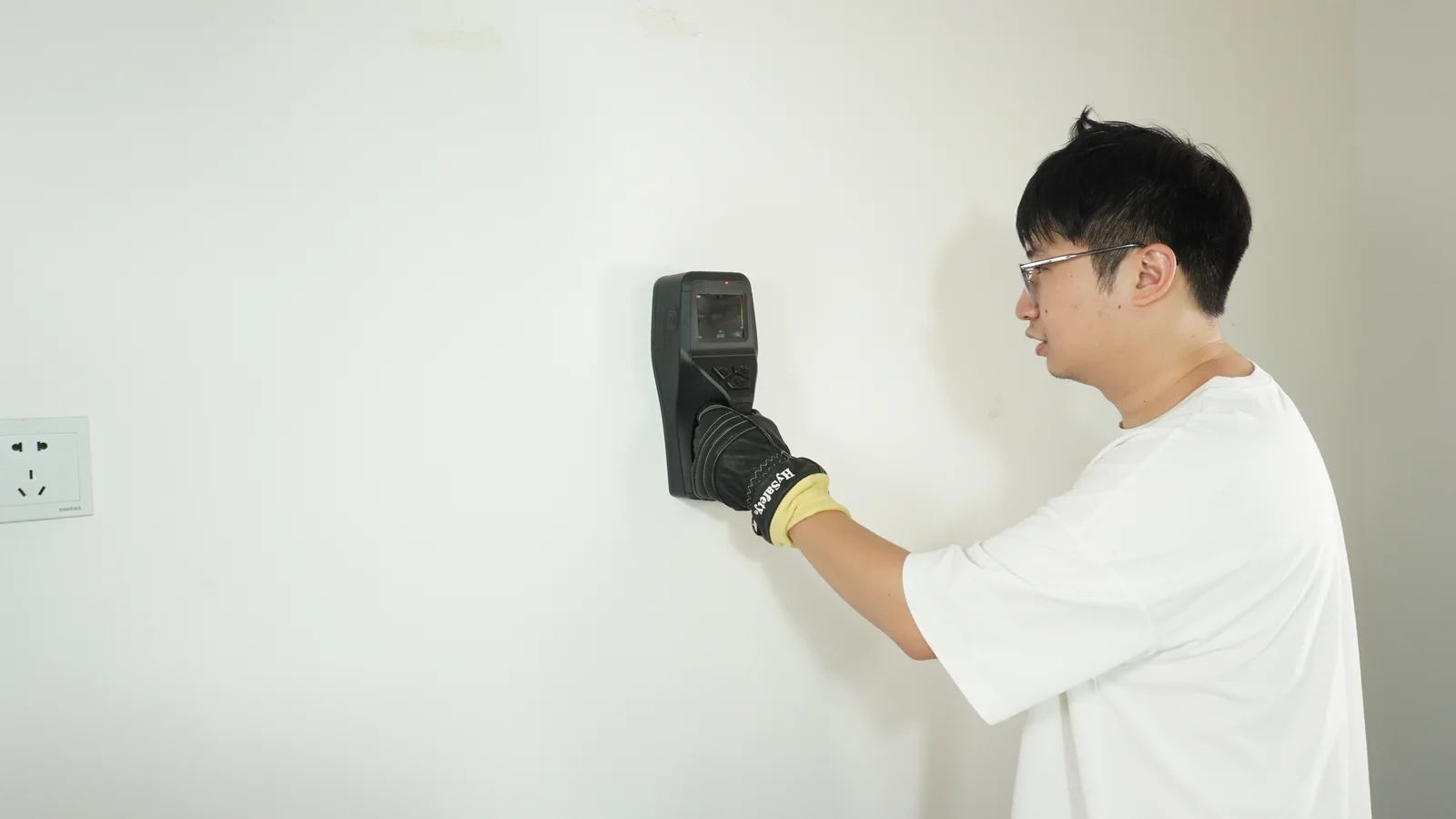
  • Large sealed keys that stay operable with structural rescue gloves
  • At least 4 hours of continuous operation per charge, with a sealed Type-C charging port
  • Replaceable anti-slip antenna pad and rubberised corner bumpers for rubble handling
Operator in a rescue glove pressing the detector against a wall

Equipping a search-and-rescue unit or writing a tender?

Send your wall, rubble and smoke scenarios — an LSJ rescue-equipment engineer will reply with configuration, test documentation and delivery details.

Applications

Where the Multi-Band Detector Is Deployed

Earthquake and structural collapse, fire and chemical blast, and night or landslide search — each calls for a different mix of radar, thermal and visible imaging.

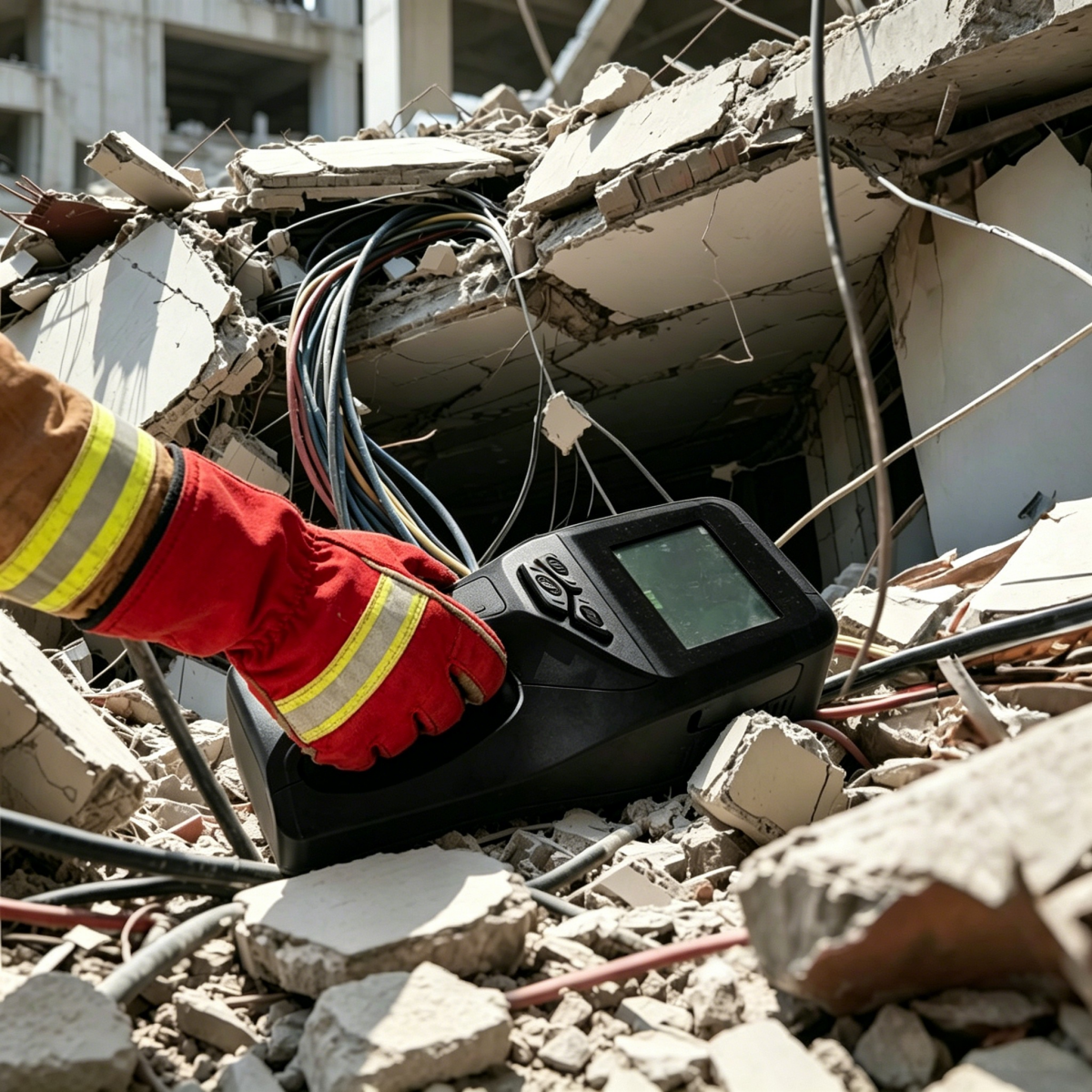
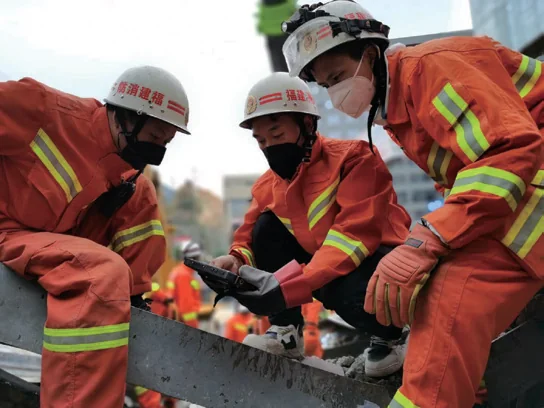
Rescue crew reading the detector on collapsed concrete at a hotel collapse site

Earthquake and Structural Collapse

Victims trapped in concrete, brick and rubble voids too small or unstable for dogs or crews. Radar penetration returns coordinates for the first breach point, and thermal confirms occupancy from the surface before anyone enters.

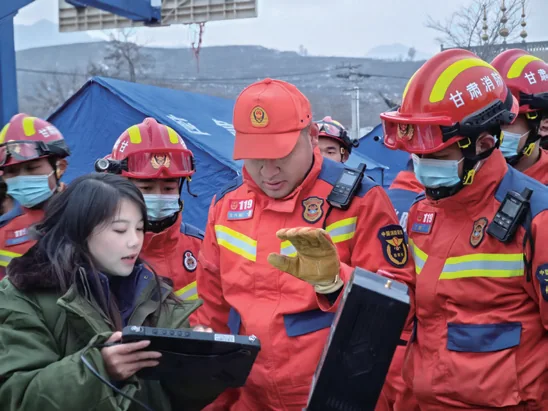
Fire and rescue crew reviewing detector readings at a night-time incident command post

Fire, Gas and Chemical Explosion

Thick smoke, flame and unknown hot zones hide both victims and access routes. The thermal channel and its −20 °C to 1200 °C range support hot-zone reading before entry; radar and visible channels remain available once smoke clears. One-key photo and video are logged for review at the command post.

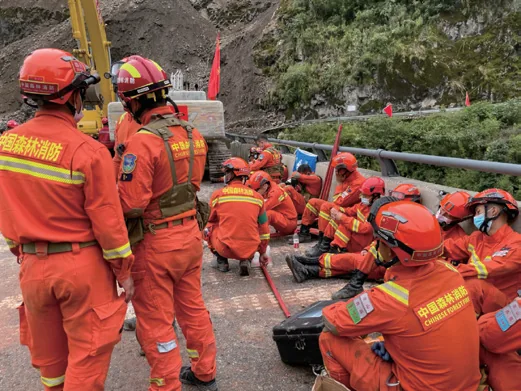
Rescue team assembled on a mountain road blocked by a landslide

Night Search, Landslide and Mine Rescue

Darkness, dust, road destruction and open terrain. The low-light camera, fusion display and IP66 housing let a single operator screen an area on foot, then move to a wall or rubble face for a penetration scan.

Field Deployment

Getting the Detector to the Void: Ya'an Earthquake Response

The deployment pattern below is a manufacturer-stated field account for the LSJ multi-band life-detection platform. It has not been independently audited.

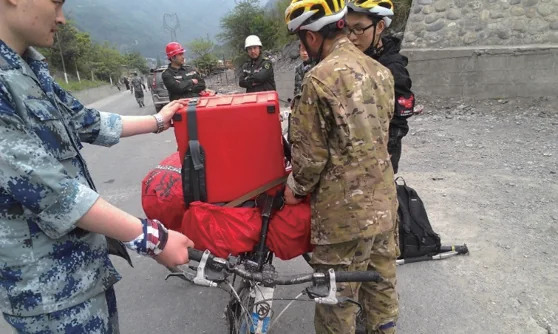
Rescue workers loading the detector case onto a motorcycle on a damaged mountain road

Example: Roads Cut, Equipment Carried Past the Road Head

Situation

Landslides severed the road network around the epicentre, so the detector and its transport case had to be moved by motorcycle and on foot to reach the collapse area.

Potential use

Past the road head, one operator can lay the antenna flat on a wall or rubble face for a through-wall scan and then switch to thermal to inspect the void from the surface. Penetration applies to low-moisture, non-metallic obstructions such as brick, concrete, rock, soil and rubble; the radar is not rated for metal, water-saturated or densely reinforced structures.

Decision support

Coordinates, target count and on-screen symbols may inform where to open the first breach under the incident commander's procedure. Responses cited by the manufacturer include the Ya'an, Luding and Gansu earthquakes and the Quanzhou hotel collapse.

Why Work With LSJ

Manufacturing Capability
Built Around Procurement Needs

Explore the production facilities, compliance documents, and international exhibitions presented in the materials below. Confirm product-specific certifications and current manufacturing capabilities with the supplier before placing an order.

16years Manufacturing
experience
4document types CE · ISO · MSDS · RoHS
shown in supplied image
GLOBAL International trade-show
engagement
Supplied collage of LSJ manufacturing, assembly, and testing areas
01 · PRODUCTION

Assembly and Testing Capability

The supplied company materials describe 16 years of manufacturing experience alongside assembly and testing activities. Confirm the applicable product line, current capabilities, and lead time when requesting a quote.

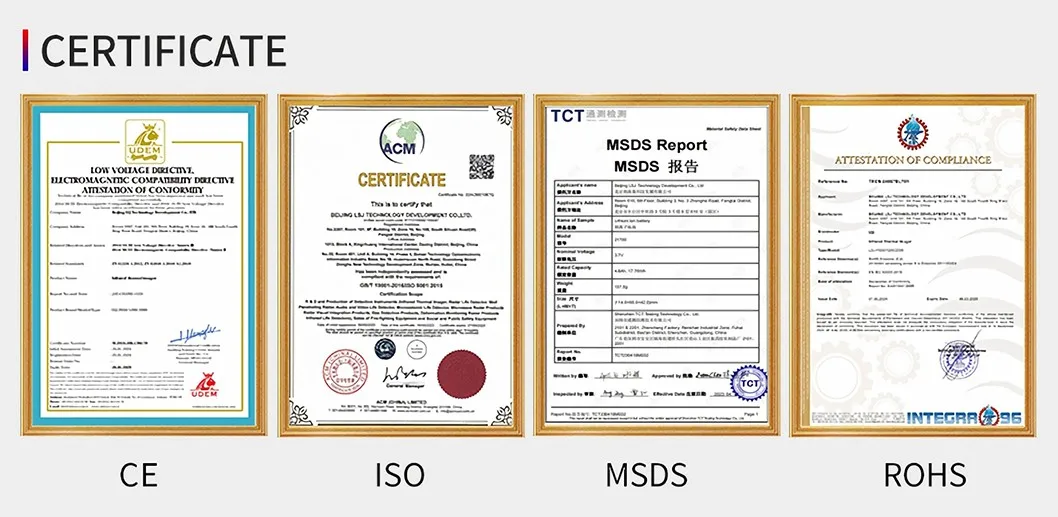
Supplied collage of CE, ISO, MSDS, and RoHS-related documents
02 · CERTIFIED

Documentation for Due Diligence

Request current, product-specific documents and verify their scope before use in a tender or import review.

CEISOMSDSRoHS
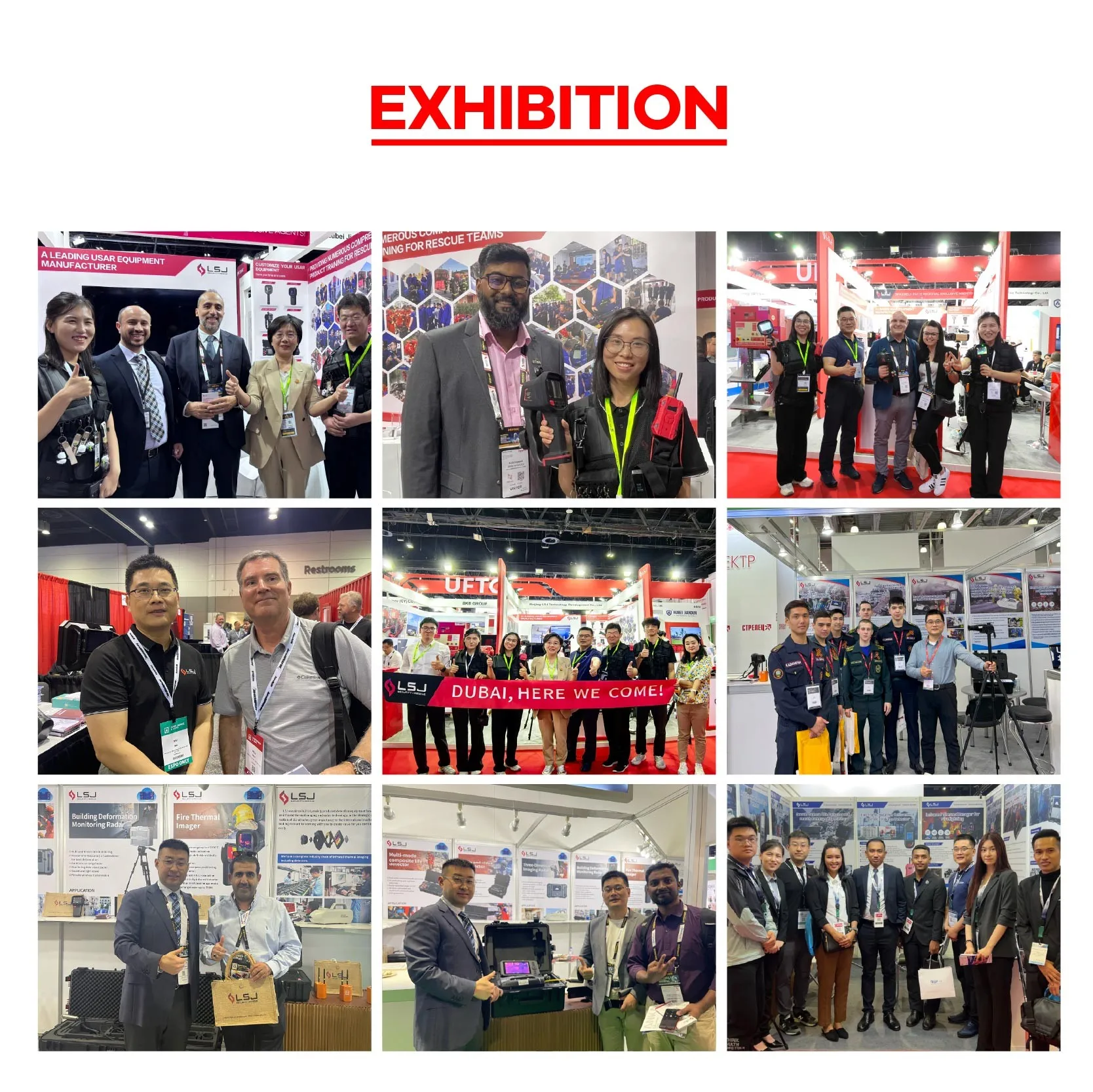
LSJ team and visitors at international trade exhibitions
03 · GLOBAL

Product Discussions at Global Events

Explore images of industry exhibitions and in-person discussions with international partners and emergency-response professionals.

Click an image for a larger view · Request a facility visit or document verification
Request an Operating Demonstration

Ask about through-wall scanning, thermal profiles and gloved operation

Operation Video

See the Multi-Band Detector in Operation

A factory demonstration can show the full sequence — surface thermal sweep, antenna placement on a wall or rubble face, radar target acquisition and the switch back to thermal confirmation.

  • One-key switching between radar, thermal, visible and fused views
  • Medium presets for air, through-wall and rubble scanning
  • Reading target coordinates, target count and temperature on one screen

Technical Specifications

Multi-Band Composite Life Detector Specification Sheet

Figures below are the factory-stated specifications published by the manufacturer for this model. Rows marked To be confirmed are not stated in the source material and should be obtained in writing before a tender submission.

Parameter Stated Specification
Radar system L-band continuous-wave (CW) radar; low transmit power, high detection stability, low false-alarm design
Through-wall detection range Through a solid brick wall at least 24 cm thick: moving target ≥ 12 m; stationary target ≥ 10 m
Location accuracy ≤ ±30 cm
Target recognition probability ≥ 90%
Detection beam angle ≥ 120° (±60°)
Response time Moving target ≤ 5 s; stationary target ≤ 20 s
Penetrable media Building walls, concrete, brick-mixed walls, rock, soil and rubble — low-moisture, non-metallic obstructions; selectable presets: air / through-wall / rubble
Target handling Simultaneous moving and stationary multi-target detection with distinct on-screen symbols
Open-air detection range To be confirmed — not stated in the source material
Infrared detector Uncooled focal-plane array, 384 × 288; thermal sensitivity NETD ≤ 50 mK
Temperature measurement −20°C to 1200°C; centre-spot, maximum and minimum readings; automatic hot- and cold-spot pointer tracking
Visible-light camera Low-light CMOS, resolution above 1920 × 1080
Imaging modes Infrared / visible / fusion; firefighting, fire, search-and-rescue, heat-detection and fusion profiles; digital zoom 2× / 4×
Display 3.5-inch 640 × 480 LCD; target coordinates, target count, live video, battery level and working status on one screen
Operation aids One-key mode switch; auto or manual brightness; automatic display rotation for cramped postures; vibration alarm that pauses scanning and flags an on-screen warning
Recording and storage One-key photo, video and playback; 32 GB removable storage for post-rescue evidence review
Battery and charging Continuous working time ≥ 4 h; Type-C charging interface
Battery type / capacity To be confirmed — not stated in the source material
Weight / dimensions ≤ 3 kg  |  ≤ 310 × 140 × 120 mm; one-hand grip with replaceable anti-slip antenna pad
Ingress protection IP66 — waterproof, dustproof and shock-resistant housing
Operating / storage temperature Operating −20°C to +60°C; storage −40°C to +60°C
Humidity / impact / vibration Damp-heat tested at 30–60°C and (95 ± 3)% RH; 1 m drop; vibration 10–150 Hz, 2 g, 1 octave/min sweep, one cycle per axis
Certifications To be confirmed — request CE, FCC or explosion-proof documentation as required by the delivery market

Frequently Asked Questions

Procurement and Deployment

Answers to the questions search-and-rescue procurement teams ask most often. Confirm all commercial and technical terms with the supplier in writing.

How far can it detect through walls, and through what material?

Through a solid brick wall of at least 24 cm, the manufacturer states moving targets at 12 m or more and stationary victims at 10 m or more, with location accuracy within ±30 cm. Penetration is specified for low-moisture, non-metallic obstructions — building walls, concrete, brick-mixed walls, rock, soil and rubble. It is not rated for metal, water-saturated concrete or densely reinforced structures; verify your site materials before relying on a range figure.

Can it find victims who are completely still or unconscious?

Yes. The L-band continuous-wave radar senses respiratory micro-motion, so visible body movement is not required. Stationary targets are reported within 20 s and moving targets within 5 s, with a stated target recognition probability above 90%.

Does it work in smoke, darkness or an active fire scene?

The uncooled 384 × 288 thermal module (NETD ≤ 50 mK) works in total darkness and smoke, measures −20 °C to 1200 °C, and offers firefighting, fire, search-and-rescue, heat-detection and fusion profiles with automatic hot- and cold-spot tracking. Thermal imaging remains an aid: it reads surface temperature and cannot substitute for established fire-ground procedures.

Is a tripod or control box needed, and how fast is deployment?

Neither. Power on, select the air, through-wall or rubble preset, place the antenna face flat against the surface and sweep. The unit weighs 3 kg or less, needs no levelling or external control box, and its keys are sized for structural rescue gloves. If the unit is shaken during a scan, a vibration safeguard pauses detection and shows a warning.

What is the runtime, and how are search records stored?

A full charge supports at least 4 hours of continuous operation and the unit charges through a sealed Type-C port. One-key photo, video and playback are built in, and every search is stored on the included 32 GB removable storage for post-rescue review. Battery chemistry, charge time and spare-battery options are not stated in the source material — request them in the quotation.

Supplier Support

Support from Selection to Service

Scenario Matching

Describe the wall thickness, rubble type, moisture conditions and search depth of your typical call-outs so the radar preset and configuration can be checked against them.

Tender and Demonstration Support

Request the factory specification sheet, penetration test conditions and a demonstration unit for evaluation before a tender deadline.

Service and Spares

Confirm warranty, spare batteries, antenna pads and calibration arrangements for your delivery market before ordering.

LSJ · Fire & Rescue Equipment Multi-Band Composite Life Detector · © 2026

Get a Free Quote

Our representative will contact you soon.
Email
Name
Mobile
Company Name
Message
0/1000

Get a Free Quote

Our representative will contact you soon.
Email
Name
Mobile
Company Name
Message
0/1000

Get a Free Quote

Our representative will contact you soon.
Email
Name
Mobile
Company Name
Message
0/1000
multi band composite life detector-0

Copyright © Beijing LSJ Technology Development Co., Ltd. All Rights Reserved  -  Privacy Policy