 EN
EN

How to Respond to Flash Floods and Carry Out Rescue Operations?
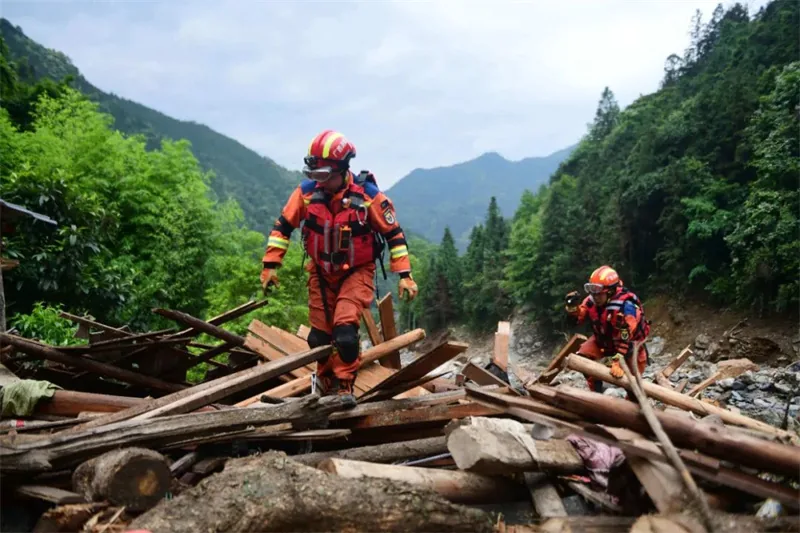
In the early hours of May 23, 2025, at about 3:00 a.m., torrential rain triggered a flash flood and mudslide in San She Village, Sishui Township, Longsheng County, Guilin, in Guangxi. According to Xinhua News Agency, 8 people went missing, 3 were injured and 10 houses were destroyed, while roads, power lines and communication networks across the valley were severely damaged. Firefighters, armed police and Blue Sky Rescue teams immediately launched search and rescue operations.
Flash floods arrive faster than almost any other natural disaster. Water gathers on steep slopes, rushes down valleys and strikes with enough force to tear out roads and buildings. Guangxi's mountainous terrain and frequent rainfall make it a persistent high-risk area. The Longsheng event offers a practical case study in what flash floods are, how residents should respond, and how trained teams use modern monitoring and search equipment to reduce risk and recover survivors.
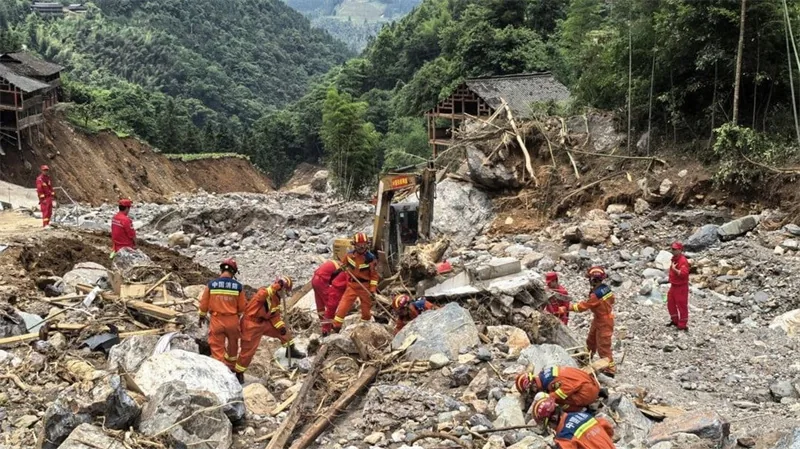
The May 2025 Longsheng flash flood at a glance
What Is a Flash Flood?
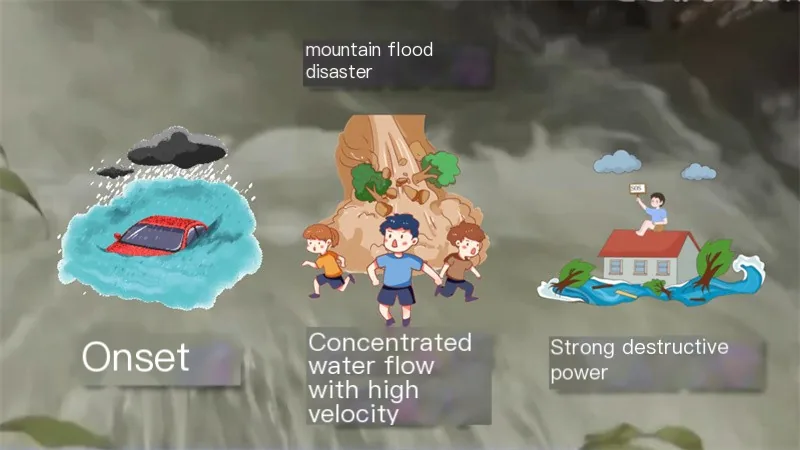
A flash flood is a fast, powerful flood caused by heavy rain, rapid snowmelt or dam failure, usually in mountainous or hilly country, where steep slopes gather runoff and send it surging downhill within minutes.
Because the water has nowhere to pool and little time to drain, it concentrates into a single, debris-laden wave that can arrive before any formal warning reaches the valley below.
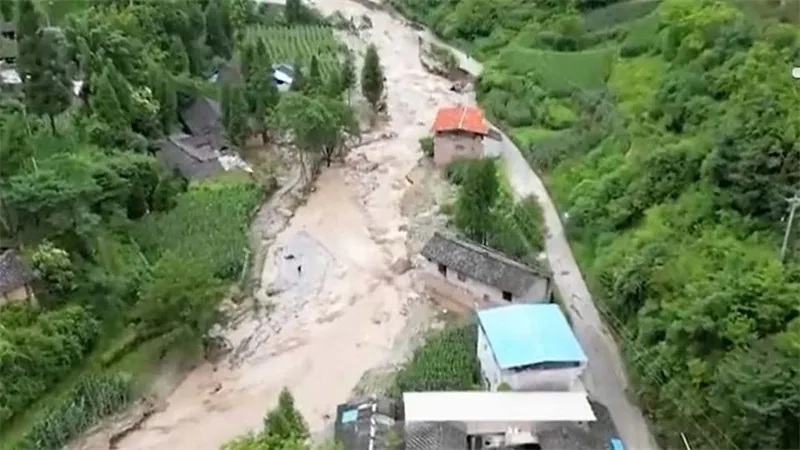
Common causes
- Heavy rainfall: sudden, intense storms deliver huge volumes of water in a short time.
- Terrain: steep, uneven ground accelerates surface flow.
- Saturated soil: after prolonged rain, soil can absorb no more, and water runs off the surface.
- Human activity: deforestation and construction weaken natural drainage.
- Blocked rivers: landslide debris can dam rivers and create unstable temporary lakes.
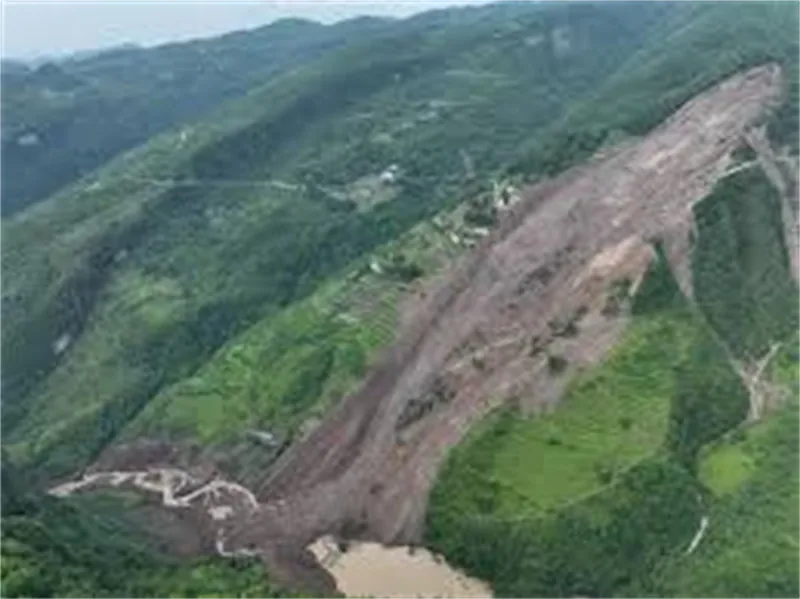
Key characteristics
- Sudden onset: events develop quickly, with little or no warning.
- Localized impact: damage is usually confined to specific valleys or small regions.
- Heavy destruction: floods trigger mudslides, building collapse and casualties.
- Difficult prediction: conventional methods struggle to deliver early, accurate alerts.
How to Respond When a Flash Flood Strikes
When a flash flood strikes, move immediately to the nearest high ground, keep away from rivers, hillsides and low-lying areas, and never walk or drive across flooded roads; if you are indoors, cut the electricity and prepare to evacuate, keeping children and elderly people accompanied.
Read the early warning signs
Flash floods and mudslides usually give visible signals before they arrive:
- Rainfall continues for hours and river levels rise rapidly.
- Unusual sounds come from the hillsides, or new cracks appear in the ground.
- River water turns muddy and begins carrying debris.
- Houses show signs of leaning or cracking.
- Animals behave strangely, for example fleeing together.
Recognizing these signs buys minutes. Professional monitoring systems extend that window from minutes to hours.
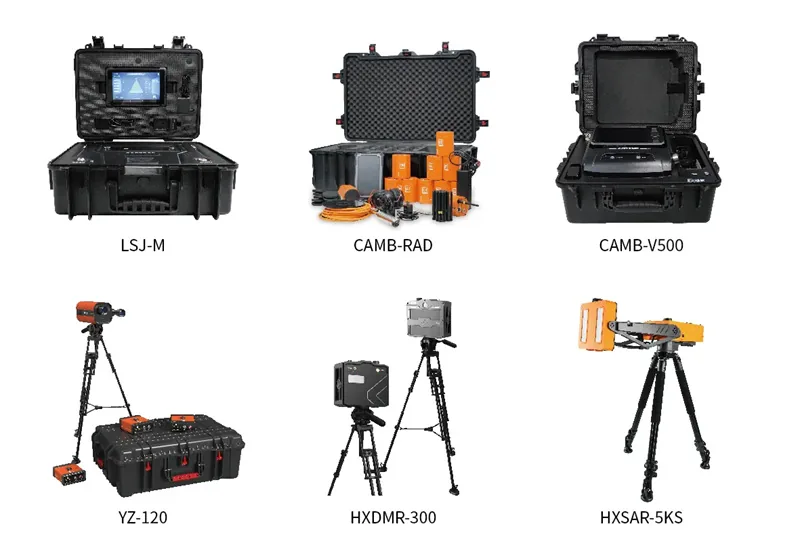
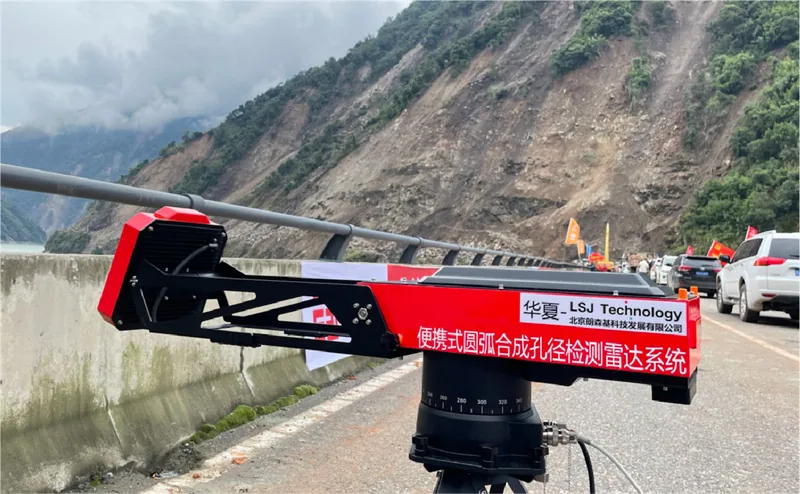
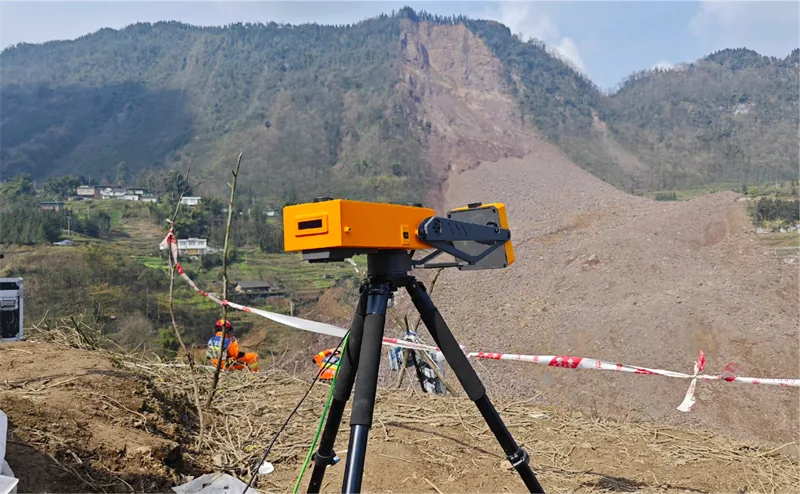
LSJ HXSAR-5KS Slope Stability Radar
The LSJ HXSAR-5KS is a slope stability radar that uses Synthetic Aperture Radar (SAR) and Differential Interferometry (DInSAR) to track landslide movement in real time, in rain, fog or darkness, covering multiple points up to 5 km from a single position.
All-weather operation
Keeps monitoring through rain, fog and darkness.
High-precision detection
Identifies small ground movements and early cracks.
Real-time remote data
Streams readings to commanders for fast decisions.
Wide-area coverage
Monitors multiple locations from one setup point.
5 km long range
Covers large mountain slopes in a single sweep.
The HXSAR-5KS helps rescue teams assess risk and plan safe evacuation routes before anyone steps onto unstable ground.
Emergency actions
- Move to higher ground fast. Avoid rivers, hillsides and low areas.
- Do not walk or drive through flooded roads.
- Inside a building, cut off the electricity and prepare to evacuate.
- Carry an emergency kit: food, water, flashlight, rope and phone.
- Children and elderly people must be accompanied at all times.
Rescue Operations During Flash Floods
Flash flood rescue follows a strict 72-hour sequence: locate and extract the trapped and missing first, protect children, the elderly and the injured, and continuously mark unstable ground so the rescue itself does not trigger a second disaster.
Within that window, teams work in this order of priority:
- Search for trapped or missing people first.
- Reach vulnerable groups first — children, the elderly and the injured.
- Identify dangerous areas to avoid new disasters during the rescue.
Rescue Equipment Used in Flash Floods
Flash flood rescue relies on three layers of equipment: slope radar and weather meters that monitor the mountain before teams enter, seismic detectors, radar, cameras and drones that find survivors, and pumps, generators and shelters that sustain the recovery.
Monitoring equipment
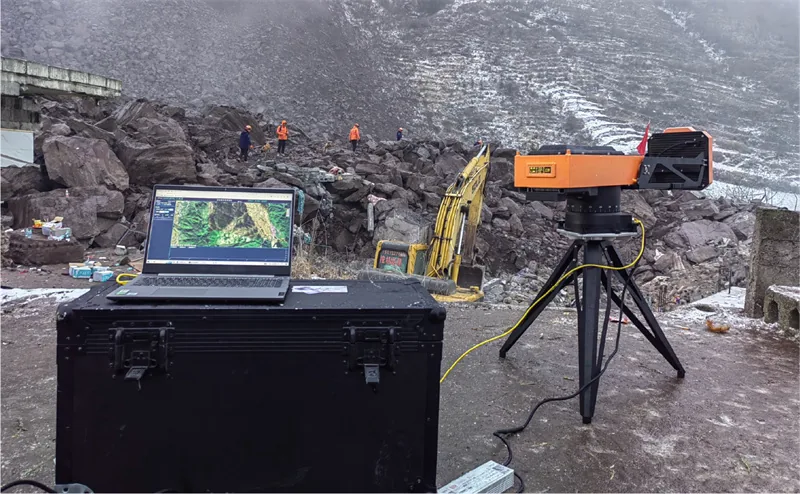
- Slope stability radar: tracks unstable hillsides around the clock.
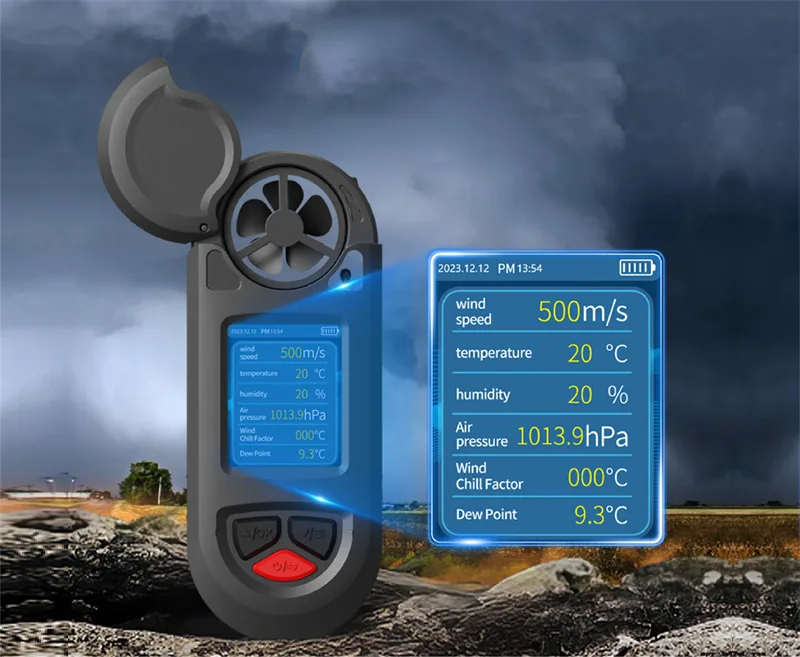
- Weather meters: measure rainfall, wind and temperature.
- AC voltage detectors: confirm electrical safety before teams enter flooded zones.
Search and rescue devices
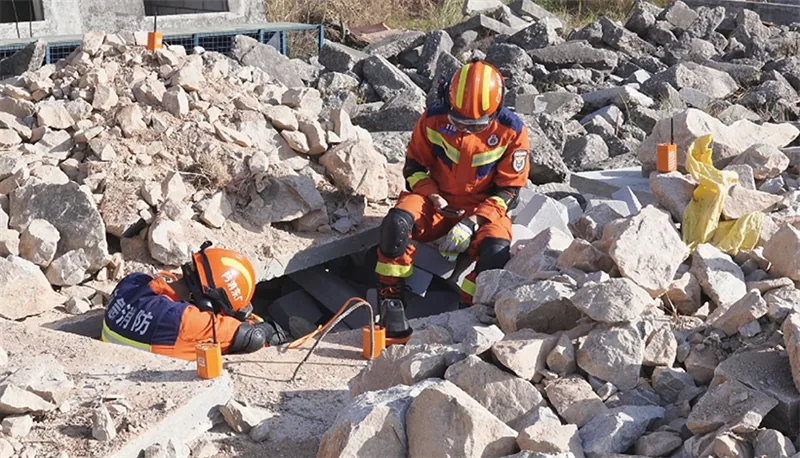
- Array seismic life detectors: listen for scratching, knocks and shouts from trapped victims.
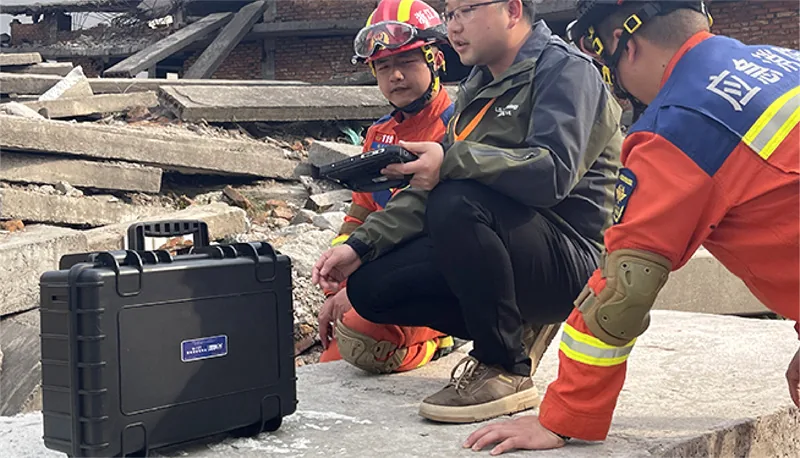
- Radar life detectors: use UWB technology to locate buried survivors.
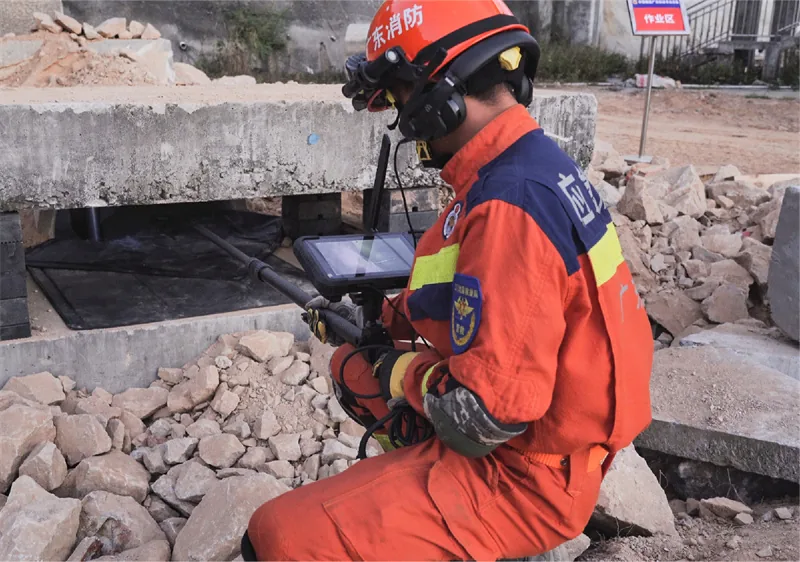
- Search-and-rescue cameras: let teams see trapped people and talk to them.
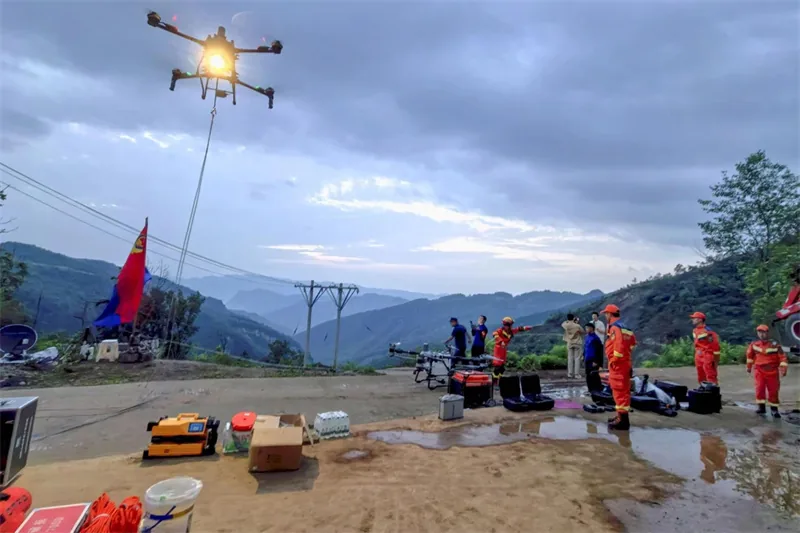
- Drones: conduct aerial surveys, drop life rings and guide rescue movements.
- Two-way radios: maintain clear communication between teams.
- Inflatable boats: move residents out of flooded villages and valleys.
Post-rescue tools
Water pumps, emergency power generators, disinfection machines and tents carry communities through the recovery phase.
Teamwork and Coordination
Rescue success depends on unified command: government emergency authorities lead, while firefighters, police, medical teams and utility providers operate together on a single digital command system that updates the rescue plan in real time.
- Government-led command: emergency teams follow one command structure.
- Cross-department support: firefighters, police, medical teams and utility providers work as one force.
- Digital command system: tracks progress and revises rescue plans in real time.
Post-Flood Recovery and Safety
After the water recedes, the priority shifts to preventing secondary disasters: keep monitoring landslides, dam failure and road collapses, restore roads, power and water systems, restrict access to danger zones, and move quickly on disinfection, safe drinking water and psychological support.
Preventing secondary disasters
- Continue monitoring landslides, dam failure and road collapses.
- Clear blocked roads and repair power and water systems.
- Limit access to dangerous areas.
Health and disease control
- Disinfect flooded homes and streets.
- Guarantee clean drinking water to prevent disease.
- Build temporary toilets and organized garbage collection points.
Mental support and community rebuilding
- Send counselors to visit affected households.
- Pay particular attention to the mental health of children and elderly people.
- Provide financial aid and support reconstruction.
- Promote disaster knowledge and run drills on a regular basis.
Lessons Learned from the Longsheng Flash Flood
The Longsheng disaster exposed three persistent gaps in mountain-village flood defense: weak warning systems, limited public knowledge of escape procedures, and unevenly distributed rescue equipment. Closing them requires radar-based monitoring, public drills, and wider deployment of life detectors and drones.
- Better warning systems: combine slope radar, rainfall data and public alerts.
- Public education: teach people how to escape and respond to disasters.
- More advanced equipment: expand the use of radar life detectors and drones.
- Stronger teamwork: build fast-response rescue systems involving every department.
Flash floods are dangerous, but they are not beyond control. Strong early warning, an informed public, proper equipment and coordinated command can reduce damage and save more lives.
As extreme weather becomes more frequent, flash floods and landslides are striking mountain areas more often, and slope stability radar has become a core component of disaster prevention.
The LSJ HXSAR-5KS is already deployed across multiple regions, delivering 24/7 high-precision monitoring over wide areas, so authorities and rescue teams detect the earliest signs of danger and act in time.
Flash Flood Rescue FAQ
What should you do first during a flash flood?
Move immediately to the nearest high ground, stay away from rivers, hillsides and low-lying areas, and never walk or drive through flooded roads. If sheltering indoors, cut the electricity and evacuate with children and elderly people first.
What are the warning signs of a flash flood or mudslide?
Watch for hours of continuous rain with rapidly rising river levels, unusual sounds from hillsides, ground cracks, muddy debris-laden water, leaning or cracked houses, and unusual animal behavior such as fleeing together.
What is the critical rescue window after a flash flood?
The first 72 hours are critical. Rescue teams search for trapped and missing people first, prioritize children, the elderly and the injured, and continuously flag unstable ground to prevent secondary disasters.
What does the LSJ HXSAR-5KS slope stability radar do?
The HXSAR-5KS uses SAR and DInSAR technology to monitor landslides in all weather, including rain, fog and darkness, streams real-time remote data, watches multiple points from one position, and covers slopes up to 5 km away for 24/7 early warning.
Equip Your Team for Flash Flood and USAR Operations
If you work in fire services, emergency management, civil defense, USAR rescue teams or disaster monitoring, contact LSJ for custom rescue equipment and solutions built for mountain flood response.
Contact LSJ for a Custom Solution