 EN
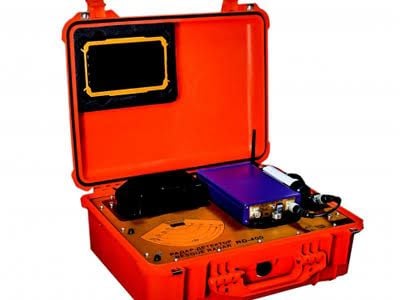
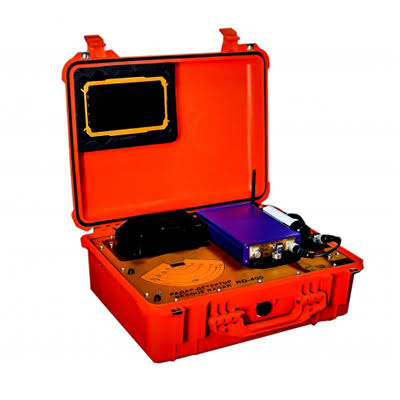
In the field of Urban Search and Rescue (USAR), the presence of advanced technology can be a game changer. One critical piece of equipment that every USAR team should include in their kit is a radar life detector. This powerful tool is designed to locate surviving victims trapped beneath rubble or in confined spaces, making it essential for effective rescue operations. This article will explore why radar life detectors are indispensable for USAR teams, highlight key specifications to consider, evaluate their quality, guide you in finding reliable suppliers, and provide installation guidance to maximize their effectiveness
Why Radar Life Detectors Are Essential for USAR Teams
Radar life detectors are integral to USAR operations for several reasons. Firstly, they utilize non-invasive technology to detect signs of life through obstacles, such as concrete and debris. This capability allows rescuers to quickly identify the location of trapped individuals without compromising the structural integrity of the environment. In high-stakes situations where every second counts, the ability to accurately locate victims can significantly improve survival chances
Moreover, radar life detectors are effective in various scenarios, including natural disasters such as earthquakes, landslides, and during building collapses. Their versatility and ease of use make them an invaluable asset for fire and civil defense teams. Additionally, the technology employed in these detectors often includes advanced features such as real-time imaging and data analysis, which further enhance their effectiveness in rescue missions
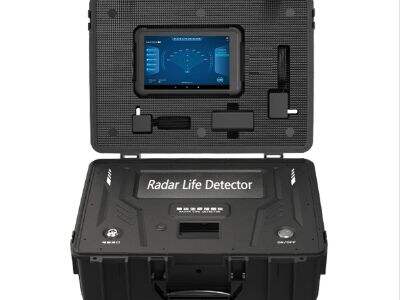
Key Specifications to Consider When Choosing a Radar Life Detector
When selecting a radar life detector, several key specifications should be evaluated to ensure optimal performance for USAR applications
Detection Range: The detector’s range is crucial; it should be able to penetrate through various materials, including concrete, metal, and soil. A higher detection range allows for locating victims from a safer distance, minimizing risks to rescuers
Sensitivity Levels: The sensitivity of the radar life detector impacts its ability to distinguish between live victims and other objects. Advanced models can adjust sensitivity based on environmental conditions, providing more accurate readings
Battery Life: In rescue situations, reliable battery performance is vital. A longer battery life ensures that the device can operate for extended periods, which is often necessary during large-scale rescue operations
Portability: The weight and size of the radar life detector should facilitate easy transport and quick setup in the field. A compact design that does not compromise on performance is ideal
User Interface: A clear, intuitive interface is essential for effective operation, especially under pressure. Look for models that offer user-friendly controls and display systems that provide immediate feedback
These specifications can significantly influence the effectiveness of the radar life detector in real-world scenarios, so it’s essential for purchasing managers to consider them carefully when making a selection
How to Evaluate the Quality of Radar Life Detectors for USAR Use
Evaluating the quality of radar life detectors involves several critical assessments. Firstly, buyers should seek products that have undergone rigorous testing and have proven reliability in field conditions. This can include obtaining product samples and conducting tests to verify performance claims
Additionally, certifications from recognized industry standards can serve as indicators of quality. For example, detectors should meet or exceed safety and performance guidelines set by organizations such as the National Fire Protection Association (NFPA) or (UL) Underwriters Laboratories
Moreover, it is beneficial to consider the manufacturer's reputation and experience in producing USAR equipment. Companies with a long-standing history, like Beijing LSJ Technology, often have established quality control processes and a track record of innovation in rescue technology
Lastly, obtaining feedback from users who have deployed these detectors in actual rescue operations can provide invaluable insights into their performance and reliability. This firsthand experience can highlight potential issues that may not be evident from specifications alone
Where to Find Reliable Suppliers for Radar Life Detectors
Finding reliable suppliers for radar life detectors is crucial for ensuring the acquisition of high-quality equipment. Start by researching manufacturers with a solid reputation in the USAR equipment sector. Look for companies that specialize in rescue technology and have a portfolio of products with proven performance
Industry trade shows and exhibitions are excellent venues to connect with suppliers and assess their offerings. They provide an opportunity to view products firsthand, ask questions, and establish direct relationships with manufacturers
Online marketplaces and industry-specific directories can also be valuable resources for finding suppliers. However, it’s essential to conduct thorough research on their credibility and customer reviews. Consider reaching out to other USAR teams for recommendations, as their experiences can guide you toward reputable suppliers
When contacting suppliers, prepare a detailed request for quotation (RFQ) that includes specifications, quantities, and any customization requirements. This ensures you receive accurate pricing and lead time estimates tailored to your needs
Installation Guidance for Effective Use of Radar Life Detectors
Proper installation and operation of radar life detectors are crucial for maximizing their effectiveness in rescue scenarios. It is advisable to start with a clear understanding of the manufacturer's guidelines for installation and setup
Before deployment, ensure that the equipment has been properly calibrated according to the specific environment in which it will be used. This may involve setting sensitivity levels based on the expected conditions, such as the type of debris or materials present
Additionally, training personnel on the effective use of the detector is essential. This includes familiarizing them with the controls, interpreting the readings, and understanding how to adjust settings based on situational demands. Regular drills and practice sessions can help ensure that teams are well-prepared when they are called to action
Lastly, after each use, perform maintenance checks on the equipment to ensure it remains in optimal working condition. This includes checking battery levels, cleaning lenses, and inspecting for any signs of wear or damage
By following these guidelines, USAR teams can ensure that their radar life detectors are not only effectively installed but also maintained for reliable performance in critical situations
Table of Contents
- Why Radar Life Detectors Are Essential for USAR Teams
- Key Specifications to Consider When Choosing a Radar Life Detector
- How to Evaluate the Quality of Radar Life Detectors for USAR Use
- Where to Find Reliable Suppliers for Radar Life Detectors
- Installation Guidance for Effective Use of Radar Life Detectors