 EN
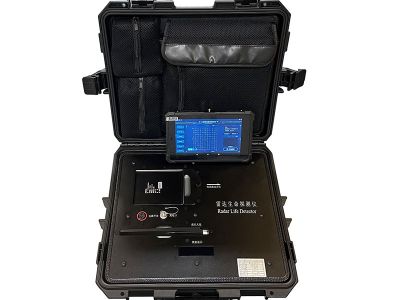
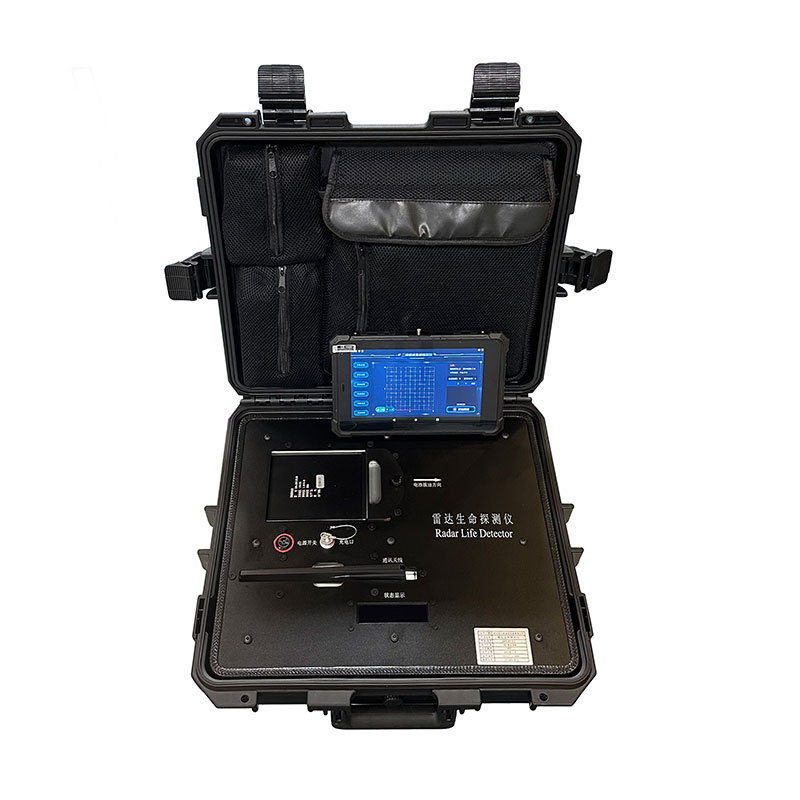
Understanding the accuracy of radar life detectors is crucial for professionals in urban search and rescue operations. Several factors can significantly impact how effectively these devices function in the field. This article will explore the 5 factors that affect radar life detector accuracy in the field, addressing common concerns of purchasing managers, engineers, and rescue teams. By understanding these influences, buyers can make informed decisions when selecting life detectors that meet their operational needs
How Material Quality Affects Radar Life Detector Performance
The performance of radar life detectors is directly influenced by the materials used in their construction. High-quality materials ensure durability and reliability, especially in harsh environments, which are often encountered during rescue operations. For instance, robust casing materials protect sensitive internal components from moisture, dust, and physical damage, factors that can impair functionality
Additionally, the quality of the radar components themselves is critical. Components such as antennas and signal processors must be made from materials that allow for optimal signal transmission and reception. Subpar materials can lead to signal attenuation, reducing the detector’s ability to identify life signs effectively. Therefore, when evaluating life detectors, buyers should prioritize products that utilize high-grade materials specifically designed for rugged applications in urban search and rescue scenarios
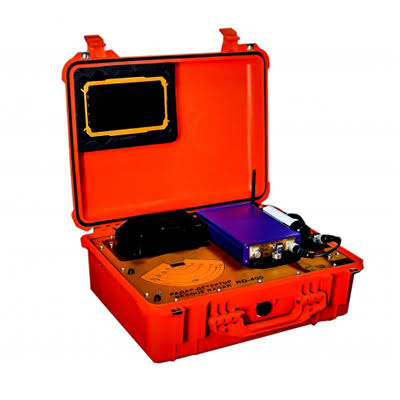
Key Specifications to Consider When Choosing Life Detectors
When selecting a radar life detector, several key specifications should be taken into account to ensure the device meets operational requirements. These specifications include
Frequency Range: The operating frequency affects detection depth and resolution. Higher frequencies provide better resolution but may have limited penetration, while lower frequencies can penetrate deeper but may sacrifice detail
Detection Depth: This specification indicates how deep the radar can penetrate various materials (such as, concrete, soil). Buyers should assess their typical operational environment to determine the necessary detection depth
Signal Processing Capability: Advanced signal processing algorithms can enhance detection accuracy and reduce false positives. Look for detectors that offer sophisticated processing capabilities to differentiate between life signs and other signals, such as environmental noise
Battery Life: Long-lasting battery life is essential for extended operations, especially in remote locations. Buyers should consider how often the device will be used and select models with adequate battery performance
User Interface: A clear and intuitive user interface can greatly improve operational efficiency. Devices that offer user-friendly controls and displays allow rescue teams to respond swiftly under pressure
By focusing on these specifications, buyers can ensure they select radar life detectors that not only fit their immediate needs but also offer reliable performance during critical missions
Why It Matters for Life Detector Purchases
Understanding the factors that influence radar life detector accuracy is vital for making sound purchasing decisions. In rescue scenarios, the ability to quickly and accurately locate survivors can mean the difference between life and death. Therefore, investing in high-quality detectors that are built to withstand challenging conditions is essential
Moreover, purchasing managers should consider the total cost of ownership, which includes maintenance and potential replacement costs. A cheaper initial purchase may lead to higher long-term costs if the device requires frequent repairs or fails to perform reliably. As a result, evaluating the quality of materials and specifications not only enhances operational efficiency but also ensures better budget management over time
Cost Factors to Evaluate When Sourcing Life Detectors in Bulk
When sourcing radar life detectors in bulk, several cost factors should be evaluated to ensure a beneficial purchase. First, the initial purchase price is important but should not be the sole deciding factor. Buyers should also consider
Volume Discounts: Many manufacturers offer bulk purchasing discounts, which can significantly lower the unit price. It's essential to inquire about pricing structures based on order quantity
Customization Costs: If specific customizations are required—such as unique features or branding—understanding these costs upfront can prevent budget overruns
Maintenance and Support: Evaluate the manufacturer's warranty and support services. Comprehensive warranties can save costs on repairs, while robust customer support can reduce downtime in critical situations
Training and Implementation Costs: Consider whether training is needed for personnel to operate the detectors effectively. Some suppliers may offer training packages that can be factored into the overall cost
Shipping and Handling: Assess potential shipping costs, especially for large orders. Negotiating shipping terms can further reduce total expenses
By carefully evaluating these cost factors, buyers can ensure they are making a financially sound investment in radar life detectors
Where to Find Trusted Suppliers for High-Quality Life Detectors
Finding reliable suppliers for high-quality radar life detectors is crucial for ensuring effective rescue operations. Here are some strategies for sourcing trusted manufacturers
Industry Trade Shows: Attending industry events allows buyers to meet manufacturers, see products in action, and evaluate various offerings firsthand. This direct engagement can help build relationships and trust
Online Marketplaces and Directories: Websites specializing in industrial equipment often list reputable manufacturers. Look for suppliers with positive reviews and a proven track record in the field
Professional Associations: Joining industry associations can provide access to networks of manufacturers and suppliers. These organizations often have resources that highlight vetted suppliers with industry recognition
Referrals and Recommendations: Networking with peers in the search and rescue community can yield recommendations for suppliers who have delivered satisfactory products and services
Manufacturer Certifications: Verify that potential suppliers hold relevant industry certifications or quality assurance standards. Certifications can be indicators of a manufacturer’s commitment to quality and reliability
By following these strategies, buyers can identify trustworthy suppliers and ensure they are purchasing radar life detectors that meet their needs for accuracy and durability in the field