 EN

Structural collapse monitoring systems play a vital role in urban search and rescue (USAR) operations, particularly in disaster scenarios where buildings may have sustained significant damage. As a purchasing manager or a distributor of rescue technology, understanding why structural collapse movement monitoring system are critical in USAR will guide your procurement strategy and ensure that you select the best solutions for your teams.
Key Specifications to Consider in Structural Collapse Monitoring Systems
When evaluating structural collapse monitoring systems, several key specifications should drive your decision-making process.
Sensor Accuracy: High-precision sensors are essential for detecting minute shifts in structural integrity. Look for systems that provide real-time data with minimal lag, as any delay could affect rescue operations.
Durability: Given the harsh environments encountered during rescue missions, the materials used in these systems must be robust and capable of withstanding extreme weather conditions, moisture, and potential physical impacts.
Data Transmission: Opt for systems that utilize reliable communication technologies, such as wireless data transfer, to ensure that critical information can be quickly shared with rescue teams without interruption.
Power Source: Consider systems that feature versatile power options, including battery backups and solar charging capabilities, ensuring they remain operational when conventional power sources are unavailable.
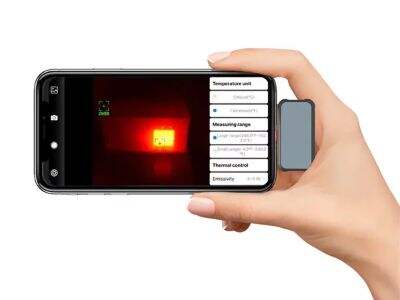
Integration Capabilities: The ability to integrate with other USAR technology, such as thermal imaging cameras and life detectors, can streamline operations and enhance overall effectiveness during rescue missions.
These specifications are crucial for ensuring that you select a monitoring system that meets the specific demands of urban search and rescue operations.
Wholesale Purchasing Guide for Structural Collapse Monitoring Solutions
When purchasing structural collapse monitoring systems in bulk, consider the following elements to facilitate a smooth procurement process:
Request for Quotation (RFQ): Clearly outline your requirements, including model specifications, quantities, and delivery timelines when issuing an RFQ to potential suppliers. This helps manufacturers provide accurate pricing and lead time estimates.
Minimum Order Quantity (MOQ): Be aware of the MOQ set by suppliers. This can influence your budget and inventory management, especially for organizations with limited storage capacity.
Customization Options: Discuss potential customization needs early in the purchasing process. Whether you require specific sensor types or software adaptations, understanding the supplier’s capabilities can lead to a more tailored solution.
Lead Times: Inquire about lead times for bulk orders. Factors such as production capacity and customization requirements can significantly affect how quickly you receive your systems.
After-Sales Support: Evaluate the after-sales support offered by the manufacturer. Reliable technical support and training can be invaluable in ensuring that your team can effectively utilize the monitoring systems.
By carefully considering these factors, you can ensure a successful wholesale purchasing experience.
Evaluating the Quality of Structural Collapse Monitoring Systems
Quality evaluation of structural collapse monitoring systems is crucial for ensuring reliability during critical rescue operations. Here are several key elements to assess:
Certification and Compliance: Verify that the monitoring systems comply with relevant industry standards and certifications. This can often indicate the reliability and safety of the equipment.
Material Quality: Investigate the materials used in manufacturing the systems. High-quality materials will enhance durability and lifespan, reducing the need for premature replacements.
Performance Testing: Ask suppliers about the performance testing conducted on their systems. Understanding how the equipment has been tested under various conditions can provide insight into its reliability.
User Reviews and Case Studies: Research user reviews and case studies. Feedback from other professionals in the field can reveal real-world performance and potential issues that may not be apparent from product specifications alone.
Quality Control Processes: Inquire about the manufacturer’s quality control processes. A robust quality assurance system is a good indicator that the products will meet or exceed expectations.
By applying these criteria, you can confidently evaluate the quality of the systems you are considering for your operations.
Installation Best Practices for Structural Collapse Monitoring Solutions
Proper installation of structural collapse monitoring systems is essential to maximize their effectiveness. Here are best practices to follow:
Site Assessment: Conduct a thorough assessment of the installation site to identify optimal sensor placement. Factors such as structural layout
potential interference from other equipment should be considered.Calibration: Ensure that all sensors are calibrated according to the manufacturer’s specifications. Proper calibration is vital for accurate data collection & analysis.
Training: Provide comprehensive training for the personnel responsible for installation and operation. Familiarity with the system will reduce installation errors and improve operational efficiency.
Regular Maintenance Checks: Establish a schedule for routine maintenance checks. Regular assessments help identify potential issues before they escalate and ensure that the systems remain functional.
Documentation: Maintain detailed records of installation procedures and maintenance checks. This documentation can be valuable for troubleshooting and future upgrades.
Adhering to these best practices will enhance the reliability and effectiveness of your monitoring systems in critical situations.
Common Problems and Solutions in Structural Collapse Monitoring Systems
Understanding common problems associated with structural collapse monitoring systems can help you mitigate risks effectively. Here are some typical issues and their solutions:
Sensor Malfunction: Sensors may occasionally fail or provide inaccurate readings due to environmental factors. Regular maintenance & calibration can help prevent these issues. Consider investing in systems with built-in diagnostics to identify malfunctions early.
Connectivity Issues: Wireless systems may face connectivity challenges in certain environments. Evaluate the communication range and reliability of the system. Opt for systems that offer multiple communication options, such as cellular and satellite connectivity.
Battery Life: Limited battery life can pose a challenge in prolonged operations. Select systems that offer extended battery options or those that can be recharged easily through solar power or other reliable sources.
Data Overload: Excessive data can overwhelm operators during critical situations. Implement software solutions that prioritize and filter data based on urgency, allowing responders to focus on the most critical information.
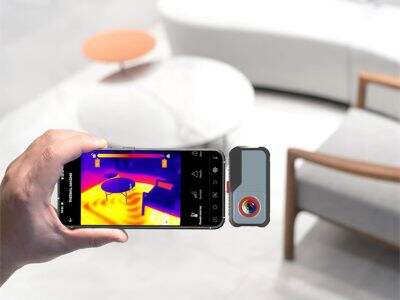
Integration Difficulties: Problems may arise when integrating Thermal Camera monitoring systems with existing rescue technology. Work closely with the manufacturer to ensure compatibility and operational efficiency across all systems.
By being aware of these common challenges and their solutions, you can more effectively manage your structural collapse monitoring systems, ensuring reliability during urban search and rescue operations.
Table of Contents
- Key Specifications to Consider in Structural Collapse Monitoring Systems
- Wholesale Purchasing Guide for Structural Collapse Monitoring Solutions
- Evaluating the Quality of Structural Collapse Monitoring Systems
- Installation Best Practices for Structural Collapse Monitoring Solutions
- Common Problems and Solutions in Structural Collapse Monitoring Systems
