 EN
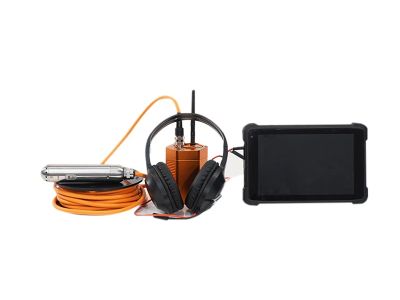
Choosing the right life detector for your rescue team can be a daunting task, especially given the variety of options available in the market. Understanding how to choose between different types of life detectors for your rescue team is crucial for ensuring effective operations during emergencies. Buyers often face concerns about product reliability, performance in harsh environments, and the specifications that best suit their needs. This article will provide practical insights into evaluating life detectors, sourcing them reliably, addressing common issues, and understanding the cost factors involved in bulk purchases.
Key Specifications to Evaluate When Selecting Life Detectors
When selecting a life detector, several key specifications should be thoroughly evaluated to ensure optimal performance in rescue operations.
Detection Technology: Different life detectors utilize various technologies, such as acoustic, thermal, or chemical sensors. Understanding the operational environment is critical. For instance, acoustic detectors are effective in detecting sounds made by trapped individuals, while thermal imaging cameras can identify body heat through debris.
Sensitivity and Range: Sensitivity refers to the detector's ability to pick up faint signals, while range indicates how far the detector can operate effectively. High sensitivity and extended range are essential for rescue operations in vast or cluttered environments.
Durability and Environmental Resistance: Given the often harsh conditions faced in urban search and rescue operations, life detectors must be durable and resistant to water, dust, and extreme temperatures. Look for products designed to meet specific IP (Ingress Protection) ratings.
Battery Life and Power Source: A longer battery life ensures that the detector remains operational during extended missions. Consider units with rechargeable batteries or those that can be powered by alternative sources, such as solar energy.
Weight and Portability: Rescue teams often operate under physically demanding conditions. Lightweight and compact designs facilitate easy transportation and maneuverability.
By understanding these specifications, rescue teams can select life detectors that align with their operational needs and ensure efficient rescue efforts.
Where to Source Reliable Life Detectors for Bulk Orders?
Sourcing reliable life detectors for bulk orders involves identifying reputable manufacturers and distributors who adhere to quality standards. Here are some practical steps:
Manufacturer Reputation: Look for manufacturers with a solid reputation in the industry. Companies like Beijing LSJ Technology, known for their expertise in Urban Search and Rescue equipment, often have a range of proven products and extensive experience.
Certifications and Standards: Ensure that the life detectors you consider meet relevant safety and quality certifications, such as ISO or CE certifications. This indicates that the products have undergone rigorous testing and meet established industry standards.
Customization Options: Many manufacturers offer customization capabilities. This allows you to tailor the life personal radiation detectors to the specific needs of your rescue operations, including features that may be critical for your team's unique challenges.
Quality Control Processes: Investigate the quality control measures implemented by the manufacturer. Reliable suppliers will have robust testing protocols to ensure that every unit meets performance standards before shipping.
Supplier Reviews and Case Studies: Reviewing case studies or testimonials from previous buyers can provide insights into the supplier's reliability and product performance in real-world scenarios.
By following these steps, rescue teams can confidently source life detectors that meet their specifications and operational requirements.
A Buyer's Guide
When preparing to purchase life detectors, it's essential to consider the following aspects to streamline the acquisition process:
Product Specifications: Clearly define the required specifications for the life detectors based on your operational needs. This includes technology type, sensitivity, range, and environmental resistance.
Quantity and Budget: Determine the quantity needed for your team and establish a budget. Bulk orders can often yield cost savings, but ensure you balance cost with quality.
Request for Quotation (RFQ): When submitting an RFQ, include detailed information such as model specifications, desired features, and expected delivery timelines. This will help suppliers provide accurate quotes and timelines.
Sample Approval: Before committing to a bulk order, request a sample for testing. Ensure the sample meets your quality expectations and performs effectively in conditions similar to those you will encounter in the field.
Logistics and Delivery: Discuss logistics with the supplier, including packaging and shipping options. Efficient logistics can significantly impact the lead time and overall success of your order.
By following this buyer's guide, purchasing managers can make informed decisions that enhance their team's preparedness for rescue operations.
Common Problems with Life Detectors and Effective Solutions
Despite advancements in technology, life detectors can still experience issues that may hinder their effectiveness. Here are some common problems and suggested solutions:
False Positives: Some life detectors may generate false alarms due to environmental noise or interference. To mitigate this, ensure that the detector is calibrated according to the manufacturer's specifications and conduct periodic maintenance checks.
Battery Failure: A depleted battery during a critical operation can be disastrous. Implement a routine inspection schedule for battery life and ensure that spare batteries are part of your operational gear.
Limited Range in Urban Settings: In densely populated areas, signals may be obstructed. Utilize thermal imaging in conjunction with acoustic detectors to enhance detection capabilities in challenging environments.
Environmental Sensitivity: best co detectors may malfunction in extreme weather conditions. Ensure that the detectors you choose are designed for the specific environmental conditions you anticipate, and invest in rugged, weather-resistant models.
By being aware of these common issues and implementing preventive measures, rescue teams can enhance the reliability and effectiveness of their life detectors.
Understanding Cost Factors for Life Detectors in Wholesale Purchases
When purchasing life detectors in bulk, several cost factors should be carefully considered to ensure a favorable procurement strategy:
Unit Price: The base cost per unit can vary significantly based on the manufacturer, features, and technology employed. Negotiate for volume discounts to lower the overall expenditure.
Customization Costs: Customizing life handheld radiation detectors may incur additional fees. Ensure that any customization aligns with your operational needs to justify the expense.
Shipping and Handling: Depending on the supplier's location and shipping method, transport costs can influence the total purchase price. Evaluate shipping options and timelines to find a balance between cost and urgency.
Maintenance and Support: Factor in potential costs related to maintenance, training, and support services offered by the manufacturer. Reliable support can enhance the lifespan and functionality of your equipment.
Warranty and Service Agreements: Consider the terms of warranties and service agreements when evaluating costs. A robust warranty can provide peace of mind and protect your investment over time.
By understanding these cost factors, purchasing managers can develop a comprehensive budget and make informed decisions that align with their financial strategies while ensuring their teams are equipped with reliable life detectors.
