 EN
Sourcing fire and rescue equipment at wholesale prices for government tenders can be a complex task that involves various considerations. This article will explore the essential factors that B2B buyers need to keep in mind when looking for quality fire and rescue gear, especially for large-scale procurement. We will discuss sourcing locations, cost considerations, installation guidance, common challenges faced in the procurement process, and the benefits of choosing durable rescue gear. By the end of this article, buyers will have a clearer understanding of how to navigate the sourcing process effectively.
Where to Source Quality Fire and Rescue Equipment at Bulk Rates?
When sourcing fire and rescue equipment, particularly at wholesale rates, it is crucial to identify reliable suppliers who specialize in this field. A good starting point is to explore manufacturers with a solid reputation, experience, and proven track records. Manufacturers like Beijing LSJ Technology, which specializes in Urban Search and Rescue (USAR) equipment, can provide a range of high-performance products tailored for government tenders. Buyers should consider both domestic and international suppliers.
Domestic suppliers often provide faster shipping and easier communication, while international suppliers may offer competitive pricing and specialized products. Additionally, attending industry trade shows or conferences can provide opportunities to connect directly with manufacturers and understand their offerings. Online platforms and marketplaces that specialize in industrial search & rescue equipment can also serve as valuable resources. Ensure that the suppliers you consider are compliant with industry standards and have the necessary certifications to guarantee product quality and reliability.
Cost Factors to Consider When Purchasing Rescue Equipment Wholesale
Understanding the cost factors involved in purchasing fire and rescue equipment wholesale is essential for budget planning and maximizing value. Key factors to consider include:
Product Specifications: The price often varies based on the technical specifications of the equipment. For instance, advanced features like thermal imaging capabilities or multi-gas detection can lead to higher costs but are crucial for effective rescue operations.
Customization Requirements: Custom solutions tailored to specific needs may incur additional costs. Discuss any customization with your supplier to understand how these requests will impact pricing.
Minimum Order Quantities (MOQ): Many manufacturers set minimum order quantities, which can affect overall costs. Be clear about your purchasing needs to negotiate favorable terms.
Shipping and Handling: Freight costs can significantly influence the total expenditure. Consider the destination, shipping method, and any import duties that might apply if sourcing from international suppliers.
Warranty and After-Sales Support: A robust warranty and reliable after-sales support may come at a premium but can provide peace of mind regarding product reliability and service.
By evaluating these factors early in the procurement process buyers can make more informed decisions that align with their budgetary constraints.
Installation Guidance for Fire and Rescue Equipment Purchases
Proper installation of fire and rescue equipment is essential for ensuring functionality and safety. Buyers should consider the following guidelines:
Manufacturer Instructions: Always refer to the manufacturer's installation guidelines. Equipment like thermal imaging cameras and life detectors may have specific requirements that need to be followed closely to ensure optimal performance.
Professional Installation: Depending on the complexity of the equipment, hiring professionals for installation may be advisable. This ensures that the equipment is set up correctly and reduces the risk of malfunctions.
Training for Personnel: After installation, it’s crucial to provide training for the personnel who will be using the equipment. This can include hands-on demonstrations and operational training to ensure that users are competent in utilizing the gear effectively.
Regular Maintenance Checks: Establish a schedule for regular maintenance checks to ensure that the search and rescue equipment remains in good working condition. This may include periodic testing of functionality and inspections as per the manufacturer’s recommendations.
By following these guidelines, buyers can ensure that their fire and rescue equipment is installed correctly and maintained for long-term use.
Common Problems in Sourcing Rescue Equipment and Solutions
Sourcing fire and rescue equipment can present various challenges. Here are some common issues and practical solutions:
Supplier Reliability: One of the main concerns is the reliability of suppliers. Buyers should conduct due diligence, including checking references, reviews, and certification status, to ensure that they are dealing with reputable manufacturers.
Quality Assurance: Ensuring product quality is vital. Buyers should insist on samples before placing bulk orders and consider third-party quality inspections to verify that the products meet specified standards.
Lead Times: Delays in production and shipping can disrupt operational readiness. Discussing lead times upfront and having contingency plans can mitigate this risk. Establishing relationships with multiple suppliers can also provide alternatives if delays occur.
Technical Support: Some suppliers may lack adequate technical support. Ensure that the chosen supplier has a dedicated team to assist with any questions or issues that arise during and after the procurement process.
By addressing these common challenges proactively, buyers can enhance their sourcing experience and ensure a smoother procurement process.
Benefits of Sourcing Durable Rescue Gear for Government Tenders
Investing in durable fire and rescue gear has numerous advantages, particularly for government tenders:
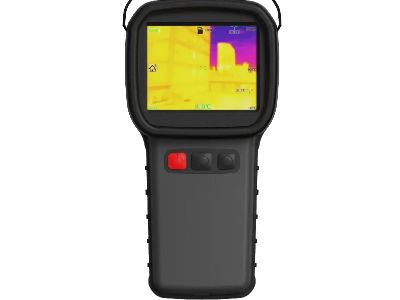
Enhanced Performance: Durable equipment is designed to withstand harsh environments and rigorous use, ensuring that it performs well when needed most. For instance, thermal imaging cameras from Beijing LSJ Technology are engineered to function effectively in extreme conditions.
Long-Term Cost Savings: While high-quality gear may come with a higher initial price tag, its longevity can lead to significant savings over time. Reduced replacement and maintenance costs make durable products more economical in the long run.
Increased Safety: Reliable equipment is critical for the safety of rescue personnel. By sourcing durable gear, buyers can enhance the safety protocols of their teams, reducing the risk of fire fighting equipment failure during critical operations.
Compliance with Standards: Government tenders often require compliance with specific safety and performance standards. Sourcing from reputable manufacturers ensures that the equipment meets these requirements, facilitating smoother approval processes.
Understanding how to source fire and rescue equipment at wholesale prices for government tenders involves careful consideration of product quality supplier reliability, cost factors and installation requirements. By following the guidance, buyers can navigate the procurement process with greater confidence and ensure they procure the best possible equipment for their needs.
Table of Contents
- Where to Source Quality Fire and Rescue Equipment at Bulk Rates?
- Cost Factors to Consider When Purchasing Rescue Equipment Wholesale
- Installation Guidance for Fire and Rescue Equipment Purchases
- Common Problems in Sourcing Rescue Equipment and Solutions
- Benefits of Sourcing Durable Rescue Gear for Government Tenders