 EN
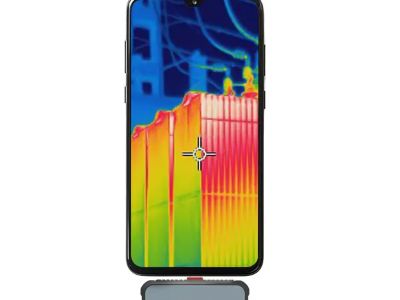
Every fire truck should be equipped with a thermal imaging camera (TIC) to enhance operational efficiency, improve safety, and provide critical situational awareness during emergency responses. These advanced devices allow firefighters to see through smoke, darkness, and heat, enabling them to locate victims, assess fire spread, and make informed decisions quickly. This article will explore the importance of thermal imaging cameras for fire trucks, guiding purchasing managers and fire department officials through the selection process, specifications to consider, installation recommendations, and common challenges encountered in the field
Why Thermal Imaging Cameras Are Essential for Fire Trucks
Thermal imaging cameras are indispensable tools for modern firefighting operations. They provide firefighters with the ability to visualize thermal energy emitted by objects, which is crucial in a variety of scenarios. For instance, during a structure fire, a TIC can help firefighters identify hotspots, locate trapped individuals, and assess the environment without risking their safety. The ability to detect temperature variations allows for quicker decision-making in high-stress situations, ultimately leading to more effective fire suppression and rescue efforts
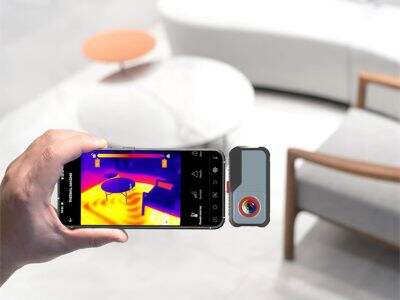
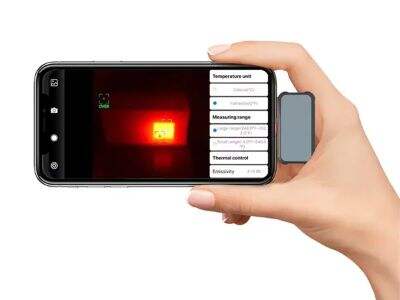
Additionally, android thermal imaging cameras can be used for preventive measures, including building inspections and fire prevention assessments. Fire departments can utilize these cameras to identify potential fire hazards or overheated electrical components during routine checks, thereby reducing the likelihood of future incidents. The integration of TICs into fire trucks not only enhances the effectiveness of fire and rescue operations but also serves as a critical investment in public safety
How to Choose the Right Thermal Imaging Camera for Your Fleet
Selecting the right thermal imaging camera for your fleet involves careful consideration of various factors. First, you need to evaluate the specific needs of your fire department. For example, consider the types of incidents you typically respond to and the environments you operate in. Do you often face structural fires, wildland fires, or complex rescue scenarios? Understanding your operational requirements will guide you in choosing a camera with the appropriate features
Next, consider the camera's resolution and sensitivity. Higher resolution provides clearer images, which can be crucial in identifying victims or hotspots. Sensitivity, measured in milliKelvins (mK), indicates the camera's ability to detect temperature differences; lower mK values generally mean better sensitivity. Additionally, look for features such as video recording capabilities, Wi-Fi connectivity for real-time data sharing, and ruggedness to withstand harsh conditions
Finally, assess the ease of use and ergonomics of the camera. Firefighters need to operate these devices quickly and efficiently, often while wearing gloves and protective gear. A user-friendly interface and lightweight design can significantly enhance operational effectiveness
Key Specifications to Consider When Buying Thermal Imaging Cameras
When purchasing thermal imaging cameras, several key specifications should be carefully evaluated to ensure optimal performance
Resolution: The resolution of a TIC affects the clarity of the image. A higher resolution (measured in pixels) allows for better detail, which is vital for identifying objects and people in complex environments. Look for models with a resolution of at least 320x240 pixels
Field of View (FOV): A wider field of view enables firefighters to visualize larger areas without moving the camera excessively. This can be particularly beneficial in rapidly evolving situations where time is critical
Temperature Range: Ensure that the thermal camera can operate within the temperature range typical of firefighting scenarios. The camera should effectively detect both high and low temperatures relevant to fire environments
Battery Life: Long operational hours are essential for TICs, especially during extended incidents. Cameras with rechargeable batteries that last several hours will minimize downtime and ensure continuous functionality
Durability: Firefighting environments can be harsh, so choose cameras that are rugged and resistant to heat, water, and impact. Look for models that meet military specifications (MIL-STD) for added durability
By focusing on these specifications, purchasing managers can make informed decisions that enhance the capabilities of their fire departments
Installation Guidance for Thermal Imaging Cameras on Fire Trucks
Proper installation of thermal imaging cameras on fire trucks is critical to ensuring their functionality and accessibility. Here are some key considerations
Location: Install the camera in a location that provides easy access for firefighters while maintaining a secure fit. Common placements include the dashboard or a dedicated mounting bracket near the crew area
Power Supply: Ensure that the camera is connected to a reliable power source. Most TICs are rechargeable, but they should also have a direct connection to the truck’s electrical system to prevent battery depletion during use
Protection: Use protective housing or covers to shield the camera from environmental damage, especially during transport. Consider installing it in a way that allows for quick deployment while protecting it from impact during emergencies
Training: Conduct training sessions for the crew on how to operate and troubleshoot the TIC. Familiarity with the device will enhance its effectiveness during critical operations
By following these installation guidelines, fire departments can maximize the utility of thermal imaging cameras in their operations
Common Problems and Solutions with Thermal Imaging Cameras in Use
While thermal imaging camera android significantly improve firefighting capabilities, users may encounter common issues during operation
Image Distortion: If the camera displays distorted images, it may be due to environmental factors such as steam or smoke. Ensure that the camera lens is clean and unobstructed before use
Battery Failure: Unexpected battery failure can disrupt operations. To mitigate this, always carry spare batteries and conduct regular maintenance checks to ensure that batteries are functioning correctly
User Error: Users may misunderstand camera settings or functionalities, leading to ineffective usage. Providing comprehensive training and reference materials can help mitigate this issue
Calibration Issues: Thermal cameras may require periodic calibration to maintain accuracy. Establish a routine maintenance schedule to check and calibrate the camera as needed
By addressing these common problems proactively, fire departments can optimize the functionality and reliability of their thermal imaging cameras in the field
In summary, equipping fire trucks with thermal imaging cameras is a strategic decision that enhances fire department capabilities, promotes safety, and improves emergency response effectiveness. By understanding the essential specifications, installation requirements, and potential challenges, purchasing managers can make informed decisions that benefit their teams and the communities they serve
Table of Contents
- Why Thermal Imaging Cameras Are Essential for Fire Trucks
- How to Choose the Right Thermal Imaging Camera for Your Fleet
- Key Specifications to Consider When Buying Thermal Imaging Cameras
- Installation Guidance for Thermal Imaging Cameras on Fire Trucks
- Common Problems and Solutions with Thermal Imaging Cameras in Use