 EN

Thermal cameras have become essential tools for Fireground operations, enabling rescue teams to see through smoke, locate victims, and assess heat sources. However, not all thermal cameras are created equal, especially when it comes to ruggedness for Fireground use. This article explores what makes a thermal camera rugged enough for Fireground applications, addressing key concerns for purchasing managers and decision-makers in the industry. By understanding the critical specifications, common challenges, and installation practices, buyers can make informed decisions when selecting thermal cameras for their operational needs
What Makes a Thermal Camera Ideal for Fireground Applications
A thermal camera designed for Fireground applications must exhibit specific characteristics to withstand the extreme conditions encountered during firefighting and rescue operations. Key features include
Durability: Thermal cameras should be constructed from robust materials, often featuring reinforced casings that can resist impacts, drops, and exposure to high temperatures. For instance, models that include Ruggedized housings made from polycarbonate or aluminum can endure harsh environments without compromising internal components
Ingress Protection (IP) Rating: An appropriate IP rating, such as IP67, indicates that the camera is dust-tight and can withstand immersion in water up to a specific depth. This is crucial for Fireground applications, where cameras may be exposed to water streams and particulates
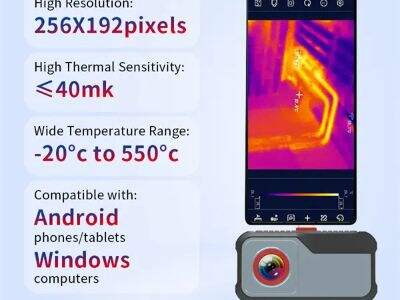
Temperature Range: Thermal cameras must operate in a wide temperature spectrum, particularly in extreme heat or cold. A model that can function effectively from -20°C to 50°C (-4°F to 122°F) ensures reliability in various conditions
Image Quality: High-resolution imaging capabilities are essential for identifying heat sources and potential hazards. A thermal camera with a resolution of at least 320x240 pixels offers clarity necessary for effective decision-making on the Fireground
Battery Life: Extended battery life is vital for continuous operation during emergencies. A camera that can last for several hours on a single charge without requiring frequent recharging allows rescue teams to focus on their tasks without interruption
How to Evaluate the Ruggedness of Thermal Cameras for Fire Use
When evaluating thermal cameras for Fireground use, buyers should consider several factors to determine ruggedness
Material Specifications: Investigate the materials used in the camera's construction. Look for options that combine light weight with high strength, such as magnesium alloy or advanced polymers
Field Testing: Seek thermal cameras that have undergone rigorous field testing. Manufacturers that provide documentation of real-world performance in firefighting scenarios can offer greater assurance of a product’s ruggedness
User Reviews and Case Studies: Reviewing feedback from other fire and rescue teams can provide insights into how well a thermal camera performs in actual conditions. Case studies that highlight successful deployments can also enhance confidence in a specific model
Manufacturer Support: A reputable manufacturer will typically offer warranties and support that reflect their confidence in their product's durability. Consider companies that provide extensive after-sales support and repair services
Customization Options: Some manufacturers, including Beijing LSJ Technology, offer customization of thermal cameras according to specific operational needs. This can include adjustments to software or hardware features that enhance performance in tough environments
Common Problems with Thermal Cameras and Their Effective Solutions
While thermal cameras are invaluable tools, they can present challenges that users should be aware of
Image Distortion: Occasional image distortion can occur due to environmental factors such as humidity or temperature fluctuations. To mitigate this, look for models equipped with features that enable real-time calibration or automatic compensation for atmospheric conditions
Battery Drain: High-intensity use can lead to rapid battery depletion. Opt for thermal cameras with Swappable batteries or those that support external power sources to ensure continuous operation
Limited Range: Some thermal cameras may have limited detection ranges, making it difficult to identify distant heat sources. Selecting models with advanced optics and enhanced thermal sensitivity can help extend the operational range
User Interface: A complex user interface can hinder quick operation in emergencies. Ensure that the thermal camera features an intuitive interface, with easily accessible controls and displays for rapid adjustments
Maintenance Needs: Regular upkeep is essential for maintaining performance. Establish a routine for cleaning lenses and checking for software updates to ensure the camera operates effectively
Installation Guidance for Optimal Use of Thermal Cameras in Emergencies
Proper installation and usage of thermal cameras can significantly enhance their effectiveness during emergencies
Training: Ensure that all personnel are trained in the operation of thermal cameras. Understanding how to interpret thermal images and adjust settings in real-time is crucial for effective use during operations
Mounting Options: Evaluate the best mounting solutions for thermal cameras, especially for aerial applications or fixed installations. Mounts that allow for easy adjustments can provide better angles for viewing critical areas
Field Positioning: During actual operations, positioning the camera to maximize visibility is essential. Train teams to utilize their thermal cameras from various angles to capture the best thermal images
Integration with Other Equipment: Many thermal cameras can integrate with other emergency equipment, such as drones or command center software. Ensure compatibility to enhance data sharing and situational awareness
Regular Equipment Checks: Prior to deployment, conduct routine checks on thermal cameras to ensure they are functioning correctly. This includes testing battery levels, image clarity, and overall device integrity
Wholesale Opportunities for Purchasing Thermal Cameras in Bulk
For purchasing managers looking to buy thermal camera usb in bulk, several key considerations can make the process more efficient
Minimum Order Quantities (MOQ): Identify suppliers that offer favorable MOQs suited to your organization's needs. Companies like Beijing LSJ Technology may provide flexibility based on volume orders
Pricing Structures: Understand pricing tiers based on order volume. Wholesale pricing can lead to significant savings, especially for large orders, so negotiate terms that maximize your budget
Custom Solutions: Consider suppliers that offer customization options. Tailored thermal cameras can better meet specific operational requirements and enhance overall effectiveness
Lead Times: Evaluate the lead times associated with bulk orders. Suppliers with efficient manufacturing processes can typically fulfill orders more quickly, which is crucial for emergency preparedness
Quality Assurance: Ensure that the supplier has a robust quality control process in place. Request documentation around testing and certification to guarantee that the thermal cameras meet necessary industrial standards
By understanding these aspects, purchasing managers and decision-makers can confidently select thermal cameras that are rugged enough for Fireground use, ultimately enhancing the safety and efficiency of their operations
Table of Contents
- What Makes a Thermal Camera Ideal for Fireground Applications
- How to Evaluate the Ruggedness of Thermal Cameras for Fire Use
- Common Problems with Thermal Cameras and Their Effective Solutions
- Installation Guidance for Optimal Use of Thermal Cameras in Emergencies
- Wholesale Opportunities for Purchasing Thermal Cameras in Bulk