 EN
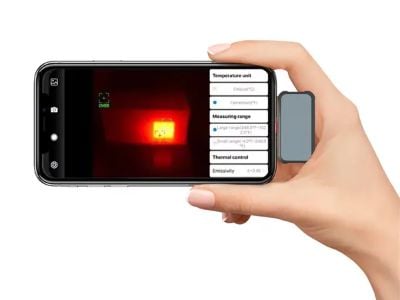
Thermal imaging technology is increasingly vital for post-fire overhaul and hotspot detection. This advanced equipment allows firefighters and safety teams to identify remaining heat sources that can reignite blazes, ensuring comprehensive safety during the overhaul process. For B2B buyers, understanding how to effectively choose and utilize Thermal Camera is crucial. This article will guide you through selecting the right thermal imaging equipment, key specifications to consider, where to source these cameras, and evaluating costs for bulk orders, all tailored to meet the needs of fire and civil defense teams.
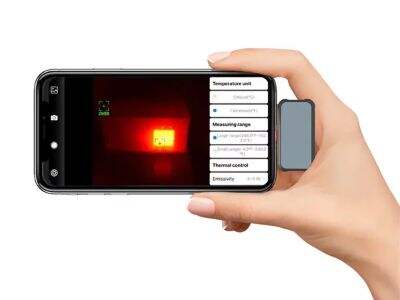
How to Choose Thermal Imaging Cameras for Post-Fire Overhaul
When selecting thermal imaging cameras for post-fire overhaul, it’s essential to consider factors such as resolution, sensitivity, and durability. High resolution allows for better image clarity, enabling teams to identify hotspots more effectively. Sensitivity, often expressed in terms of temperature difference detection (measured in millikelvins), is critical; a camera with high sensitivity can detect small temperature variations, which is vital in identifying smoldering spots that could reignite.
Durability is equally important, as thermal imaging cameras must withstand harsh environments often found in post-fire scenarios. Look for models that are ruggedized and rated for high-impact resistance and extreme temperatures. Additionally, features such as extended battery life and lightweight design can enhance mobility and ease of use during intense operations.
For organizations like fire and civil defense teams, having access to customizable options can also be beneficial. Companies like Beijing LSJ Technology offer tailored solutions that meet specific operational requirements, which can improve overall effectiveness during post-fire assessments.
Key Specifications for Thermal Imaging in Hotspot Detection
Understanding the key specifications of thermal imaging cameras is critical for effective hotspot detection. Key metrics include:
Thermal Sensitivity: Measured in millikelvins (mK), this indicates the camera's ability to detect small temperature differences. A lower number signifies better sensitivity, enabling the identification of hotter spots amidst cooler surroundings.
Resolution: The resolution of the thermal camera affects the detail of the image. Higher resolution cameras provide clearer images, allowing for more precise hotspot identification. Common specifications include 320x240, 640x480, and higher, with the latter offering more detailed thermal images.
Field of View (FOV): A wider FOV allows for greater coverage, reducing the time needed to scan an area. A camera with a FOV of at least 25 degrees is recommended for comprehensive inspection.
Temperature Range: It’s essential to select a camera that operates effectively within the temperature ranges expected during firefighting scenarios. Ensure it can accurately detect temperatures from ambient levels up to those found in active fires.
Image Processing Features: Features like image enhancement, temperature measurement, and color palettes can significantly improve usability. Cameras with built-in analysis tools can also streamline the post-fire evaluation process.
Understanding these specifications will help buyers select equipment tailored to their operational needs, enhancing safety and efficiency during post-fire operations.
Where to Wholesale Thermal Imaging Equipment for Fire Safety
When sourcing thermal imaging equipment, it’s important to establish relationships with reputable manufacturers and suppliers. Bulk purchasing allows for better pricing and often includes added benefits such as extended warranties or service agreements. Buyers should consider companies specializing in fire safety and rescue equipment, like Beijing LSJ Technology.
Online platforms, industry expos, and trade shows are excellent venues for connecting with suppliers. Attending these events provides opportunities to see equipment in action, discuss specifications directly with manufacturers, and often negotiate favorable terms for bulk orders.
Buyers should also inquire about the supplier's ability to provide after-sales support, including maintenance services and technical training, which can be critical for maximizing the effectiveness of thermal imaging technology in post-fire scenarios.
Evaluating Cost Factors for Bulk Orders of Thermal Imaging Cameras
Cost evaluation for bulk orders of thermal imaging cameras involves several considerations. While unit price is essential, buyers should also assess the total cost of ownership, which includes maintenance, potential training for staff, and any necessary accessories like protective cases or additional batteries.
Quantity Discounts: Many manufacturers offer tiered pricing based on order volume. Buyers should inquire about discounts for larger orders to optimize budget allocation.
Shipping Costs: Depending on the supplier's location and the destination, shipping can significantly impact overall costs. Ensure that shipping fees are factored into pricing discussions.
Warranty and Service Plans: Some manufacturers provide extended warranties or service plans with bulk purchases. Evaluating these options can provide long-term savings and peace of mind.
Customization Fees: If customized features are required, it’s crucial to understand how these will affect pricing. Custom solutions can often lead to increased upfront costs but may enhance operational efficiency and effectiveness.
By discussing these factors with potential suppliers, buyers can better navigate the financial aspects of bulk purchasing thermal imaging cameras.
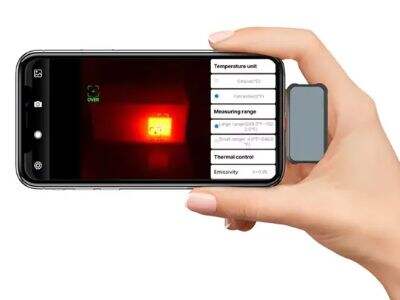
Choosing the Best Manufacturer for Thermal Imaging
Selecting a reliable manufacturer for Firefighting Thermal Camera is key to ensuring the quality and performance of your equipment. Consider the following criteria when evaluating potential suppliers:
Experience and Specialization: Look for manufacturers with a proven track record in producing thermal imaging technology specifically for fire safety applications. Companies like Beijing LSJ Technology, established in 2010, have developed a reputation for durability and reliability in challenging environments.
Patents and Innovations: Manufacturers holding patents indicate a commitment to innovation. This often translates to advanced features and improved product performance, which can be critical in high-stakes scenarios like post-fire operations.
Quality Control Processes: Investigate the manufacturer’s quality control measures. A robust quality assurance system ensures that every camera meets high-performance standards before it reaches the market.
Customer Support: Reliable customer service can be invaluable, especially for technical equipment. Ensure the manufacturer provides comprehensive support, including training, troubleshooting, and maintenance assistance.
Feedback from Existing Clients: Seek testimonials or case studies from other organizations that have used the manufacturer’s products. This real-world insight can provide confidence in your purchasing decision.
By carefully assessing these factors, you can ensure that you partner with a manufacturer capable of delivering high-quality thermal imaging solutions for effective post-fire overhaul and hotspot detection.