 EN
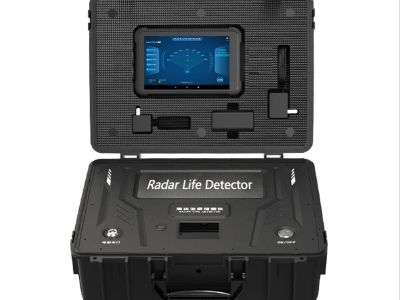
When considering the procurement of a radar life detector for your team, it’s crucial to ask the right questions to ensure you select a product that meets your operational needs. The Top 10 Questions to Ask Before Buying a Radar Life Detector for Your Team will guide you through this decision-making process, addressing key specifications, applications, and technical features that are essential for effective urban search and rescue operations
What Key Specifications Should You Evaluate in Radar Life Detectors
When evaluating radar life detectors, crucial specifications include detection depth, resolution, and operational frequency
Detection Depth refers to how deep the radar can penetrate materials like rubble, which is vital in search and rescue scenarios. A detector with a greater depth capability allows responders to locate victims buried under debris more effectively
Resolution impacts the ability to distinguish between multiple signals. Higher resolution detectors can identify individual signals from multiple victims or objects, which is crucial in chaotic environments
Operational Frequency affects the detector’s ability to differentiate between various materials. Different frequencies can penetrate materials differently, which means you may need a radar system that operates effectively across a range of frequencies depending on the types of debris encountered
Buyers should ensure they receive detailed specifications, including performance metrics under specific conditions, to evaluate how well a radar life detector can perform in the field
Radar Life Detectors for Bulk Orders Explained
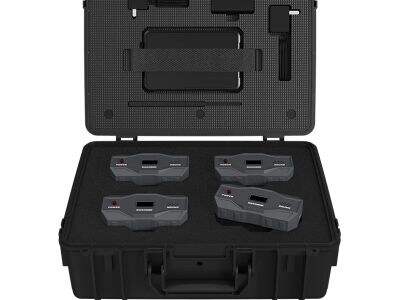
When considering bulk orders of radar life detectors, it’s essential to understand minimum order quantities (MOQ), pricing structures, and lead times
MOQ often varies based on the manufacturer and the specific model of the radar detector. For example, some manufacturers may require a minimum order of five units, while others may accommodate smaller orders
Pricing Structures can often provide discounts for larger orders. For example, ordering ten units may reduce the cost per unit compared to ordering just one or two. Inquire about bulk pricing during your discussions with suppliers
Lead Times are crucial for ensuring that your team has the equipment when needed. Confirm the expected production and shipping times to avoid delays in deployment during emergencies
Understanding these factors will help you effectively plan your budget and operational readiness
What Applications Are Best Suited for Radar Life Detectors
Radar life detectors are primarily used in urban search and rescue (USAR) operations, but they can also be beneficial in various other scenarios
Their primary application is in disaster response situations, where they can locate individuals trapped under debris after building collapses, landslides, or earthquakes
Additionally, they are valuable in scenarios such as searching for missing persons in remote locations or evaluating the structural integrity of buildings before rescue efforts
Beyond emergency services, radar life detectors can be used in mining operations to detect voids or in construction to locate underground utilities before excavation
Understanding the application environment will help guide your purchasing decisions, ensuring the selected model meets specific operational requirements
How Material Quality Affects the Performance of Radar Life Detectors
The materials used in constructing radar life detectors significantly influence their durability and performance
Housing Materials should be robust enough to withstand harsh environmental conditions, including moisture, dust, and extreme temperatures. For instance, a detector made from high-grade aluminum or reinforced plastics is generally more durable and suitable for outdoor use
Antenna Materials impact signal clarity and strength. Materials that are resistant to electromagnetic interference will provide clearer signals, which is crucial in densely built environments where signals may be obstructed
Weight and Ergonomics: The materials used also impact the weight of the device. Lighter materials can improve portability, allowing rescue teams to carry multiple devices without excessive strain
Before finalizing your purchase, evaluate the material specifications to ensure they align with the operational conditions your team will face
What Technical Features Distinguish High-Quality Radar Life Detectors
Several technical features can distinguish high-quality radar life detectors from others on the market
User Interface and Controls: A user-friendly interface with intuitive controls is critical for quick operation in high-stress situations. Look for models that offer touchscreens or simple button layouts, allowing users to switch modes or adjust settings rapidly
-
Battery Life: Extended battery life is crucial for prolonged operations. High-quality detectors should provide a minimum of several hours of continuous use under normal conditions
Data Recording and Transmission: Some advanced models offer the ability to record data or transmit it to a command center in real-time. This feature can enhance coordination during rescue operations, allowing teams to strategize based on live data
Calibration and Self-Diagnostics: High-quality detectors often include features that allow for easy calibration and built-in self-diagnostic tools to ensure the device is functioning properly before deployment
By focusing on these technical features, buyers can enhance their operational efficiency and reliability during critical missions
In summary, asking the right questions about specifications, applications, material quality, and technical features is vital for making informed decisions when purchasing radar life detectors. This guide aims to empower purchasing managers and rescue team leaders to select the best equipment suited for their specific needs
Table of Contents
- What Key Specifications Should You Evaluate in Radar Life Detectors
- Radar Life Detectors for Bulk Orders Explained
- What Applications Are Best Suited for Radar Life Detectors
- How Material Quality Affects the Performance of Radar Life Detectors
- What Technical Features Distinguish High-Quality Radar Life Detectors