 EN
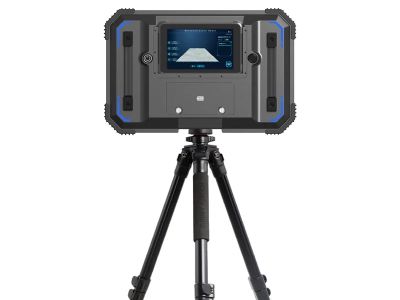
Through wall radar technology plays a critical role in disaster response, helping rescue teams locate survivors trapped in collapsed structures. These systems, which can penetrate walls and other barriers, provide real-time data that is vital for effective search and rescue operations. For B2B buyers such as purchasing managers, engineers, and rescue team leaders, understanding the practical applications and specifications of through wall radar is essential for making informed purchasing decisions. This article explores 5 Real-World Applications of Through Wall Radar in Disaster Response, providing insights into what to consider when selecting these systems for emergency scenarios.
What Contractors Should Know?
When evaluating through wall radar systems for disaster response, contractors should focus on several key factors. First, understand the technology's ability to differentiate between various materials and identify human presence. This capability is vital in urban search and rescue (USAR) missions, where distinguishing between debris types can guide rescue efforts. Next, contractors should consider the operating range and depth of penetration. Systems designed for emergency use typically have optimized frequencies that balance resolution and penetration depth, which can vary based on the specific environment. It's beneficial to verify the manufacturer's specifications regarding range, as this directly impacts the system's effectiveness in real-world applications. Additionally, contractors should inquire about the system's ease of use and training requirements. A user-friendly interface can significantly reduce the learning curve for rescue teams, allowing them to deploy the technology effectively in high-pressure situations. Investing in training and support from the manufacturer can ensure that personnel are well-prepared to utilize the equipment during emergencies.
Budgeting for Disaster Response
When budgeting for through wall radar systems, buyers must consider not only the initial purchase price but also ongoing costs such as maintenance, training, and potential upgrades. It’s essential to evaluate the total cost of ownership (TCO) by factoring in these elements. Start by assessing the specific needs of your rescue operations. This includes the frequency of use, the types of environments typically encountered, and the size of the rescue teams. Tailoring the budget to reflect these operational requirements will help ensure that the selected radar systems are both cost-effective and capable of meeting performance expectations. Additionally, inquire about financing options or bulk purchase discounts from manufacturers. Given that companies like Beijing LSJ Technology offer custom solutions, they may provide flexibility in pricing that can accommodate budget constraints while still delivering high-quality systems.
Installation Guidance for Through Wall Radar in Emergency Scenarios
Proper installation of through wall radar systems is crucial for their effective operation. Most systems require a clear understanding of the operational environment, which includes assessing the types of structures commonly encountered during rescue operations. Installation should ideally be carried out by trained personnel to ensure optimal performance and adherence to safety guidelines. Key considerations during installation include the calibration of the radar to the specific materials it will be used against. This may involve adjusting settings to suit different through wall radar types, such as concrete, wood, or metal. Such calibration ensures that the system can accurately interpret signals and provide reliable data. Furthermore, it’s advisable to conduct a pre-installation evaluation to identify any potential obstacles or interference that may affect radar performance. Areas with high electromagnetic interference or dense materials could require additional attention to ensure accurate readings.
Evaluating the Quality of Through Wall Radar Systems for Rescue Teams
To ensure the quality of through wall radar systems, buyers should focus on several critical evaluation criteria. First, assess the system’s detection capabilities. Look for models that utilize advanced signal processing algorithms, as these can significantly enhance the accuracy of human detection through various materials. Durability is another essential factor, particularly in disaster response scenarios where equipment may be exposed to harsh environmental conditions. Verify that the systems have been tested for ruggedness and can withstand impacts, moisture, and temperature variations. Product certifications and adherence to industry standards can serve as indicators of quality. Additionally, consider the manufacturer's track record in the industry. Companies like Beijing LSJ Technology, with extensive experience in through wall radar factory USAR equipment, often have established reputations for reliability and performance. Requesting references or case studies can provide insights into how the systems have performed in actual rescue operations.
Common Problems with Through Wall Radar and Effective Solutions
Despite their advanced technology, through wall radar systems can encounter common issues that may affect performance. One prevalent problem is signal attenuation caused by dense or irregular materials. This can lead to inaccurate readings or missed detections. To mitigate this, users should familiarize themselves with the specific limitations of their chosen system and adjust their operational strategies accordingly. Another issue is the potential for false positives, where the system detects non-human entities, such as debris. Regular calibration and operator training can help minimize such occurrences. It’s also beneficial to utilize radar systems in conjunction with other detection methods, such as thermal imaging cameras, to corroborate findings and enhance overall accuracy. Lastly, maintenance is crucial for ensuring long-term performance. Establish a routine check-up schedule to inspect the radar systems for any physical damage or software updates. Engaging with manufacturers for ongoing support and training can help teams stay current on best practices and troubleshooting techniques. Through see through wall radar technology is an invaluable asset for disaster response operations, providing critical information that can save lives. Understanding the practical applications, budgeting considerations, installation requirements, quality evaluation, and common challenges associated with these systems will empower B2B buyers to make informed purchasing decisions that enhance their rescue capabilities.