 EN
Urban Search and Rescue (USAR) teams play a crucial role in emergency response situations, providing life-saving assistance in the aftermath of disasters. Equipping these teams with the right tools is essential for their effectiveness and safety. We will explore the 7 essential pieces of search and rescue equipment every USAR team needs, focusing on key specifications and considerations for purchasing managers and decision-makers in the field.
What to Consider When Choosing Search and Rescue Equipment?
When selecting search and rescue equipment, several critical factors must be considered to ensure that the gear meets the demands of urban environments and extreme conditions. Firstly, durability is paramount; equipment should withstand harsh environmental factors, including temperature fluctuations, moisture, and physical stress. Another important aspect is the equipment's functionality; it must be user-friendly and facilitate quick deployment. For instance, thermal imaging cameras and life detectors should offer intuitive interfaces that allow for rapid operation in high-pressure situations. Additionally, weight and portability are vital, as rescuers often need to carry equipment over challenging terrain. Lastly, compliance with industry standards and certifications can indicate a product's reliability and safety. Buyers should verify if the equipment has met the necessary regulatory requirements for use in emergency response scenarios.
Essential Specifications for Effective USAR Equipment Selection
When evaluating USAR equipment, certain specifications are critical to its overall performance and suitability. For instance:
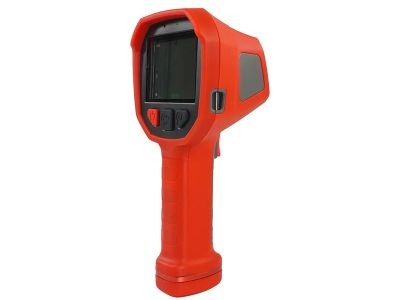
Thermal Imaging Cameras: Look for models with high resolution (e. g., 640x480 pixels) and a wide temperature range (-20°C to 120°C) to ensure effective operation in various conditions. Field of view and frame rates (at least 30 Hz) are also essential for detecting heat signatures accurately.
Life Detectors: These devices should have a sensitivity level that can detect minimal vibrations or sounds, such as heartbeat detection, from a distance of several feet. Battery life is another crucial specification, with a minimum of 10 hours being ideal for extended operations.
Multi-Gas Detectors: These must be capable of detecting a range of gases, including CO, H2S, and O2 with quick response times (usually within 10 seconds). The equipment should also feature visual and auditory alarms to alert users to dangerous gas levels.
Understanding these specifications will help buyers make informed decisions when procuring equipment that can effectively meet the demands of USAR operations.
Where to Source Reliable Wholesale USAR Gear for Your Team?
Sourcing USAR equipment requires careful consideration of suppliers to ensure quality and reliability.
Reputable Manufacturers: Look for manufacturers with a proven track record in the rescue equipment industry. Companies like Beijing LSJ Technology, known for their extensive product line and over 100 patents, provide innovative solutions tailored to the needs of USAR teams.
Industry Trade Shows: Attending trade shows and exhibitions allows buyers to evaluate equipment firsthand and engage directly with suppliers. This interaction can provide insights into the latest technology and trends in search and search & rescue equipment.
Online Marketplaces: Online platforms can offer a broad range of products, but it is crucial to verify the credibility of sellers. Check for reviews and ratings, and ensure that the products meet required safety and performance standards.
Local Distributors: Partnering with local distributors can provide faster delivery times and easier access to support services. Ensure they have a solid understanding of USAR needs and can offer custom solutions tailored to specific operational requirements.
Applications of Multi-Gas Detectors in Urban Search and Rescue
Multi-gas detectors are invaluable in USAR situations, particularly in environments where hazardous gases may be present. Their applications include:
Hazard Assessment: Before entering potentially dangerous environments, USAR teams can use multi-gas detectors to assess air quality and identify harmful gas concentrations. This step is crucial for ensuring the safety of urban search and rescue equipment and victims alike.
Continuous Monitoring: During rescue operations, continuous monitoring of gas levels can alert teams to changing conditions. For example, in a collapsed structure, gas buildup could indicate a risk of explosion or toxic exposure, allowing for timely evacuations.
Safety Compliance: Many jurisdictions require monitoring for specific gases in rescue operations, making these detectors a vital part of regulatory compliance for USAR teams.
Selecting a multi-gas detector with reliable performance and sensitivity is essential for effective operation in urban environments.
Common Problems and Solutions in USAR Equipment Use
Despite advancements in search and rescue technology, several common problems can arise during the use of USAR equipment. Understanding these issues can help teams prepare and respond effectively.
Battery Life: Equipment such as thermal imaging cameras and multi-gas detectors can suffer from limited battery life during extended operations. To mitigate this, teams should carry spare batteries and invest in additional charging solutions for field use.
Calibration Issues: Over time, detectors may require recalibration to maintain accuracy. Regular maintenance checks and following the manufacturer's guidelines for calibration schedules can help ensure consistent performance.
User Training: A common oversight is inadequate training in using complex equipment. USAR teams should engage in regular training sessions to familiarize personnel with all equipment features and functionalities, which can significantly enhance operational efficiency during emergencies.
Environmental Challenges: Equipment may not perform optimally in extreme weather conditions. Buyers should consider equipment specifically designed for rugged environments that meet stringent IP ratings for water and dust resistance.
By addressing these common problems proactively, teams can enhance their operational readiness and effectiveness during rescue missions.
In summary, equipping Urban Search and search and rescue equipment teams with essential gear involves careful consideration of specifications, reliable sourcing, and an understanding of potential problems. By prioritizing quality, functionality and durability, purchasing managers can ensure that their teams have the best tools available to save lives in critical situations.