 EN
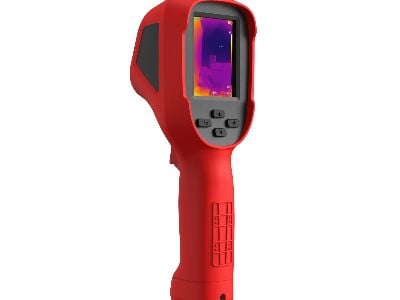
Understanding the differences between thermal imaging cameras and night vision technology is crucial for rescue teams. As a manufacturer specializing in Urban Search and Rescue (USAR) equipment, we understand that selecting the right technology can significantly impact operational effectiveness. This article will clarify the distinctions between thermal imaging cameras and night vision devices, helping you make an informed decision based on performance, application needs, and reliability.
Understanding Thermal Imaging Cameras for Rescue Applications
Thermal imaging cameras detect infrared radiation emitted by objects and convert it into a visual image. Unlike visible light cameras, these devices allow rescue teams to see in complete darkness and through obstacles such as smoke, fog, or dense vegetation. This capability is vital in emergency situations where visibility is compromised. Thermal cameras are particularly effective in locating heat sources, such as trapped individuals or smoldering fires, making them invaluable for search and rescue radar operations. For instance, our thermal imaging cameras are designed to withstand harsh environmental conditions, providing reliable performance in extreme temperatures and adverse weather. This durability ensures that rescue teams can depend on their equipment when lives are at stake.
Key Differences Between Night Vision and Thermal Imaging Technology
While both thermal imaging and night vision technologies are used for low-light operations, they function differently and serve distinct purposes. Night vision devices amplify existing light, such as moonlight or starlight, to create a visible image. However, they struggle in complete darkness or in environments with minimal light. On the other hand, thermal imaging cameras do not rely on ambient light and can operate effectively in total darkness. Another difference lies in image quality and detail. Night vision devices can produce clearer images in low-light conditions, but they may fail to detect heat signatures. This limitation can be critical during rescue missions where locating victims is paramount. Thermal imaging cameras excel in revealing hidden threats, such as individuals trapped under debris, making them the preferred choice for rescue teams.
Where to Source Reliable Thermal Imaging Cameras Wholesale?
When sourcing thermal imaging cameras wholesale, it is essential to evaluate potential suppliers based on their manufacturing capabilities, product quality, and after-sales support. Look for manufacturers with a proven track record in producing USAR equipment, such as Beijing LSJ Technology, which holds over 100 patents in the field. Buyers should also consider customization options, as specific rescue radar price missions may require tailored solutions to meet unique operational requirements. Requesting product demonstrations and samples can help assess the reliability and performance of the equipment before committing to a purchase. Additionally, verify that the manufacturer adheres to quality control processes and relevant certifications. This ensures that the thermal imaging cameras meet necessary safety and performance standards, providing peace of mind for rescuers who depend on this technology.
Common Problems with Night Vision and Thermal Imaging Devices
Both night vision and thermal imaging devices can encounter common issues that may affect their performance in critical situations. For night vision devices, one prevalent problem is image distortion, which can occur in bright light conditions. This distortion can lead to misinterpretation of visual data, potentially compromising rescue operations. Thermal imaging cameras may face challenges such as calibration issues or sensor malfunctions, which can result in inaccurate readings. Regular maintenance and performance checks are vital to ensure that these devices operate optimally. Additionally, users should be trained to handle and maintain the equipment properly to minimize the risk of operational failures during missions. It's also essential to note that environmental factors, such as extreme temperatures or humidity, can affect the performance of both technologies. Therefore, selecting models designed for rugged use, like those from our product line, can significantly reduce the likelihood of equipment failure in the field.
Installation Tips for Thermal Imaging Cameras in Rescue Operations
Proper installation of thermal imaging cameras is critical for maximizing their effectiveness during rescue operations. First, ensure that the camera is mounted securely and positioned to provide an unobstructed view of the area of interest. Depending on the application, consider using adjustable mounts to allow for flexible positioning during different rescue scenarios. Next, familiarize the rescue team with the camera's functionalities and features before deployment. Training sessions can help users understand how to interpret thermal images and make quick decisions based on the data provided. Additionally, conducting simulated rescue operations using the thermal camera can enhance team confidence and efficiency during real missions. Lastly, always check the camera's battery life and ensure that backup power sources are available. In high-stakes situations, having a fully functional thermal imaging camera can be the difference between successful rescue search camera and missed opportunities. Regular maintenance checks and charging protocols should be established to ensure the equipment is always ready for action. By understanding the differences between thermal imaging cameras and night vision technology, sourcing reliable products, and following proper installation and maintenance protocols, rescue teams can significantly enhance their operational effectiveness. This ensures that they are well-equipped to handle emergencies and save lives.
Table of Contents
- Understanding Thermal Imaging Cameras for Rescue Applications
- Key Differences Between Night Vision and Thermal Imaging Technology
- Where to Source Reliable Thermal Imaging Cameras Wholesale?
- Common Problems with Night Vision and Thermal Imaging Devices
- Installation Tips for Thermal Imaging Cameras in Rescue Operations