 EN
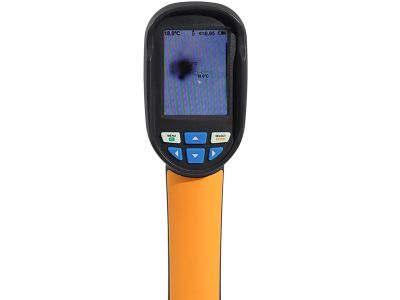
The choice between 160×120 vs. 384×288 thermal resolution is critical for fire departments looking to enhance their firefighting capabilities. Understanding these differences can significantly impact the effectiveness of thermal imaging cameras in real-world applications. This article will address key concerns such as resolution suitability, cost implications, and the specific applications of each resolution type, providing valuable insights to help purchasing managers and fire service professionals make informed decisions.
Where to Source High-Quality Thermal Imaging Solutions Wholesale?
When sourcing thermal imaging cameras for fire departments, consider manufacturers that specialize in high-performance rescue technology, like Beijing LSJ Technology. With a focus on durable products designed for harsh environments, companies like LSJ can offer solutions tailored to the specific needs of fire services.
Look for manufacturers that provide a range of options in thermal camera resolutions and have proven experience in producing equipment that meets stringent quality standards. Key factors to consider when selecting a supplier include:
Production Capacity: Ensure the manufacturer can meet your demand levels, especially during peak seasons.
Customization Capabilities: Some fire department thermal imager may require specific features or integrations with existing equipment.
Quality Control Processes: Investigate the manufacturer's quality assurance practices to ensure reliability and performance in critical situations.
Technical Support: Post-purchase support is essential, especially for complex thermal imaging systems.
Understanding the Cost Differences between Thermal Resolutions
The cost of thermal imaging cameras can vary significantly between different resolutions. Typically, cameras with a resolution of 384×288 will be more expensive than those with a resolution of 160×120. This price difference is influenced by several factors:
Sensor Technology: Higher resolution cameras use advanced sensor technology that can capture more detail, making them more costly to manufacture.
Image Processing Capabilities: Cameras with higher resolutions often come equipped with better image processing software, enhancing their functionality in demanding environments.
Performance Specifications: Higher resolution systems generally offer improved performance in terms of image clarity and the ability to detect heat signatures at greater distances.
For fire departments, understanding these cost implications is crucial for budgeting and determining the best value for their specific operational needs.
Applications for 160×120 vs. 384×288 Thermal Imaging in Fire Departments
Choosing between a 160×120 and a 384×288 thermal imaging camera depends largely on the intended application.
160×120 Resolution: This resolution is suitable for basic applications such as identifying hotspots from a short distance, conducting preliminary inspections, or training exercises. While it may lack some detail, it is often adequate for less demanding scenarios and comes at a lower price point.
384×288 Resolution: Higher resolution cameras are ideal for critical applications where detail is paramount. They excel in search and rescue operations, enabling fire department thermal imaging camera to identify victims in challenging conditions and assess structural integrity in real-time. The increased clarity allows for quicker decision-making, which can be lifesaving in emergencies.
Ultimately, fire departments should assess their specific needs and operational scenarios to determine the most appropriate resolution for their thermal imaging cameras.
Evaluating the Quality of Thermal Cameras for Firefighting Needs
When selecting thermal imaging cameras, quality evaluation should encompass several key aspects:
Build Quality: Firefighting equipment must withstand extreme temperatures, moisture, and impact. Look for cameras designed to meet military or industrial-grade standards, ensuring durability in harsh conditions.
Image Clarity: The clarity of thermal images is crucial for effective decision-making. Evaluate cameras not just on resolution, but also on their ability to render clear images in low visibility conditions.
Battery Life: Firefighters require reliable equipment that can operate for extended periods. Assess the battery life of thermal cameras, ensuring they can last through long operational hours without needing frequent recharging.
User Interface and Ergonomics: The camera should be easy to operate, even with gloves on, and provide intuitive controls for quick access to different functionalities.
Quality inspection should also include testing under real-world conditions to ensure the camera performs as expected when it matters most.
Installation Guidance for Thermal Imaging Systems in Fire Services
Installing thermal imaging systems in fire services requires careful consideration to ensure optimal performance. Here are key steps for successful installation:
Site Assessment: Conduct a thorough evaluation of the installation site to determine the best locations for camera placement. Consider factors like field of view, potential obstructions, and environmental conditions.
Integration with Existing Equipment: Ensure that new thermal imaging cameras can seamlessly integrate with existing systems, such as command and control software. This may require collaboration with the manufacturer to understand compatibility requirements.
Training and Familiarization: Once installed, provide comprehensive training for users. Firefighters and command staff should be familiar with the camera's features, operation, and maintenance to maximize its effectiveness.
Regular Maintenance Checks: Schedule periodic maintenance inspections to ensure the cameras remain in optimal working condition. This includes checking for software updates, cleaning lenses, and verifying battery performance.
By following these guidelines, fire departments can ensure that their thermal imaging systems are effectively installed and ready for use in emergency situations. In summary, understanding the differences between 160×120 and 384×288 thermal resolutions is crucial for fire department thermal imaging camera prices departments to select the right thermal imaging technology. By sourcing high-quality solutions, evaluating costs, assessing applications, ensuring quality, and following installation best practices, fire service professionals can enhance their operational effectiveness and improve safety outcomes in the field.
Table of Contents
- Where to Source High-Quality Thermal Imaging Solutions Wholesale?
- Understanding the Cost Differences between Thermal Resolutions
- Applications for 160×120 vs. 384×288 Thermal Imaging in Fire Departments
- Evaluating the Quality of Thermal Cameras for Firefighting Needs
- Installation Guidance for Thermal Imaging Systems in Fire Services