
 EN
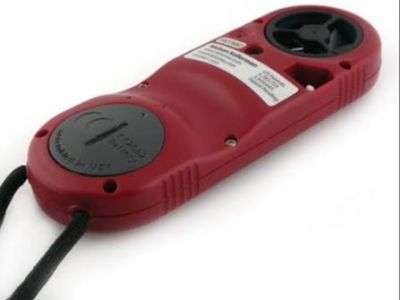
A portable weather meter is an essential tool that supports firefighting and rescue operations by providing real-time atmospheric data. Understanding how weather conditions affect fire behavior and rescue scenarios is crucial for safety and efficiency in these high-stakes environments. This article will explore how a portable weather meter enhances firefighting efficiency, its key specifications, quality considerations, installation guidance, and real-world applications, thereby addressing the primary concerns of purchasing managers, distributors, and rescue teams
How a Portable Weather Meter Enhances Firefighting Efficiency
A portable weather meter plays a vital role in enhancing firefighting efficiency by supplying crucial data that informs decision-making during operations. This device measures parameters such as temperature, humidity, wind speed, and direction, all of which influence fire behavior. For example, understanding wind patterns can help firefighters predict how a fire may spread, allowing them to position resources effectively and develop strategic plans for containment
Moreover, real-time data from a weather meter can facilitate communication among teams, ensuring that all members are aware of changing conditions. This awareness can lead to quicker responses to hazards like sudden gusts of wind, which could shift the fire's direction unexpectedly. For purchasing managers and rescue operation leaders, investing in a reliable weather meter translates to improved operational safety and effectiveness
Key Specifications of Portable Weather Meters for Rescue Operations
When selecting a portable weather meter for firefighting and rescue operations, several key specifications should be considered
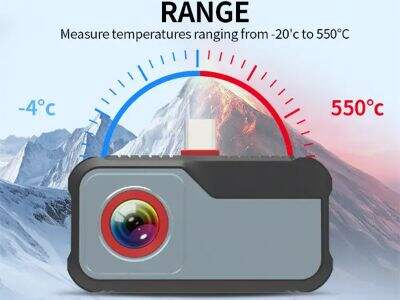
Measurement Range: The device should have a wide range for temperature, humidity, and wind speed measurements to accommodate various environmental conditions. For instance, temperatures may vary significantly in a wildfire situation, from high heat near the fire to cooler temperatures in shaded areas
Accuracy: High accuracy is critical for the reliability of data. Look for meters with specifications that include ±0.5°C for temperature and ±3% for humidity readings. Inaccurate measurements could lead to poor decision-making
Durability: Given the harsh conditions faced during firefighting operations, the weather meter should be rugged and water-resistant. Look for IP ratings that indicate protection against dust and water ingress
Battery Life: Extended battery life is essential for long operations. A weather meter should ideally last several hours on a single charge, particularly in remote areas where recharging may not be possible
Ease of Use: The interface should be user-friendly, allowing for quick readings and minimal training time. Features like backlit displays and intuitive buttons can enhance usability in low-light conditions
By considering these specifications, purchasing managers can ensure that they select a portable weather meter that meets operational needs effectively
Quality Portable Weather Meters for Rescues
Quality is paramount when selecting portable weather meters for rescue operations. As a manufacturer with extensive experience in producing high-performance USAR equipment, it's essential to choose devices that meet industry standards and are backed by reliable quality control processes. Look for meters that have undergone rigorous testing for durability and accuracy
Additionally, it's beneficial to evaluate the manufacturer's reputation and any certifications they possess, as this speaks to their commitment to quality. Portable weather meters should ideally come with warranties or guarantees to protect against defects and ensure long-term reliability
Installation Guidance for Portable Weather Meters in the Field
Installing a portable weather meter correctly is crucial to gather accurate data during firefighting and rescue operations. Here are some practical steps to ensure proper installation
Select an Appropriate Location: Choose a location that is representative of the area being monitored. Avoid placing the meter near large structures or other obstructions that could interfere with wind measurements
Mounting: Use a stable mount or tripod to secure the weather meter. Ensure it is level to avoid inaccurate readings, especially for wind speed and direction
Calibration: Before each use, check the calibration of the weather meter. This may involve using reference points or recalibrating according to the manufacturer's instructions
Regular Maintenance: Conduct regular maintenance checks to ensure the device remains in good working condition. This includes cleaning sensors and checking battery levels
Data Recording: Ensure that the device is set up to record data accurately, either through a built-in memory or external data logging systems. This data can be invaluable for post-operation analysis and training
By following these installation guidelines, teams can maximize the effectiveness of their portable weather meters in the field
Real-World Applications of Portable Weather Meters in Firefighting
Portable weather meters have numerous real-world applications in firefighting and rescue scenarios. For instance, during wildfires, firefighters use these devices to monitor changing weather conditions that can impact fire spread. This data aids in making informed decisions about evacuation zones and resource allocation
In urban search and rescue operations, weather meters assist teams in assessing conditions that may affect their safety, such as sudden storms or temperature drops. By being aware of these factors, teams can adapt their strategies and ensure the safety of both rescuers and victims
Additionally, data collected from portable weather meters can be used for training and operational planning. By analyzing how weather conditions affect past incidents, teams can improve their response strategies for future emergencies
In summary, a portable weather meter is an invaluable tool in firefighting and rescue operations, enhancing efficiency and safety through real-time data. By understanding its specifications, ensuring quality, following proper installation guidelines, and recognizing its applications, purchasing managers and operation leaders can make informed decisions about integrating this technology into their rescue efforts
Table of Contents
- How a Portable Weather Meter Enhances Firefighting Efficiency
- Key Specifications of Portable Weather Meters for Rescue Operations
- Quality Portable Weather Meters for Rescues
- Installation Guidance for Portable Weather Meters in the Field
- Real-World Applications of Portable Weather Meters in Firefighting
