 EN
Radar technology has evolved to become a critical tool in various fields, including urban search and rescue (USAR). Specifically, it enables detection of heartbeats and breathing through solid walls, which can be vital in emergency situations. Understanding how this technology works can be essential for purchasing managers, engineers, and rescue teams looking to enhance their operational capabilities. This article will provide insights into the functioning of rescue radar technology for heartbeat detection, installation guidance, common challenges, cost considerations, and its applications in USAR operations.
How Radar Technology Detects Heartbeats Through Solid Walls?
Radar technology for detecting heartbeats relies on the principles of electromagnetic waves. When radar signals are emitted, they penetrate solid structures and reflect off moving objects, such as a person’s chest. The radar system captures these reflections, analyzing them to identify minute changes in frequency caused by the rhythmic movement of the heart and lungs.
This process, known as Doppler radar, is effective even through walls because it can detect the subtle vibrations caused by these internal movements. The technology is particularly advantageous in rescue operations, as it allows teams to locate individuals trapped in collapsed structures or hidden spaces without needing to breach the walls, thus minimizing potential harm to victims and the surrounding environment.
For B2B buyers, understanding the specifics of radar systems is crucial. Buyers should evaluate the frequency range, detection sensitivity, and penetration capabilities of search and rescue radar devices to ensure they meet the operational needs of their rescue teams.
Installation Guidance for Radar Heartbeat Detection Systems
Installing radar heartbeat detection systems requires careful planning and execution. The following steps outline essential considerations for a successful installation:
Site Assessment: Prior to installation, conduct a thorough site assessment to identify the optimal locations for radar units. Factors such as wall thickness, materials, and room layout will affect detection capabilities.
Equipment Configuration: Choose radar systems that are customizable for different operating environments. Factors like frequency, antenna design, and power requirements should align with the intended application.
Calibration: Proper calibration is essential to ensure the accuracy of heartbeat readings. During setup, technicians should run tests to adjust sensitivity and compensate for environmental variables that might affect performance.
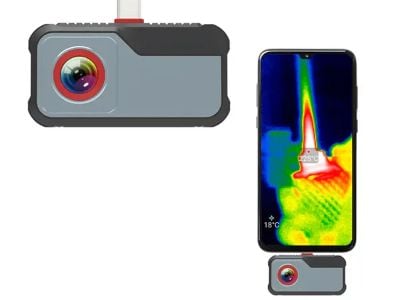
Integration with Other Systems: In many cases, radar systems will need to work in conjunction with other rescue technologies, such as thermal imaging cameras. Ensure that systems are compatible and can share data seamlessly for enhanced situational awareness.
Training: Providing adequate training for personnel on how to operate and interpret data from radar systems is crucial. This ensures that teams can effectively respond in time-sensitive situations.
By following these guidelines, buyers can ensure that their radar heartbeat detection systems are installed correctly and function effectively in real-world scenarios.
Common Problems with Heartbeat Detection and Effective Solutions
While radar heartbeat detection systems are robust, they can encounter several common issues. Here are some challenges and practical solutions:
Interference from Environmental Factors: External factors such as electromagnetic interference from nearby equipment can disrupt radar signals. Solutions include shielding radar units and selecting equipment with built-in interference mitigation technologies.
False Positives: Radar systems may sometimes detect signals that are not related to human movement, leading to false positives. To minimize this risk, users should calibrate systems for the specific environment and regularly update software to enhance detection algorithms.
Limitations in Signal Penetration: Thick walls or certain materials may hinder signal penetration. Buyers should evaluate the material composition of structures where the system will be deployed and select through wall radar systems technologies designed for enhanced penetration capabilities.
Data Interpretation Challenges: The data generated by radar systems can be complex. Training personnel in data analysis and interpretation can greatly improve response times and decision-making during rescue operations.
By addressing these common issues proactively, buyers can enhance the reliability and effectiveness of their radar heartbeat detection systems.
Cost Factors to Consider When Sourcing Radar Detection Equipment
When sourcing radar heartbeat detection equipment, several cost factors come into play:
Initial Purchase Price: The upfront cost of radar equipment can vary significantly based on technology, features, and manufacturer. Buyers should compare models and specifications while considering the long-term value of the investment.
Maintenance and Support Costs: Regular maintenance is essential for the optimal performance of radar systems. Evaluate the manufacturer's warranty and support options, as well as the cost of potential repairs or software upgrades.
Training Expenses: Investing in training for personnel on how to effectively use radar systems is crucial. Factor in the costs associated with training sessions or materials when budgeting for a new system.
Installation Costs: Proper installation may require professional services, especially for complex systems. Consider these costs in the overall budget to ensure the system functions as intended from the outset.
Operational Costs: Consider the costs associated with the operational use of the radar systems, including power consumption and additional equipment needed for optimal performance.
By carefully evaluating these cost factors, B2B buyers can make informed decisions that align with their budgetary constraints and operational needs.
Applications of Radar Technology in Urban Search and Rescue Situations
Radar technology has a wide array of applications in urban search and rescue operations:
Building Collapses: In the aftermath of structural failures, radar systems can locate trapped individuals without the need for invasive techniques. This not only saves time but also reduces the risk of further harm to victims.
Disaster Response: In natural disasters such as earthquakes or hurricanes, radar technology provides rapid assessments of structural integrity and potential survival pockets within debris.
Search and Recovery: Beyond urban environments, radar systems can assist in locating individuals lost in remote areas or challenging terrains, enhancing the efficiency of search operations.
Law Enforcement and Security: Radar heartbeat detection is also applicable in law enforcement scenarios, such as hostage situations, where locating individuals behind barriers is critical.
Training and Simulation: Radar technology can be used in training scenarios for rescue teams, enabling realistic simulations of rescue operations in controlled environments.
By integrating radar technology into their operations, urban search and rescue teams can improve their response capabilities, ultimately saving lives and optimizing resource use.
Understanding how radar technology detects heartbeats and breathing through solid walls is essential for professionals involved in urban search and rescue operations. By focusing on installation, common issues, cost factors, and applications, buyers can make informed decisions that enhance their operational effectiveness.
Table of Contents
- How Radar Technology Detects Heartbeats Through Solid Walls?
- Installation Guidance for Radar Heartbeat Detection Systems
- Common Problems with Heartbeat Detection and Effective Solutions
- Cost Factors to Consider When Sourcing Radar Detection Equipment
- Applications of Radar Technology in Urban Search and Rescue Situations