
 EN
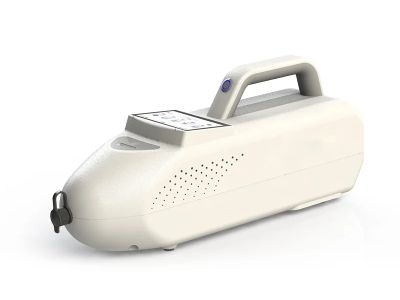
Chemical agent detectors are crucial tools in responding to Chemical, Biological, Radiological, Nuclear, and Explosive (CBRNE) incidents. They help first responders identify hazardous substances quickly and accurately, ensuring the safety of personnel and the public. When evaluating potential detectors, buyers often focus on key features, reliability, and ease of use. This article will guide you through the essential features of high-quality chemical agent detectors, helping you make informed purchasing decisions.
What Key Features to Evaluate in Chemical Agent Detectors?
When assessing chemical agent detectors, several key features should be prioritized to ensure optimal performance in CBRNE response scenarios:
Sensitivity and Selectivity: The detector's ability to identify specific chemical agents with high sensitivity while minimizing false positives is crucial. This is often determined by the sensor technology employed, such as electrochemical, photoionization, or infrared sensors. Understanding the range of chemicals the detector can accurately identify is essential for effective operation.
Response Time: Quick detection is vital in emergency situations. High-quality chemical detector typically provide response times in seconds. Buyers should inquire about the manufacturer's testing methods to verify response time claims under various conditions.
Durability and Environmental Resistance: Given the harsh conditions often encountered during CBRNE incidents, detectors should be rugged and resistant to environmental factors like moisture, dust, and temperature extremes. Look for models with an IP (Ingress Protection) rating indicating their suitability for outdoor use.
User Interface and Data Display: A straightforward, intuitive user interface is essential for rapid operation, especially under stress. Look for detectors that feature clear digital displays, audible alarms, and visual indicators to convey critical information swiftly.
Battery Life and Power Sources: Extended battery life is necessary for prolonged missions. Some detectors may offer rechargeable options or dual power sources (battery and AC), which can enhance reliability during extended operations.
How to Choose the Right Chemical Agent Detector for CBRNE Response?
Selecting the right chemical agent detector requires an understanding of both the operational needs and the specific environments in which the detector will be used. Here are some factors to consider:
Application Requirements: Identify the specific types of incidents likely to be encountered. For instance, if operations are primarily in urban settings, detectors that can differentiate between a wide range of urban chemicals will be essential. Conversely, rural settings may require different capabilities.
Comprehensive Testing and Certification: Ensure that the detector has undergone rigorous testing and is certified by relevant authorities. This guarantees reliability and compliance with industry standards. Request documentation that outlines the testing processes and certifications relevant to your region.
Customization Options: Some manufacturers offer customizable features or configurations tailored to specific operational needs. Engaging with suppliers like Beijing LSJ Technology can provide insight into available options that fit unique requirements.
Training and Support: A good explosive trace detector is only as effective as the personnel operating it. Choose a supplier that offers comprehensive training programs and ongoing support to ensure your team is well-prepared to use the equipment effectively.
Assessing Quality Control in Chemical Agent Detectors for Safety
Quality control in the manufacturing process is essential for ensuring the performance and reliability of chemical agent detectors. Here are a few aspects to consider:
Manufacturing Processes: Inquire about the production methods used by the manufacturer. Advanced manufacturing techniques, such as automated assembly and rigorous testing procedures, can greatly enhance product quality.
Quality Assurance Protocols: A robust quality assurance program should include systematic testing at multiple stages of production. This may involve functionality testing, environmental testing, and calibration checks to ensure detectors meet performance standards.
Post-Production Testing: Before shipping, explosive trace detector manufacturers should undergo final testing to confirm they meet all specifications. Buyers should ask manufacturers about their post-production testing methods and any guarantees offered regarding product performance.
Common Installation Challenges for Chemical Agent Detectors and Solutions
Proper installation of chemical agent detectors is critical for ensuring their effectiveness. Here are some common challenges and recommended solutions:
Environmental Factors: Installation locations may expose detectors to environmental conditions that could affect their performance. For example, placing detectors in areas with high humidity or extreme temperatures could lead to inaccurate readings. Choose locations that minimize exposure to such conditions, and consider detectors with appropriate environmental ratings.
Calibration Issues: If detectors are not correctly calibrated during installation, they may not function accurately. Ensure that the installation team is trained in proper calibration techniques and that calibration procedures are documented and followed.
Integration with Other Systems: Detectors often need to integrate with broader safety and emergency response systems. Ensure compatibility with existing equipment and software. Engage with suppliers who can assist with the integration process and provide technical support.
Features and Benefits Overview
High-quality chemical agent detectors come equipped with various features that enhance their effectiveness and usability:
Real-time Monitoring: Many detectors offer continuous monitoring capabilities, allowing for immediate detection of hazardous substances and rapid response.
Data Logging and Reporting: Advanced models include data logging features that record detection events. This information can be invaluable for post-incident analysis and improving future safety measures.
Portability: Lightweight and compact designs make it easier for responders to carry detectors into various environments, enhancing mobility during critical operations.
Cost-Effectiveness: While initial costs may vary, investing in a high-quality detector can lead to lower long-term costs through reduced false alarms, improved reliability, and enhanced safety measures.
When selecting a chemical agent detector, keep in mind these features and benefits to enhance operational efficiency and safety. Engaging with experienced manufacturers like Beijing LSJ Technology ensures access to reliable, high-performance equipment tailored to your specific needs.