 EN
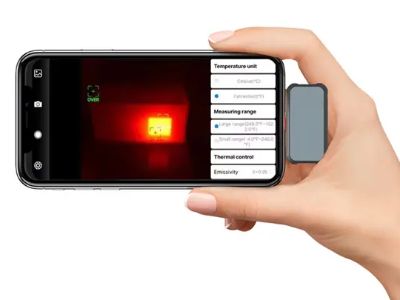
Thermal imaging cameras have become essential tools for fire departments, providing critical information in emergency situations. The use of thermal imaging cameras can significantly enhance a fire department's operational efficiency, safety, and effectiveness during rescue missions. This article outlines 10 reasons why every fire department should invest in thermal imaging cameras, addressing key concerns that purchasing managers and decision-makers may have, including product specifications, application suitability, and installation guidance
What to Look for When Choosing Thermal Imaging Cameras for Fire Departments
When selecting firefighting thermal imaging cameras for fire departments, there are several critical factors to consider. First, assess the camera’s thermal sensitivity, often measured in milliKelvins (mK). A lower mK rating indicates better sensitivity, allowing firefighters to detect temperature differences more accurately, which is crucial in identifying hotspots and victims in low-visibility conditions
Another important specification is the resolution of the camera. Higher resolution provides clearer images, which can make a significant difference during rescue operations. Look for cameras with at least 320x240 pixels, as this resolution offers a good balance between image clarity and cost
Durability is also key; thermal imaging cameras should be built to withstand harsh environments typical of firefighting operations. Check for IP ratings that indicate water and dust resistance, as well as thermal shock ratings. Thermal imaging cameras that can withstand extreme temperatures and physical impacts are essential for reliable performance in emergency situations
Lastly, consider the camera’s battery life and charging options. Long battery life ensures that the camera can be used throughout extended operations without the need for frequent recharging, which can be a critical factor during emergencies
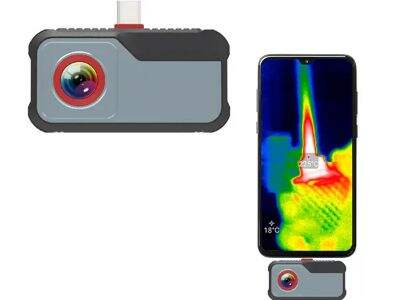
Key Specifications of Thermal Imaging Cameras for Effective Fire Response
Understanding the key specifications of thermal imaging cameras helps fire departments make informed purchasing decisions. The field of view (FOV) is a crucial specification; a wider FOV allows firefighters to survey larger areas quickly, which is particularly important in search and rescue operations. Aim for a FOV of at least 45 degrees to optimize situational awareness
Battery life is another critical specification. Fire departments should opt for cameras that provide a minimum of 4-6 hours of continuous use, as this ensures uninterrupted operation during emergencies. Additionally, the type of battery (replaceable versus rechargeable) can affect usability; replaceable batteries may offer greater flexibility in prolonged operations
Resolution, as previously mentioned, directly impacts image quality. Higher resolutions not only provide clearer images but also allow for better identification of objects and individuals in the scene, enhancing operational effectiveness
Lastly, connectivity options such as Wi-Fi and Bluetooth can be beneficial for data sharing among team members, allowing for real-time collaboration during operations. Investigate models that feature these capabilities, as they can lead to improved decision-making and coordination on the ground
How Thermal Imaging Cameras Enhance Fire Safety and Rescue Operations
Thermal imaging cameras significantly enhance fire safety and rescue operations by providing real-time data and imagery that can save lives. These cameras allow firefighters to see through smoke, darkness, and other Obscurants, enabling them to locate victims trapped in hazardous environments more effectively. This capability can drastically reduce response times and improve outcomes in life-or-death situations
The ability to identify hotspots and assess the extent of a fire is another critical benefit. Thermal imaging cameras for sale can detect heat sources that are invisible to the naked eye, allowing firefighters to effectively plan their approach to extinguishing the fire while minimizing risk to their team. This technology can also help in preventing rekindling by ensuring that all hotspots are identified and addressed
Additionally, these cameras can be used for post-incident analysis, helping fire departments evaluate their response and improve future operations. By reviewing thermal images captured during an incident, departments can identify strengths and weaknesses, thereby refining their strategies and training programs
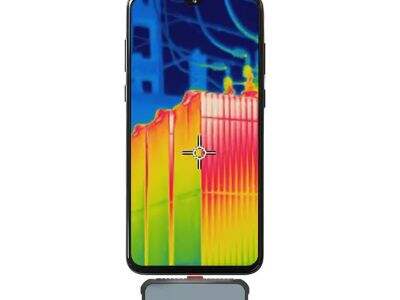
Installation Guidance for Optimal Use of Thermal Imaging Cameras in Emergencies
Proper installation and use of thermal imaging cameras are essential for maximizing their effectiveness during emergencies. Fire departments should ensure that personnel are adequately trained in operating the cameras, including understanding how to interpret thermal images. This can involve hands-on training sessions, simulations, and ongoing education to keep skills sharp
When integrating thermal imaging cameras into firefighting equipment, consider mounting options. Some cameras can be attached to helmets or other gear for hands-free operation, while others may be handheld. Choose a setup that best suits the department's operational style and frequently encountered scenarios
Regular maintenance and calibration of thermal imaging cameras are also crucial. Fire departments should develop a routine inspection schedule to ensure that cameras are functioning correctly and that lenses are clean and unobstructed. This practice minimizes the risk of equipment failure during critical operations
What Fire Departments Should Know
For fire departments considering the acquisition of hand held thermal imaging cameras, there are several key takeaways to keep in mind. First, establish a clear understanding of the department's specific needs and operational challenges. This can guide the selection process and help ensure that the chosen cameras align with actual use cases
Budget considerations are also essential. While high-quality thermal imaging cameras can be a significant investment, the safety benefits and potential life-saving capabilities often outweigh the costs. Departments should also explore potential grants or funding opportunities available for purchasing safety equipment
Finally, collaboration with manufacturers like Beijing LSJ Technology, known for its expertise in urban search and rescue equipment, can provide valuable insights. Engaging with experienced suppliers can help fire departments identify the best solutions tailored to their unique needs and operational environments
Investing in thermal imaging cameras represents a critical step for fire departments aiming to enhance safety and efficiency in rescue operations. By understanding key specifications, installation best practices, and the benefits of this technology, departments can make informed decisions that ultimately save lives and improve operational effectiveness
Table of Contents
- What to Look for When Choosing Thermal Imaging Cameras for Fire Departments
- Key Specifications of Thermal Imaging Cameras for Effective Fire Response
- How Thermal Imaging Cameras Enhance Fire Safety and Rescue Operations
- Installation Guidance for Optimal Use of Thermal Imaging Cameras in Emergencies
- What Fire Departments Should Know