 EN
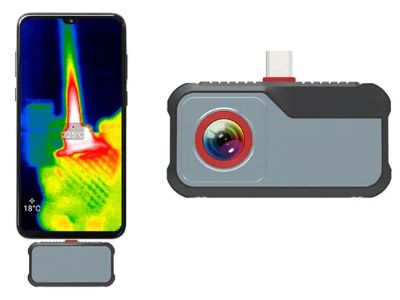
Choosing the right thermal imaging resolution is crucial for maximizing the effectiveness of your equipment. We will explore the differences between three common thermal imaging resolutions: 160×120, 256×192, and 384×288. Understanding these differences is vital for B2B buyers, especially those in critical sectors such as urban search and rescue (USAR), where equipment performance can significantly impact outcomes. We will provide insights into the specifications, performance evaluation, and practical considerations that will help you make an informed decision based on your specific operational needs
Understanding the Quality Differences in Thermal Imaging Cameras
When assessing thermal imaging camera android cameras, resolution is one of the key factors that influences image quality and detection capabilities. The resolution, typically expressed in pixels, determines the level of detail a camera can capture
160×120 Resolution: This entry-level resolution provides basic thermal images suitable for general inspections or surveillance tasks. However, the low pixel count may limit a user’s ability to identify smaller heat sources or subtle temperature variations, which can be critical in emergency situations
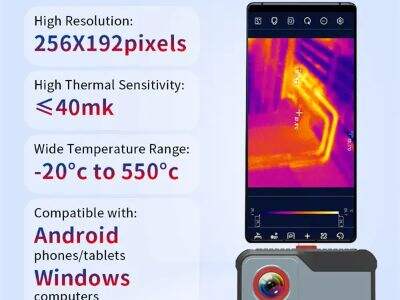
256×192 Resolution: This mid-range option offers a significant improvement in detail. The increased pixel count allows for better identification of objects and enhanced clarity in thermal images, making it suitable for more demanding applications, such as building inspections or preliminary assessments during rescue operations
384×288 Resolution: Representing a high-resolution option, this camera provides exceptional clarity and detail in thermal imaging. It allows users to detect minute temperature differences and see finer details, which is invaluable in accurately assessing situations during high-stakes operations. Higher resolutions are especially beneficial in urban search and rescue scenarios where distinguishing between closely located heat sources is critical
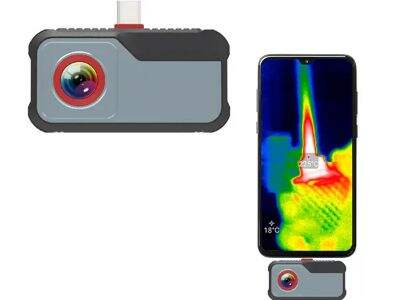
Key Specifications to Consider When Choosing Thermal Imaging Resolutions
When selecting the right thermal imaging resolution, several specifications beyond pixel count must be considered to ensure the camera meets your needs
Field of View (FOV): A wider FOV allows for capturing more area in a single image, which can be beneficial in monitoring larger scenes or environments. However, this may come at the cost of detail, as the thermal image may appear less defined
Frame Rate: The frame rate, measured in frames per second (FPS), affects how smoothly the video appears. A higher frame rate (such as, 30 FPS) is crucial for dynamic situations where movement is involved, as it prevents motion blur and provides clearer visuals
Thermal Sensitivity: This specification indicates the camera’s ability to detect small temperature differences. A lower thermal sensitivity value (measured in milliKelvins) means the camera can detect smaller temperature variations, which is essential for critical applications like detecting people trapped under debris
Durability and Environmental Rating: Given the demanding environments in which USAR teams operate, the camera's durability and resistance to elements (like water, dust, and impact) are paramount. Look for cameras with high IP ratings and rugged designs
Selecting Thermal Imaging Cameras
When selecting a thermal imaging camera, consider the application context and operational requirements. Here are some practical steps to guide your decision
Assess Your Needs: Start by evaluating the specific applications where the camera will be used. Will it be primarily for rescue operations, building inspections, or security monitoring? Each application may warrant different resolution and specification requirements
Request Demonstrations: Before making a purchase, request demonstrations or trial periods. This allows you to evaluate how effectively the camera performs in real-world scenarios similar to your operational environment
Evaluate Manufacturer Support: Choose manufacturers that provide excellent after-sales support, including training, maintenance, and warranty services. For instance, Beijing LSJ Technology is known for its robust support system, which is crucial for ensuring long-term reliability in critical situations
Review Customization Options: Depending on your specific needs, you may require custom features or configurations. Work with manufacturers that offer flexible solutions tailored to your operational requirements
Evaluating Cost vs. Performance in Thermal Imaging Resolutions
The relationship between cost and performance is a vital consideration when selecting thermal imaging cameras. While higher resolution cameras often come with increased costs, the performance benefits can justify the investment, especially in high-risk applications like USAR operations where precise thermal imaging can save lives
Cost Considerations: Evaluate not just the initial purchase price but also the long-term costs, including maintenance, calibration, and potential upgrades. A lower-cost camera may seem attractive, but if it doesn’t meet your operational needs, the overall costs can increase significantly due to inefficiencies
Performance Justification: Higher resolution cameras (like 384×288) may have a higher upfront cost, but their ability to deliver clearer images and detect smaller temperature differences can enhance operational efficiency and safety. For instance, in a rescue operation, being able to identify a heat signature through debris can mean the difference between life and death
Budgeting for Quality: Ensure your budget aligns with the performance specifications required for your applications. Investing in quality thermal imaging equipment can lead to better outcomes and reduce the need for frequent replacements or updates
Common Problems and Solutions with Thermal Imaging Resolutions
As with any technology, thermal imaging camera for android cameras can present challenges that need to be addressed effectively. Here are common problems and solutions related to thermal imaging resolutions
Low Image Quality: If the thermal images appear blurry or lack detail, it may indicate that the resolution is too low for your application. In such cases, consider upgrading to a higher resolution camera to enhance image clarity
Temperature Calibration Issues: Thermal cameras may drift over time and require calibration to maintain accuracy. Regular calibration checks and maintenance can mitigate this problem, ensuring the camera delivers precise thermal readings
Limited Battery Life: High-resolution cameras can consume more power. Look for models that offer extended battery life or consider investing in additional battery packs to ensure your operations are not hindered during critical missions
Environmental Challenges: Cameras may struggle in extreme weather conditions or environments with high humidity. Ensure the selected model is rated for the environmental conditions typical in your operation. Additionally, protective housing can be utilized to shield the camera from adverse conditions
By carefully considering these factors and potential challenges, you can select a thermal imaging camera that meets your needs, ensuring reliable performance during vital operations. As you navigate the selection process, leveraging insights from experienced manufacturers like Beijing LSJ Technology can provide additional confidence in your purchasing decisions