
Home /
Today we will take a look at a unique device -- a LSJ Technology IR thermal imaging camera. They matter because they can let us look at things that are hotter or colder than our eyes can see. Here’s a closer look at what they do and what they can see.
IR thermal imaging cameras operate on the principle of detecting infrared radiation, which is emitted by objects. All objects emit heat, even if we can’t see it. The camera absorbs that heat and turns it into an image on a screen. This lets us view, say, warm air escaping a house or a hot wire that may be a hazard.
These cameras can see many things our eyes can’t. They can reveal heat leaks in buildings, which makes it easier for us to save energy and stay warm indoors. They can also detect electrical issues by indicating when wires are overheated. And hot wires can cause fires if not repaired.
A popular application for IR thermal imaging cameras is to detect heat losses in homes. When heat leaks out of a house, it’s likely to make us feel cold and waste energy. These cameras can reveal where the heat is getting away so we know where to patch it up. They also can help us find electrical problems before they get worse. By monitoring whether the wires are running too hot, we can prevent fires and keep our homes safe.

There are principally two types of IR thermal imaging cameras - handheld and fixed-mount. Handheld cameras are convenient to transport and ideal for cursory checks. They do a great job on small-mess and nooks and crannies. Fixed-mount cameras are more stationary and can be placed in one spot. They are best for watching large areas, such as factories or buildings, over time.
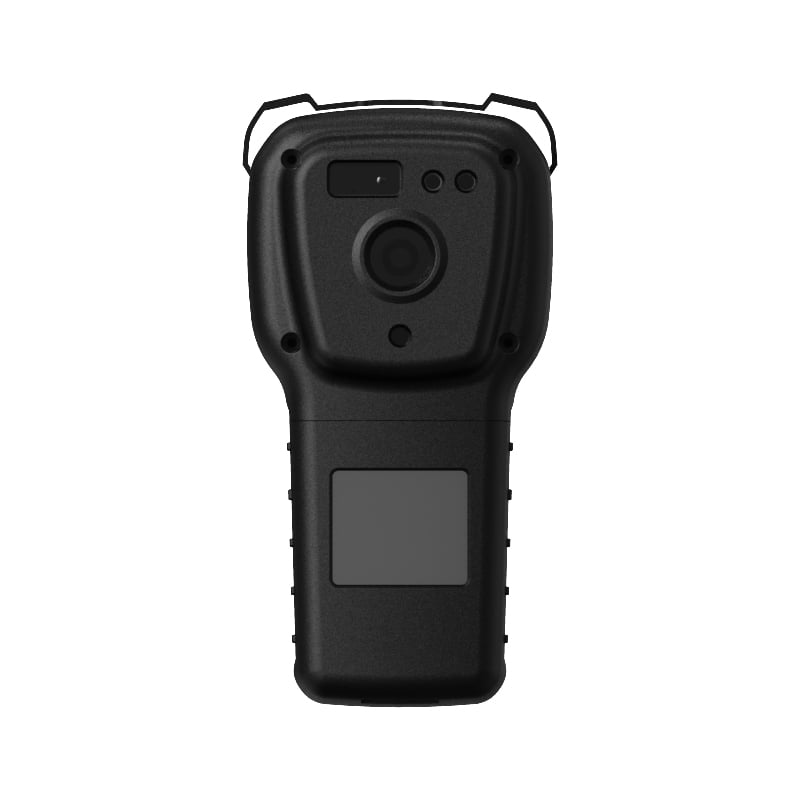
From firefighting to building inspection, IR thermal imaging cameras have been applied in various fields. Firefighters have relied on them to see through smoke and locate people who have become trapped in a fire. Technicians use them to inspect buildings for things like moisture or mold that we can’t see with our eyes. These cameras are useful tools that protect us in various ways.
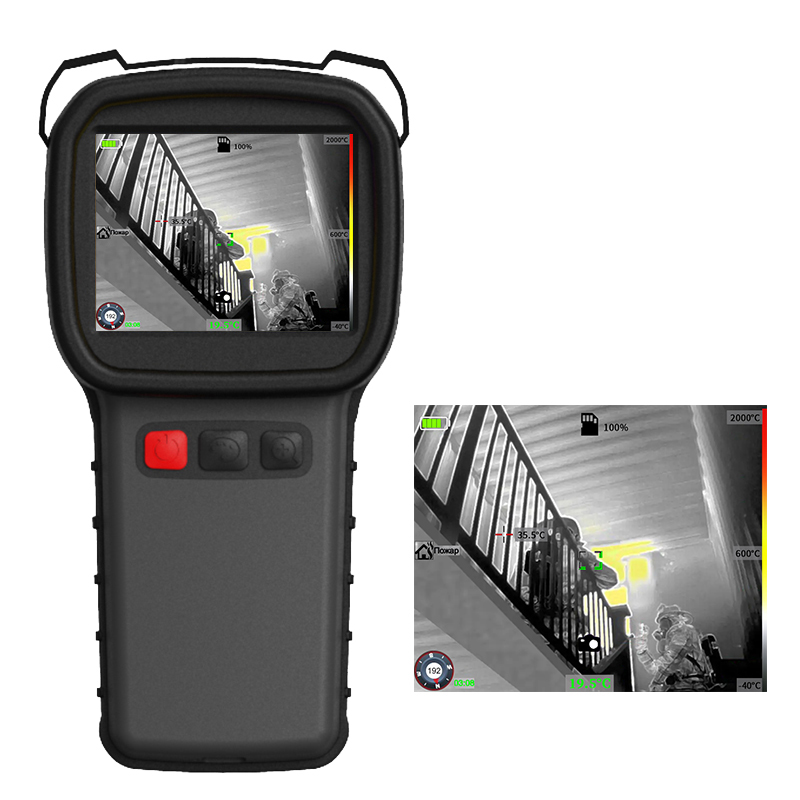
There are a few things to consider when purchasing an IR thermal imaging camera. Use the resolution of the camera to see how clear the pictures will be. Take the temperature range the camera can see, because that is what it can see. Also consider the battery life and how long you can expect it to last while you use it. Last but not least, the size and weight of the camera should come into play, especially if you will be transporting the camera for an extended period.
We provide services for ir thermal imaging camera departments as along with Public Safety services and urban search and Rescue teams. LSJ offers cutting-edge equipment for search and rescue, firefighting, and working in explosive atmospheres across different sectors.Firefighting Thermal Cameras Our team has developed and tested two kinds of thermal cameras with three resolution options: 256x192, 384x288, and 640x512. These cameras can measure temperatures up to 2000.Search and Rescue Equipment: We offer several products such as gas detectors, stability monitors and movement monitoring systems.Industrial Thermal Cameras LSJ offers thermal cameras that aren't solely used for firefighting, but also for building inspections, electronic repairs, water leak detection and HVAC system inspection.Thermal Scopes - Our night vision optics are ideal for visibility at night. They are also popular with hunters. They are easily mounted on rifles.LSJ is dedicated to providing high-quality thermal imaging and rescue equipment to meet the requirements of different industries, improving the safety and efficiency of all industries. LSJ provides the most secure and modern solutions.You can trust LSJ to be your primary partner in urban search and Rescue.
We at LSJ are aware of how important it is to offer our customers top-quality products and ir thermal imaging camera. We offer warranties of one or five years, which reflects our conviction of our products' long-lasting durability and performance. Our substantial investment in research and development guarantees that your products conform to the highest standards.As manufacturing company, we adhere to rigorous quality control starting with raw materials and ending in production. No matter if you're a personal customer, distributor, tender participant, or government agency, we offer a wide range of products that meet your requirements. Our inventory of raw materials, components, and other items is large enough to ensure timely delivery. If we don't deliver on time, we commit to refunding up to 2%-50% of the total order value to our customers.We offer you detailed instructions and videos that will help you use our products efficiently. We can also organize in-person technical training on site, adapted to your requirements, to ensure that you're able to use our products confidently and easily.Choose LSJ for high-quality, reliable products and exceptional customer service.
Since 2013, ir thermal imaging camera is developing, manufacturing and supplying high performance equipment for search and rescue and firefighter gear. LSJ has been awarded certifications for ISO9001, CE and ROHS. The company also has more than 30 patents. We are investing heavily in our research and design department, as we are a leading business.In 2024, LSJ participated in four major exhibitions: INTERSEC in Dubai, Securika 2024 Securika 2024, the 18th Defence Services Asia (DSA) and the 3rd National Security Asia (NATSEC) in Malaysia and NFPA in the USA. We are also registered for INTERSEC in Dubai on January 14-16 2025. There, we will show our radar live detector, a 3D radar that can detect walls, gas detector, audio and video listening equipment as well as stability monitoring equipment and thermal cameras that fight fires. We would like to invite you come to our booth.LSJ has 11 years of manufacturing experience. They are experts in developing and constructing new products that are based on the customer's usage scenarios. They also continue to improve capabilities and cut costs on products. LSJ also has vast experience in urban search and rescue. For instance, in the 2023 Turkey earthquake, the LSJ's life detector radar played a crucial role in the rescue efforts by the Chinese Blue Sky Rescue Team.Select LSJ for advanced, reliable solutions that are tailored to meet your requirements.
At LSJ we are a leader in creating top-quality urban search and rescue equipment that is designed to meet the most stringent international standards.Pre-Sales Service:We are here to help you right from the beginning. We offer comprehensive consultations to help you understand your particular needs and provide tailored solutions. We also offer product demonstrations and detailed technical specifications to ensure that you are equipped with all the data you need to make a well-informed decision.Sales Service:In the process of selling we will ensure that you have a smooth and efficient experience. We ensure that your items will arrive on time, in perfect condition due to our efficient order system and a strict quality control. We support door-to-door delivery too.After-Sales Service:Our relationship with you will not end when you receive our products. Our comprehensive after-sales support includes the assistance of installation, ir thermal imaging camera. We have a dedicated customer service staff that is readily available 24 hours a day. They will help you with any concerns or issues, and will ensure that you are satisfied. We offer a three-year guarantee on all equipment purchased from LSJ. You can also avail after-sales services from us.Picking LSJ is choosing trust with quality, excellence, and unbeatable support. We look forward to becoming your partner for urban search and recovery as well as firefighting.

Copyright © Beijing LSJ Technology Development Co., Ltd. All Rights Reserved - Privacy Policy
 EN
EN


