 EN
EN
What Firefighting Equipment Is Used When Wildfires Break Out in Southern California?
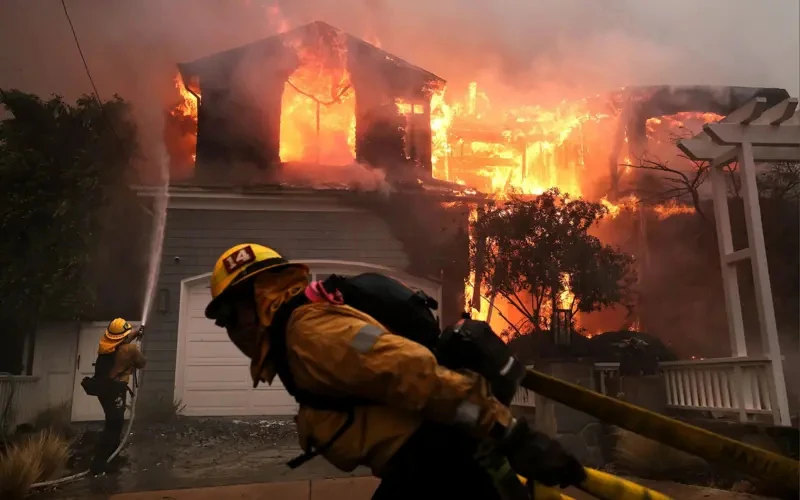
On January 7, 2025, a fast-moving wildfire erupted in Southern California. By the afternoon of January 8, fires across the Los Angeles area had killed at least five people, burned more than 152,000 acres, and reduced at least 1,100 buildings to ash, turning daylight into darkness under thick smoke.
In those conditions, three categories of equipment proved indispensable: handheld thermal imaging cameras, voltage leakage detectors, and weather meters. Each addresses a specific failure point that smoke, fire and wind create for ground crews.
Thermal Imaging Cameras — Eyes Through Smoke and Darkness
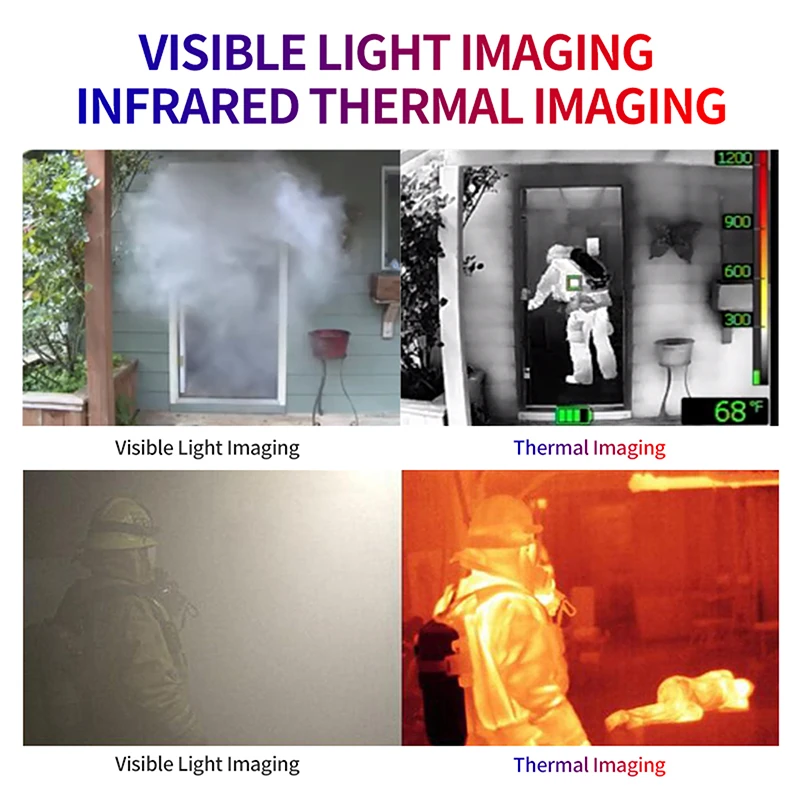
Thermal imaging cameras give crews sight in zero-visibility smoke, detecting surface heat signatures on devices rated to withstand 1200°C with an IP68 protection level.
Every object above −273°C emits infrared radiation. A thermal camera converts that radiation into a visible temperature map on its screen. For firefighters, the rated model withstands up to 1200°C, carries an IP68 waterproof and impact-resistant rating, and uses oversized buttons that remain operable through heavy gloves.
Crews rely on them for three reasons:
- Penetrate smoke — see through particulates that blind the naked eye.
- Detect heat sources — spot smoldering hotspots before they reignite.
- Operate day or night — no external light source required.
What Thermal Cameras Do on the Fireground
On the fireground, thermal cameras split into two jobs: fire reconnaissance and search-and-rescue.
Fire reconnaissance — pinpoint the ignition point, track the direction of fire spread, and confirm containment lines. From an elevated position, thermal imaging cuts through smoke to reveal the exact hotspot that optical cameras cannot see.
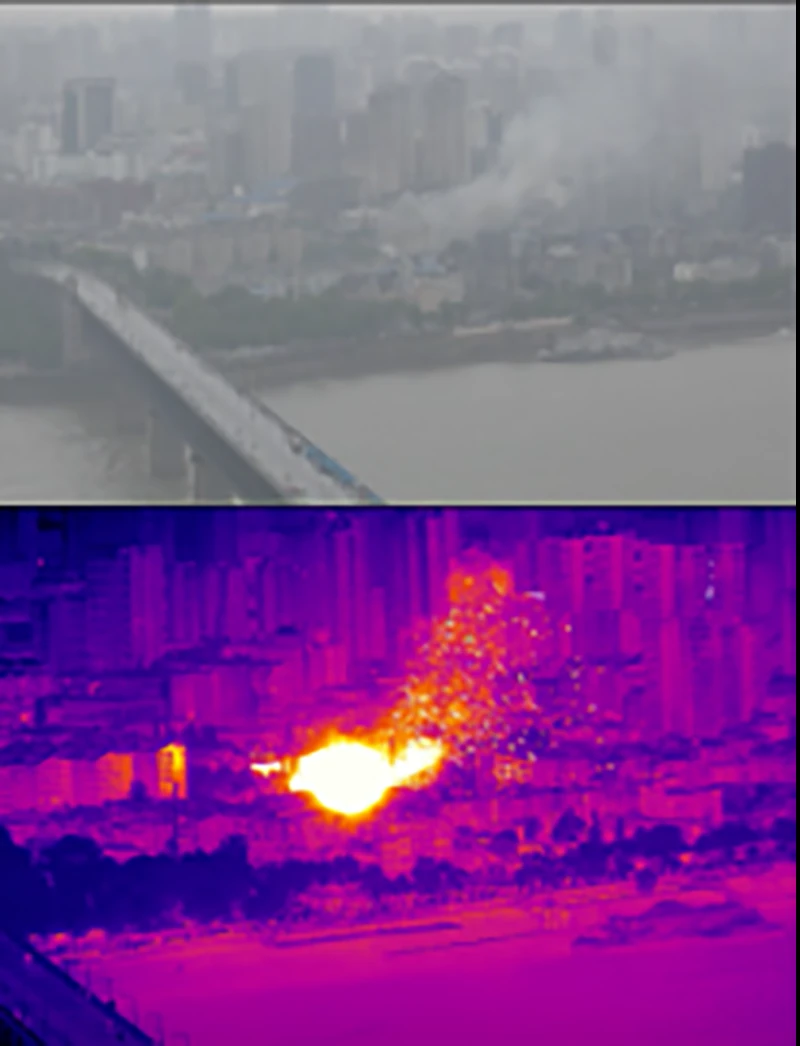
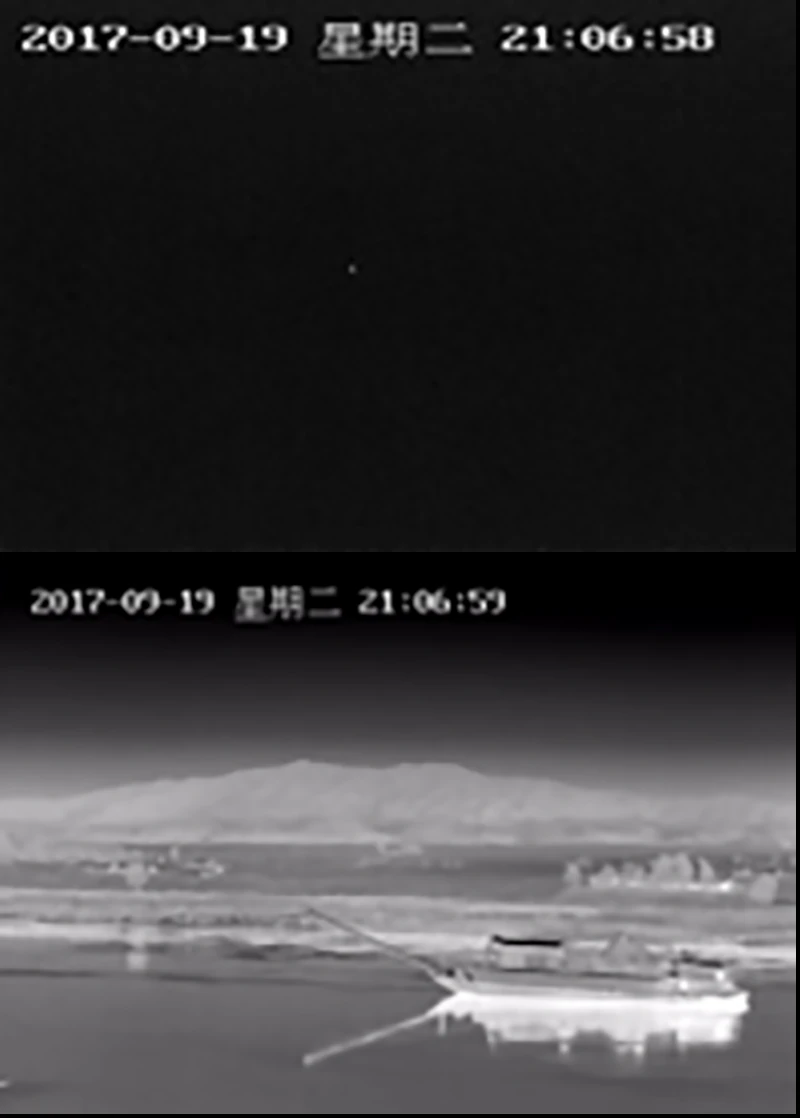
Search and rescue — locate trapped occupants, find hidden fire points, and direct hose streams to the hottest areas. Because the cameras detect emitted heat rather than reflected light, they perform the same in total darkness as in daylight — a capability that matters on overnight firegrounds.
Voltage Leakage Detectors — Confirming It Is Safe to Enter
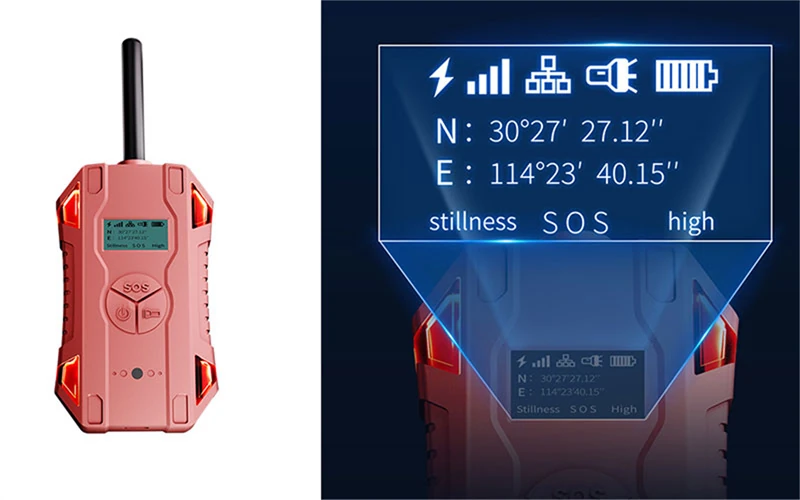
After utilities cut power across Los Angeles to prevent arcing and re-ignition, voltage leakage detectors are the tool that confirms a structure is electrically safe before crews step inside.
When a hidden leak is detected, the device sounds an immediate alarm — and the alarm rate rises with the strength of the surrounding electrical field. On hearing it, crews hold position, report the location to command, and warn following teams and utility departments before proceeding.
Weather Meters — Reading the Wind Before Every Entry
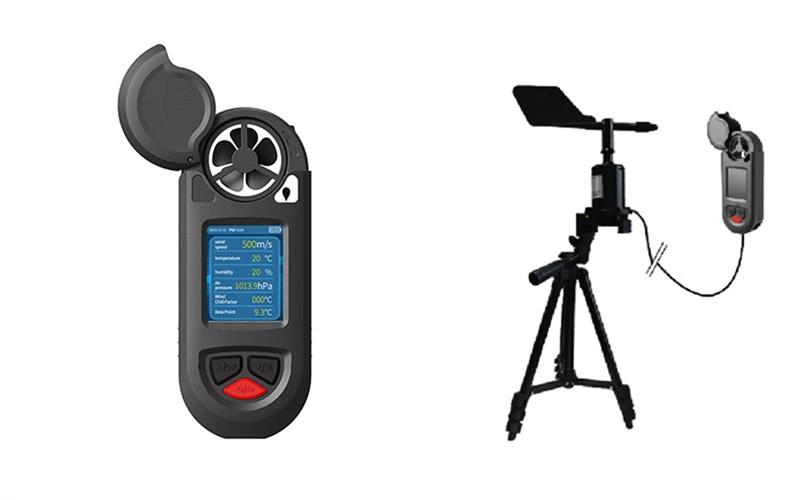
Before a crew commits to a rescue route, a weather meter measures wind direction, wind speed, temperature, humidity and barometric pressure to judge whether the operation is survivable.
Incident commanders use those readings to assess rescue-plan feasibility and protect crews from sudden wind shifts that can turn a controlled fire into a blowup. Handheld units give the on-scene team an immediate readout; tripod-mounted stations feed continuous data into command.
Wildfire seasons are longer and more intense each year. The crews on the line do not get a second chance when visibility fails — thermal imaging cameras, leakage detectors and weather meters are the baseline kit that turns a blind operation into a controlled one.
Specify the Right Gear Before the Next Fire
If you are equipping a wildland or structural firefighting team, prioritize three specifications: heat resistance to 1200°C, an IP68 rating, and glove-operable controls. A camera that fails in smoke or a meter that reads false can cost more than the equipment itself.
Contact our team to match a handheld thermal imaging camera to your operational requirements — from fire reconnaissance and search-and-rescue to electrical and HVAC inspections.
