 EN
What is a Thermal Imaging Camera and What is it Used For?
A thermal imaging camera is a device that detects the infrared radiation (heat) emitted by objects and converts it into a visible image. Unlike an ordinary camera, it captures temperature differences rather than visible light — which is why it can reveal problems the human eye cannot see. This guide explains how thermal cameras work, what they can detect, how leading manufacturers compare on price, how to choose the right model, and how to use and maintain one.
What Is a Thermal Imaging Camera?
Thermal imaging is the process of capturing infrared radiation emitted by objects and converting it into a thermal image. The image renders temperature differences as colors: hotter areas appear in red, yellow or orange, while cooler areas show up in blue or purple.
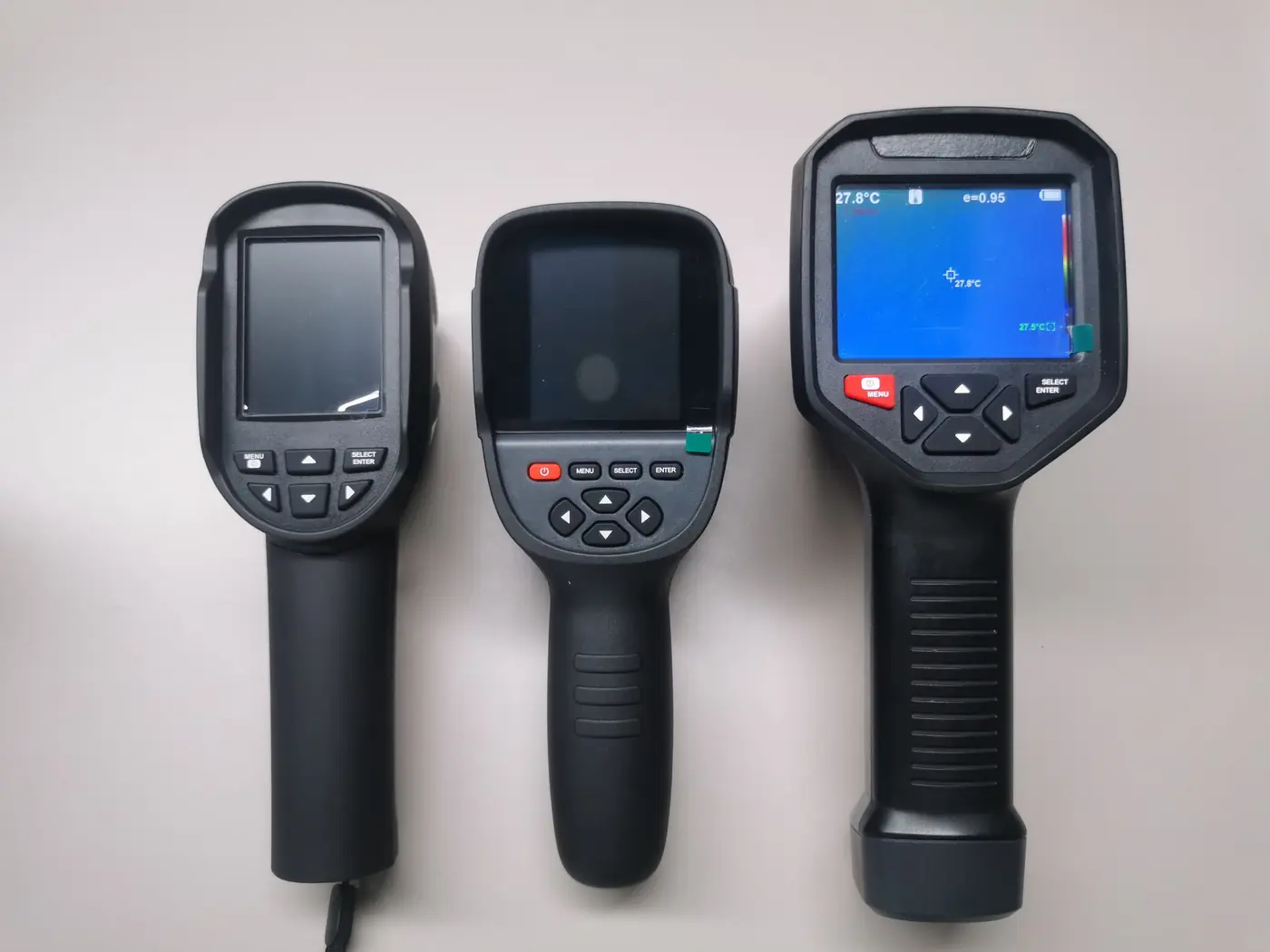
Figure 01 — Handheld thermal cameras convert infrared radiation into color-coded temperature images.
What Is Thermal Imaging Used For?
Thermal imaging detects heat patterns invisible to the naked eye, and its applications fall into several distinct fields:
- Building inspections: detects heat loss and poor insulation so property owners can address energy inefficiency.
- Firefighting: thermal cameras let firefighters see through smoke, identify hotspots and locate victims in low-visibility environments.
- Electrical inspections: spots overheating components and potential electrical failures before they become hazardous.
- Plumbing: finds hidden leaks inside walls or floors by tracking temperature changes caused by water flow.
- Medical: non-invasive detection of inflammation or abnormal blood circulation.
- Search and rescue, automotive diagnostics and military applications: surveillance and target acquisition in low-visibility conditions.
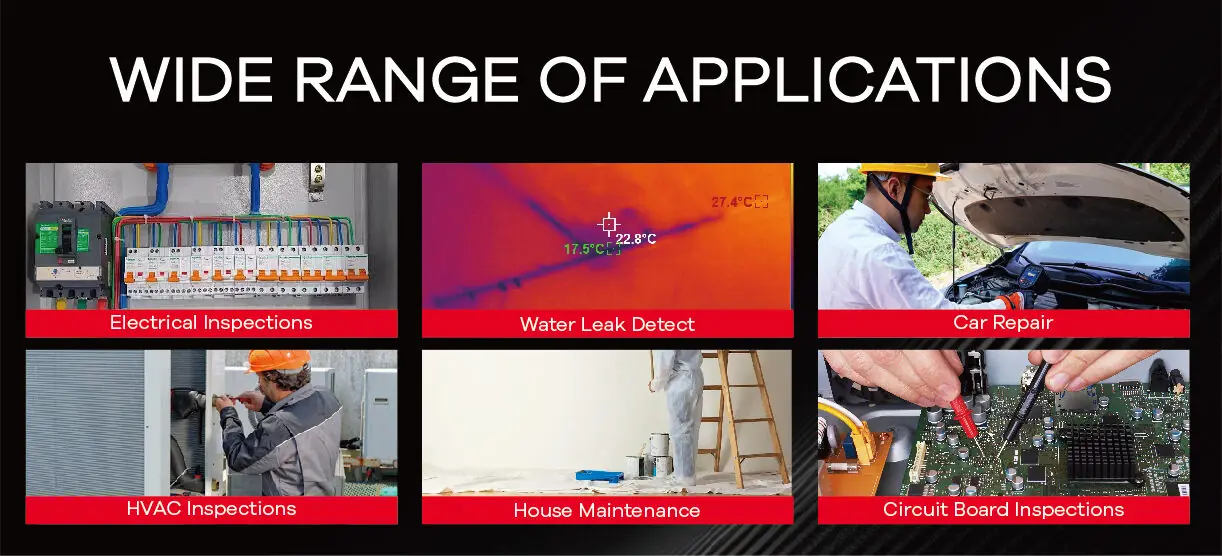
Figure 02 — Thermal imaging serves building inspection, leak detection, automotive maintenance and electrical checks.
What Can Thermal Imaging Detect?
Across industries, thermal cameras routinely detect the following:
- Firefighting: fire sources, trapped people and hidden hotspots in smoky environments.
- Water leaks: temperature changes in walls, floors and ceilings caused by water infiltration.
- Electrical issues: overheating wires or devices before they fail.
- Building inspections: energy loss, insulation problems and hidden leaks.
- Underfloor heating: efficiency checks via floor temperature patterns.
- HVAC systems: faults or air leaks in heating, ventilation and air conditioning.
- Car maintenance: overheating parts and fluid leaks.
- Military applications: surveillance and target acquisition in low visibility.
- Outdoor activities: tracking animals or locating missing persons in darkness with thermal scopes.
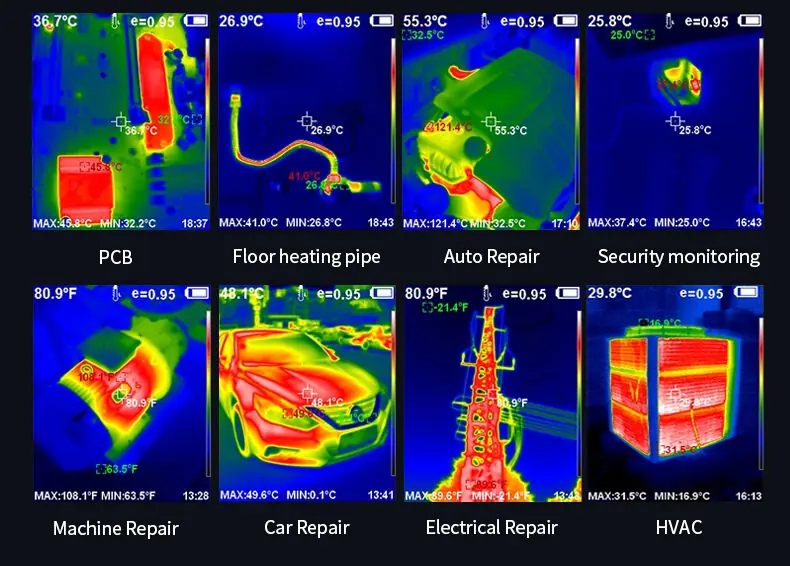
Figure 03 — Typical thermal imaging detection results across industrial and building scenarios.
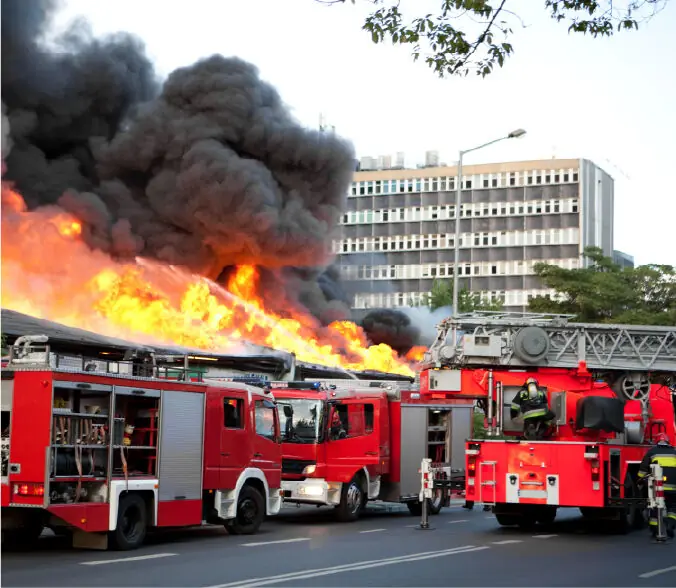
Figure 04 — In firefighting, thermal cameras reveal hotspots and victims through dense smoke.
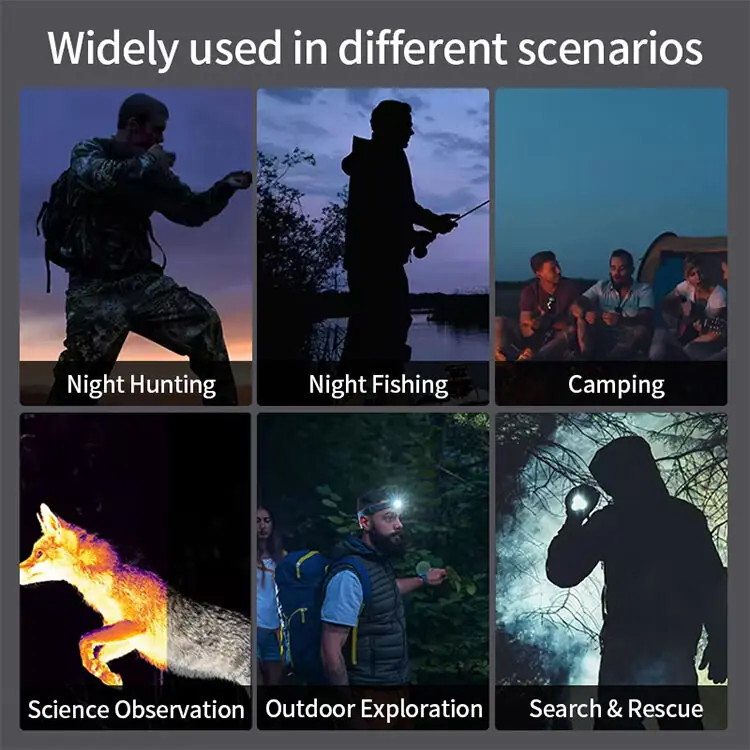
Figure 05 — Outdoor uses range from night hunting and fishing to search and rescue.
How Do Thermal Imaging Cameras Work?
A thermal camera uses a sensor called a microbolometer to detect infrared radiation and turn it into an electrical signal. The signal is processed into an image in which each area represents a different temperature. If a pipe is leaking, for example, the surrounding area shows a temperature difference that exposes the leak's location.
How to Choose the Right Thermal Imaging Camera?
The right thermal camera depends on the application scenario — an entry-level model serves occasional home tasks, while professional inspection and firefighting demand higher resolution, sensitivity and durability.
For water leak detection: occasional tasks such as finding leaks or heat loss at home do not require an industrial-grade model. A mid-range entry-level camera such as Seek Thermal or the LSJ-E120 is a practical choice.
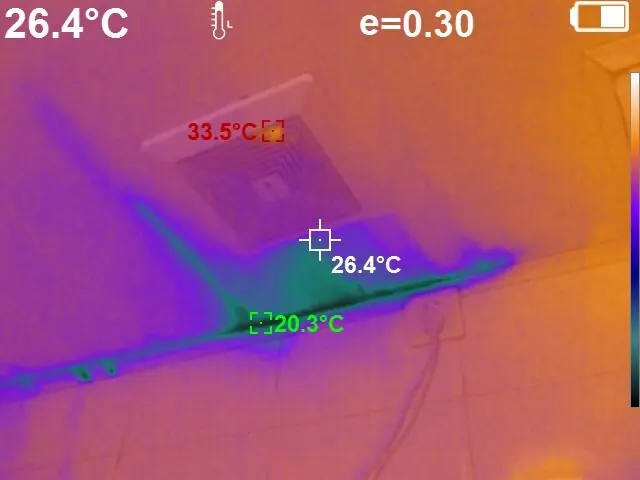
Figure 06 — A hidden pipe leak revealed by temperature differences on a thermal image.
For car and electrical maintenance: professional inspection calls for higher resolution and sensitivity. Models such as the FLIR E5 Pro and the LSJ-E320 deliver the resolution and temperature accuracy needed to detect hidden issues.
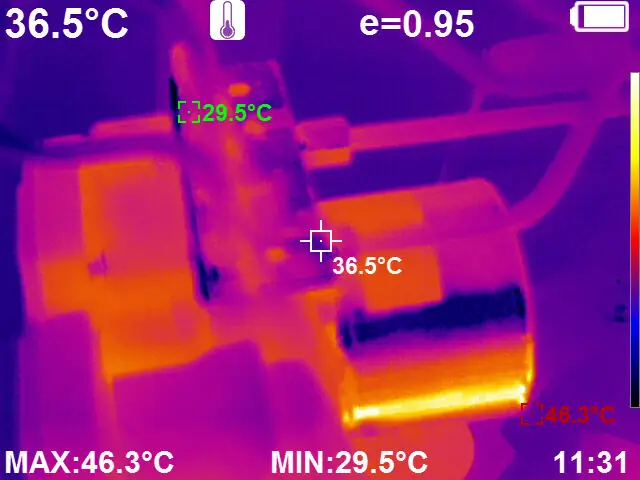
Figure 07 — Overheating components stand out immediately on a thermal image.
For fire and rescue: firefighters need high resolution plus heat resistance and durability. The FLIR K55 and K65, Seek AttackPRO and LSJ-F1200 are built for extreme fireground environments.
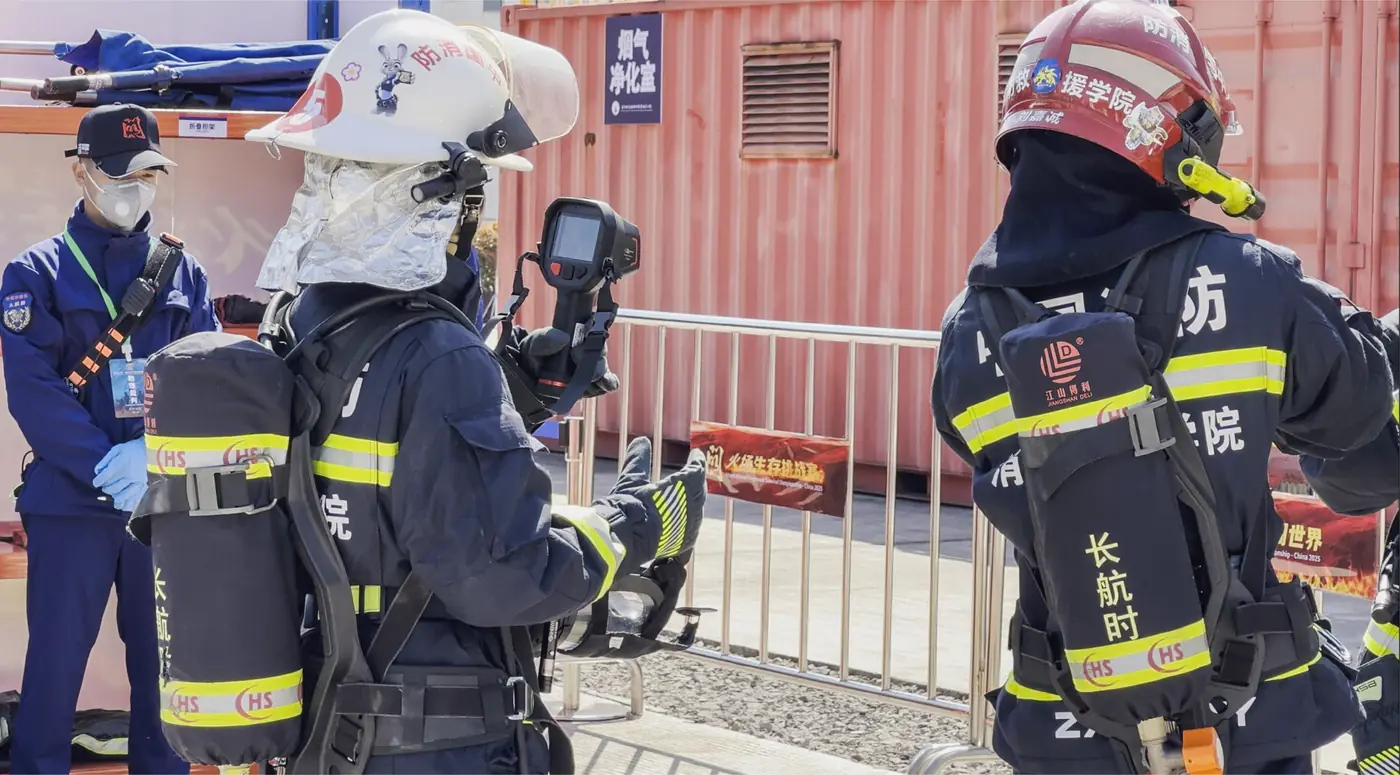
Figure 08 — Fire-service thermal imagers are built for heat resistance and durability in extreme environments.
Thermal Imaging Camera Manufacturers and Prices
Several established brands manufacture thermal imaging cameras, each with a distinct market position:
- FLIR Systems: high-end thermal cameras for industrial, military and security applications. Industrial handheld models range from $499 to $15,209; firefighting models (K1-K65 series) run approximately $499 to $4,995.
- Seek Thermal: affordable personal-use cameras. The Nano 200 and 300 are priced at $199 and $499; FirePRO 200 at $699 and FirePRO 300 at $1,199; Attack Pro models range from about $2,999 to $4,499.
- Bullard: firefighting specialists. The NXT Pro is priced at $7,985 and the QXT Pro at $8,125.
- MAS: industrial and maintenance thermal cameras.
- Leader Group: portable thermal imaging cameras for everyday use.
- Guide: thermal imaging solutions for professional and personal users.
- LSJ: more than 15 years of experience, offering cost-effective thermal cameras for firefighting, earthquake search and rescue, water leak detection, building inspection and car maintenance — typically priced between $140 and $4,500 depending on specifications.
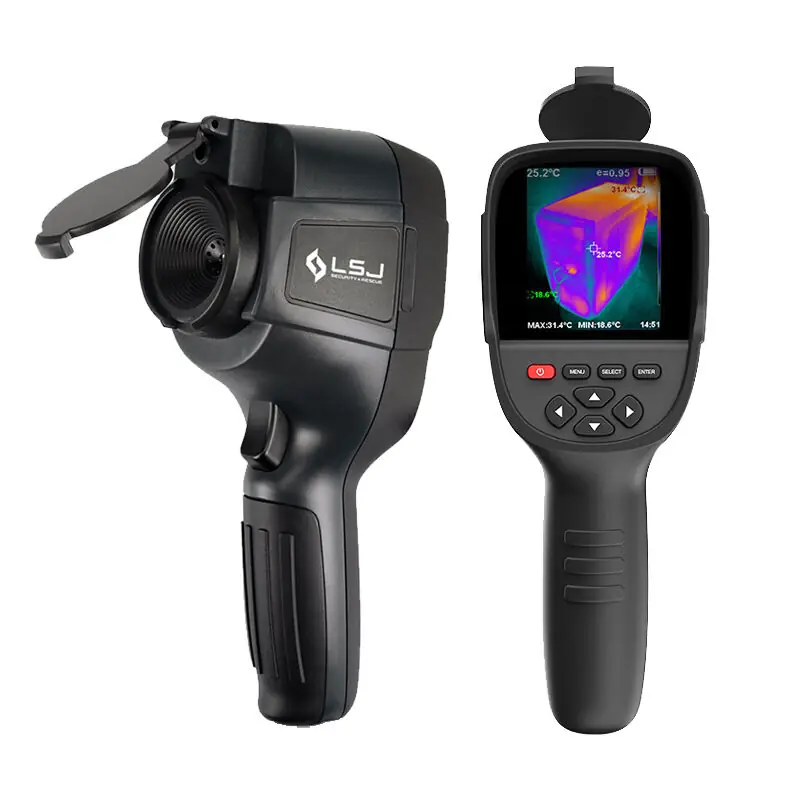
Figure 09 — LSJ offers thermal cameras from $140 to $4,500 across professional and entry-level models.
Usage Tips and Maintenance Recommendations
Usage tips: keep the device calibrated before use and verify temperature compensation settings; learn to adjust the color scale so temperature differences read clearly; and always focus the lens properly — manual focus can beat autofocus in some situations.
Maintenance: clean the lens regularly with a soft cloth and avoid harsh chemicals — or choose thermal imaging cameras with dust covers to keep dust out. Store the device away from extreme temperatures and strong vibrations, and manually verify calibration periodically even when automatic calibration is available.
Frequently Asked Questions (FAQ)
Q1: Can thermal cameras be used in extreme cold or hot environments?
A: Most high-quality thermal cameras work well in extreme environments, but the model must match the conditions. Fire-specific models are built for high heat: the FLIR K55/K65 covers -20°C to 650°C, the AttackPRO series -20°C to 550°C, and the LSJ-F1200 -20°C to 1,200°C.
Q2: How can I improve the image quality of my thermal camera?
A: Image clarity depends on resolution, focal length and sensor quality. Common IR resolutions include 120×90, 160×120, 256×192, 320×240 and 384×288 — higher resolution produces clearer images.
Q3: Is thermal imaging suitable for outdoor use?
A: Yes. Thermal cameras excel at night walking, searching for lost people and tracking animals in low-visibility conditions. For hunting, a dedicated thermal scope is the better choice.
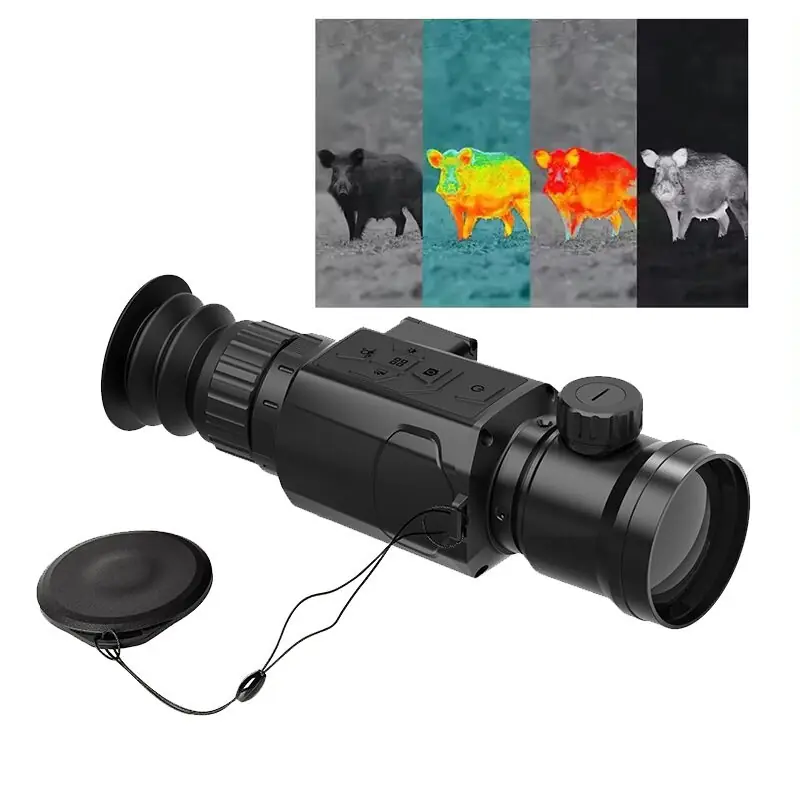
Figure 10 — For hunting and long-range night observation, a thermal scope is the better choice.
Not sure which thermal camera suits your needs? Send your inquiry and the LSJ support team will recommend the best option for your application.
Free expert advice · Firefighting, inspection & outdoor models