 EN
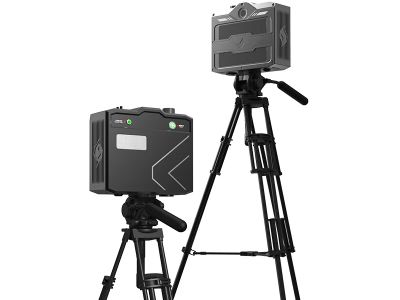
Slope stability radar is an essential technology in monitoring landslides and ensuring mine safety. By providing real-time data on ground movement, it enables professionals in the mining and construction sectors to take proactive measures against potential hazards. This article explores why slope stability radar is critical for landslide and mine safety monitoring, addressing common buyer concerns such as product specifications, cost factors, and practical applications.
How Slope Stability Radar Enhances Mine Safety Monitoring?
Slope stability radar systems are designed to detect and measure ground movement with high precision. They utilize advanced radar technology to continuously monitor slopes and provide early warnings of potential instability, which is crucial in mining operations where the integrity of the surrounding ground can directly impact safety. These systems can detect minute shifts in the landscape that may precede larger landslides or collapses. By offering real-time data, they allow site managers to assess risks and implement safety measures before a minor issue becomes a significant threat. For instance, if radar data indicates an alarming rate of movement, mining operations can be temporarily halted, allowing for further investigation and necessary remedial actions. Furthermore, the integration of slope stability can radar see through walls into existing monitoring systems enhances overall safety protocols. The data collected can be analyzed alongside other metrics, such as weather conditions and geological surveys, to create a comprehensive risk assessment. This holistic approach is vital in ensuring the safety of personnel and equipment in mining environments.
Where to Wholesale Slope Stability Radar for Your Projects?
When looking to purchase slope stability radar for larger projects, it is essential to work with reputable suppliers who specialize in this technology. Companies like Beijing LSJ Technology have a strong track record in providing high-performance rescue and monitoring equipment. As a manufacturer with a focus on reliability and durability, LSJ Technology offers custom solutions tailored to specific project requirements. Buyers should consider factors such as minimum order quantities (MOQ), lead times, and customization options when sourcing these systems. Establishing a relationship with a supplier that understands the unique demands of your projects can lead to more effective monitoring solutions. Additionally, attending industry expos and trade shows can provide opportunities to connect with manufacturers and explore the latest innovations in slope stability ground probe slope stability radar technology. It’s important to assess the supplier's experience, product offerings, and customer support capabilities to ensure they can meet your specific needs.
Cost Factors to Consider When Purchasing Slope Stability Radar
The cost of slope stability radar systems can vary significantly based on several factors, including the technology used, the complexity of the system, and any additional features required for a specific application. Buyers should budget not only for the initial purchase price but also for installation, maintenance, and potential upgrades.
Technology Type: Different radar technologies (e. g., ground-based, airborne) come with varying price points. Ground-based systems are typically more affordable and easier to deploy in confined environments.
Customization: Tailored solutions that meet specific project needs may incur additional costs. It’s crucial to communicate your requirements clearly to the manufacturer to avoid unexpected expenses.
Installation and Training: The installation process may require specialized expertise, and training for personnel on how to operate the systems effectively is another cost consideration.
Maintenance: Regular maintenance is essential for ensuring the reliability of interferometric radar systems. Buyers should inquire about warranty options and ongoing support from the manufacturer.
Understanding these factors can help buyers make informed decisions and negotiate effectively with suppliers, ensuring they receive a solution that meets their operational requirements while staying within budget.
Common Challenges in Landslide Monitoring and Radar Solutions
Landslide monitoring poses several challenges, including environmental factors, data interpretation, and equipment limitations. Slope stability radar can address many of these challenges through advanced technology and data analytics.
Environmental Factors: Weather conditions, such as heavy rainfall or snow, can impact the accuracy of ground movement readings. Reliable radar systems can compensate for these variables, providing accurate data even in adverse conditions.
Data Interpretation: The sheer volume of data generated by radar systems can be overwhelming. It’s essential for teams to have access to software that simplifies data visualization and analysis, allowing for quicker decision-making.
Equipment Limitations: Some radar systems may have limited range or resolution. Buyers should evaluate the specifications of different models to ensure that the chosen system can effectively monitor the specific site conditions.
By addressing these challenges with robust radar solutions, companies can improve their monitoring capabilities and enhance safety protocols in landslide-prone areas.
Understanding Slope Stability Radar Features
When assessing slope stability radar systems, several key features should be considered to ensure the chosen solution meets industry standards and operational needs:
Measurement Range: The effective range of the radar system is critical. Systems designed for greater distances can monitor larger areas, making them suitable for expansive mining operations.
Resolution: High-resolution data allows for detecting smaller shifts in the ground, which can be crucial for early warning systems. Buyers should inquire about the resolution specifications and how they relate to operational needs.
Data Output: Look for systems that provide comprehensive data outputs, including graphical representations and alerts for significant changes in slope stability. This feature enables quicker response times to potential hazards.
Integration Capability: The ability to integrate with existing monitoring systems is vital. Systems that can work in conjunction with other technologies, such as GPS and weather stations, offer a more comprehensive understanding of site conditions.
Durability and Reliability: Given the harsh environments in which these systems are often deployed, it’s essential to choose equipment that is built to withstand extreme conditions. Look for features that enhance ruggedness and longevity.
By thoroughly understanding these features, buyers can select a slope stability radar system that not only meets their immediate safety needs but also provides long-term value through reliability and advanced monitoring capabilities.
