
 EN
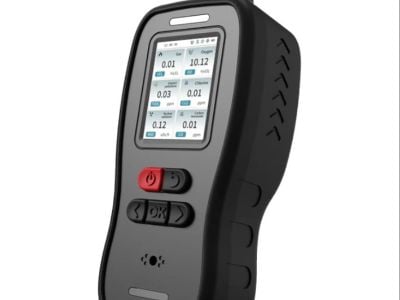
When it comes to ensuring safety in hazardous environments, especially for firefighters, having the right gas detection equipment is crucial. The question of which gas detector offers the best 4-gas monitoring for firefighters is essential for fire and civil defense teams looking to enhance their safety protocols. Firefighters face various gases, including oxygen, carbon monoxide, hydrogen sulfide, and combustible gases. This article will guide you through choosing the best multi gas detector, key specifications to consider, common issues, and how to evaluate suppliers effectively.
Which Gas Detector is Best for 4-Gas Monitoring in Firefighting?
Choosing the best gas detector for 4-gas monitoring in firefighting largely depends on the specific needs of the team and the environments they operate in. Key factors to consider include sensitivity, durability, battery life, ease of use, and the capabilities for real-time data monitoring.
One of the leading products in this category is the multi-gas detector designed by Beijing LSJ Technology, which incorporates advanced sensors for precise readings. It’s vital to select a portable gas detector that features high-quality sensors capable of accurately measuring the four critical gases. The robustness of the device is also essential; it must withstand harsh firefighting environments, including extreme temperatures and exposure to water or chemicals.
Additionally, look for models with built-in alarms and data logging capabilities, ensuring that important readings are recorded for analysis and safety compliance. These features not only enhance safety but also help teams prepare for future incidents by analyzing past data.
How to Choose the Right Multi-Gas Detector for Firefighters?
Selecting the right multi-gas detector involves several steps:
Identify Required Gases: Understand the specific gases that firefighters may encounter in their operational areas. Common gases include oxygen (O2), carbon monoxide (CO), hydrogen sulfide (H2S), and combustible gases (LEL).
Sensitivity and Accuracy: Ensure the detector provides reliable and sensitive readings for the specific concentrations of gases you may encounter. This is crucial for preventing false alarms and ensuring safety.
Durability and Reliability: Firefighting conditions are often harsh. Choose gas detector made from robust materials with high IP ratings for water and dust resistance.
User-Friendly Features: Look for detectors that are easy to use, with clear displays and intuitive controls. Quick calibration and simple maintenance procedures will also enhance operational efficiency.
Data Management: Consider detectors that offer data logging and Bluetooth connectivity for easy data transfer and analysis, which can be beneficial for training and compliance purposes.
By taking these factors into account, purchasing managers can ensure that they select the most suitable gas detector for their firefighting teams.
Key Specifications for Reliable 4-Gas Detectors in Fire Safety
When evaluating 4-gas detectors, several key specifications should be taken into account:
Detection Range: The detector should have a suitable range for each gas being monitored. For instance, oxygen levels should be monitored from 0-30% vol, while combustible gases should be detected down to lower explosive limits (LEL).
Response Time: A quick response time is critical for immediate hazard assessment. Look for detectors that provide readings within seconds.
Battery Life: Battery longevity is crucial during prolonged firefighting operations. Opt for detectors with longer battery life or features for quick battery replacement.
Calibration Requirements: Regular calibration is necessary for maintaining accuracy. Choose detectors that allow for simple and straightforward calibration processes.
Alarm Systems: Ensure that the detector features audible and visual alarms to alert users immediately when gas levels exceed safe thresholds.
Understanding these specifications can help buyers make informed decisions that align with their operational needs.
Common Problems with Gas Detectors and Practical Solutions
Gas detectors, while essential for safety, can encounter several common issues:
Calibration Errors: Over time, sensors may drift, leading to inaccurate readings. Regular calibration checks are necessary to ensure the device functions correctly. Buyers should maintain a strict calibration schedule as part of their operational protocol.
Sensor Poisoning: Some environments may expose sensors to contaminants that can degrade their performance. Using filters or protective covers can help mitigate this issue.
Battery Failure: Insufficient battery life can lead to device failure during critical operations. Regular maintenance checks on battery health and having spare batteries readily available can prevent this problem.
False Alarms: Environmental factors or sensor malfunctions can trigger false alarms. Training personnel to recognize and respond correctly to alarms can help reduce panic and confusion in emergency situations.
By proactively addressing these issues, fire and civil defense teams can maximize the reliability of their gas detection equipment.
Evaluating Supplier Reliability for Firefighter Gas Monitoring Equipment
Choosing the right supplier for gas monitoring equipment is just as important as selecting the right product. Here are key considerations when evaluating suppliers:
Industry Experience: Look for suppliers with a strong track record in providing gas detection technology, particularly for firefighting and rescue operations. A history of successful partnerships with fire departments can be a good indicator of reliability.
Product Range and Customization: Ensure the supplier offers a variety of models and the possibility for custom solutions tailored to specific operational needs. This can include unique sensor configurations or specialized software for data analysis.
Quality Assurance Practices: Verify that the supplier adheres to stringent quality control processes to ensure their products meet industry standards. Certifications and patents can indicate a commitment to quality.
Customer Support and Training: Reliable suppliers offer robust customer support, including training for personnel on proper usage and maintenance of the detectors. This support can significantly enhance the effectiveness of the equipment in the field.
Warranty and Service: Assess the warranty terms and the availability of service and maintenance options. A comprehensive warranty can provide peace of mind regarding the long-term performance of the equipment.
By focusing on these criteria, buyers can select a trustworthy supplier who will provide both the equipment and the ongoing support necessary for effective gas monitoring in firefighting scenarios.
The choice of a 4-gas detector and supplier is a critical decision that impacts the safety and efficiency of firefighting operations. By understanding the specifications, addressing common issues, and evaluating supplier reliability, purchasing managers can make informed decisions that enhance the safety of their teams.
Table of Contents
- Which Gas Detector is Best for 4-Gas Monitoring in Firefighting?
- How to Choose the Right Multi-Gas Detector for Firefighters?
- Key Specifications for Reliable 4-Gas Detectors in Fire Safety
- Common Problems with Gas Detectors and Practical Solutions
- Evaluating Supplier Reliability for Firefighter Gas Monitoring Equipment
