 EN
Building a complete Urban Search and Rescue (USAR) equipment kit for your team is crucial for ensuring effective responses to emergencies in urban environments. A well-equipped team can significantly improve the chances of successfully locating and rescuing victims in disaster situations. This article will guide you through essential specifications to consider, sourcing options for reliable equipment, quality control standards, cost factors, and common operational challenges along with their solutions. By understanding these aspects, you can make informed decisions that enhance your team's readiness
Key Specifications to Consider for USAR Equipment Kits
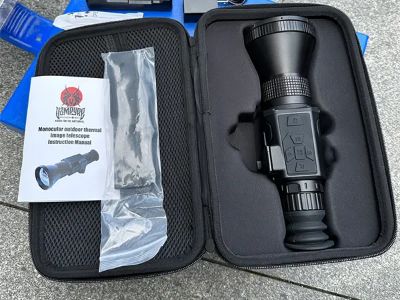
When assembling a USAR equipment kit, key specifications must be closely evaluated to ensure optimal performance. Key items typically include thermal imaging cameras, life detectors, multi-gas detectors, and other essential tools
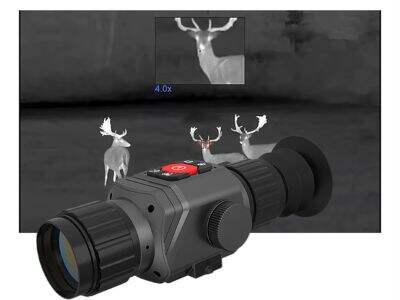
Thermal Imaging Cameras: Look for specifications such as resolution, sensitivity, and field of view. High resolution (such as, 640x480 pixels) allows for clearer images, which is critical for identifying victims in low-light conditions. Sensitivity measures the camera’s ability to detect temperature differences; a lower thermal sensitivity (measured in milliKelvins, mK) is better for detecting heat signatures
Life Detectors: These devices are essential for locating victims trapped under rubble. Specifications to consider include detection range, battery life, and environmental resistance. A detector with a range of at least 20 meters can locate buried individuals more effectively. Ensure the device is resistant to dust and moisture to function in harsh environments
Multi-Gas Detectors: Evaluate the types of gases detected (such as, CO, CO2, H2S) and the sensor response time. Quick response times (under 10 seconds) are crucial for ensuring the safety of rescue teams in hazardous environments
By paying attention to these specifications, teams can ensure that their equipment is suitable for the demanding conditions of urban rescue operations
Where to Source Reliable USAR Equipment for Wholesale Purchases
Sourcing reliable USAR equipment requires careful consideration of manufacturers known for quality and performance. Suppliers like Beijing LSJ Technology have established a reputation for providing durable and high-performance equipment tailored for rescue operations. Here are a few strategies to source equipment effectively
Direct Manufacturer Relationships: Establishing direct relationships with manufacturers can lead to better pricing and customization options. Look for manufacturers with experience in industrial-grade rescue technology and a proven track record
Industry Trade Shows: Attending relevant trade shows and exhibitions allows you to evaluate various suppliers and their products firsthand. This is an opportunity to ask questions, request demonstrations, and compare offerings dtrcord
Online Marketplaces: Websites that specialize in industrial and urban search and rescue equipment can provide a range of options. However, always verify supplier credibility through reviews and past client experiences
Bulk Purchase Agreements: Many suppliers offer discounts for bulk purchases or long-term agreements. This can significantly reduce costs while ensuring your team is well-equipped
By leveraging these sourcing strategies, purchasing managers can build a reliable supplier network for their USAR equipment needs
Quality Control Standards for Urban Search and Rescue Equipment
Quality control is critical in ensuring that USAR equipment performs reliably under stressful conditions. Here are some essential quality control standards to consider:
ISO Certifications: Look for suppliers who adhere to international quality standards such as ISO 9001. This certification indicates a commitment to quality management systems that ensure consistent product quality
Testing Protocols: Equipment should undergo rigorous testing under simulated operational conditions. For example, thermal imaging cameras should be tested for performance in extreme temperatures and varying humidity levels
Field Testing: Prior to full-scale deployment, conduct field tests with equipment to assess its functionality in real-world scenarios. This helps identify potential issues before they become critical during rescue operations
Regular Maintenance Plans: Establishing a quality control plan that includes routine inspections and maintenance schedules can help extend the lifespan of equipment and ensure its reliability
By adhering to these quality control standards, teams can ensure they are using equipment that meets the demands of urban search and rescue operations
Cost Factors to Evaluate When Building a USAR Equipment Kit
When building a USAR equipment kit, understanding the cost factors involved is essential for budget management. Here are the primary considerations
Initial Purchase Costs: Evaluate the upfront costs of equipment. While it might be tempting to go for the cheapest option, consider the long-term value of investing in higher-quality equipment from reputable manufacturers
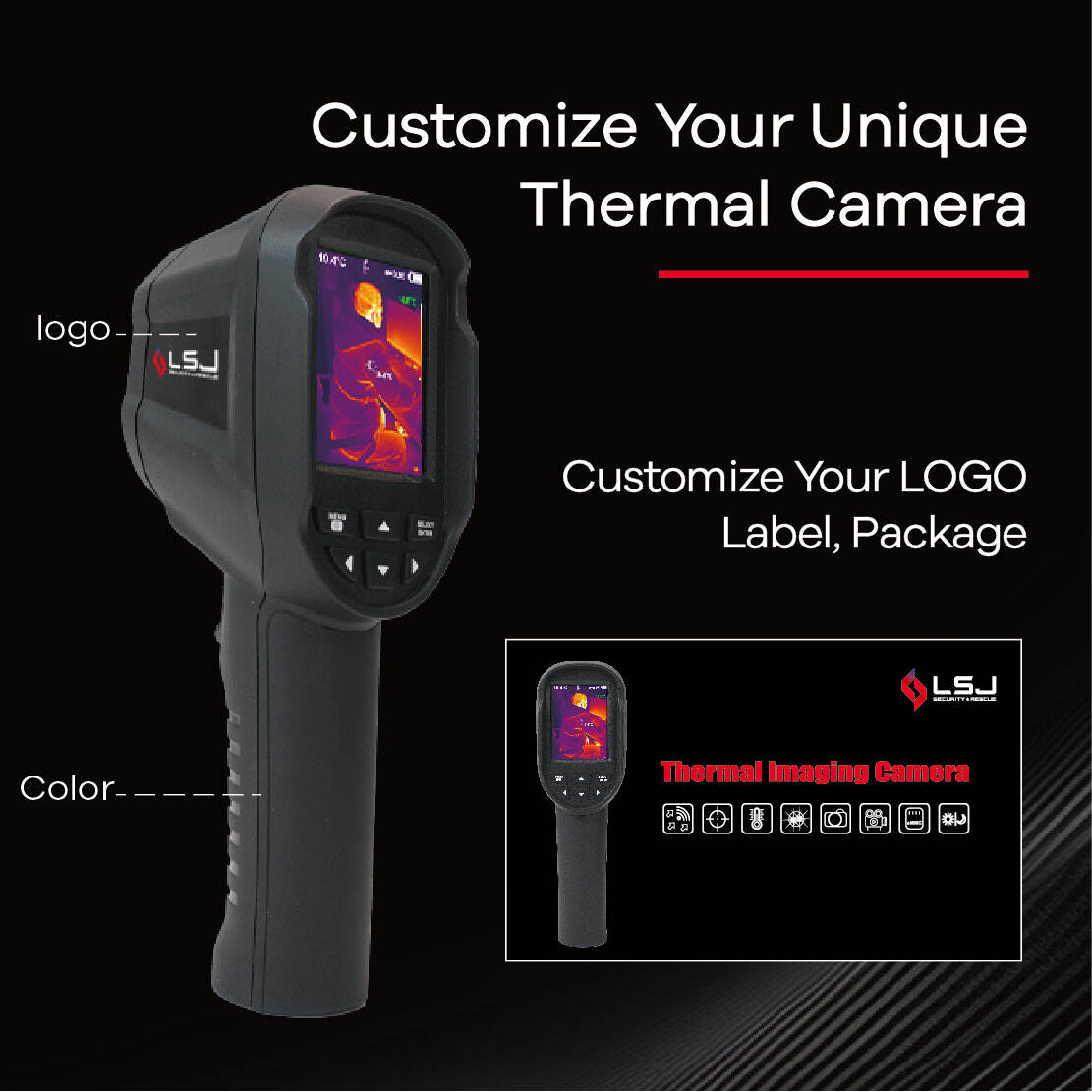
Customization Costs: If specific modifications or custom solutions are required for your equipment, factor in these additional costs. Customization may be necessary to meet unique operational needs or local regulations
Training Costs: Consider the expenses associated with training personnel to use the equipment effectively. Proper training is essential for maximizing the equipment's potential and ensuring the safety of rescue teams
Maintenance and Replacement: Establish a budget for ongoing maintenance and eventual replacement of equipment. Durable equipment may have a higher initial cost but can save money in the long run through reduced maintenance needs
By evaluating these cost factors, purchasing managers can create a comprehensive budget that aligns with their operational requirements
Common Problems in USAR Operations and Equipment Solutions
In the field of urban search and rescue, several common problems can arise that impact operations. Here are some of these challenges and potential solutions
Communication Failures: Communication is vital during rescue operations. Equip teams with reliable communication devices that function in various environments, including underground or obstructed areas
Equipment Failure: Equipment may fail under harsh conditions. Regular testing and maintenance can mitigate this risk. Additionally, having backup equipment readily available ensures that operations can continue smoothly
Environmental Hazards: Urban environments can pose numerous hazards, from toxic gas leaks to unstable structures. Multi-gas detectors and structural analysis tools can help identify and mitigate these risks before rescue operations commence
Time Constraints: In a rescue scenario, time is often of the essence. Having a well-coordinated team and streamlined processes can improve response times Regular drills and simulations can prepare teams for rapid deployment
By addressing these common problems proactively, teams can enhance their operational efficiency and effectiveness in urban search and rescue missions
Building a complete Urban Search and Rescue equipment kit requires careful consideration of specifications, reliable sourcing, quality control, cost factors, and awareness of common operational challenges. By taking a structured approach, teams can ensure they are well-prepared to respond to emergencies effectively
Table of Contents
- Key Specifications to Consider for USAR Equipment Kits
- Where to Source Reliable USAR Equipment for Wholesale Purchases
- Quality Control Standards for Urban Search and Rescue Equipment
- Cost Factors to Evaluate When Building a USAR Equipment Kit
- Common Problems in USAR Operations and Equipment Solutions
