 EN
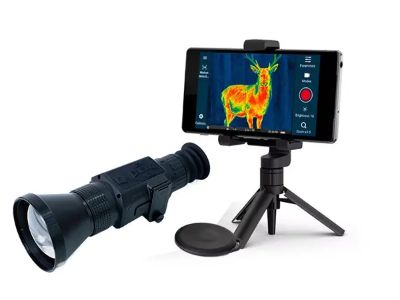
Beijing LSJ Technology specializes in custom OEM projects for fire and rescue equipment, focusing on high-performance solutions tailored to the specific needs of emergency response teams. As a B2B buyer, you may have concerns about product specifications, compatibility with existing systems, and the supplier's ability to meet your customization requirements. This article will explore how LSJ supports custom OEM projects for fire and rescue equipment, providing insights into key specifications, supplier selection, installation guidance, practical applications, and material advantages
Key Specifications for Custom OEM Projects in Fire Equipment
When considering custom OEM projects for fire and rescue equipment, understanding key specifications is crucial. These specifications directly influence the performance, reliability, and suitability of the equipment for emergency situations
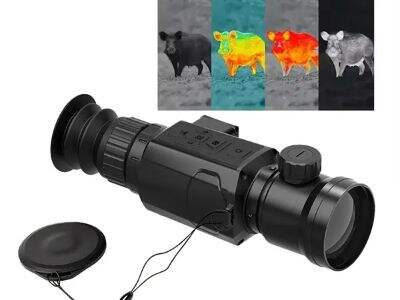
Performance Requirements: The equipment must meet specific performance standards, such as operating temperature ranges, response times, and detection capabilities. For example, thermal imaging cameras should function effectively in both daylight and low-light conditions to assist rescue teams in locating victims
Durability and Weather Resistance: Given the harsh environments in which fire and rescue equipment operates, specifications related to durability and weather resistance are vital. Materials should be chosen that can withstand extreme temperatures, moisture, and physical impacts without compromising functionality
Customization Options: Buyers should confirm the extent of customization available, including modifications to size, weight, and features of the equipment. LSJ offers tailored solutions, ensuring that products can be adapted to meet unique operational needs
Certification Standards: Understanding which certifications the equipment complies with is essential for ensuring quality and reliability. Buyers should verify that the products meet industry standards relevant to fire and rescue operations, such as ISO and CE certifications
Choosing the Right Supplier for Custom OEM Fire Equipment Projects
Selecting a reliable supplier for your custom OEM fire equipment projects can significantly impact the success of your procurement process. Here are key considerations for making an informed decision
Manufacturing Experience: Look for suppliers with a proven track record in manufacturing fire and rescue equipment. Beijing LSJ Technology has been in the industry since 2010 and holds over 100 patents, demonstrating expertise in developing innovative solutions
Communication and Support: Effective communication is vital during the customization process. Ensure the supplier provides clear lines of communication and dedicated support throughout the project, from initial design discussions to post-delivery assistance
Quality Control Processes: Inquire about the supplier's quality control measures. A reputable manufacturer will have stringent inspection processes in place to ensure that all products meet specified requirements before shipment
Customization Capabilities: Assess the supplier's ability to accommodate specific customization requests. Discuss your unique requirements upfront to ensure they can deliver the tailored solutions you need
Installation Guidance for Custom OEM Fire and Rescue Equipment
Proper installation is crucial for ensuring that custom OEM fire and firefighter rescue equipment functions as intended. Buyers should consider the following aspects
Installation Manual: Suppliers should provide detailed installation instructions tailored to the specific equipment. This includes diagrams, step-by-step procedures, and any necessary safety precautions
Training and Support: Consider whether the supplier offers training sessions or on-site support during installation. This can help ensure that your team is equipped with the knowledge to install and operate the equipment effectively
Compatibility with Existing Systems: Verify that the new equipment is compatible with your current systems and processes. This may involve discussing integration with other equipment or operational protocols used by your fire and rescue teams
Post-Installation Testing: After installation, conduct thorough testing of the equipment to ensure it operates as expected. This should include simulations of emergency scenarios to validate performance
Applications of LSJ’s Custom OEM Fire Equipment in Real Scenarios
Understanding how LSJ’s custom OEM fire equipment is applied in real-world scenarios can help buyers appreciate its value and effectiveness. Here are a few examples
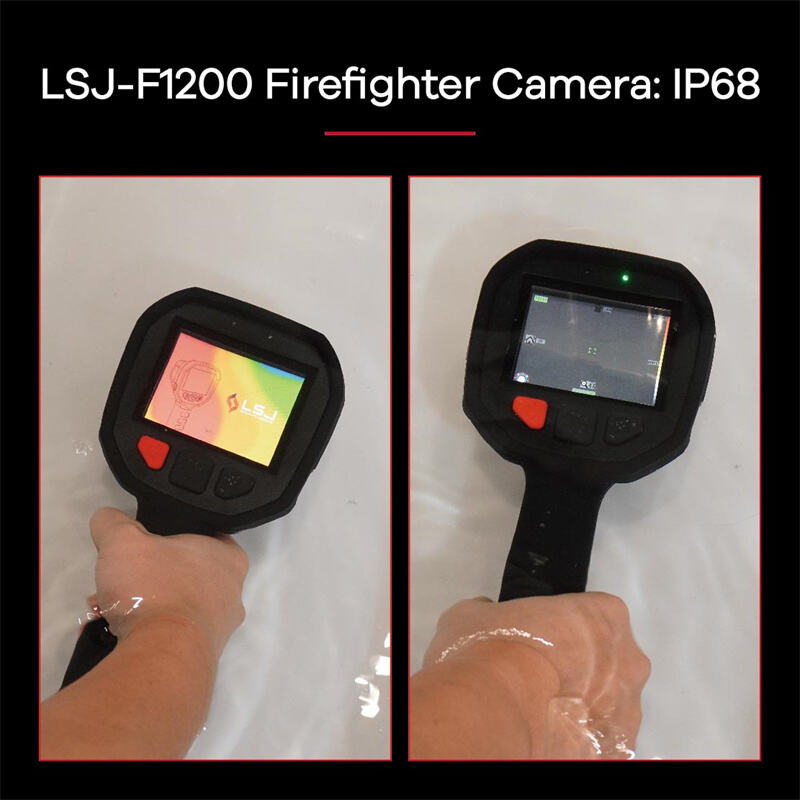
Urban Search and Rescue Operations: LSJ’s thermal imaging cameras are used by emergency response teams to locate victims trapped in collapsed structures. The cameras provide clear images even in low visibility conditions, facilitating quicker rescues
Hazardous Material Detection: Multi-gas detectors are critical in environments where toxic gases may be present. LSJ’s detectors can be customized to identify specific gases relevant to the operational area, enhancing safety for responders
Disaster Relief Efforts: In the aftermath of natural disasters, LSJ’s life detectors play a vital role in locating survivors. The ability to customize these detectors for various environmental conditions increases their effectiveness in diverse scenarios
Training Programs: Fire departments often utilize LSJ equipment during training exercises to prepare responders for real-life situations. Customization of equipment for training purposes can simulate various emergency conditions effectively
Evaluating Material Advantages in Fire and Rescue OEM Solutions
Material selection is a critical aspect of developing custom OEM fire rescue equipment. Buyers should evaluate the following material advantages
Weight vs. Durability: The chosen materials should strike a balance between being lightweight for ease of handling and durable enough to withstand harsh environments. For instance, composite materials may provide the necessary strength without adding excessive weight
Temperature Resistance: Equipment must be constructed from materials that can endure high temperatures without degrading. This is especially important for devices used in firefighting operations, where exposure to flames and heat is common
Water and Dust Resistance: Materials should also offer adequate protection against water and dust infiltration. This is essential for maintaining functionality in adverse weather conditions, which is common in emergency response scenarios
Chemical Resistance: In environments where hazardous materials are present, the equipment’s materials should resist corrosion and degradation from chemicals. Buyers should discuss specific chemical exposures with the supplier to ensure the selected materials are suitable
By understanding these critical areas, buyers can make informed decisions when engaging with LSJ Technology for custom OEM projects for fire and rescue equipment. The insights provided will help ensure that the selected solutions meet operational needs and enhance overall safety and performance
Table of Contents
- Key Specifications for Custom OEM Projects in Fire Equipment
- Choosing the Right Supplier for Custom OEM Fire Equipment Projects
- Installation Guidance for Custom OEM Fire and Rescue Equipment
- Applications of LSJ’s Custom OEM Fire Equipment in Real Scenarios
- Evaluating Material Advantages in Fire and Rescue OEM Solutions
