 EN
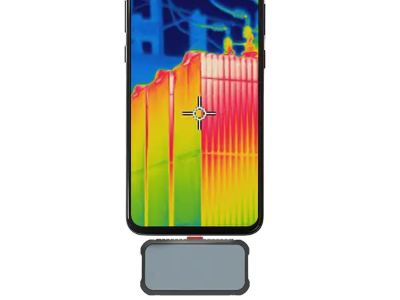
Understanding the ideal temperature range for firefighting thermal cameras is crucial for ensuring effective performance in critical situations. These cameras are essential tools for firefighters, enabling them to see through smoke, locate hotspots, and navigate hazardous environments. However, not all thermal cameras are created equal, and their functionality can be significantly impacted by temperature conditions. This article will explore how to choose the right firefighting thermal cameras to ensure optimal performance, the factors to consider during evaluation, common issues buyers may encounter, and effective solutions
How to Choose Firefighting Thermal Cameras for Optimal Performance
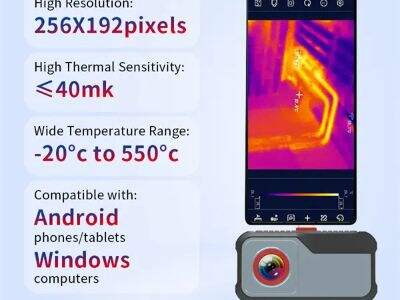
When selecting thermal cameras for firefighting applications, understanding the ideal temperature range is essential. Most thermal imaging cameras operate effectively in temperature ranges from -20°C to +60°C (-4°F to +140°F), but specific models may offer wider or narrower ranges. It's crucial to choose a camera that can function reliably within the temperature extremes expected in firefighting scenarios, particularly under high heat conditions from flames or hazardous environments
Buyers should also consider the camera's sensitivity to detect temperature differences. A higher sensitivity allows for better image quality and the detection of subtle temperature variations, which can be critical when searching for victims or hotspots. In addition, look for features such as adjustable emissivity settings, which enhance accuracy by allowing the user to calibrate the camera for different materials
A Buyer’s Guide
When preparing to purchase a firefighting android thermal camera, buyers should gather detailed information to facilitate a smooth procurement process. Here are critical factors to consider
Specifications: Confirm the temperature range, resolution, frame rate, and sensitivity of the camera. These specifications directly influence the camera’s performance in various environments
Durability: Firefighting equipment must withstand harsh conditions. Ensure the thermal camera is Ruggedized, water-resistant, and capable of withstanding high temperatures
Field of View (FOV): A wide field of view allows firefighters to scan large areas quickly, which is beneficial in emergency situations
User Interface: An intuitive interface and easy-to-navigate controls are essential for rapid operation during emergencies
Battery Life: Consider the battery performance and charging options, as extended battery life is critical in prolonged firefighting operations
Warranty and Support: Evaluate the manufacturer’s warranty and support services to ensure you have assistance when needed
What to Look For
In evaluating potential thermal camera for android, prioritize the following key features
Image Quality: High-resolution images are vital for effective identification of heat sources. Look for cameras that provide clear, detailed images in various conditions, including smoke and darkness
Temperature Measurement Accuracy: Ensure the thermal camera offers precise temperature readings. This is particularly important for detecting potential fire hazards and assessing the safety of environments
Integration with Other Equipment: Many firefighting teams use a range of equipment. Consider cameras that can integrate seamlessly with existing technology, such as communication devices and incident command systems
Custom Solutions: As a manufacturer with a strong background in specialized equipment, Beijing LSJ Technology offers customizable thermal imaging solutions that cater to unique operational needs
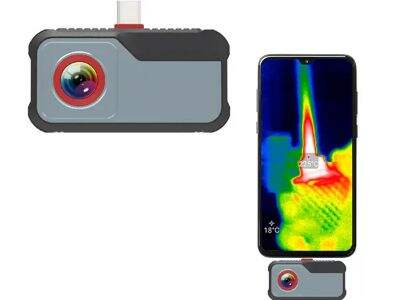
Evaluating the Quality of Thermal Cameras for Firefighting Applications
Quality evaluation should focus on several critical areas
Certification and Compliance: Ensure that the cameras meet relevant industry standards and regulations. This may include certifications for safety, performance, and environmental resistance
Field Testing: Whenever possible, conduct field tests to evaluate how the camera performs in real-life scenarios. This can reveal operational strengths and weaknesses
User Feedback: Gather insights from current users, particularly firefighting professionals. Their hands-on experiences can provide valuable information about the camera's reliability and effectiveness in high-pressure situations
Manufacturer Reputation: Consider the manufacturer's experience and reliability in the industry. A reputable manufacturer, like Beijing LSJ Technology, known for over a decade of experience and numerous patents, is likely to provide high-quality products
Common Problems with Thermal Cameras and Effective Solutions for Buyers
While thermal camera android are invaluable tools, they can present challenges. Here are some common problems and solutions
Overheating: Some thermal cameras may overheat during prolonged use in extreme temperatures. Buyers should verify thermal resistance ratings and ensure the camera is designed for continuous operation in high-heat environments
Image Distortion: Distorted images can hinder performance. Buyers should check for features that minimize distortion, such as image stabilization or advanced processing algorithms
Battery Failure: In critical situations, a failing battery can render a thermal camera useless. Opt for cameras with robust battery management systems and consider carrying spare batteries as a backup
Incompatible Accessories: Ensure that any accessories, such as mounts or protective cases, are compatible with the selected thermal camera. This compatibility can affect usability and safety during operations
By understanding these potential issues and seeking solutions, buyers can make informed decisions that enhance operational efficiency and safety in firefighting scenarios
In summary, selecting the appropriate thermal camera for firefighting applications involves understanding the ideal temperature range, evaluating specifications, and anticipating common challenges. Buyers should approach their purchasing decisions with careful consideration of performance requirements and potential limitations, ensuring they invest in equipment that meets the demanding needs of fire and rescue operations