 EN
EN

Mission of Light" 2025 Blue Sky Rescue International Emergency Skills
Press Release · Urban Search and Rescue Equipment
LSJ Showcases Field-Ready USAR Equipment at Blue Sky Rescue’s Mission of Light 2025 International Challenge
CHANGDE, China — May 2025
From May 10 to 12, 2025, Blue Sky Rescue (BSR), one of China’s largest non-profit professional rescue organizations, held the 2025 “Mission of Light” Hytera Cup International Comprehensive Rescue Skills Challenge in Changde, China. Beijing LSJ Technology Development Co., Ltd. (LSJ) took part in the equipment exhibition and demonstrated five urban search and rescue (USAR) product lines developed for real emergency operations.
Event at a glance
- Dates: May 10–12, 2025
- Location: Changde, China
- Organizer: Blue Sky Rescue (BSR)
- Scale: 29 teams from China, Singapore, Myanmar, Malaysia, Laos and Thailand, with more than 500 rescue professionals and local visitors
- Format: field exercises, skills competitions, an equipment exhibition and expert forums
- LSJ exhibits: Radar Life Detector · CAMB-RAD Seismic Life Detector · Search and Rescue Camera · Firefighting Thermal Imaging Camera · Movement Monitoring System
Mission of Light 2025: What Happened in Changde
From May 10 to 12, 2025, the Mission of Light challenge brought 29 rescue teams from China and five Southeast Asian countries and more than 500 rescue professionals and local citizens to Changde for field exercises, skills competitions and technical exchange.
Blue Sky Rescue organized the event as a large-scale, scenario-based exercise covering command and coordination, mountain rescue, water rescue, island survival, emergency communication and backend support. The challenge opened alongside Changde’s “5·12” Disaster Prevention and Mitigation Publicity Week and was staged as the “Hytera Cup” competition, pairing a professional contest with a public equipment exhibition and safety education activities.
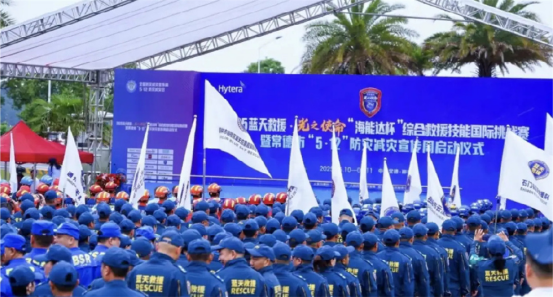
Figure 1 · The opening ceremony of the 2025 Blue Sky Rescue “Mission of Light” Hytera Cup International Comprehensive Rescue Skills Challenge in Changde.
Six Rescue Disciplines Tested in Simulated Disaster Scenarios
Teams were assessed across six operational disciplines — command and coordination, mountain rescue, water rescue, island survival, emergency communication and backend support — inside simulated earthquakes, floods and structural collapses.
Judges scored response speed, decision-making, teamwork and technical performance under sustained pressure. The high-intensity, scenario-driven format is designed to expose gaps in coordination between units and to push rescue skills toward shared, repeatable standards across regions.
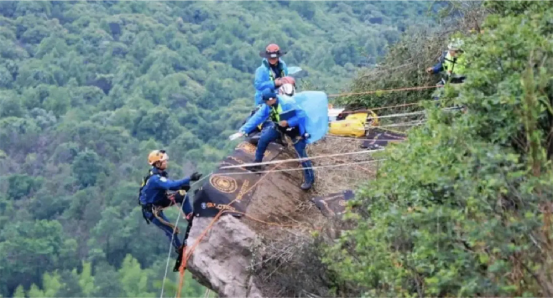
Figure 2 · BSR teams work a cliff-face rope rescue scenario during the mountain rescue discipline.
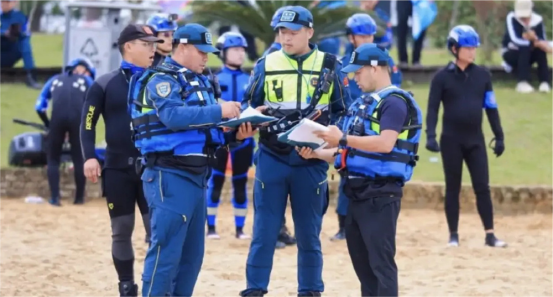
Figure 3 · Water rescue team leaders coordinate at the lakeside command point before a scenario begins.
Five LSJ USAR Product Lines Demonstrated at the Exhibition
LSJ displayed five detection and monitoring product lines — radar life detection, seismic life detection, search and rescue cameras, firefighting thermal imaging and movement monitoring — each engineered around requirements gathered from actual rescue missions.
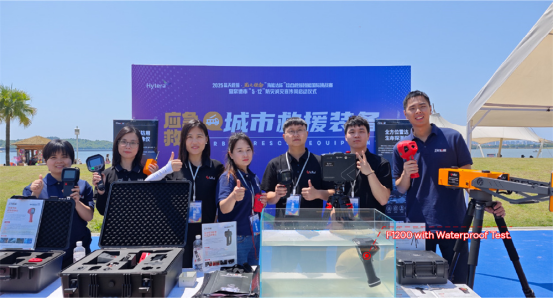
Figure 4 · LSJ’s equipment lineup at the exhibition; the H200 search and rescue camera is shown in a live waterproof test (center).
| LSJ Equipment | Role in a Rescue Operation |
|---|---|
| Radar Life Detector | Locates signs of life through rubble and collapsed structures using radar signals. |
| CAMB-RAD Seismic Life Detector | Array seismic unit that captures vibration and acoustic signals from survivors trapped in debris. |
| Search and Rescue Camera (LSJ-C-E / H200) | Returns video from confined voids; the H200 was demonstrated live in a waterproof immersion test. |
| Firefighting Thermal Imaging Camera (F1200 / S1200) | Reveals heat signatures, hot spots and survivors through smoke, darkness and fireground conditions. |
| Movement Monitoring System (Slope Stability Radar) | Tracks unstable slopes and debris for movement, warning crews of secondary collapse. |
Radar Life Detector and CAMB-RAD Seismic Life Detector
LSJ’s radar and seismic detectors address the first problem in any collapse response: finding survivors who cannot be seen or reached. The Radar Life Detector reads life signs through layers of rubble, while the CAMB-RAD Seismic Life Detector uses an array of sensors to pick up vibration and sound from voids inside debris.
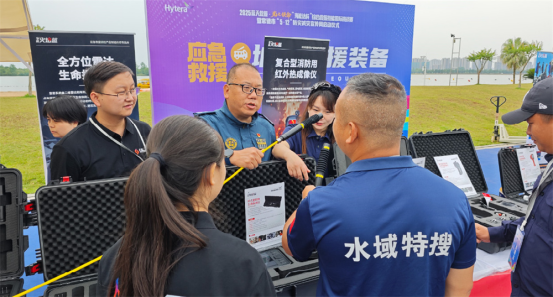
Figure 5 · The CAMB-RAD array seismic life detector during a booth demonstration for visiting rescue personnel.
Search and Rescue Cameras: LSJ-C-E and the H200 Waterproof Test
The LSJ-C-E Search and Rescue Camera extends a video eye into confined, visually inaccessible spaces. At the booth, LSJ also ran a continuous H200 waterproof immersion test, letting rescuers verify the camera’s sealing against the wet, muddy conditions common in flood and collapse operations.
Firefighting Thermal Imaging Cameras: F1200 and S1200
The F1200 and S1200 firefighting thermal imaging cameras convert heat into visible imagery, helping crews read smoke-filled rooms, locate hot spots and find people in darkness. Both units drew repeated hands-on interest from BSR’s water and fire rescue teams during the exhibition.
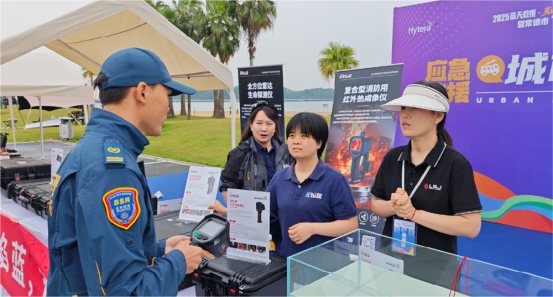
Figure 6 · The F1200 firefighting thermal imaging camera in a hands-on briefing for BSR responders.
Movement Monitoring System: Slope Stability Radar
At landslide and structural-collapse sites, the ground itself is a hazard. LSJ’s Movement Monitoring System, built around the slope stability radar, watches unstable terrain for movement and gives crews early warning of secondary slides while search operations continue below.
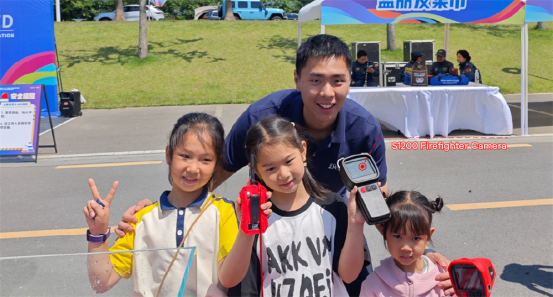
Figure 7 · LSJ’s slope stability radar deployed above an active landslide response site.
Hands-On Demonstrations and Direct Feedback From Rescuers
Across the three-day exhibition, LSJ’s technical team ran continuous hands-on demonstrations for BSR responders and international delegates, feeding field comments directly into the company’s product improvement cycle.
LSJ and Blue Sky Rescue have built a close working relationship over many joint emergency missions. In Changde, the booth functioned as a working feedback station: operators handled the detectors and cameras, LSJ engineers recorded how each unit performed in the simulated scenarios, and technical discussions continued at the event’s expert forums on disaster response, community resilience and humanitarian aid.
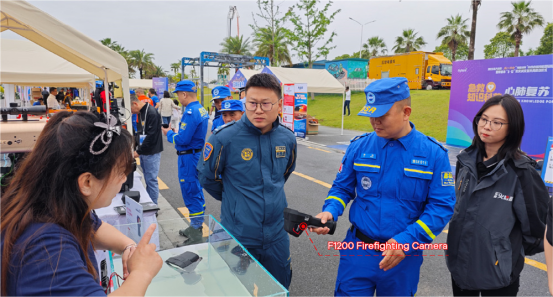
Figure 8 · LSJ specialists brief a BSR water special search team member on the thermal imaging camera.
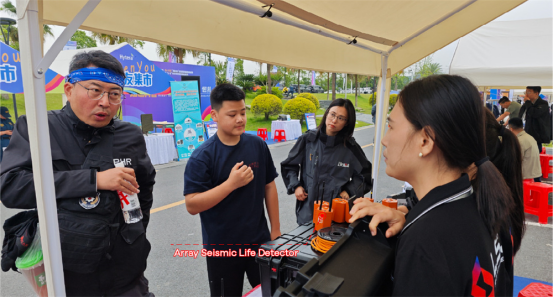
Figure 9 · A BSR officer reviews LSJ equipment documentation with the LSJ team.
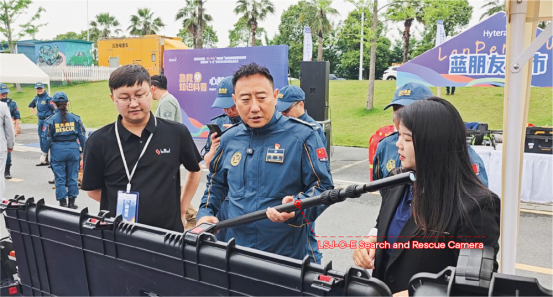
Figure 10 · LSJ’s full urban search and rescue lineup on display during the exhibition.
Broadcaster Tan Qiao Tests the LSJ-C-E Search and Rescue Camera
Tan Qiao, host of the Chinese program “Tan Talks Traffic” and a TikTok creator with more than 5.8 million followers, personally tested the LSJ-C-E Search and Rescue Camera at LSJ’s booth and praised its usability and design for real rescue scenarios.
The test put the camera in front of a broad public audience. Visitors were able to handle the same equipment used by professional teams, an unusually direct form of user review for a USAR product.
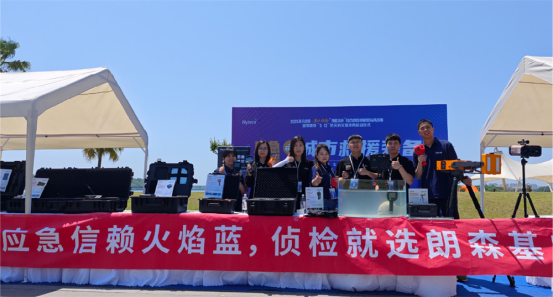
Figure 11 · The LSJ-C-E search and rescue camera, mounted on a telescopic pole, under hands-on evaluation at the LSJ booth.
Public Education and International Cooperation Beyond the Competition
Mission of Light also delivered disaster-prevention education to Changde residents and strengthened cross-border rescue ties among the six participating countries.
The event opened its equipment exhibition and safety activities to local citizens, including families with children, while teams from China, Singapore, Myanmar, Malaysia, Laos and Thailand trained side by side. That kind of joint, repeated practice matters: Blue Sky Rescue has taken part in cross-border operations such as the 2023 Türkiye earthquake response, where interoperability between nations directly affected outcomes. “Mission of Light” stands for the hope rescue teams bring after disaster — and for the more reliable international response network the event is intended to build.
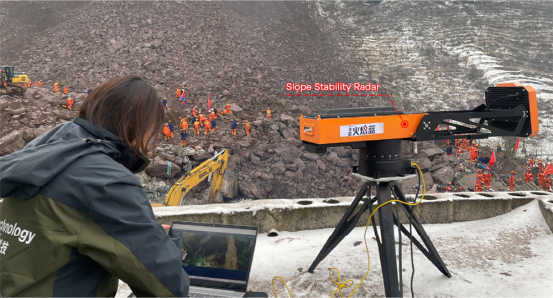
Figure 12 · Families try LSJ S1200 thermal cameras at the event’s public safety market, part of Changde’s disaster-prevention education program.
About LSJ — Practical, Science-Based Rescue Equipment
LSJ (Beijing LSJ Technology Development Co., Ltd.) develops practical, science-based detection and monitoring equipment for urban search and rescue, and has worked alongside Blue Sky Rescue on repeated emergency missions.
Every unit shown in Changde — radar and seismic life detectors, search and rescue cameras, firefighting thermal imagers and movement monitoring systems — is shaped by operator feedback from real incidents. LSJ says it will continue to support public rescue initiatives and to raise awareness of practical, science-based emergency preparedness.
Need a specification sheet or a quotation? Contact LSJ’s rescue equipment specialists to match a detector, camera or monitoring system to your team’s mission.
