 EN
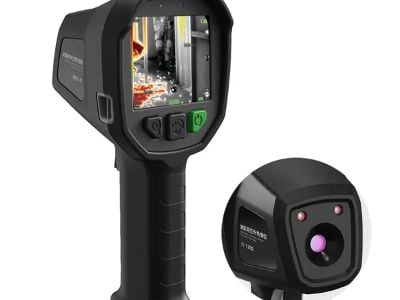
Beijing LSJ Technology has established itself as a trusted OEM manufacturer of fire and rescue equipment, particularly in the realm of Urban Search and Rescue (USAR) equipment. With a product line that includes thermal imaging cameras, life detectors, and multi-gas detectors, LSJ is committed to delivering high-performance and durable solutions that meet the stringent demands of emergency responders. This article will explore what makes LSJ a reliable partner in the industry, addressing key buyer concerns such as product quality, cost factors, installation guidance, and how to effectively compare OEM offerings.
What to Look for in an OEM Manufacturer of Fire Equipment?
When selecting an OEM manufacturer for fire and rescue equipment, buyers should consider several critical factors. First, evaluate the manufacturer’s expertise in producing specialized products. For instance, LSJ's focus on USAR equipment means they understand the unique challenges and requirements faced by emergency responders, ranging from durability in harsh environments to advanced technological features.
Next, assess the range of certifications and standards the manufacturer adheres to. Certifications can indicate compliance with industry regulations and safety standards, which are crucial for products used in life-saving scenarios. Additionally, examine the manufacturer’s patent portfolio over 100 patents held by LSJ signify a commitment to innovation and quality.
Lastly, consider the manufacturer's customization capabilities. The ability to tailor products to specific operational needs can significantly enhance performance and user satisfaction. LSJ’s focus on custom solutions ensures that clients receive equipment that meets their unique requirements.
How LSJ Ensures High-Quality Standards in Rescue Equipment?
Quality assurance is a cornerstone of LSJ's manufacturing process. The company implements stringent quality control processes throughout production, from sourcing materials to final testing. Each component used in LSJ’s fire and rescue gear products is carefully selected based on its performance characteristics, ensuring reliability in critical situations.
Before mass production, LSJ conducts comprehensive testing and requires client approval on finished samples. This step is vital as it confirms that the product meets the exact specifications and performance expectations outlined by the buyer. Furthermore, LSJ employs advanced manufacturing techniques and state-of-the-art production fire rescue equipment to maintain consistency and quality across all product lines.
Additionally, regular audits and assessments of production processes help identify potential issues before they escalate, thus ensuring that each unit delivered is reliable and effective.
Understanding the Cost Factors for Fire and Rescue Equipment Purchasing
When it comes to purchasing fire and rescue equipment, understanding the cost structure is essential. Several factors influence pricing, including material selection, manufacturing complexity, and customization needs. For example, high-performance materials that can withstand extreme conditions may incur higher costs but are necessary for the reliability of life-saving equipment.
Minimum order quantities (MOQ) also play a significant role in pricing. Buyers should be aware that ordering in larger quantities can often lead to reduced per-unit costs, but it’s essential to balance this with actual needs to avoid excess inventory.
Lead time is another important cost factor. Manufacturers like LSJ, with established supply chains and efficient production processes, can often offer competitive lead times, which can be a deciding factor for buyers needing immediate solutions.
Lastly, consider the total cost of ownership. This includes not just the purchase price, but also maintenance, repair, and operational costs over the product's lifespan. Investing in high-quality equipment may yield better long-term value.
Installation Guidance for Optimal Performance of Rescue Products
Proper installation is crucial for maximizing the performance of fire and rescue equipment. LSJ provides detailed installation guidelines to ensure that users can effectively deploy their products in emergency situations. For instance, when installing thermal imaging cameras, it’s important to consider factors such as mounting height, angle, and environmental conditions to ensure optimal visibility and usability.
Buyers should also be aware of the necessary training for personnel who will be using the equipment. LSJ recommends thorough training sessions to familiarize responders with the features and functionalities of each device, as this can significantly impact performance during critical operations.
Moreover, ongoing support from the manufacturer can be invaluable. LSJ provides technical assistance and troubleshooting services to help users address any installation or operational challenges they may encounter.
How to Compare OEM Offerings for Your Fire and Rescue Projects?
When evaluating OEM offerings for fire and rescue projects, buyers should develop a comparison framework based on several key criteria. Start by assessing product specifications, such as detection ranges, operational temperatures, and battery life. These specifications directly affect the suitability of the fire and rescue equipment for specific applications.
Additionally, consider the manufacturer's reputation and experience in the industry. Companies like LSJ, with over a decade of experience and a strong focus on research and development, can offer insights into product performance and reliability.
Another critical aspect to compare is customization options. Different emergencies may require tailored solutions, and manufacturers that can accommodate specific needs will be more valuable partners.
Finally, request references or case studies from the manufacturer. This real-world feedback can help gauge the effectiveness and reliability of the products in various scenarios, providing additional confidence in your purchasing decision.
In summary, understanding the key factors that contribute to a manufacturer’s trustworthiness and capability ensures that buyers make informed decisions when selecting fire and rescue equipment. By focusing on quality, cost, installation guidance, and thorough comparisons, buyers can align their needs with the right OEM manufacturer, such as LSJ.
Table of Contents
- What to Look for in an OEM Manufacturer of Fire Equipment?
- How LSJ Ensures High-Quality Standards in Rescue Equipment?
- Understanding the Cost Factors for Fire and Rescue Equipment Purchasing
- Installation Guidance for Optimal Performance of Rescue Products
- How to Compare OEM Offerings for Your Fire and Rescue Projects?